

We may earn a commission when you buy through links on this page, at no extra cost to you. Learn more.
The best middleburg wineries for a Virginia wine-tasting trip include Boxwood Estate Winery, Greenhill Vineyards, Chrysalis Vineyards, Cana Vineyards, and 50 West Vineyards. Each offers a different experience, from Bordeaux-inspired blends and traditional Virginia Norton wines to sparkling wine, vineyard scenery, and food-friendly tasting experiences. The right choice depends on your preferred wine styles, group size, interest in outdoor seating, and how much time you have available.
Middleburg, Virginia, is a natural starting point for exploring Loudoun County’s wine country. Located in the state’s Piedmont region, this historic horse-country town combines vineyard landscapes, country roads, established wineries, and welcoming tasting rooms. Its surrounding countryside offers a particularly appealing alternative to crowded urban tasting rooms, with opportunities to explore distinctive Virginia grapes and internationally recognized wine styles. Whether planning a romantic afternoon, a weekend getaway, or a full day of wine tasting, understanding what each winery offers makes it easier to build a rewarding itinerary.
Who This Is For: Choosing the Right Middleburg Winery
The best Middleburg winery depends on the kind of wine experience you want rather than simply the number of vineyards you can visit. Boxwood is particularly appealing to Bordeaux-style red wine enthusiasts, while Chrysalis provides an opportunity to explore Virginia’s distinctive Norton grape. Greenhill offers a broader selection of Virginia wines, including sparkling and white options.
This destination works especially well for several types of visitors:
- First-time Virginia wine visitors: Start with Boxwood and Chrysalis to experience two different approaches to Virginia winemaking. Their contrasting wine identities provide a useful introduction to the region.
- Red wine enthusiasts: Prioritize Boxwood for Bordeaux-inspired blends and Greenhill for Cabernet Sauvignon, Merlot, Cabernet Franc, and Petit Verdot.
- White and sparkling wine drinkers: Greenhill offers Blanc de Blancs, Chardonnay, Chenin Blanc, and Viognier, giving visitors several styles to compare.
- Adventurous wine drinkers: Visit Chrysalis to discover Norton, a grape variety strongly associated with Virginia’s wine identity.
- Food-focused visitors: Consider Chrysalis for its kitchen and local food offerings or Greenhill for its curated mezze menu.
- Couples and weekend travelers: Combine a winery visit with Middleburg’s historic downtown, restaurants, boutique shops, and countryside accommodations.
Location is another reason to consider Middleburg. Visit Loudoun describes the county as having more than 50 wineries and tasting rooms, approximately 25 miles west of Washington, DC. Middleburg sits farther south within this broader wine region, offering a quieter countryside setting surrounded by historic homes, horse farms, and vineyard properties. The official Loudoun wine country visitor guide provides additional regional context for planning a wider vineyard itinerary.
Visitors should also distinguish between Middleburg itself and the wider Loudoun wine region. Some well-known wineries elsewhere in Loudoun County require additional driving, so a Middleburg-focused itinerary is easier to manage when stops are selected geographically rather than by popularity alone.
For travelers comparing Virginia wine destinations, the same planning approach can be useful when exploring the best Temecula wineries or researching the best Paso Robles wineries. Each region has its own grape varieties, scenery, and tasting-room culture.
Key Factors to Compare When Selecting Middleburg Wineries
Compare wineries by wine selection, tasting environment, food availability, reservation requirements, and visitor policies. A vineyard specializing in Cabernet Sauvignon and Bordeaux blends offers a different experience from a producer focused on Norton or sparkling wine.
The following comparison highlights five established destinations identified by Middleburg and Loudoun tourism sources. The descriptions emphasize their distinctive characteristics rather than presenting every winery as interchangeable.
| Winery | Best Known For | Location | Best Fit |
|---|---|---|---|
| Boxwood Estate Winery | Bordeaux-style blends and estate production | 2042 Burrland Lane | Red wine enthusiasts |
| Greenhill Vineyards | Blanc de Blancs, Chardonnay, and Bordeaux varieties | 23595 Winery Lane | Variety and food pairing |
| Chrysalis Vineyards | Norton wines and local food | 39025 Little River Turnpike | Regional grape exploration |
| Cana Vineyards | Winemaking led by Melanie Natoli | 38600 John Mosby Highway | A varied Virginia wine visit |
| 50 West Vineyards | Elevated bluff setting and countryside views | 39060 John Mosby Highway | Scenery-focused visits |
Wine selection and grape varieties
The first consideration should be the wines you actually enjoy. Cabernet Sauvignon generally has substantial tannin, while Merlot is usually softer and more approachable. Pinot Noir tends to have lower-to-medium tannin and higher acidity. These differences can influence how enjoyable a tasting flight feels, especially if you prefer lighter reds or richer, structured wines.
Middleburg wineries offer opportunities to explore both familiar international varieties and grapes that have a stronger connection to Virginia. Norton is particularly interesting because it provides a distinctive alternative to the Cabernet Sauvignon and Merlot commonly associated with traditional Bordeaux-inspired winemaking.
Setting and tasting environment
Some visitors prefer a polished tasting room with structured flights, while others want an outdoor table overlooking vineyard rows. Boxwood combines a fieldstone-covered tasting room with an underground barrel-aging Cave, a courtyard, and a vineyard Pavilion. Greenhill offers an elegant countryside environment, while Chrysalis has a hilltop setting at The Ag District Center.
Food and group arrangements
Food availability matters when planning multiple stops. Chrysalis identifies pizza, artisan cheeses, crackers, dips, and spreads among its offerings. Boxwood provides light fare, including cheese, charcuterie, hummus, and sandwich platters. Greenhill also promotes a curated mezze menu.
Group size is another practical consideration. Boxwood recommends a group tasting reservation for parties of six or more. Greenhill requires an advance confirmed reservation for groups of ten or more. Confirm arrangements directly before organizing transportation or inviting a larger party.
Tip: Choose no more than two or three wineries for a relaxed day of tasting. Allow approximately 90 minutes to two hours at each destination, including food, breaks, and time to enjoy the scenery. Arrange a designated driver or professional transportation before the first tasting.
Step-by-Step: How to Plan a Middleburg Wine-Tasting Day
A successful wine-country visit requires more than selecting attractive vineyards. Plan your route, confirm opening hours, reserve appropriate tasting experiences, and leave enough time between stops to enjoy the wines without rushing.
-
Choose your preferred wine styles.
Decide whether your main interest is Bordeaux-style red wine, sparkling wine, white varieties, or distinctive Virginia grapes. For example, Boxwood is a logical starting point for Bordeaux blends, whereas Chrysalis is especially relevant to visitors interested in Norton.
-
Select two or three wineries.
Choose destinations with different specialties instead of visiting several producers offering similar wines. A combination of Boxwood, Greenhill, and Chrysalis provides a broad introduction to Middleburg’s wine scene, although visiting all three requires a full and carefully paced day.
-
Check operating hours.
Review the official winery websites before departure. Boxwood publishes Wednesday-through-Sunday hours of 11 AM to 6 PM, while Greenhill lists daily hours of noon to 6 PM. Chrysalis has a different weekly schedule, including later closing times on Friday and Saturday.
-
Reserve tasting experiences where appropriate.
Boxwood recommends reservations even though walk-ins are welcome. Groups of six or more should particularly consider its group tasting arrangements. Greenhill requires confirmed advance reservations for groups of ten or more.
-
Plan meals between tastings.
Do not assume every winery allows outside food or provides a complete restaurant menu. Boxwood has its own light-fare options, Chrysalis has a kitchen, and Greenhill offers mezze. Check current food availability before planning lunch around a particular stop.
-
Organize safe transportation.
Middleburg’s wineries are spread across rural roads, so walking between tasting rooms is generally not a practical transportation strategy. Use a designated driver, private driver, or organized wine tour rather than driving after drinking.
-
Finish with downtown Middleburg.
After your winery visits, spend time exploring Washington Street, local boutiques, restaurants, and historic buildings. The town dates to 1728 and offers a pleasant way to finish an afternoon without adding another winery stop.
Example two-winery itinerary
A manageable first visit could begin at Boxwood in the late morning, followed by a leisurely lunch and an afternoon tasting at Chrysalis. This combination introduces Bordeaux-inspired wines alongside Norton and other Virginia selections.
Alternatively, visitors who prefer sparkling and white wines could spend the afternoon at Greenhill and then explore downtown Middleburg. These are suggested planning sequences rather than guaranteed tasting appointments; actual timing depends on reservations, travel conditions, and seasonal operating schedules.
Keep the itinerary flexible. Vineyard visits are more enjoyable when there is time to compare wines, ask questions about grape varieties, and appreciate the countryside instead of watching the clock throughout the day.
Types and Styles of Middleburg Wineries Explained
Middleburg’s wineries offer several distinct approaches to wine production and hospitality. Understanding these differences helps visitors decide whether to prioritize estate Bordeaux blends, traditional Virginia grapes, sparkling wine, or a scenic outdoor experience.
1. Estate wineries and Bordeaux-inspired wines
Boxwood Estate Winery is an important destination for visitors interested in estate-grown wines and Bordeaux-inspired blends. Its official visitor information describes a 100% estate production operation, meaning the winery harvests, ferments, and bottles its wines on site.
The winery’s physical layout also contributes to the experience. The tasting room features stainless steel service areas and fieldstone walls, while the underground Cave contains French oak barrels used for aging wine before bottling. The property includes a 26.5-acre vineyard and an outdoor Pavilion overlooking the vines. Visitors can consult Boxwood’s official visitor information for its tasting arrangements, visitor policies, and current operating details.
Visitors interested in structured red wines should consider exploring the Bordeaux-inspired selections. Cabernet Sauvignon and Merlot are useful varieties to compare because Cabernet generally offers firmer tannin, while Merlot tends to have softer tannin and a rounder profile.
2. Traditional Virginia varieties and Norton wines
Chrysalis Vineyards is particularly relevant to anyone interested in Virginia’s native grape identity. The winery has a dedicated Norton wine category, and Visit Loudoun specifically identifies Norton as its specialty.
Norton is a useful starting point for understanding why Virginia wine should not be judged exclusively by its ability to reproduce European varieties. Its character differs from conventional Cabernet Sauvignon and Merlot, making it an interesting option for adventurous wine drinkers.
Chrysalis also provides a broader visitor experience. Its Ag District Center location offers a tasting room, kitchen service, artisan cheeses, and other food options. Visitors can combine a Norton-focused tasting with locally sourced food rather than treating the stop as a quick glass of wine.
3. Sparkling wines and diverse white varieties
Greenhill Vineyards deserves attention from visitors who enjoy white wines and sparkling selections. Its published wine range includes Blanc de Blancs, Chardonnay, Chenin Blanc, Rosé, Viognier, and Seyval Blanc.
Blanc de Blancs is particularly interesting for sparkling wine enthusiasts. The name generally refers to white wine produced from white grapes, often Chardonnay in traditional-method sparkling wines. Sparkling wines made using bottle fermentation have a different production process from Prosecco, which generally uses the tank method and the Glera grape.
Greenhill also provides a useful opportunity to compare still white wines. Chardonnay generally has medium acidity, while Sauvignon Blanc and Riesling are typically higher-acid varieties. Although the latter two are not necessarily central to Greenhill’s published selection, they offer a useful reference when comparing Virginia white wine styles elsewhere in Loudoun.
4. Scenic countryside tasting experiences
Cana Vineyards and Winery of Middleburg is another worthwhile destination. Visit Loudoun identifies Melanie Natoli as the winemaker overseeing the winery. This provides an additional perspective for visitors interested in the people behind Virginia’s wine production.
50 West Vineyards offers a different attraction. Visit Loudoun highlights its position on a high bluff and its scenic views. For visitors who prioritize the landscape and a relaxed countryside setting, this is a useful option to consider when organizing a Middleburg itinerary.
Both destinations help illustrate why Middleburg’s wine scene is about more than grape varieties alone. Winery architecture, vineyard locations, outdoor environments, and the people involved in winemaking all influence the character of a visit.
How to compare the styles during a tasting
Start with lighter wines before moving toward richer whites and full-bodied reds. A typical tasting sequence might include sparkling wine, a lighter white, a fuller white, a lighter red, and finally a structured Bordeaux-style blend.
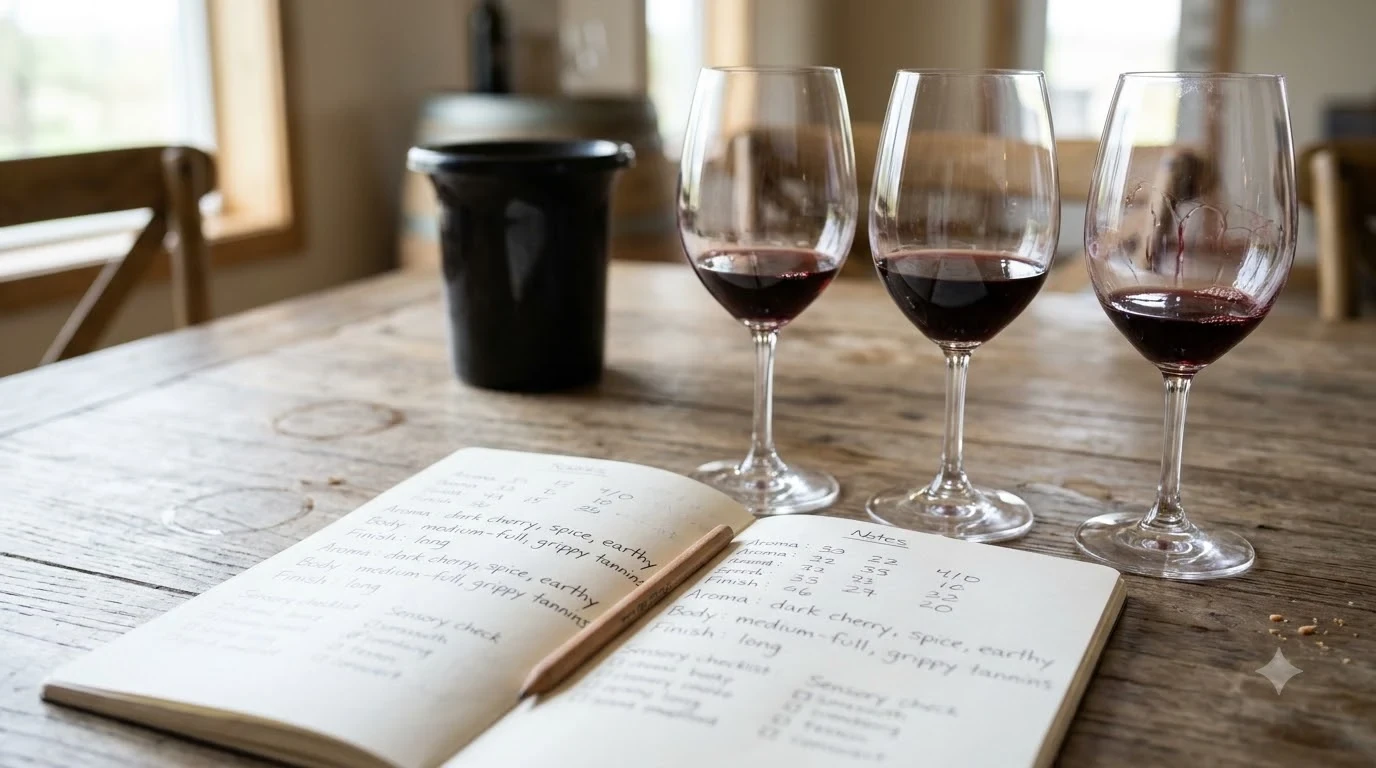
Pay attention to four characteristics: acidity, tannin, body, and finish. Acidity creates freshness, tannin contributes a drying sensation, body describes the wine’s weight on the palate, and finish refers to the flavors that remain after swallowing.
For visitors purchasing bottles to take home, consider how the wine will be served. Light whites and rosés generally work well at 45 to 50 degrees Fahrenheit, while full-bodied whites are often better around 50 to 55 degrees. Light reds can be served around 55 to 60 degrees, and fuller reds around 60 to 65 degrees.
Common Mistakes to Avoid During a Middleburg Winery Visit
The most common planning mistakes involve scheduling too many wineries, overlooking reservation policies, and choosing tasting rooms without considering the group’s wine preferences. A little preparation prevents unnecessary driving and makes each tasting more enjoyable.
Trying to visit too many wineries
Visiting five wineries in one afternoon might sound appealing, but it can make the experience feel rushed. Every tasting takes time, and the distance between rural properties can add unexpected travel time.
Two or three carefully selected destinations are generally a better choice. For example, Boxwood and Chrysalis offer a useful contrast between Bordeaux-inspired wines and Virginia Norton, while Greenhill and Cana provide another possible combination for visitors interested in different winemaking approaches.
Assuming all wineries have the same policies
Visitor rules vary considerably. Boxwood is restricted to adults aged 21 and older and does not permit pets on the property. Greenhill also operates as an adults-only venue. Chrysalis has its own arrangements for group reservations and visitor seating.
These details matter when traveling with friends, family members, or a large party. Confirm whether children, pets, outside food, and unannounced groups are permitted before making a particular winery the centerpiece of the day.
Ignoring reservation requirements
Walk-in availability should never be confused with guaranteed seating. Boxwood welcomes walk-ins but recommends reservations for its experiences. Larger groups should pay particular attention to the winery’s recommendation for parties of six or more.
Special events and busy weekends can also affect availability. Contact the tasting room directly if your group has a specific arrival time, requires accessible seating, or wants a particular experience.
Choosing wines without considering food pairings
Food can change how a wine tastes. Salt and fat soften the perception of tannin, making some full-bodied reds more approachable alongside rich dishes. Conversely, acidic foods generally work better with wines that have equal or higher acidity.
Sweet desserts need wines that are at least as sweet as the food. A dry red wine can taste harsh beside a very sweet dessert, while a suitably sweet dessert wine provides a more balanced pairing.
Spicy dishes require additional consideration because alcohol and tannin can amplify chili heat. Oily fish is also generally a difficult match for heavily tannic red wines. White wines and lighter reds are often more suitable alternatives.
Forgetting that tasting-room hours can change
Published hours are useful starting points, not a substitute for confirming a planned visit. Holiday schedules, private events, seasonal menus, and special tastings can affect normal operations.
Check each winery’s official website before leaving. This is especially important when planning to visit several wineries in a single day or traveling from outside Northern Virginia.
Wine Care and Storage Tips After Your Middleburg Visit
Buying wine at a Virginia winery is only part of the experience; proper transportation, storage, and serving help preserve the bottles for later enjoyment. Pay particular attention to temperature, sunlight, bottle position, and how quickly an opened bottle is consumed.
Transport bottles carefully
Wine should not spend extended periods in a hot vehicle. Temperature fluctuations can damage wine quality, especially during warm summer afternoons. Keep purchased bottles away from direct sunlight and avoid leaving them inside a parked car for several hours.
If visiting multiple wineries, plan to take purchased bottles back to your accommodation or home rather than leaving them in a hot trunk throughout the afternoon. A protective wine carrier can also reduce the risk of bottles knocking against each other during transportation.
Store bottles at a consistent temperature
A temperature near 55 degrees Fahrenheit is a useful general storage target for wine. Choose a dark location with stable temperatures rather than a kitchen counter, sunny windowsill, or cabinet next to an oven.
Traditional cork-sealed bottles are generally stored on their sides to keep the cork from drying out. This is particularly relevant for bottles intended for longer storage. Avoid unnecessary vibration and large temperature swings.
Serve each wine at the appropriate temperature
Serving temperature influences the way aromas, acidity, tannin, and alcohol are perceived. A heavily chilled red wine can seem muted, while a warm white wine may feel overly alcoholic and lack freshness.
Use these general serving ranges as a practical reference:
| Wine Style | Recommended Serving Temperature |
|---|---|
| Sparkling wine | 40–50°F |
| Light white wine | 45–50°F |
| Rosé | 45–50°F |
| Full-bodied white wine | 50–55°F |
| Light red wine | 55–60°F |
| Full-bodied red wine | 60–65°F |
| Sweet white wine | 43–50°F |
Preserve opened bottles
Once a bottle has been opened, oxygen begins changing the wine. Re-cork still wine and refrigerate it, even if it is a red wine. Allow the bottle to warm slightly before serving again.
As a general guideline, sparkling wine lasts approximately one to three days in the refrigerator with an appropriate sparkling-wine stopper. Still wines generally remain enjoyable for three to five days, depending on the wine and storage conditions. Fortified wines can last several weeks after opening, while bag-in-box wines may remain usable for four to six weeks after opening.
For younger, full-bodied red wines, decanting for approximately 30 to 60 minutes can help soften the wine’s initial presentation and release aromas. This is not necessary for every wine, and delicate older bottles may require a different approach.
Finally, use appropriate glassware and moderate pours. A standard wine serving is approximately five ounces, and a 750 ml bottle provides roughly five standard glasses. Smaller pours make it easier to compare several wines during a tasting without becoming overwhelmed by the differences between them.
Frequently Asked Questions
What is the Middleburg Virginia AVA?
The Middleburg American Viticultural Area is a recognized wine-growing region in Northern Virginia. It was established in 2012 and covers approximately 198 square miles across parts of Loudoun and Fauquier counties. Its boundaries include landscapes between the Potomac River and the Blue Ridge Mountains.
What makes Norton wine different from Cabernet Sauvignon?
Norton is an American grape variety with a long association with Virginia wine production, whereas Cabernet Sauvignon originated in France’s Bordeaux region. They have different genetic backgrounds and typical flavor profiles. Norton provides an opportunity to explore a distinctly American wine tradition rather than simply comparing familiar European varieties.
Can visitors buy wine directly from Middleburg wineries?
Yes. Several Middleburg wineries offer direct wine purchasing through their tasting-room operations and online stores. For example, Chrysalis Vineyards and Greenhill Vineyards publish dedicated wine selections on their websites. Availability for individual bottles and wine club offerings can differ between producers.
Is Middleburg suitable for a weekend wine getaway?
Yes. Middleburg has accommodation options, restaurants, historic attractions, and countryside activities that complement winery visits. Salamander Middleburg and Goodstone Inn are two notable hospitality properties identified by Visit Loudoun. Staying overnight also removes the need to rush back to Washington, DC, after an afternoon of tastings.
Are Middleburg wineries part of the larger Loudoun wine region?
Yes. Middleburg is part of Loudoun County’s broader wine tourism destination, commonly promoted as DC’s Wine Country. The wider region includes wineries in Leesburg, Purcellville, Hillsboro, Bluemont, and other communities. Visitors can extend a Middleburg-focused trip to explore additional Northern Virginia producers without limiting themselves to the immediate town area.
The best Middleburg wineries offer a rewarding introduction to Virginia wine, from Boxwood’s Bordeaux-inspired estate wines and Chrysalis’s Norton selections to Greenhill’s sparkling and white wines. Select two or three destinations that match your preferences, confirm reservations and opening hours, and leave time to enjoy Middleburg’s historic downtown. With a thoughtful itinerary and safe transportation, a visit to this Northern Virginia wine region can become a memorable countryside getaway.
More in Wine Buying Guides
 Cheap Red Blend: How to Find a Flavorful Bottle for LessUpdated Nov 20, 2026
 Pinot Grigio Gift: How to Choose a Bottle They’ll EnjoyUpdated Nov 20, 2026
 Best White Wine at Total Wine for Every MealUpdated Nov 20, 2026
 Wine Fridge Replacement Shelves: Find the Right FitUpdated Nov 20, 2026
 Best Sparkling Wine Under 20: Find Bubbles Worth BuyingUpdated Nov 20, 2026
 Best Wine For Birthday Celebrations With Perfect Party PairingsUpdated Nov 20, 2026