

We may earn a commission when you buy through links on this page, at no extra cost to you. Learn more.
The best maipo valley wineries include Concha y Toro, Santa Rita, Cousiño Macul, Pérez Cruz, Haras de Pirque, and smaller producers such as Antiyal and De Martino. Each offers a different introduction to Chile’s historic Cabernet Sauvignon country, from established estate visits and traditional cellars to smaller-scale winemaking and vineyard-focused experiences. The right choice depends on your preferred wines, available time, transportation, and interest in wine tourism.
South and southeast of Santiago, the Maipo Valley offers one of Chile’s most rewarding wine destinations. Its proximity to the capital makes it possible to visit established vineyards without planning an extended journey, while its different growing areas provide plenty of variety for serious wine enthusiasts. Cabernet Sauvignon is the region’s signature grape, but visitors can also explore Merlot, Carmenere, Syrah, and other wines. Choosing a winery by location and tasting style makes a substantial difference to the experience.
Who Should Visit Maipo Valley Wineries
Maipo Valley is particularly suitable for travelers who want to understand Chilean Cabernet Sauvignon while experiencing the country’s historic wine culture. Its wineries accommodate different interests, including first-time visitors, experienced collectors, architecture enthusiasts, and travelers looking for a relaxed day outside Santiago.
First-time visitors will generally appreciate the established visitor programs at Concha y Toro and Santa Rita. Both provide an organized introduction to Chilean winemaking, with opportunities to explore winery grounds, learn about production, and taste representative wines. Concha y Toro is a recognizable starting point for anyone interested in Chilean wine history and its international reputation. Santa Rita offers another compelling experience, particularly for visitors who appreciate historic estates and landscaped grounds.
Wine enthusiasts with a stronger interest in Cabernet Sauvignon should consider exploring the eastern and higher-elevation parts of the valley. The Maipo Andes area is particularly associated with structured red wines, making it an appealing destination for people who enjoy comparing regional expressions of Cabernet. Pérez Cruz and Haras de Pirque are useful names to investigate when researching this part of the region.
Travelers who prefer smaller-scale producers may find Antiyal, Aquitania, or De Martino more interesting than a large visitor center. These wineries offer opportunities to investigate different winemaking approaches and vineyard identities. Their locations also help demonstrate that Maipo is not a single uniform destination: Peñalolén, Pirque, Paine, and Isla de Maipo have distinct geographical settings and visiting logistics.
The region also works for visitors with limited time. Cousiño Macul is within Santiago’s urban area, while Pirque is accessible from the city’s Metro network with an additional local transfer. A half-day visit can therefore fit into a larger Santiago itinerary without requiring an overnight stay.
Anyone planning to taste several wines should arrange transportation rather than driving after a tasting. Chile Travel specifically recommends considering an organized tour or designated driver. Its Maipo Valley destination guide also emphasizes advance reservations, especially during busy travel periods.
Key Factors to Compare When Choosing a Winery
The strongest winery choice combines a suitable wine selection with a convenient location and an appropriate visitor experience. Comparing Cabernet Sauvignon styles, tasting formats, estate settings, and transportation options helps narrow down the possibilities before making a reservation.
Start with the winery’s location. Peñalolén is convenient for visitors staying in Santiago, while Pirque provides access to several foothill estates. Buin and Paine are more appropriate for a dedicated wine-country day, and Isla de Maipo and Talagante offer another route through the lower valley. These areas should not be treated as interchangeable stops, especially when public transportation is involved.
Next, consider the wine itself. Maipo is closely associated with Cabernet Sauvignon, but the wineries do not all present the same interpretation of the grape. Look for tastings that explain vineyard location, grape sourcing, aging choices, and differences between entry-level and premium wines. A guided tasting with meaningful comparisons is generally more useful than simply sampling several unrelated bottles.
The visitor program is another important consideration. Some estates emphasize heritage buildings and historic cellars, while others focus more heavily on vineyards, contemporary architecture, and production methods. A longer visit may include gardens, museums, cellar access, and several wines. A shorter appointment might concentrate on the vineyard and a guided tasting.
Use the following comparison to identify a practical starting point. These are established winery identities and locations rather than a claim that every visitor will prefer the same producer.
| Winery | Location | Best suited to | Primary consideration |
|---|---|---|---|
| Concha y Toro | Pirque | First-time visitors | Recognizable estate and structured visitor programs |
| Santa Rita | Alto Jahuel, Buin | History and estate scenery | Historic cellar and heritage gardens |
| Cousiño Macul | Peñalolén | Short visits from Santiago | Convenient urban location |
| Pérez Cruz | Paine | Cabernet-focused enthusiasts | Maipo Andes wine-country setting |
| Haras de Pirque | Pirque | Foothill winery exploration | Distinctive Pirque location |
| Antiyal | Paine | Smaller-producer exploration | Independent winery experience |
| De Martino | Isla de Maipo | Wine-focused travelers | Lower-valley location |
| Aquitania | Peñalolén | Boutique winery visits | Small-scale production identity |
Language and reservation arrangements also deserve attention. Visitors who prefer English should confirm the language of the specific departure rather than assume every tasting is bilingual. Ask whether the experience includes transportation, the number of wines, vineyard access, and the expected duration. A three-wine introductory tasting is a different proposition from a premium session involving several wines and additional cellar access.
Finally, consider the food program. Some winery visits concentrate on wine education, while others may include a restaurant, picnic, or food-pairing experience. If lunch is important, verify whether it is included or needs a separate reservation. This matters particularly for full-day excursions outside Santiago.
Tip: Choose your winery area before selecting individual estates. Pirque, Peñalolén, Buin, Paine, and Isla de Maipo are easier to explore as separate outings than as an improvised multi-stop itinerary.
Step-by-Step: How to Plan a Maipo Valley Wine Visit
A successful winery visit starts with a realistic schedule rather than an ambitious list of famous names. Choose an area, identify one or two suitable estates, confirm reservations, and arrange transportation before the tasting day.
-
Decide which wines interest you most.
Cabernet Sauvignon should be a priority for visitors interested in Maipo’s identity. However, people who prefer softer reds may also want to investigate Merlot, while those interested in different Chilean varieties can ask about Carmenere and Syrah. Write down two or three wine styles you want to compare before contacting wineries.
-
Select a geographical area.
Choose Peñalolén for convenience from central Santiago, Pirque for a foothill setting, Buin or Paine for a longer estate visit, or Isla de Maipo for a lower-valley experience. Santiago’s official tourism directory provides a useful starting list of local producers and their addresses.
-
Shortlist two wineries at most.
For a first visit, Concha y Toro and Santa Rita are strong candidates because their established visitor experiences provide an organized introduction. More experienced visitors might prefer Pérez Cruz, Haras de Pirque, Antiyal, or Aquitania, depending on the wines and experiences available.
-
Compare the actual tasting programs.
Check the number of wines, duration, available languages, vineyard access, and whether the experience includes a guided cellar visit. For example, VIVE Santiago describes a Concha y Toro Premium Sensory experience lasting approximately five to six hours with four wine tastings. That is substantially different from a short tasting appointment.
-
Reserve directly or through a reputable tour operator.
Confirm the date, starting time, group size, cancellation terms, and any age restrictions. Advance booking is particularly important during harvest season in March and April, when interest in vineyard visits can increase.
-
Organize transportation before tasting.
Visitors can reach some destinations using public transportation and a short taxi or local transfer. However, connecting wineries in separate areas can be time-consuming. A private driver or organized excursion is a practical alternative for people planning multiple tastings.
-
Arrive prepared and pace the tasting.
Wear comfortable shoes, allow time for outdoor walking, and take notes about the wines. If a tasting includes four or more wines, focus on differences in acidity, tannin, fruit character, and finish rather than trying to remember every detail afterward.
For additional planning ideas, the wine-buying resources offer useful background on evaluating wine styles and making informed choices. Travelers comparing Chile with other international wine destinations may also enjoy researching the best Napa Valley wineries before deciding how to organize a wider wine-focused vacation.
Types of Maipo Wineries and Wine Styles Explained
Maipo is best understood through its different growing areas and winery identities. Alto Maipo is especially important for Cabernet Sauvignon, while the broader valley contains established estates, smaller producers, and wineries with different approaches to winemaking and tourism.
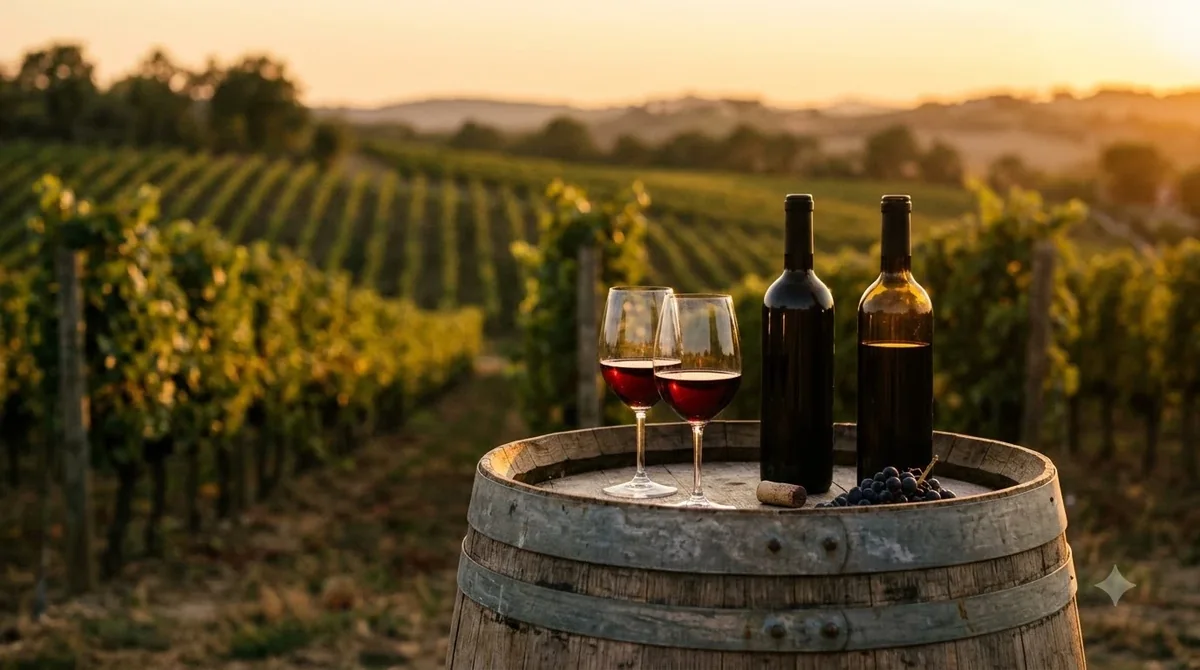
Alto Maipo and the Andean foothills
Alto Maipo is the area most closely associated with the valley’s reputation for Cabernet Sauvignon. Its position near the Andes gives it a distinctive mountain-influenced setting, and its red wines are frequently sought by enthusiasts who appreciate structure, concentration, and aging potential.
Pérez Cruz in Paine is a useful winery to investigate when exploring this part of Maipo. Haras de Pirque in Pirque is another important name for visitors interested in the foothill wine country. Rather than choosing solely by reputation, ask about the specific vineyard origin and grape composition of the wines included in each tasting.
Cabernet Sauvignon typically has relatively high tannin, which contributes structure and a drying sensation on the palate. Its character can include blackcurrant, dark cherry, cedar, and herbal notes, depending on the wine’s origin and winemaking. These characteristics make it a particularly interesting match for grilled beef, lamb, and other richly flavored foods.
Historic estate wineries
Visitors interested in architecture, heritage, and traditional wine tourism should consider Santa Rita and Concha y Toro. These established names provide structured ways to understand Chilean wine production, and their visitor experiences are suitable for people who want more than a tasting counter.
Santa Rita is particularly associated with its Cellar of the 120 Patriots and heritage gardens. The estate’s historical setting gives visitors a reason to explore beyond the wines themselves. Its location in Alto Jahuel, Buin, also makes it a natural choice for a dedicated day outside Santiago.
Concha y Toro in Pirque is another recognizable destination. Its visitor experiences can include educational presentations about winemaking and guided tastings. It is an especially useful introduction for travelers who have encountered Chilean wines internationally but want to understand the producer behind familiar labels.
Boutique and smaller producers
Travelers who enjoy discovering less familiar producers should investigate Antiyal, Aquitania, and De Martino. Their different locations provide an opportunity to compare the wine identities of Paine, Peñalolén, and Isla de Maipo rather than concentrating exclusively on the largest estates.
Aquitania is particularly convenient for travelers staying in Santiago because it is located in Peñalolén. Antiyal is in Paine, while De Martino is in Isla de Maipo. Each represents a different geographical route, so visitors should compare the actual tasting schedules before building an itinerary.
Other names worth investigating include Undurraga in Talagante, Pérez Cruz in Paine, El Principal in Pirque, and Tarapacá in Isla de Maipo. These wineries expand the possibilities for visitors who want to compare different producers and wine styles rather than simply visit the most recognizable destination.
Other grapes worth exploring
Although Cabernet Sauvignon is the region’s leading reference point, visitors should not overlook other red varieties. Merlot generally offers softer tannins and a rounder impression, while Syrah can deliver dark fruit, spice, and considerable structure. Carmenere is another important Chilean grape, often associated with ripe fruit, herbal notes, and distinctive spice.
White wine drinkers can also find options in the wider Santiago wine region, although Maipo’s reputation is much more strongly associated with reds. When tasting white wines, Sauvignon Blanc generally offers high acidity and fresh citrus or herbal character, while Chardonnay can show a broader texture and more moderate acidity. Asking the winery which grapes are produced locally and which come from other Chilean regions helps make the comparison more meaningful.
Visitors interested in exploring a different American wine-growing region can also compare the valley with the best Willamette Valley wineries, where Pinot Noir and cool-climate expressions provide a useful contrast to Maipo’s Cabernet-focused identity.
Common Mistakes When Choosing Maipo Wineries
The biggest planning mistakes involve trying to visit too many estates, overlooking transportation, and assuming that every winery offers the same experience. A more selective itinerary usually produces better conversations, more meaningful tastings, and less time spent traveling between appointments.
Trying to visit four or five wineries in one day: A winery visit involves more than the time spent drinking wine. Tours may include vineyard walks, cellar explanations, historical presentations, and transportation. Two carefully selected wineries are generally a more sensible target than attempting to squeeze in several appointments. A single estate can also provide enough information and wine comparisons for an enjoyable day.
Ignoring distances between communes: Maipo stretches around the southern and eastern edges of Santiago. A winery in Peñalolén is not automatically convenient to one in Isla de Maipo simply because both belong to the same wine region. Visitors should group estates by geographical area and account for traffic and local transfers.
Choosing solely by international reputation: The best-known winery is not necessarily the best match for every visitor. Concha y Toro is a recognizable starting point, but someone particularly interested in smaller producers may prefer investigating Antiyal or Aquitania. Similarly, someone interested in estate history may enjoy Santa Rita more than a tasting focused primarily on wine production.
Failing to distinguish between tasting formats: A standard tasting, a premium tasting, and a vineyard tour can provide very different levels of access. Before reserving, determine whether the experience includes cellar access, vineyard walking, a guided explanation, and the wines you actually want to sample.
Assuming every winery accepts walk-ins: Organized visitor programs operate according to schedules and capacity. Arriving without a reservation can lead to disappointment, particularly during busy weekends and harvest season. Contact the winery in advance and confirm the appointment details.
Underestimating the weather: Outdoor vineyard walks can be exposed to direct sun, while cellar spaces may feel cooler. Visitors should bring comfortable walking shoes, sun protection, and an additional layer of clothing for indoor visits. Comfortable clothing also makes a longer excursion more enjoyable.
Driving between tastings: Wine tourism should be planned around responsible transportation. Arrange an experienced driver, an organized excursion, or another suitable way to return to Santiago. This is particularly important when a full-day itinerary includes several tastings.
Overlooking smaller wineries: Some travelers concentrate entirely on famous estates and miss the opportunity to discover other producers. Names such as Haras de Pirque, De Martino, and Pérez Cruz are worth investigating when building a more varied itinerary. Confirm visitor availability because not every producer operates the same type of public tasting program.
Wine Care and Storage Tips After Your Visit
Buying wine during a Maipo Valley visit can be a rewarding way to remember the trip, but proper handling matters once the bottles leave the estate. Protecting wine from excessive heat, temperature changes, and unnecessary light helps preserve its intended character.
If you purchase a Cabernet Sauvignon or another age-worthy red, avoid leaving it in a hot vehicle or exposed to direct sunlight. A parked car can become considerably warmer than the outside temperature, especially during the Chilean summer. Keep purchases in a protected, temperature-controlled space during transportation whenever possible.
For longer storage, bottles with natural cork closures should generally be kept on their sides. A cool environment near 55 degrees Fahrenheit is a useful target, with limited temperature fluctuation and protection from strong light. Avoid placing bottles near ovens, radiators, or other heat-producing appliances.
Serving temperature also influences how a wine tastes. Full-bodied reds such as Cabernet Sauvignon are generally best served around 60 to 65 degrees Fahrenheit rather than at a warm room temperature. If a bottle has been stored in a warm room, a short period of refrigeration can bring it closer to the desired serving range.
Young, full-bodied reds may benefit from decanting for approximately 30 to 60 minutes before serving. This can soften the initial impression and allow aromatic characteristics to develop. Older bottles require more caution because extended exposure to oxygen can cause delicate aromas and flavors to fade.
Food pairing is another useful way to enjoy the wines purchased in Maipo. Cabernet Sauvignon works well with grilled steak, roast beef, and lamb because the protein and fat in these foods help soften the perception of tannin. Merlot can pair with roast chicken, mushroom dishes, and moderately rich pasta preparations. For a more varied dinner, compare two different Maipo reds alongside the same dish and observe how their acidity and tannin change the overall experience.
After opening a still red wine, reseal the bottle and refrigerate it. Most opened still wines retain their best qualities for approximately three to five days, depending on the wine and storage conditions. Allow refrigerated reds to warm slightly before serving again.
Travelers bringing bottles home should also plan for airline baggage restrictions and protective packaging. Use purpose-made wine sleeves or sturdy bottle protectors, and confirm the relevant airline and customs rules before purchasing several bottles. A little preparation helps prevent an enjoyable winery purchase from becoming a damaged bottle during the journey.
Frequently Asked Questions
What makes Maipo Valley Cabernet Sauvignon distinctive?
Maipo’s Cabernet Sauvignon is closely associated with the region’s mountain-influenced growing conditions and long-established viticultural identity. The grape often displays blackcurrant, dark cherry, cedar, and herbal characteristics. Wines from different parts of the valley can show meaningful differences in structure and ripeness, making regional comparisons particularly interesting.
Can Maipo Valley wines be aged for several years?
Some premium Cabernet Sauvignon wines from Maipo are suitable for extended cellaring, although aging potential depends on the individual wine’s structure, vintage, and production choices. Look for information about the producer’s intended drinking window rather than assuming every Cabernet is designed for long-term storage. Proper storage conditions are essential for preserving bottles over several years.
What is the difference between Maipo and Maipo Andes on a wine label?
Maipo refers to the broader wine region, while Maipo Andes is a geographical designation associated with its eastern, mountain-influenced areas. The distinction can help consumers understand where the grapes originate and why wines may differ in structure and style. It is useful information when comparing Cabernet Sauvignon bottles from different producers.
Is Maipo Valley suitable for a wine-focused honeymoon?
Yes. Its proximity to Santiago makes it possible to combine winery visits with city restaurants, cultural attractions, and mountain excursions. Couples can choose a private winery experience, a leisurely estate lunch, or a guided tasting without needing to organize an extended journey through Chile’s wine country.
Which foods are traditional companions for Chilean Cabernet Sauvignon?
Grilled beef, lamb, empanadas filled with meat, and other savory Chilean dishes are natural companions for structured Cabernet Sauvignon. Pebre, a Chilean condiment made with ingredients such as tomato, cilantro, onion, and chili, can also accompany a meal, although very spicy preparations may make high-alcohol wines taste hotter. Choose dishes with enough richness to balance the wine’s tannin.
The best Maipo Valley wineries offer several ways to discover Chilean wine, from the historic grounds of Santa Rita and the recognizable visitor experience at Concha y Toro to the smaller-scale identities of Antiyal, Aquitania, and De Martino. Choose your preferred wine style, group visits by location, and reserve transportation before planning your tastings. With a thoughtful itinerary, Maipo provides an excellent introduction to Chilean Cabernet Sauvignon and the country’s wider wine culture.
More in Wine Buying Guides
 Riesling Gift: Choose a Bottle They’ll LoveUpdated Nov 21, 2026
 Sweet Red Wine Gift: Choose a Bottle They’ll LoveUpdated Nov 21, 2026
 Malbec Gift: How to Choose a Memorable Bottle for Any OccasionUpdated Nov 21, 2026
 Sherry Gift Ideas That Match Every Wine LoverUpdated Nov 21, 2026
 Moscato Gift: How to Choose a Sweet Wine They’ll LoveUpdated Nov 21, 2026
 Merlot Gift: How to Choose a Bottle They’ll AppreciateUpdated Nov 21, 2026