

We may earn a commission when you buy through links on this page, at no extra cost to you. Learn more.
The best Lodi wineries combine old-vine heritage with a wide range of tasting rooms, from large family estates to small boutique producers, and the region is especially known for Zinfandel grown on vines that are decades old. Lodi sits at the northern edge of California’s San Joaquin Valley, where breezes from San Francisco Bay moderate the heat and summer fog is common. The Lodi AVA was established in 1986, and its overview lists more than 60 grape varieties. This guide explains what sets Lodi apart, how to choose among its wineries, and how to plan a visit that suits your taste.
Lodi is often overlooked by visitors who head straight to the coast or to Napa Valley, which is part of its appeal. The tasting rooms are easy to reach, the pace is relaxed, and the region’s wines cover a broader range of grapes than many people expect. The sections below explain the region’s character, compare the main styles of visit, and give practical steps for building a day around the wineries that interest you.
What Makes Lodi Different
The Lodi AVA was established in 1986 and covers a large area of the Central Valley. Its climate is shaped by the delta and bay breezes that reach the valley, which bring cooling influence and frequent summer fog. The region has roughly 3,570 growing degree days and about 279 frost-free days each year, according to the regional overview of the Lodi AVA.
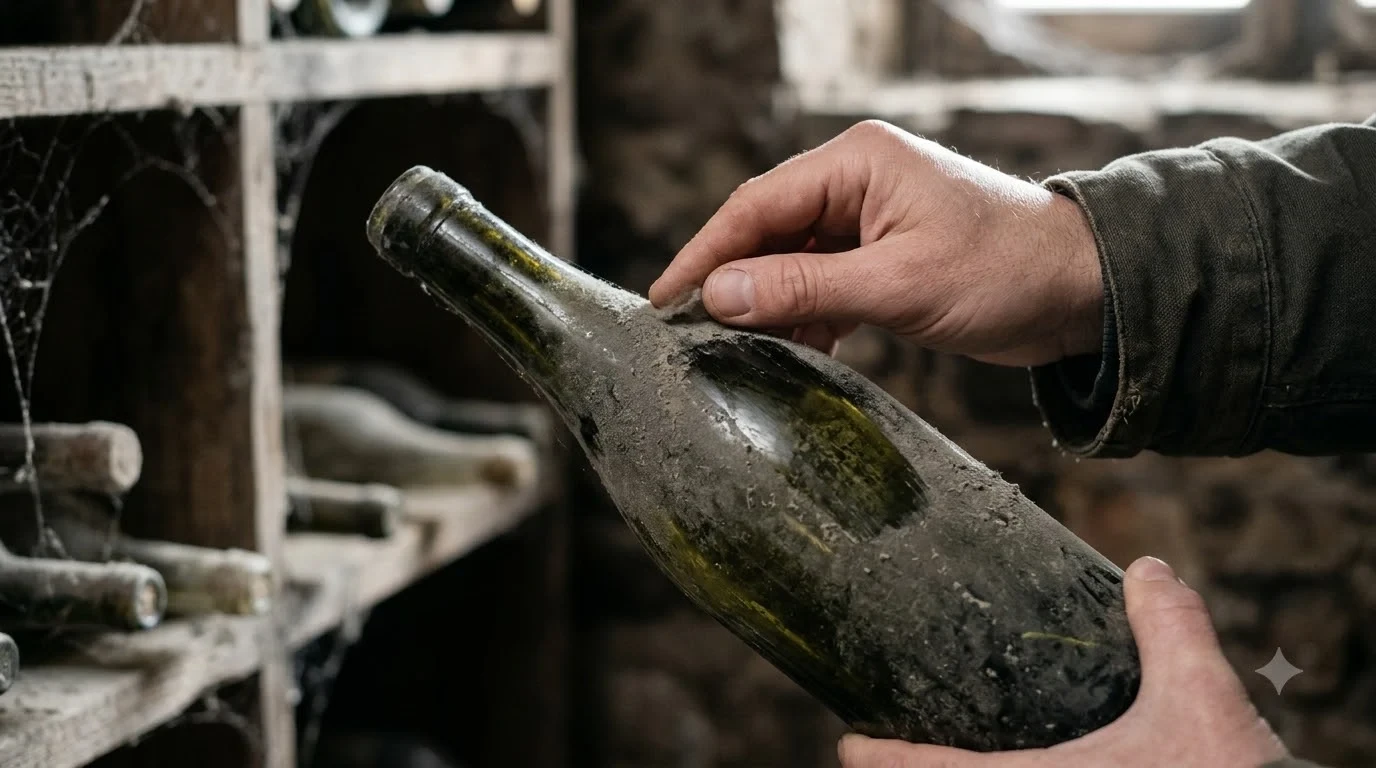
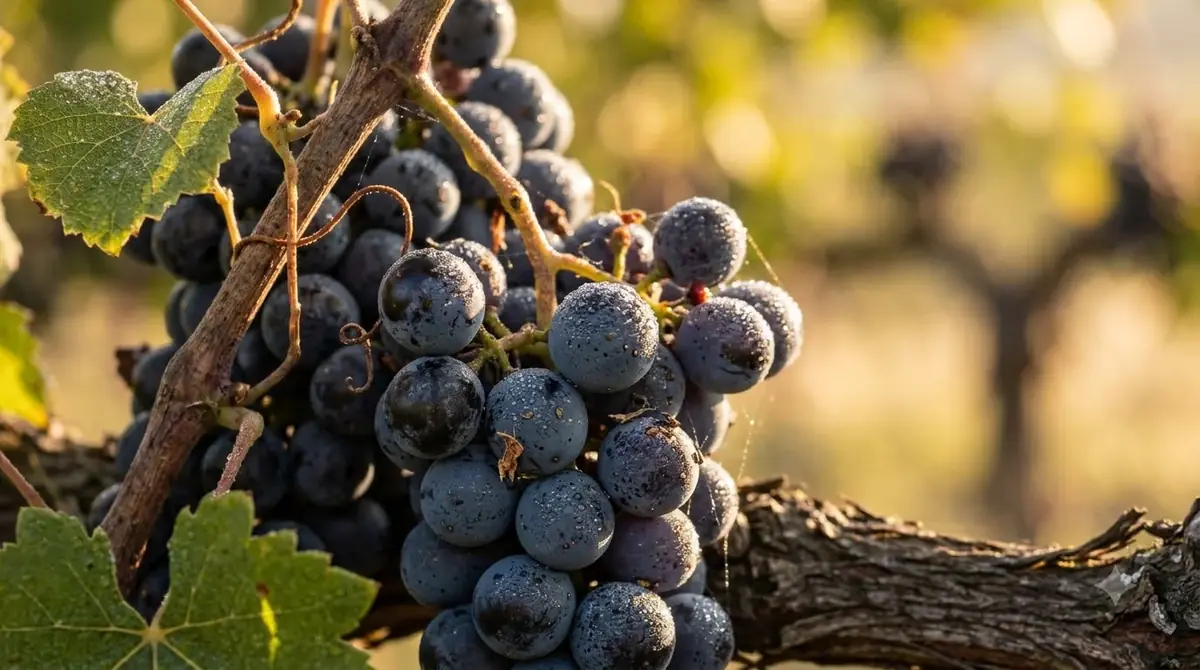
The soils are mainly alluvial fan and terrace deposits, and the area is known for its old vines. Historically, Lodi was known for Flame Tokay and old-vine Zinfandel, and the region also produces large quantities of Merlot, Chardonnay, Cabernet Sauvignon and Sauvignon Blanc. The overview also notes notable Albariño plantings. That variety range is one reason Lodi tasting rooms can feel so different from one another.
Quick Comparison of Visit Styles
Lodi’s wineries are not all alike. Some are large family operations with production facilities and extensive tasting menus, while others are small boutique rooms that focus on a handful of wines. The table below compares the styles you are most likely to encounter.
| Visit style | What you will usually find | Good fit for |
|---|---|---|
| Large family estates | Broad lineups across red, white and specialty bottlings, with full tasting menus | Groups and visitors who want variety in one stop |
| Small boutique tasting rooms | Limited releases and a few carefully made wines, often from a single vineyard | Visitors who want a personal, unhurried tasting |
| Visitor center guided tastings | Guided flights that introduce the region’s grapes and styles | First-time visitors who want context before choosing wineries |
Best for Old-Vine Zinfandel and Red Wines
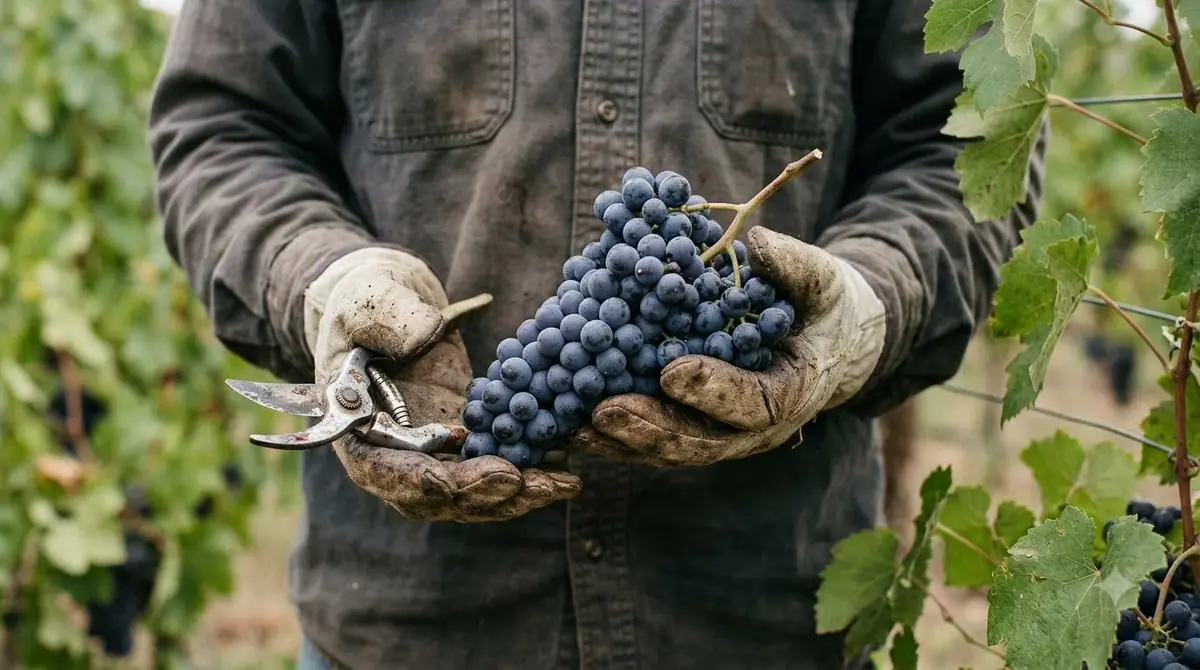
Zinfandel is the variety most often linked with Lodi’s identity. The region’s older vines produce wines with ripe, concentrated fruit and a firm structure, and many visitors come specifically to taste red wines made from these plantings. Asking a tasting room which bottles come from old vines is a simple way to find the most characteristic wines in the region.
Michael David Winery, based in Lodi, is one of the producers named on the Lodi Winegrape Commission’s website, which also lists m2 Wines in Acampo and Bokisch Vineyards in Lodi. These names give a sense of the range you can expect, from larger family-run estates to smaller operations. The Lodi Winegrape Commission’s site is a good place to check current wineries, the Wine Visitor Center and tasting information before you travel.
Best for Variety and a Full Tasting Menu
If you want to taste a wide range of wines in one stop, look for a larger family estate with a full tasting menu. These rooms usually offer whites, rosés and reds, along with specialty bottlings that show what the region can do beyond its best-known grape. They are a good choice for mixed groups, since each guest can find a favorite without leaving the same tasting room.
The Lodi Winegrape Commission also runs a Wine Visitor Center, which offers guided tastings led by staff. A guided flight is often the best way to start a visit, because it gives you a framework for comparing the wines you taste later at individual wineries.
Best for a Personal, Small-Producer Experience
Lodi also has small boutique tasting rooms that focus on a few wines, often made in small batches. These visits are slower and more personal. Staff can usually explain where the fruit comes from, how the wine was made and what it pairs with, which makes the experience useful for anyone who wants to learn as they taste.
Small producers also tend to keep limited bottles on hand, so buying a few bottles on the day can be a rewarding part of the trip. Ask whether the wine is available for shipping or pickup, and keep the bottle’s label and vintage in mind if you want to order it later.
Planning a Day Among Lodi’s Wineries
Lodi is spread across a broad area, and the distances between tasting rooms can be longer than they appear on a map. A comfortable day usually means choosing three or four stops that are reasonably close together and allowing time for a meal between them. The steps below help you build a route that works.
- Start at the Wine Visitor Center. A guided tasting gives you context for the region’s varieties and styles before you visit individual wineries.
- Group your wineries. Choose stops that are close to each other so you spend more time tasting and less time driving between them.
- Confirm hours before you leave. Tasting rooms set their own schedules, and some close early or require reservations on busy days.
- Pace yourself. Each pour is small, but several in a row add up. Share flights when you can, drink water between stops, and use a designated driver or a ride service.
Tip: Ask staff which bottles come from the oldest vines on the property. Those are often the wines that best show the region’s character, and they make a memorable choice to take home.
How to Choose the Right Winery
The right winery depends on what you want from the visit. The table below lists common goals and the type of tasting room that usually fits them best.
| Your goal | What to look for | Why it helps |
|---|---|---|
| Taste classic Lodi reds | Old-vine Zinfandel and red blends | You can compare how vine age shapes the wine |
| Try many styles in one stop | Large estates with full tasting menus | Mixed tastes are easier to satisfy in one place |
| Learn about the region | Visitor center guided flights | You get context before you choose where to go next |
| Have a personal visit | Small boutique rooms with limited releases | Staff can share details about the fruit and winemaking |
If you are comparing Lodi with other regions, the Paso Robles winery picks show another California region with a strong focus on red wine, and the Temecula winery guide covers a region that also balances large estates with small producers. For background on reading labels and matching wine to food, the wine-buying guide is a useful next step.
Frequently Asked Questions
What is Lodi best known for?
Lodi is best known for old-vine Zinfandel and for a broad range of grapes, including Merlot, Chardonnay, Cabernet Sauvignon and Sauvignon Blanc. The region also has a growing reputation for Albariño.
How many wineries are in Lodi?
The regional overview describes more than 85 vineyards and wineries in the Lodi area, ranging from large family estates to small boutique tasting rooms. Check the Lodi Winegrape Commission’s listings for current names and hours.
Is Lodi a good choice for a first wine trip?
Yes, especially if you start at the Wine Visitor Center for a guided tasting. Choose two or three wineries with different styles to learn what you enjoy most.
Do I need reservations to visit Lodi wineries?
It depends on the winery and the day. Some tasting rooms accept walk-ins, while others prefer appointments, especially on weekends and during busy seasons. Call ahead or check the winery’s website before you travel.
Lodi rewards visitors who plan a focused day and taste across the range, from old-vine Zinfandel to bright whites and specialty bottlings. Start with a guided tasting if you are new to the region, confirm each winery’s hours and reservation rules, and keep the route short. A relaxed afternoon with two or three well-chosen stops often leaves a stronger impression than a rushed tour of many.
More in Wine Buying Guides
 Riesling Gift: Choose a Bottle They’ll LoveUpdated Nov 21, 2026
 Sweet Red Wine Gift: Choose a Bottle They’ll LoveUpdated Nov 21, 2026
 Malbec Gift: How to Choose a Memorable Bottle for Any OccasionUpdated Nov 21, 2026
 Sherry Gift Ideas That Match Every Wine LoverUpdated Nov 21, 2026
 Moscato Gift: How to Choose a Sweet Wine They’ll LoveUpdated Nov 21, 2026
 Merlot Gift: How to Choose a Bottle They’ll AppreciateUpdated Nov 21, 2026