

We may earn a commission when you buy through links on this page, at no extra cost to you. Learn more.
The best hunter valley wineries include Tyrrell’s Wines, Brokenwood Wines, Audrey Wilkinson, Margan Wines, Krinklewood Biodynamic Vineyard and Peterson House, offering excellent opportunities to discover Australian Semillon, Shiraz, sparkling wine and distinctive vineyard experiences. The Hunter Valley in New South Wales is Australia’s oldest wine-growing region, with more than 150 cellar doors and three distinctive wine areas: Pokolbin, Lovedale and Broke-Fordwich. The right wineries to visit depend on whether you prefer historic producers, traditional varieties, scenic views, sustainable winemaking or memorable food and wine experiences.
Planning a Hunter Valley wine trip means choosing between established family wineries, contemporary tasting rooms, boutique vineyards and destinations with restaurants or beautiful countryside settings. Rather than trying to visit every cellar door, focus on a handful of producers that offer different perspectives on the region. This guide explains which wineries deserve consideration, what makes each one distinctive and how to organize a rewarding tasting itinerary.
Who Should Visit Hunter Valley Wineries
The Hunter Valley is an excellent destination for wine enthusiasts interested in regional Australian wines, especially Semillon and Shiraz. Its combination of historic producers, boutique estates, vineyard restaurants and scenic countryside also makes it appealing to visitors looking for more than a traditional wine tasting.

First-time visitors should begin with Pokolbin, the region’s best-known wine area and home to a particularly high concentration of cellar doors. Producers such as Tyrrell’s Wines, Brokenwood Wines and Audrey Wilkinson provide different introductions to the Hunter’s wine heritage. Tyrrell’s is particularly interesting for people who want to understand the region’s long-standing relationship with Semillon, while Brokenwood offers a more contemporary cellar-door environment. Audrey Wilkinson is a strong choice for visitors who value vineyard scenery as much as the wines themselves.
Experienced wine collectors may prefer to build their itinerary around specific producers and wine styles. A tasting at Tyrrell’s can introduce visitors to established Semillon bottlings, while a visit to Margan offers opportunities to explore traditional Hunter varieties alongside alternatives such as Barbera and Albariño. Those interested in sparkling wine can include Peterson House, while visitors looking for a more distinctive farming and dining experience should consider Broke-Fordwich.
The region also works well for couples, small groups and food-focused travelers. Margan combines its cellar door with a restaurant built around estate-grown produce, while Winmark Wines pairs wine with sculpture and contemporary art. Visitors who prefer a quieter country setting can explore Lovedale and Broke-Fordwich rather than concentrating exclusively on Pokolbin.
For American visitors, the Hunter Valley offers an opportunity to understand an important Australian wine region beyond the better-known Barossa Valley and Margaret River. Its Semillon is particularly distinctive, and the region’s warm growing conditions produce a recognizable expression of Shiraz. Readers comparing international wine destinations may also enjoy exploring the best Napa Valley wineries or the best Willamette Valley wineries to understand how different climates influence regional wine styles.
Key Factors to Compare When Choosing a Winery
The best winery for a visit depends on its wine selection, tasting format, location, atmosphere and additional experiences. Comparing these factors before leaving your accommodation helps create a manageable itinerary rather than an exhausting sequence of similar tastings.
Start with the wines. Semillon and Shiraz should be priorities for a traditional Hunter Valley introduction, but Chardonnay, Verdelho, Cabernet Sauvignon and sparkling wines add variety. Some producers emphasize established regional styles, while others introduce alternative grape varieties or different approaches to farming and winemaking. Choose wineries that offer contrasting selections rather than visiting several places with almost identical tasting lists.
Next, consider the cellar-door experience. Some wineries focus on structured guided tastings, while others offer outdoor seating, vineyard walks, restaurants or opportunities to explore the production process. Tyrrell’s, for example, has guided experiences with different levels of wine selection. Margan combines tastings with estate-grown food and a restaurant. These differences can make a considerable impact on the overall visit.
Location is equally important. Pokolbin is a practical starting point because of its concentration of wineries, restaurants and accommodation. Lovedale offers another collection of established and boutique cellar doors, while Broke-Fordwich provides a more rural atmosphere and opportunities to explore sustainable farming and distinctive vineyard sites.
| Comparison factor | What to look for | Hunter Valley example |
|---|---|---|
| Regional wine styles | Semillon and Shiraz selections | Tyrrell’s Wines |
| Wine heritage | Historic producer and traditional wines | Tyrrell’s Wines, established 1858 |
| Scenery | Elevated vineyard views | Audrey Wilkinson |
| Sparkling wine | White, blush and red sparkling styles | Peterson House |
| Food and wine | Restaurant and estate-grown produce | Margan Wines |
| Sustainable farming | Organic and biodynamic practices | Krinklewood Biodynamic Vineyard |
| Art and atmosphere | Sculpture and gallery experiences | Winmark Wines |
| Regional exploration | Multiple cellar doors and local experiences | Pokolbin, Lovedale and Broke-Fordwich |
Booking arrangements deserve attention as well. Some wineries prefer advance reservations, particularly for premium experiences or small-group tastings. Tyrrell’s, for example, offers scheduled tasting sessions at 10:00 a.m., 11:15 a.m., 12:30 p.m., 1:45 p.m. and 3:00 p.m. These set times make it easier to plan the rest of the day around a confirmed appointment.
For additional background on the region’s established producers and cellar-door experiences, consult the official Visit NSW Hunter Valley winery recommendations. The regional overview provides useful distinctions between Pokolbin, Lovedale and Broke-Fordwich.
Step-by-Step: Planning a Hunter Valley Winery Visit
A successful Hunter Valley wine trip begins with a clear route and a manageable number of tasting appointments. Three carefully selected wineries can provide a better experience than attempting to visit six or seven cellar doors in a single afternoon.

-
Choose your starting area.
Begin by deciding whether Pokolbin, Lovedale or Broke-Fordwich best matches your interests. Pokolbin is a convenient choice for first-time visitors because it has a high concentration of wineries and restaurants. Lovedale is attractive for people interested in smaller producers and countryside hospitality. Broke-Fordwich is particularly appealing to visitors interested in estate-grown wines, sustainable farming and quieter rural surroundings.
-
Select three wineries with different strengths.
Build an itinerary around contrasting experiences. A traditional wine tasting at Tyrrell’s, a scenic stop at Audrey Wilkinson and a sparkling wine visit at Peterson House create a varied Pokolbin-focused day. Alternatively, combine Margan with Krinklewood and Winmark for a Broke-Fordwich itinerary that emphasizes wine, sustainable farming and art.
-
Check tasting formats and reserve appointments.
Some cellar doors offer standard tastings, while others provide premium flights or private vineyard experiences. Tyrrell’s has guided experiences lasting approximately one hour, with its Premium Experience including Vat 1 Semillon. Check the winery’s booking arrangements and available tasting times before setting out, especially for larger groups.
-
Allow time for lunch.
Wine tasting is more enjoyable when the day includes a proper meal. Margan Restaurant is an appealing option for visitors exploring Broke-Fordwich, with seasonal dishes featuring estate-grown produce. In Pokolbin, visitors can also combine winery appointments with the area’s restaurant and café options.
-
Arrange transportation.
Tourism Australia places the Hunter Valley approximately two hours north of Sydney and recommends traveling around the region by car or organized tour. A designated driver or professional wine tour is the sensible option when several tasting appointments are planned. Avoid assuming that taxis or short-notice transportation will always be available between rural cellar doors.
-
Leave room for an unplanned stop.
Some of the most interesting discoveries happen at smaller cellar doors. If your schedule allows, leave time for a producer that catches your attention while traveling between established appointments. This can be particularly rewarding in Lovedale and Broke-Fordwich, where boutique producers offer different interpretations of Hunter Valley wines.
Tip: Plan approximately 60 to 90 minutes for a substantial cellar-door visit, including time to arrive, taste, ask questions and browse the wines. Add a longer break for lunch, and arrange a designated driver or organized tour before beginning the day.
Travel timing also influences the experience. Tourism Australia identifies spring, from September through November, as the high season, with mild weather and regional events. Winter, from June through August, is the low season and can appeal to visitors who prefer a quieter atmosphere. Summer and harvest periods offer different vineyard scenery, but outdoor conditions and appointment availability should influence the schedule.
Types of Hunter Valley Wineries and Wine Experiences
The Hunter Valley is not a single, uniform wine destination. Its wineries range from historic family estates to boutique sustainable vineyards, sparkling specialists and restaurant-led destinations, so understanding the main categories helps visitors select appropriate stops.
Historic producers and traditional wine styles
Tyrrell’s Wines is one of the strongest choices for understanding the region’s history. Established in 1858, the family-operated winery has played an important role in the development of Australian wine. Its cellar door offers a guided introduction to its range, while the Premium Experience includes Single Vineyard and Winemaker’s Selection wines, including Vat 1 Semillon.
Visitors interested in Hunter Semillon should pay particular attention to how the wine changes with bottle age. Young examples can show citrus, lemon and fresh acidity, while mature examples may develop more complex honeyed and toasty characteristics. The variety’s relatively restrained alcohol and refreshing acidity make it particularly interesting alongside seafood and lighter dishes.
Brokenwood Wines is another established Pokolbin destination. Its cellar-door facilities include tasting areas, an outdoor terrace, dining options and a wine museum. This makes it an attractive choice for visitors who want a more developed hospitality experience alongside regional wine exploration.
Scenic vineyard destinations
Audrey Wilkinson is especially appealing to visitors who value landscape and photography. Its hilltop position provides sweeping views across the surrounding vineyards and countryside. A visit offers an opportunity to enjoy the Hunter’s scenery while exploring wines from one of its recognizable producers.
Winmark Wines offers a different visual experience in Broke-Fordwich. The estate combines wine with an outdoor sculpture park and contemporary art gallery. Visitors interested in architecture, creative spaces and vineyard landscapes may find it a memorable alternative to a conventional tasting room.
Sparkling wine specialists
Peterson House is a particularly useful addition for anyone who wants to explore sparkling wine rather than concentrating exclusively on still wines. Its range includes white, blush and red sparkling styles, providing a broader introduction to the category.
When comparing sparkling wines, sweetness terminology is important. Brut Nature and Extra Brut are particularly dry styles, followed by Brut. Extra Dry is actually slightly sweeter than Brut, while Dry, Demi-Sec and Doux represent progressively sweeter categories. This distinction can help visitors choose a bottle that suits their preferred style or food pairing.
For serving, sparkling wines are generally best enjoyed around 40 to 50 degrees Fahrenheit. A chilled bottle also makes an appealing aperitif before a meal or a refreshing option during a warm afternoon in the Hunter Valley.
Boutique and sustainable producers
Krinklewood Biodynamic Vineyard is a strong choice for visitors interested in organic and biodynamic approaches to vineyard management. Its Broke-Fordwich setting combines gardens and countryside scenery with an emphasis on holistic and sustainable vineyard practices.
Margan Wines is another important stop for this category. Its estate-grown wines include established Hunter varieties alongside alternatives such as Barbera and Albariño. The winery’s location on the volcanic soils of the Fordwich Sill gives visitors an opportunity to learn about the relationship between vineyard location and wine character.
Gundog Estate is also worth considering for visitors who prefer boutique wines. Its cellar door operates inside the historic Pokolbin School House and showcases smaller-production wines, including Semillon and Shiraz.
Food-focused winery destinations
Margan offers one of the clearest combinations of wine, agriculture and dining in the region. Its restaurant emphasizes seasonal ingredients grown or raised on the estate, including produce from its kitchen garden and orchard. Visitors can enjoy a meal alongside Margan wines, making the destination suitable for people who want to spend more time at one estate rather than rushing between multiple tastings.
For an alternative experience, Hope Estate combines wine with additional food and drink offerings, including beer, spirits and music events. Its outdoor amphitheatre also makes it relevant to travelers interested in entertainment as well as wine.
These different categories show why the Hunter Valley deserves more than a checklist of winery names. A thoughtfully selected combination of historic producers, boutique vineyards, sparkling specialists and food destinations provides a much fuller picture of the region.
Common Mistakes When Visiting Hunter Valley Wineries
The most common planning mistake is trying to visit too many wineries in one day. More than 150 cellar doors are available across the region, but a tasting appointment is more rewarding when visitors have enough time to understand the wines, ask questions and appreciate each estate’s atmosphere.
Another mistake is treating all Hunter Valley wineries as interchangeable. Tyrrell’s, Brokenwood, Audrey Wilkinson and Margan offer different experiences. A visitor interested in traditional Semillon may prefer Tyrrell’s, while someone looking for vineyard dining may find Margan more suitable. Choosing stops based on individual interests creates a more meaningful trip.
It is also easy to underestimate the distances between wineries. The Hunter Valley includes several distinct wine areas, and traveling between Pokolbin and Broke-Fordwich takes planning. A route that looks straightforward on a list can involve more driving than expected. Grouping wineries by location reduces unnecessary travel and leaves more time for tasting.
Ignoring reservations can also cause problems. Some cellar doors operate scheduled tastings or require bookings for premium experiences. Tyrrell’s publishes five tasting start times throughout the day, illustrating why visitors should organize important appointments ahead of arrival.
Visitors sometimes overlook wine styles beyond Shiraz. Although Shiraz is an important regional variety, Hunter Semillon is equally significant and offers a very different tasting experience. Exploring both wines provides a more balanced introduction to the region.
Finally, avoid assuming every winery provides the same dining facilities, accessibility or pet arrangements. Tyrrell’s, for example, allows pets on its grounds but requires them to remain outside during indoor tastings. Margan welcomes families and dogs at its restaurant with advance notice. These practical details are worth checking before departure, particularly when traveling with children or animals.
Another avoidable error is scheduling a winery lunch immediately after several long tastings without considering how much time the meal requires. A relaxed itinerary should include breaks, drinking water, food and enough time to travel safely between destinations.
Wine Selection, Care and Storage Tips
Choosing the right bottles at a Hunter Valley cellar door requires more than remembering a winery’s name. Understanding regional grape varieties, tasting differences and storage conditions makes it easier to select wines that will remain enjoyable after the trip.
Start with Hunter Semillon
Hunter Valley Semillon is one of Australia’s distinctive regional wine styles. Young examples generally emphasize citrus, lemon and refreshing acidity, making them excellent companions for seafood, shellfish and lighter meals. Their relatively restrained alcohol and crisp structure distinguish them from many richer white wines.
Some Semillon bottlings are also suitable for extended cellaring. With time, their character can develop greater complexity, including honeyed, toasted and nutty notes. This makes them interesting purchases for collectors who enjoy comparing young and mature wines from the same region or producer.
Explore Shiraz and other reds
Hunter Shiraz is another important regional expression. Compared with some warmer Australian Shiraz styles, many Hunter examples are recognized for their savory character and balanced structure. Depending on the producer and vineyard, they can show dark fruit, pepper, spice and earthy characteristics.
When choosing a bottle, consider how it will be served. Full-bodied reds are generally best enjoyed around 60 to 65 degrees Fahrenheit, rather than at excessively warm room temperature. Younger, fuller-bodied reds can benefit from approximately 30 to 60 minutes of decanting when additional aeration is useful.
For food pairing, Shiraz works well with grilled lamb, roasted beef and dishes containing herbs or spices. Semillon is better suited to seafood, fresh salads and lighter preparations. Matching the wine’s acidity, body and tannin to the food generally produces a more balanced result.
Choose bottles for different occasions
Consider buying different styles rather than several bottles of the same wine. A dry Semillon can provide an excellent everyday white, while a Hunter Shiraz may be more suitable for a substantial dinner. A sparkling bottle from Peterson House can add variety to a celebration or aperitif selection.
Sweet wines deserve consideration as well. De Bortoli is known for Noble One Botrytis Semillon, a dessert wine style that offers a different perspective on the region’s white grapes. Sweet wines are generally most successful when served with desserts that are no sweeter than the wine itself.
Store your purchases correctly
Once home, store unopened bottles in a cool, dark place with a relatively stable temperature. Around 55 degrees Fahrenheit is a useful storage target for wine. Bottles with traditional cork closures are generally stored on their sides to help maintain contact between the wine and cork.
Avoid placing bottles beside ovens, radiators or sunny windows. Significant temperature fluctuations and direct sunlight can damage wine over time. For bottles intended for longer aging, a dedicated wine refrigerator or properly controlled cellar provides more consistent conditions than an ordinary kitchen cupboard.
Opened bottles require different treatment. Refrigeration helps preserve both red and white wines, although sparkling wine needs a suitable sparkling-wine stopper to retain carbonation. As general guidelines, opened sparkling wines last approximately one to three days in the refrigerator, while opened still wines commonly remain enjoyable for three to five days depending on their condition and storage.
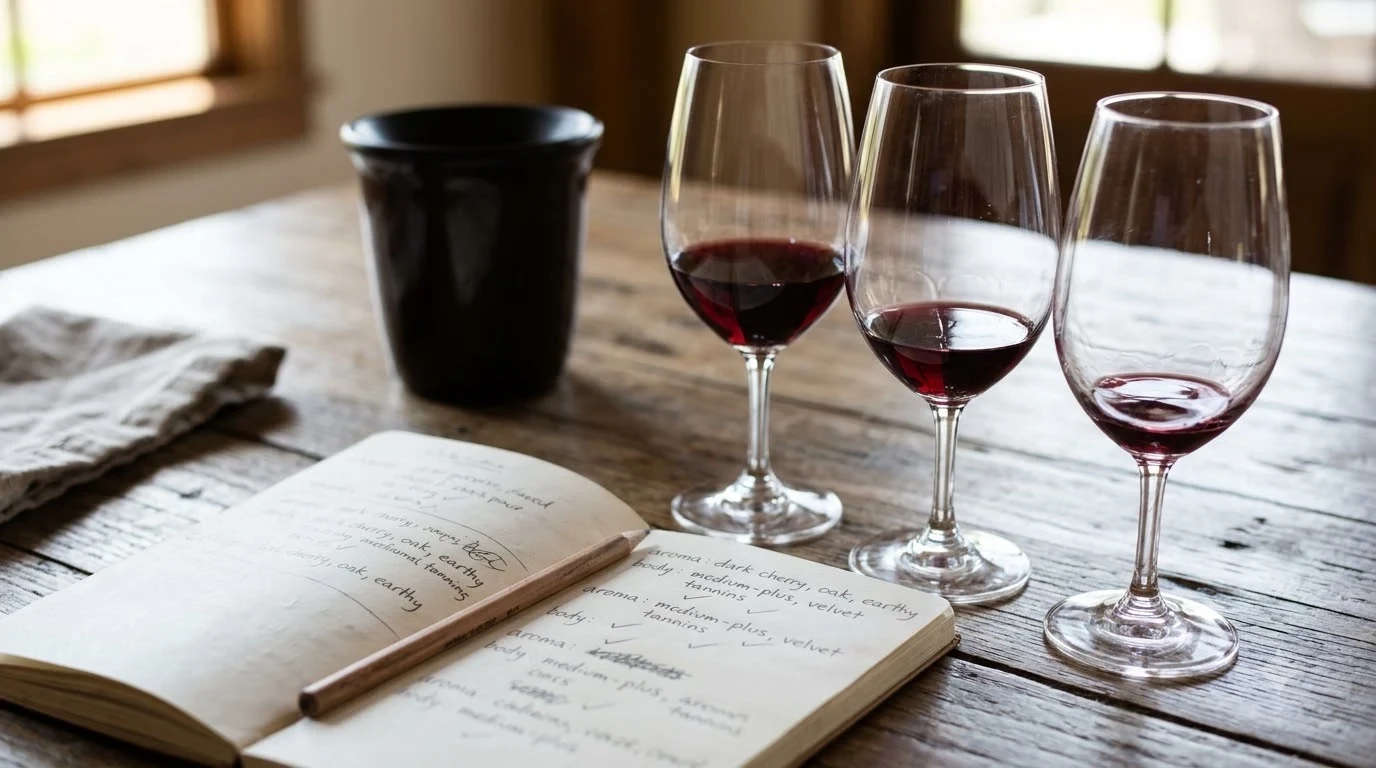
After returning from the Hunter Valley, record the producer, grape variety, vintage and tasting impressions for each bottle. This simple habit helps identify favorite wineries and makes future purchases more deliberate. Readers looking for additional advice on selecting bottles can also explore the site’s wine-buying resources.
Frequently Asked Questions
How old are the vineyards in the Hunter Valley?
Some Hunter Valley vineyards contain exceptionally old plantings, including historic Shiraz and Semillon vines. Tyrrell’s is associated with the region’s heritage vineyards, while Margan identifies approximately 50-year-old Semillon and Shiraz vines among its estate plantings. Vineyard age varies considerably between producers and individual blocks.
What is the difference between Hunter Valley and Barossa Valley Shiraz?
Hunter Valley Shiraz is often associated with savory flavors, pepper, earthy complexity and moderate weight. Barossa Valley Shiraz is frequently richer and more concentrated, with ripe dark fruit characteristics. These are broad regional tendencies rather than fixed rules, since vineyard conditions and winemaking choices influence every individual bottle.
Can visitors purchase wine directly from Hunter Valley wineries?
Many Hunter Valley cellar doors provide opportunities to purchase wines during or after tastings. Some producers also offer wine-club memberships, limited releases and direct ordering options. International visitors should consider airline baggage restrictions and the import rules that apply when bringing Australian wine into their home country.
Is the Hunter Valley suitable for visitors who do not drink wine?
Yes. The region also offers restaurants, gardens, art galleries, sculpture displays, countryside accommodation and outdoor activities. Some wineries provide nonalcoholic tasting options, while destinations such as Hope Estate offer additional food and drink experiences beyond wine.
Which Hunter Valley wine is a good Australian souvenir?
Hunter Valley Semillon is an especially distinctive choice because it represents one of the region’s most recognizable wine traditions. A bottle of Hunter Shiraz is another strong option for visitors interested in Australian red wine. For a sweeter souvenir, Noble One Botrytis Semillon from De Bortoli offers a different regional expression.
The best Hunter Valley wineries offer much more than a chance to taste Australian wine. From historic Semillon producers and scenic Pokolbin estates to sustainable Broke-Fordwich vineyards and memorable winery restaurants, the region rewards visitors who take time to explore its different personalities. Start with three carefully chosen cellar doors, leave room for a good meal and bring home a bottle of Semillon or Shiraz that captures the character of the Hunter Valley.
More in Wine Buying Guides
 Cheap Red Blend: How to Find a Flavorful Bottle for LessUpdated Nov 20, 2026
 Pinot Grigio Gift: How to Choose a Bottle They’ll EnjoyUpdated Nov 20, 2026
 Best White Wine at Total Wine for Every MealUpdated Nov 20, 2026
 Wine Fridge Replacement Shelves: Find the Right FitUpdated Nov 20, 2026
 Best Sparkling Wine Under 20: Find Bubbles Worth BuyingUpdated Nov 20, 2026
 Best Wine For Birthday Celebrations With Perfect Party PairingsUpdated Nov 20, 2026