

We may earn a commission when you buy through links on this page, at no extra cost to you. Learn more.
The best Franschhoek wineries are the historic farms founded by French settlers, the sparkling Cap Classique houses, and the estates known for oak-aged Chenin Blanc. Franschhoek is a small town in South Africa’s Western Cape, about 75 km from Cape Town, and its estates cover several distinct styles within a short drive of each other.
Franschhoek is one of the best-known wine valleys in South Africa, and its estates are easy to visit in a single day. Many of the farms still carry names that go back to the French settlers who arrived in the late 1600s. This guide groups the valley’s estates by what they do well, so you can match a visit to the wines you already like. Estate hours, tasting formats and booking rules change, so confirm them on each producer’s website before you travel.
Quick Comparison
The table below sorts the valley’s estates by style rather than by rank. Use it to narrow your shortlist before reading the sections that follow.
| Estate type | What to expect | Good fit for |
|---|---|---|
| Heritage farms | Properties founded by early French settlers, many named after regions they had left in France | Visitors who want the valley’s history with their tasting |
| Sparkling specialists | Producers of Cap Classique, South Africa’s term for traditional-method sparkling wine | Guests planning a celebratory or late-morning tasting |
| Oak-aged white estates | Chenin Blanc and other whites with oak influence, a style the valley is known for | Drinkers who prefer a fuller, textured white |
| Wine tram stops | Estates along the Franschhoek Wine Tram, which runs on a restored branch railway | Day visitors who want to move between tastings without driving |
| Town-centre tasting rooms | Tasting rooms within walking distance of the town’s shops and restaurants | Travelers who want tastings and time in town in one trip |
Best for History: The Heritage Farms
Several of the valley’s oldest farms trace their roots to the Huguenots, French Protestants who fled after Louis XIV banned Protestantism in France in 1685. According to the Wikipedia entry on Franschhoek, almost 300 arrived at the Cape in 1688 and were settled in the valley, and the early farms they founded include La Motte, Cabrière and La Dauphine, which later became well-known wineries. The Franschhoek article on Wikipedia gives the settlement background in more detail.
Heritage estates suit visitors who want the story behind the wine. Ask at the tasting room which bottles the estate is known for, since the range and tasting options differ from one producer to the next. Booking rules vary, so check each farm’s page before you go.
The settlement history is also visible in the place names. Settlers named many farms after the regions they had left in France, so the estate signs themselves are a quick introduction to the valley’s past before you taste anything. Reading a farm’s history page can add context about when the property was founded and how its vineyards were developed over time.
Best for Sparkling Wine: Cap Classique Houses
Cap Classique is the South African name for sparkling wine made by the traditional method, and it is one of the reasons many visitors start their day with bubbles. Wine Folly’s notes on Chenin Blanc list sparkling Cap Classique among the country’s main styles of the grape, alongside the oak-aged wines of Franschhoek and Stellenbosch.
Sparkling-focused estates work well as an opening stop, when the palate is fresh and the pace of the day is still relaxed. Pair a flight of Cap Classique with light food, and ask the staff how each bottle is aged, since time on the lees shapes the final style. Sparkling wines are also a practical choice for a group, because a flight lets each guest compare two or three bottles without committing to a full glass of a single style.
Compare the dry and off-dry sparkling options on the same flight. The difference in sweetness is easy to notice side by side, and it helps you decide which style to buy for a dinner, a celebration or a picnic later in your trip.
Best for Oak-Aged White Wine
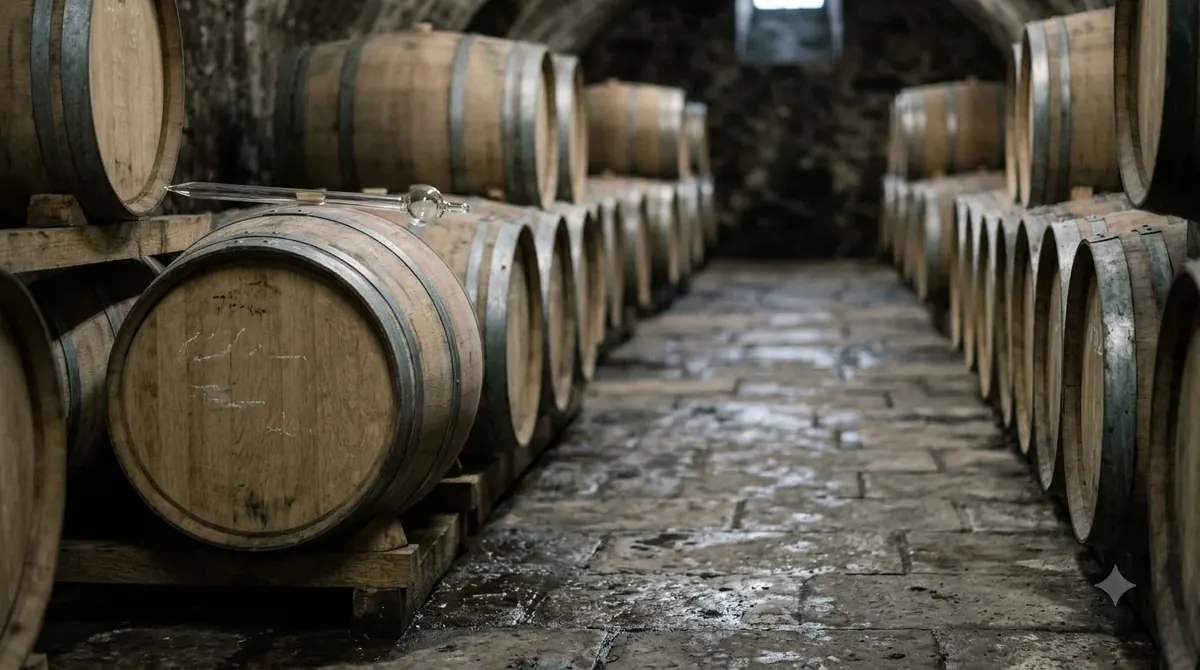
Oak-aged whites are where the valley’s Chenin Blanc often shows its most structured side. Wine Folly’s Chenin Blanc guide names Stellenbosch and Franschhoek as areas that make oak-aged wines, which tend to be fuller than the crisp coastal styles from places such as Elgin and Walker Bay.
The same guide recommends serving Chenin Blanc at 45 to 55°F (7 to 12°C), and notes that oaked versions can be served slightly warmer, closer to a Chardonnay. Wine Folly’s Chenin Blanc guide gives a useful overview of the grape’s range, from dry to sweet, if you want to compare styles before your visit.
Best for a Day Without Driving
Not every visitor wants to drive between tastings, and the valley’s layout makes a car-free day practical. The Franschhoek Wine Tram runs on a restored branch railway between wine estates, which lets you plan a route around the stops you care about most.
Build the day around three or four estates rather than trying to cover the whole valley. Fewer stops leave time for lunch and for a proper look at each estate’s range, and they keep the day from feeling rushed. Put the most distant estate first, while you are still fresh, and finish with a closer stop that you can walk to or reach on a short ride.
Once you have a route, check the tram timetable and each estate’s last tasting time, because the last tastings of the day often close earlier than the tram does. A printed list of stops and opening hours makes it easier to keep the day on schedule.
Best for Visitors Who Want Time in Town
Franschhoek is a tourist destination, and its town centre makes it easy to combine tastings with other plans. Tasting rooms in town suit travelers who want to fit wine into a longer stay, with time for shopping, dining and walking between stops.
Town-centre rooms are also a practical choice for a first visit. You can sample a few styles in one place, then decide which estates are worth a longer trip out of the valley.
If you are staying in town for several nights, spread tastings across the trip rather than packing them into one day. Two or three visits at a relaxed pace usually give a better sense of the valley’s styles than a long run of tastings in a single afternoon, and they leave room to ask questions at each estate.
How to Choose the Right Estate
Start with what you want from the day. If history matters most, choose a heritage farm. If you want sparkling wine, look for a Cap Classique specialist. If you prefer richer whites, focus on estates known for oak-aged Chenin Blanc. If transport is a concern, plan around the wine tram stops.
Check the producer’s own website for current tasting menus and hours, since the valley’s estates set their own formats. Note whether the tasting is seated or standing, whether it includes food, and how many wines are poured, because these details shape the cost and the length of the visit. Readers comparing other wine destinations can also look at the guides to the best Temecula wineries and the best Paso Robles wineries to see how regions differ in style and visiting setup.
Tip: Book your first tasting in the morning, when the palate is fresh and staff have more time to talk about each wine.
Frequently Asked Questions
Do I need a reservation to visit Franschhoek wineries?
Booking rules differ from one estate to the next. Check each producer’s website before you go, especially for lunch or a guided tasting, which often need a reservation.
What is Cap Classique?
Cap Classique is South Africa’s name for sparkling wine made by the traditional method, the same process used for Champagne. Many Franschhoek estates make it, and it is a good starting point for a first tasting.
How far is Franschhoek from Cape Town?
The town is about 75 km from Cape Town, according to the Wikipedia entry on Franschhoek. Plan extra time for the drive, especially if you want to move between several estates.
How should I serve Chenin Blanc from the valley?
Wine Folly recommends serving Chenin Blanc at 45 to 55°F (7 to 12°C). Oaked versions can be served a little warmer, closer to a Chardonnay, so check the label and tasting notes for the style you are buying.
For a balanced day, pick one heritage farm for history, one sparkling house for bubbles, and one estate known for oak-aged white wine. That mix covers the valley’s main styles without over-committing your schedule. For general tips on choosing bottles, see the wine buying guide.
More in Wine Buying Guides
 Riesling Gift: Choose a Bottle They’ll LoveUpdated Nov 21, 2026
 Sweet Red Wine Gift: Choose a Bottle They’ll LoveUpdated Nov 21, 2026
 Malbec Gift: How to Choose a Memorable Bottle for Any OccasionUpdated Nov 21, 2026
 Sherry Gift Ideas That Match Every Wine LoverUpdated Nov 21, 2026
 Moscato Gift: How to Choose a Sweet Wine They’ll LoveUpdated Nov 21, 2026
 Merlot Gift: How to Choose a Bottle They’ll AppreciateUpdated Nov 21, 2026