

We may earn a commission when you buy through links on this page, at no extra cost to you. Learn more.
The best electric wine chiller depends on whether you want rapid on-demand cooling for a single bottle, table-side temperature maintenance during dinner, or multi-bottle storage at exact serving ranges. Countertop single-bottle thermoelectric chillers keep opened whites and rosés crisp on a dining table without melting ice buckets, while rapid electric chillers drop a warm bottle to serving temperature in minutes. For drinkers managing a rotating selection of reds, whites, and sparkling wines at home, compact single-zone or dual-zone compressor wine coolers provide steady, vibration-controlled climate protection.
Pulling a bottle straight from a standard kitchen refrigerator often leaves white wines muted at around 37°F, while leaving reds on a warm kitchen counter pushes them past 70°F where alcohol smells sharp and fruit flavors flatten. A dedicated electric wine chiller bridges that gap by holding bottles in the 45°F to 65°F window where aromatics and structure show best, without messy ice water soaking off your labels.
Quick Comparison
Each electric chiller category solves a distinct serving or storage problem, trading bottle capacity against footprint, cooling speed, and ambient heat tolerance.
| Chiller Type | Cooling Method | Typical Capacity | Best Use Case | Key Limitation |
|---|---|---|---|---|
| Single-Bottle Table Chiller | Thermoelectric (Peltier) | 1 standard 750 mL bottle | Holding an open bottle at serving temperature during meals | Slow to chill warm bottles from room temperature |
| Rapid Bottle Chiller | Circulating ice-water bath or forced cold air | 1 standard 750 mL bottle | Chilling a warm bottle to serving temp in 5 to 15 minutes | Noisy during cycles and not built for ongoing storage |
| Compact Thermoelectric Cooler | Thermoelectric (Peltier) | 6 to 18 bottles | Quiet, vibration-free countertop storage in cool rooms | Struggles if room temperature exceeds 75°F |
| Dual-Zone Compressor Cooler | Vapor-compression refrigerant | 18 to 50+ bottles | Storing reds and whites simultaneously at separate serving temps | Requires ventilation clearance and emits a faint hum |
| Undercounter Built-In Cooler | Front-venting compressor | 24 to 54 bottles | Flush kitchen or home-bar cabinetry integration | Permanent footprint requiring precise cabinet dimensions |
Best for Table-Side Serving: Single-Bottle Thermoelectric Chillers
A single-bottle thermoelectric chiller is an upright, insulated cylinder powered by a wall cord that uses solid-state Peltier cooling to hold one open bottle at a set degree on your dining table or bar cart. It eliminates dripping condensation and watered-down ice buckets while keeping white, rosé, or lightly chilled red wine steady through a long dinner.
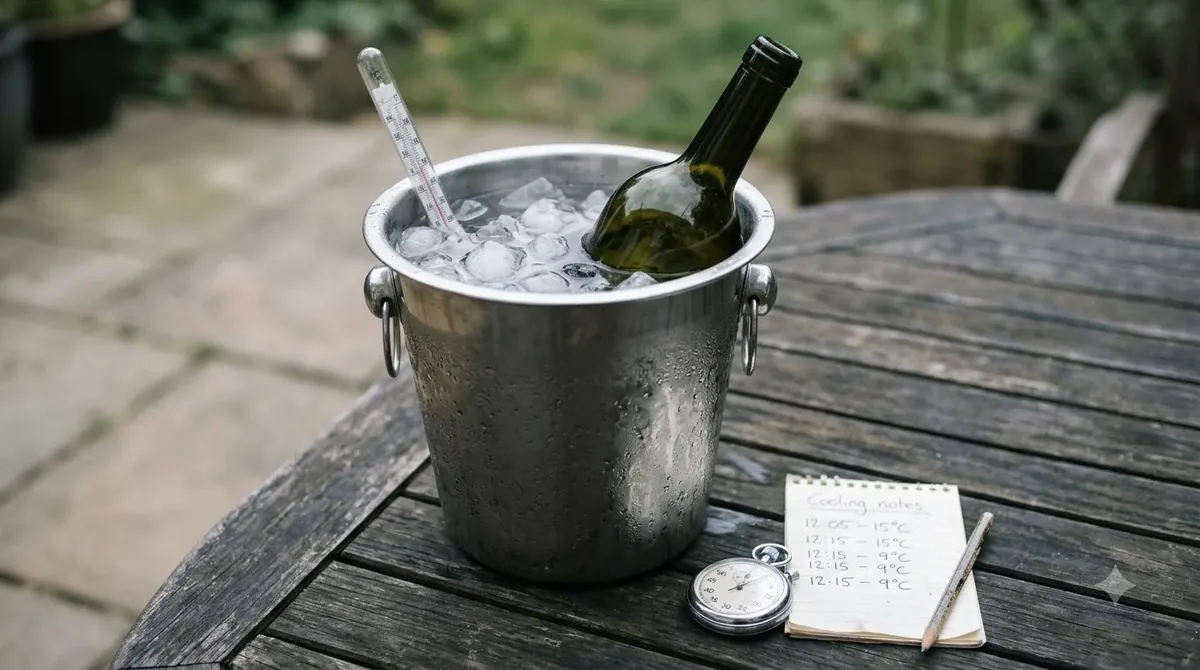
Why it stands out: Because these units rely on solid-state thermoelectric modules rather than compressors, they run virtually silently and weigh very little. Digital touchpads let you dial in exact targets—around 45°F for Sauvignon Blanc or Pinot Grigio, or 58°F for Pinot Noir—and the open-top design accommodates tall Alsace flutes as well as standard Bordeaux bottles without laying an opened bottle on its side. If you prefer zero cords on an outdoor patio table, a pre-chilled marble wine chiller offers passive thermal mass, though it cannot actively hold a precise degree over three hours the way an electric sleeve does.
Keep in mind and best for: Thermoelectric sleeves are maintainers rather than fast chillers; putting a 72°F bottle inside takes well over an hour to drop to 48°F. Reviewers at Wine Enthusiast note that thermoelectric cooling works by transferring heat relative to the surrounding air, so performance drops in hot, sunlit rooms. Choose this style if you already store bottles in a cellar or fridge and want a sleek, drip-free way to keep an active bottle at its sweet spot while pouring.
Best for Last-Minute Chilling: Rapid Electric Bottle Chillers
Rapid electric bottle chillers use motorized rotation inside a chilled water-and-ice bath or high-velocity cold-air chamber to drop a room-temperature bottle to serving temperature in roughly five to fifteen minutes. They are built for spontaneous weeknight dinners or unexpected guests when you forgot to put a bottle in the fridge ahead of time.
Why it stands out: Spinning a bottle gently inside an icy bath accelerates convective heat transfer across the glass wall, chilling white wine up to ten times faster than a standard freezer without risking a forgotten, exploded bottle. Most countertop rapid chillers include preset timers for reds, whites, and sparkling wines so you avoid over-chilling delicate aromatics, and gentle rotation avoids shaking up sediment in younger everyday bottles.
Keep in mind and best for: Rapid chillers require refilling with ice and water before each session and produce noticeable motor noise during their short cycle. Once the timer stops, you still need to move the bottle to the table or an insulated sleeve, and older vintage reds with heavy sediment should never be spun. This category is best for hosts and casual drinkers who buy wine on the way home and want crisp Pinot Grigio or Champagne ready before appetizers hit the table.
Best for Small Apartments and Quiet Spaces: Compact Thermoelectric Wine Coolers
Compact thermoelectric wine coolers are freestanding mini-cabinets holding six to eighteen bottles that use vibration-free Peltier cooling plates and interior fans to maintain a single climate zone. Their slim footprints fit easily onto kitchen countertops, pantry shelves, or studio apartment sideboards.
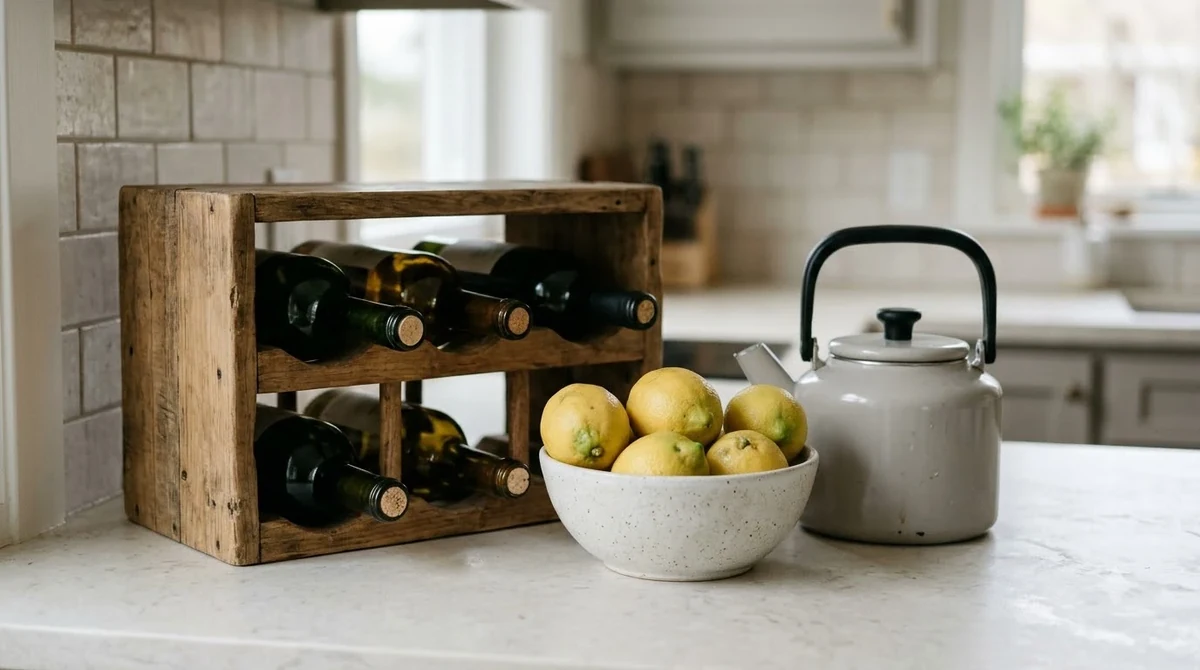
Why it stands out: Without a mechanical compressor cycling on and off, these coolers produce almost zero vibration, which protects wine chemistry and prevents fine sediment from staying suspended in the liquid. Many slimline models even include upright rack slots specifically engineered to hold opened bottles without cork leakage, which is useful when you only pour one or two servings a night and want to keep track of how many glasses in a bottle of wine remain for the rest of the week.
Keep in mind and best for: Thermoelectric cabinets generally max out at cooling roughly 15°F to 20°F below ambient room temperature. If your apartment routinely hits 78°F in July, the interior may struggle to stay below 58°F, making it fine for reds but too warm for crisp whites or sparkling wine. Pick a compact thermoelectric cabinet if you live in an air-conditioned home, prioritize whisper-quiet operation in an open-plan living room, and keep fewer than eighteen bottles on hand.
Best for Mixed Red and White Collections: Dual-Zone Compressor Wine Coolers
Dual-zone compressor wine coolers divide an insulated, UV-tinted cabinet into two independently controlled compartments powered by a miniature refrigerant compressor. They let you store full-bodied reds at 60°F to 65°F in one section while keeping whites, rosés, and sparkling wines ready to pour at 45°F to 50°F in the other.
Why it stands out: As Wine Enthusiast industry experts explain, dedicated wine refrigerators maintain tighter top-to-bottom temperature stability and higher humidity than kitchen fridges, preventing natural corks from drying out and letting oxygen seep in. A compressor system holds exact temperatures regardless of warm summer kitchens, while double-pane UV-resistant glass and beechwood shelving shield bottles from light strike and dampen compressor hum.
Keep in mind and best for: Because a divider separates the two zones, total bottle capacity is slightly lower than in a single-zone cabinet of the same exterior height, and wider Pinot Noir, Rhône, or Champagne bottles take up more shelf space than standard Bordeaux shapes. Freestanding compressor units also need three to five inches of breathing room at the back and sides to vent heat. Choose a dual-zone compressor cooler if you regularly drink both reds and whites and want every bottle ready to uncork without pre-chilling.
Best for Kitchen Remodels and Home Bars: Undercounter Built-In Wine Chillers
Undercounter built-in wine chillers are front-venting compressor units engineered to slide flush into standard 15-inch or 24-inch base cabinet cutouts beneath kitchen counters or wet bars. Unlike freestanding coolers, they pull air in and exhaust heat through a lower front grille so surrounding cabinetry never traps warmth.
Why it stands out: Zero-clearance hinges, reversible doors, and smooth-gliding telescopic racks let you pull heavy shelves out fully without scraping adjacent cabinet frames. High-end built-in models also pair charcoal air filtration with steady-temperature sensors so kitchen cooking odors cannot migrate through corks into your wine, turning dead base-cabinet space into an accessible bar station.
Keep in mind and best for: Sliding a rear-venting freestanding chiller into an enclosed cabinet cutout will cause the compressor to overheat and fail prematurely, so always verify front-venting specifications before buying. Built-in units also carry stricter width and height tolerances and are best suited for homeowners remodeling a kitchen, adding a dry bar, or replacing a trash compactor with permanent wine storage.
How to Choose
Start by separating short-term serving needs from multi-month storage. If you buy a few bottles each week and drink them within days, a single-bottle countertop chiller or compact thermoelectric cooler keeps your kitchen fridge free for groceries. If you hold bottles for months or years, prioritize a compressor-driven cabinet with UV-blocking glass and steady 53°F to 57°F cellar capability.
Next, check bottle geometry and room climate before committing to a capacity number. Manufacturer bottle counts assume uniform 750 mL Bordeaux cylinders; if your rack leans toward sloped-shoulder Burgundy bottles, broad Champagne punts, or magnums, reduce the advertised capacity by 20 to 30 percent or look for removable shelves. Measure your room’s warmest seasonal temperature as well—any space that regularly climbs above 75°F calls for compressor cooling rather than thermoelectric plates.
Finally, factor in placement, ventilation, and noise ratings. Look for decibel ratings under 40 dBA for living rooms or dining areas, confirm whether the unit vents from the back or the front kickplate, and pair your chiller with reliable openers and vacuum stoppers from our Accessories Library so opened bottles stay fresh between pours.
Tip: Set a single-zone wine cooler to 55°F if you store a mix of styles—pull whites out 15 minutes early to chill in an ice sleeve, and let full-bodied reds warm slightly in the glass.
Frequently Asked Questions
What is the difference between a thermoelectric and a compressor electric wine chiller?
Thermoelectric chillers pass electricity across a solid-state Peltier plate to move heat silently without moving parts or refrigerants, making them ideal for small countertop units in cool rooms. Compressor chillers circulate refrigerant like a standard refrigerator, allowing them to reach lower temperatures, hold larger bottle capacities, and perform reliably in warm rooms above 75°F.
Can I store opened wine bottles inside an electric wine chiller?
Yes, single-bottle countertop chillers and multi-bottle cabinets with dedicated upright racks safely hold opened wine at proper serving temperatures. Storing opened bottles upright minimizes the surface area exposed to oxygen and prevents leaks, though you should still recork the bottle or use a vacuum stopper to preserve aromatics for two to four days.
Why shouldn’t I just chill all my wine in a regular kitchen refrigerator?
Standard kitchen refrigerators run around 35°F to 38°F with low humidity, which numbs white wine aromatics, makes red wine tannins taste harsh and astringent, and dries out natural corks over time. Frequent door openings and heavy compressor vibrations in a food fridge also disturb sediment and expose bottles to strong food odors.
How much clearance does a freestanding electric wine chiller need?
Most freestanding thermoelectric and compressor wine chillers require at least three to five inches of open space behind the unit and two inches along the sides and top so heat can dissipate properly. If you want a flush fit under a counter or inside cabinetry, choose a dedicated front-venting built-in model instead.
Matching your electric wine chiller to how you actually buy and pour wine prevents flat reds, overly frigid whites, and wasted counter space. Whether you choose a sleek single-bottle sleeve for Friday night dinners or a dual-zone compressor cabinet for a growing collection, steady temperature control ensures every glass tastes the way the winemaker intended.
More in Wine Accessories
 Coravin Vs Vacu Vin: Choose the Right Wine Saver for Your BottlesUpdated Nov 21, 2026
 Zwilling Wine Stopper Review: Preserve Open Bottles LongerUpdated Nov 21, 2026
 Wine Enthusiast Wine Preserver Review: Features, Benefits and LimitationsUpdated Nov 21, 2026
 Wine Enthusiast Wine Stopper: An Easier Way to Reseal Open BottlesUpdated Nov 21, 2026
 Vintorio Wine Opener: Two-Step Cork RemovalUpdated Nov 21, 2026
 Zwilling Wine Aerator Review: Aerate, Pour, and Seal With One ToolUpdated Nov 21, 2026