

We may earn a commission when you buy through links on this page, at no extra cost to you. Learn more.
The best central coast wineries include standout destinations in Paso Robles, Edna Valley, Monterey, and Santa Barbara County, offering everything from structured Cabernet Sauvignon and Rhône blends to elegant Pinot Noir and Chardonnay. The right winery depends on the wines you enjoy, the tasting experience you want, and how much time you have for traveling between vineyard regions. For a balanced introduction, consider Paso Robles for expressive reds, Edna Valley for cool-climate wines, and Santa Barbara County for Pinot Noir and Chardonnay.
California’s Central Coast is a large and varied wine destination rather than a single compact wine district. Its vineyards extend from the Monterey area south through San Luis Obispo County and into Santa Barbara County, with different climates, grape varieties, and tasting experiences along the way. A good winery visit starts with understanding those differences instead of choosing destinations based only on scenery or popularity.
Who Should Visit Central Coast Wineries
Central Coast wineries suit wine drinkers who want variety, regional character, and tasting experiences that range from relaxed urban wine bars to vineyard estates. The region is particularly appealing to people interested in comparing cool-climate Chardonnay and Pinot Noir with fuller-bodied Cabernet Sauvignon, Syrah, and Grenache.
First-time California wine-country visitors can use the region to explore several distinct wine styles without limiting themselves to one grape variety. Monterey and the Santa Lucia Highlands are strong starting points for people who prefer fresh Chardonnay and Pinot Noir. Edna Valley offers another cool-climate perspective, while Paso Robles provides a different experience with its warmer growing conditions and broad selection of red wines.
Couples planning a weekend getaway may prefer Santa Ynez Valley, where vineyard destinations can be combined with visits to Solvang, Los Olivos, and Buellton. Visitors interested in a more urban experience can spend time in Santa Barbara’s Funk Zone, where tasting rooms sit alongside galleries, restaurants, and shops. These locations provide an alternative to spending the entire day driving between rural vineyard properties.
Experienced wine enthusiasts also have plenty to explore. The Central Coast contains numerous American Viticultural Areas, or AVAs, each with distinct growing conditions. The regional overview from Visit California’s Central Coast wine country guide describes the broad geographic range and highlights destinations from Monterey and Paso Robles to Santa Barbara County. That geographic range helps explain why a Monterey Chardonnay and a Paso Robles Syrah can have such different personalities despite sharing the broader Central Coast designation.
Travelers should also consider how much time they can dedicate to the trip. Someone with one afternoon should concentrate on a single tasting area, while visitors with three or more days can explore different counties without rushing through each experience. A regional wine trip is most rewarding when the schedule leaves enough time to appreciate the vineyards, local food, and individual winery atmospheres.
Key Factors to Compare When Choosing a Winery
The most useful winery comparisons involve grape varieties, regional climate, tasting format, and location. These factors help visitors identify destinations that match their preferences rather than choosing a winery simply because it appears frequently in travel recommendations.
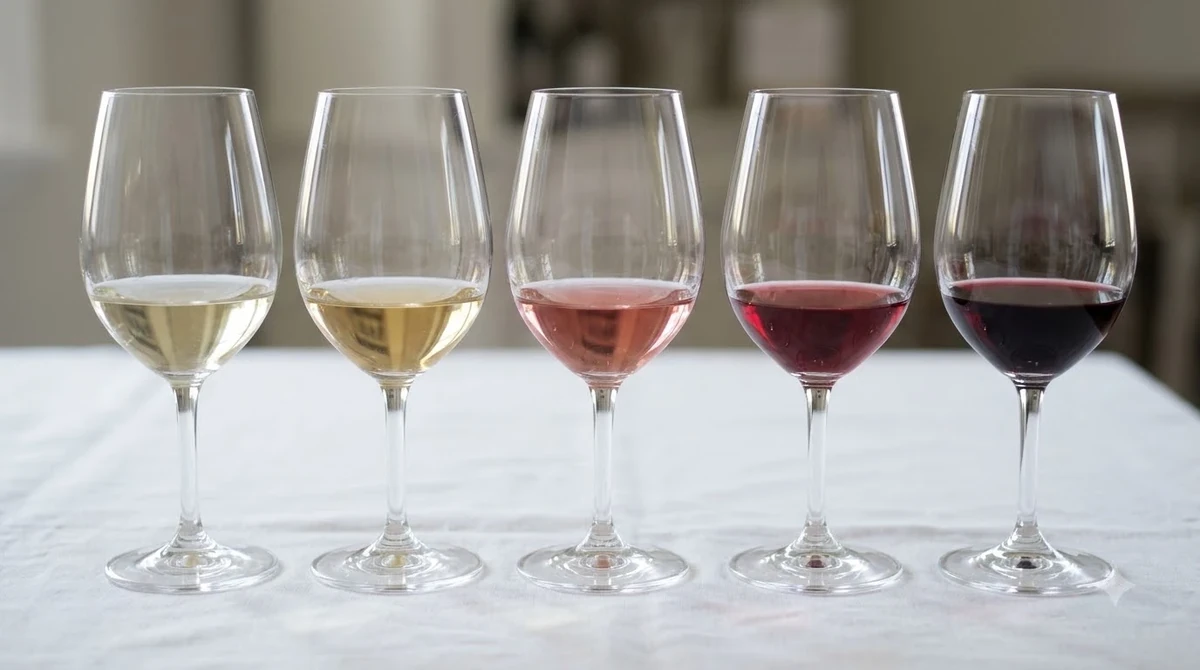
Start by identifying the wines you enjoy. Monterey and Santa Barbara County are particularly relevant for Chardonnay and Pinot Noir enthusiasts, while Paso Robles is known for Cabernet Sauvignon, Zinfandel, Syrah, Grenache, and Rhône-style blends. Edna Valley provides another opportunity to explore wines shaped by cooler coastal conditions.
Next, consider the setting. Some wineries focus on vineyard visits, educational tours, and guided tastings. Others emphasize casual outdoor seating, food pairings, or convenient tasting rooms in nearby towns. Travel Paso identifies more than 20 tasting rooms in downtown Paso Robles, making that district a useful choice for visitors who prefer walking between wine destinations instead of driving from estate to estate.
Experience format matters just as much as location. A seated tasting provides an opportunity to compare several wines in a relaxed environment, while a vineyard or cellar tour can explain how growing conditions and winemaking decisions influence the finished bottle. Some destinations offer food pairings, private experiences, and appointments with winery representatives.
| Wine Region | Important Wine Styles | Best For | Planning Consideration |
|---|---|---|---|
| Monterey and Santa Lucia Highlands | Chardonnay, Pinot Noir | Cool-climate wine enthusiasts | Compare individual vineyard locations |
| Edna Valley | Chardonnay, Pinot Noir, Grenache | Coastal wine tasting near San Luis Obispo | Allow time for rural winery visits |
| Paso Robles | Cabernet Sauvignon, Syrah, Grenache, Zinfandel | Fuller-bodied red wine enthusiasts | Choose one tasting area per afternoon |
| Santa Maria Valley | Pinot Noir, Chardonnay | Cool-climate vineyard exploration | Plan around winery locations and appointments |
| Santa Ynez Valley and Sta. Rita Hills | Pinot Noir, Chardonnay, Rhône varieties | Variety and scenic vineyard experiences | Allow time between individual towns |
Climate provides another useful comparison. Cooler maritime influences generally help preserve acidity, which is important in Chardonnay and Pinot Noir. Warmer inland conditions can encourage greater ripeness and concentration in grapes such as Cabernet Sauvignon and Zinfandel. However, individual vineyard elevation, exposure, and soil conditions also influence the character of each wine.
Finally, compare practical details before choosing a reservation. Tasting fees, the number of wines poured, appointment requirements, group limits, and food availability differ by winery. A casual tasting room may be suitable for a spontaneous afternoon, while a guided estate experience often requires advance planning. For more background on evaluating wine purchases, the wine buying resources provide a useful starting point.
Step-by-Step: How to Plan a Central Coast Winery Visit
A successful wine-country trip begins with choosing a geographic area and building a realistic schedule around it. The Central Coast is extensive, so planning by region is more practical than attempting to visit every famous destination in one trip.
-
Choose your primary wine region.
Begin with the type of wine you want to explore. Select Monterey or Santa Lucia Highlands for cool-climate Chardonnay and Pinot Noir, Edna Valley for coastal San Luis Obispo wines, Paso Robles for Cabernet Sauvignon and Rhône varieties, or Santa Ynez Valley for a broader mix of wines.
-
Identify two or three winery experiences.
Look for a combination that provides different perspectives. For example, pair a vineyard estate with a smaller tasting room, or combine a guided tasting with a food-and-wine experience. Three well-chosen stops are generally more manageable than trying to visit six wineries in a single afternoon.
-
Check tasting policies and make reservations.
Review opening hours, appointment requirements, tasting formats, group policies, and food availability. Weekend appointments and special experiences can fill quickly, particularly during busy harvest periods. Contact the winery directly if an important detail is unclear.
-
Group stops by geographic location.
A Paso Robles itinerary should concentrate on one area, such as downtown, the westside, or Highway 46 East. Visitors in Santa Ynez Valley can similarly organize their day around Solvang, Los Olivos, and nearby vineyard properties. Avoid unnecessary backtracking.
-
Arrange transportation before tasting.
Choose a designated driver, professional wine tour, private driver, or another suitable transportation arrangement. Rural tasting rooms may have limited rideshare coverage, making advance planning particularly important outside downtown districts.
-
Schedule food and breaks.
Allow enough time for lunch, water, and rest between appointments. A proper meal also helps make the tasting schedule more comfortable. Some wineries offer cheese pairings, seasonal dishes, or full dining experiences, while others have no food service.
-
Make notes about the wines.
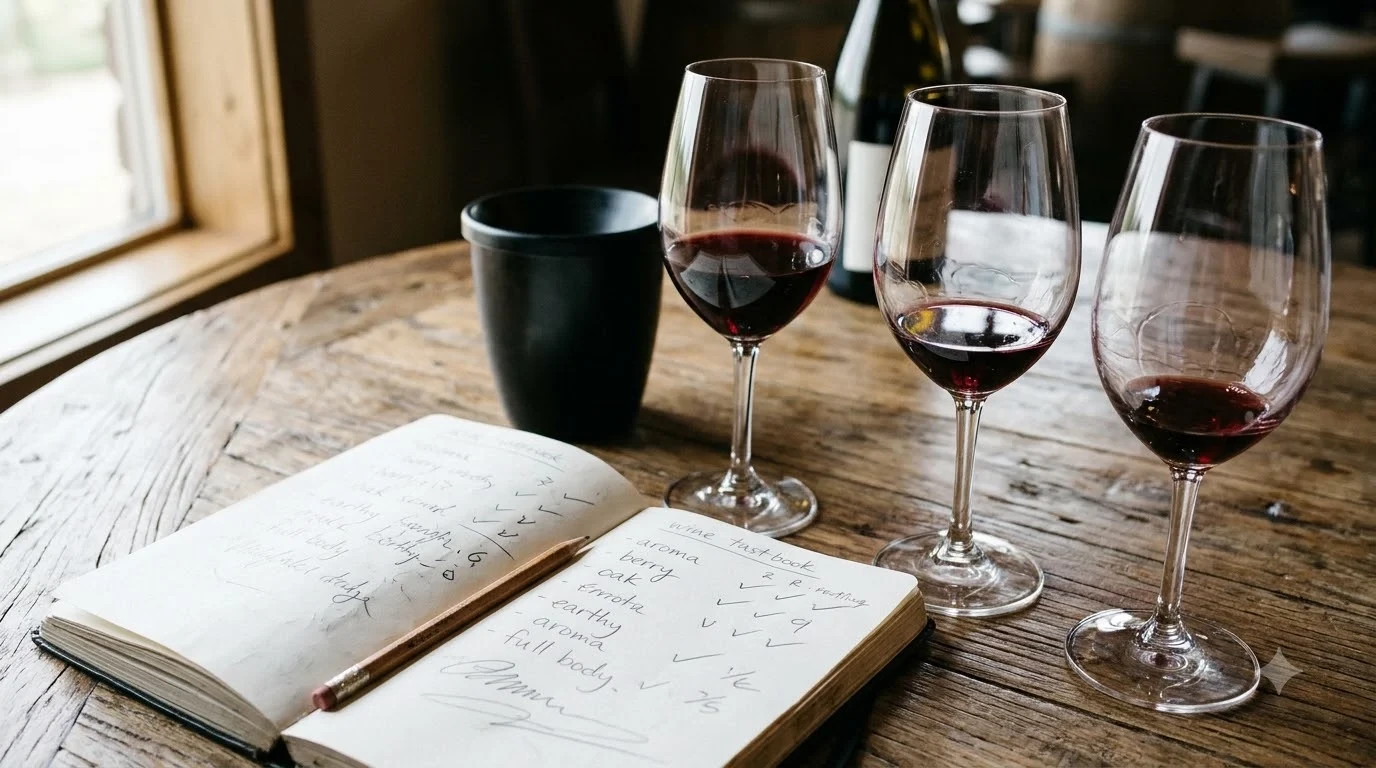
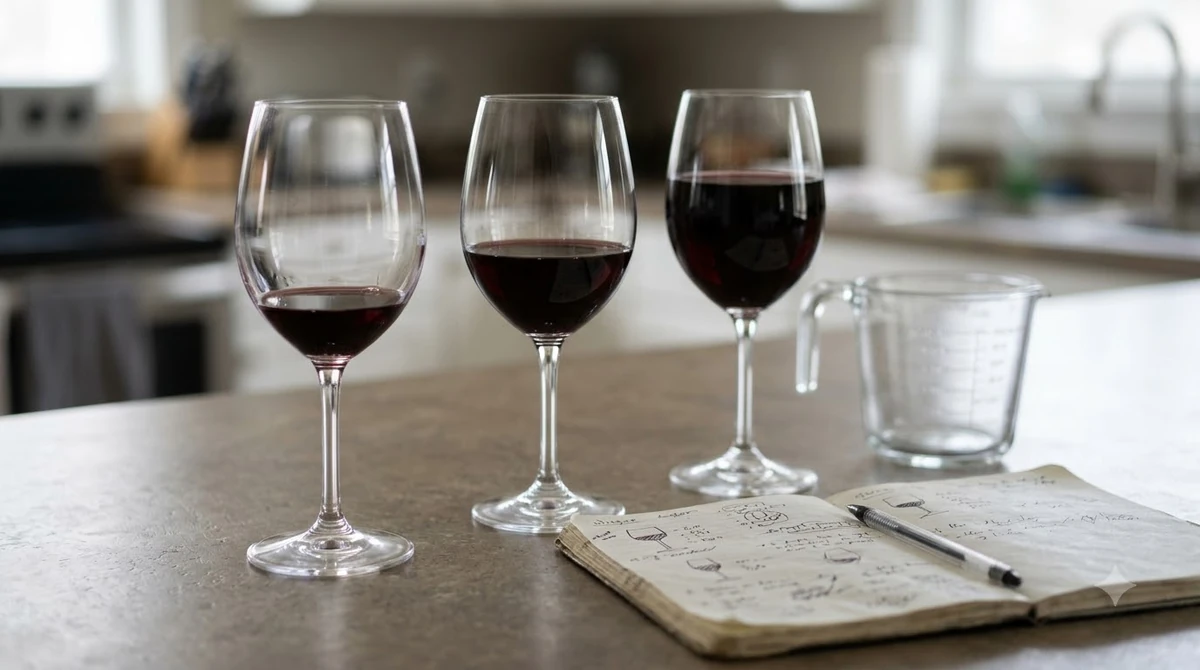
Record the winery, grape variety, vintage, and characteristics of bottles you particularly enjoy. Note whether you prefer lighter Pinot Noir, fuller Cabernet Sauvignon, crisp Chardonnay, or aromatic Rhône whites. These observations make future wine purchases easier.
One practical example is a two-day visit that begins in Santa Barbara County and finishes in Paso Robles. Visit California outlines a regional wine route covering approximately 155 miles, eight stops, and two to three days. Its Central Coast wine tour itinerary includes Santa Barbara, Buellton, Solvang, Santa Ynez, Los Olivos, Los Alamos, Arroyo Grande Valley, Edna Valley, and Paso Robles. The suggested route demonstrates how the towns and wine regions can be combined into a broader journey without treating every stop as a separate tasting appointment.
For visitors who want to concentrate on Paso Robles, the best Paso Robles wineries provide a more focused starting point for comparing individual destinations. This is particularly helpful because the larger Paso Robles area contains 11 distinct viticultural areas and a substantial number of wineries.
Tip: Plan two or three substantial winery experiences per day rather than maximizing the number of stops. Leave room for meals and travel, and arrange transportation before the first tasting. A relaxed itinerary generally provides a better opportunity to compare the wines and learn about each producer.
Types of Central Coast Wineries and Wine Styles Explained
The Central Coast offers several distinct wine-growing environments, so choosing a winery by regional style is often more useful than choosing by county alone. Monterey, San Luis Obispo County, Paso Robles, and Santa Barbara County each contribute something different to California’s wine identity.
Monterey and Santa Lucia Highlands
Monterey is an important destination for visitors who appreciate fresh, balanced white wines and expressive Pinot Noir. Its maritime influences create conditions that support varieties requiring a longer growing season. Chardonnay is particularly prominent, with citrus, orchard-fruit, and mineral characteristics appearing in different bottlings.
The Santa Lucia Highlands is another important area for cool-climate wine exploration. Vineyard location and exposure can influence ripeness, acidity, and texture, making comparisons between producers particularly interesting. Visitors who enjoy Pinot Noir should look for differences in red-fruit character, body, and oak influence rather than assuming that every bottle from the region tastes alike.
Edna Valley and Arroyo Grande
Edna Valley, near San Luis Obispo, is a useful destination for wine drinkers interested in coastal growing conditions. Chardonnay and Pinot Noir are important varieties, and the area’s setting makes it attractive for visitors who want vineyard scenery alongside wine tasting.
Two examples identified by Visit California are Tolosa in Edna Valley and Chamisal Vineyards. Kynsi Winery, located in the Arroyo Grande area, is another destination highlighted for Pinot Noir and Grenache. These wineries offer useful starting points for comparing the wines of the broader San Luis Obispo County area.
Paso Robles
Paso Robles is one of the most diverse Central Coast destinations for red wine enthusiasts. Cabernet Sauvignon, Syrah, Grenache, Zinfandel, and Rhône-style blends are important offerings. The warmer inland conditions generally encourage ripe fruit character, although the region’s 11 viticultural areas produce considerable differences in style.
Travel Paso describes a wine region with more than 200 wineries and over 60 grape varieties. The westside features rolling hills, oak groves, and limestone terrain, while Highway 46 East is warmer and sunnier. These distinctions can help visitors decide whether to focus on vineyard scenery, structured reds, or relaxed tasting-room experiences.
Downtown Paso Robles is a particularly convenient alternative to rural vineyard visits. More than 20 tasting rooms are located within walking distance of Downtown City Park, restaurants, and lodging. Visitors can explore several producers without driving between distant properties, although appointments and individual tasting policies still matter.
Santa Maria Valley and Santa Ynez Valley
Santa Barbara County is particularly appealing to Pinot Noir and Chardonnay drinkers. The east-west orientation of the Santa Ynez Valley allows coastal fog to influence growing conditions, creating a diverse environment for wine production. Visit California identifies approximately 42 grape varieties grown in the valley, illustrating its range beyond the best-known cool-climate grapes.
Beckmen Vineyards is one winery to investigate in the Santa Ynez Valley. Wine Enthusiast describes it as a family-operated winery with a vineyard-focused approach. ONX Wines & Vineyards is another Central Coast tasting destination listed by the publication, with an emphasis on blends and environmental stewardship.
Santa Maria Valley is another important part of Santa Barbara County wine country. Its cooler growing conditions make it relevant to visitors looking for Pinot Noir and Chardonnay. Travelers can also explore Santa Barbara’s Funk Zone, where urban tasting rooms provide a convenient alternative to traveling through vineyard roads.
Common Mistakes When Choosing Central Coast Wineries
The biggest mistake is treating the entire Central Coast as a compact wine district. Distances between Monterey, San Luis Obispo, Paso Robles, and Santa Barbara County can make an overly ambitious itinerary tiring and reduce the time available for individual winery experiences.
Another common mistake is choosing wineries without considering their signature wine styles. Someone who primarily drinks delicate Pinot Noir may not enjoy spending an entire afternoon comparing powerful Cabernet Sauvignon and heavily structured red blends. Likewise, a Cabernet enthusiast might find a day devoted exclusively to lighter coastal whites less interesting.
Regional labels also require careful interpretation. The Central Coast designation covers numerous distinct growing areas, and a wine carrying the broad regional name does not necessarily represent the character of Monterey, Edna Valley, or Paso Robles individually. Look at the specific AVA and grape variety when comparing bottles from different producers.
Visitors sometimes underestimate the importance of reservations. Although some tasting rooms welcome walk-ins, vineyard tours, food pairings, and larger group experiences may require advance arrangements. Weekend travel and harvest periods can also increase demand. A flexible schedule should still include confirmed appointments for the experiences that matter most.
Another mistake is expecting every winery to offer the same atmosphere. A large estate may provide guided vineyard walks and structured tastings, while a small producer may offer a simpler appointment with a more personal introduction to its wines. Neither format is automatically better. The right choice depends on the experience the visitor wants.
Food and transportation deserve equal attention. Tasting several wines without planning a meal or safe transportation can make an otherwise enjoyable day uncomfortable. Some wineries have restaurants or food pairings, while others are located on rural roads without convenient alternatives nearby. Confirm these details before setting out.
Finally, avoid choosing a winery based entirely on photographs. Vineyard scenery is part of the experience, but wine selection, hospitality, accessibility, tasting format, and location should influence the decision. A smaller tasting room with wines that match personal preferences may be a better choice than a famous estate with a less suitable tasting program.
Visitors comparing California wine destinations can also explore the best Temecula wineries for a different Southern California experience, or consider Fredericksburg wineries when comparing Central Coast destinations with Texas Hill Country wine country.
Wine Buying, Serving, and Storage Tips
Buying bottles during a Central Coast winery visit is a practical way to remember favorite producers and compare regional styles at home. The most useful purchases are wines that reflect different grape varieties, vineyard areas, or winemaking approaches rather than several bottles that taste nearly identical.
Start by choosing wines for specific purposes. A Chardonnay or Pinot Noir from Monterey or Santa Barbara County can provide a useful comparison of coastal styles. A Paso Robles Cabernet Sauvignon, Syrah, or Grenache blend offers a different experience, particularly alongside grilled meats and hearty dishes.
Serving temperature influences how wine expresses its aroma and structure. Sparkling wines are generally served at 40 to 50 degrees Fahrenheit, while light whites and rosé are best around 45 to 50 degrees. Full-bodied whites benefit from approximately 50 to 55 degrees, and light reds are generally more enjoyable around 55 to 60 degrees. Full-bodied reds are typically served around 60 to 65 degrees rather than at excessively warm room temperature.
Food pairing also matters. Cabernet Sauvignon has relatively high tannin, which can work well with protein-rich foods and grilled beef. Merlot usually has softer, medium tannin, while Pinot Noir generally offers lower-to-medium tannin and higher acidity. Syrah can have medium-plus to high tannin, making it a good match for flavorful dishes with sufficient richness.
For white wines, Chardonnay offers medium acidity, while Sauvignon Blanc and Riesling generally have high acidity. This makes the latter varieties useful with foods that include citrus, herbs, or vinaigrette. Acidic food generally needs a wine with equal or higher acidity. Sweet wines should also be at least as sweet as the dessert served alongside them.
Once bottles are purchased, protect them from excessive heat. Avoid leaving wine in a hot vehicle while continuing to visit wineries, particularly during summer. If additional stops are planned, use an insulated cooler and keep bottles away from direct sunlight. Wine exposed to high temperatures can lose freshness and develop undesirable aromas.
For longer storage, keep bottles on their sides in a cool, dark location near 55 degrees Fahrenheit. Stable temperature is more important than frequent adjustments, and excessive vibration, sunlight, and heat should be avoided. Sparkling wine should generally be stored according to its packaging and closure requirements rather than assuming every bottle can age indefinitely.
Opened bottles require different storage expectations. Refrigerated sparkling wine generally keeps for one to three days with a suitable sparkling-wine stopper. Still wines commonly remain enjoyable for three to five days in the refrigerator, depending on the style and storage conditions. Fortified wines may last several weeks after opening, while bag-in-box wines can often remain fresh for four to six weeks.
Wine purchased directly from a winery also makes a useful opportunity to learn about individual production methods. Ask about vineyard sources, fermentation, oak aging, blending, and the intended drinking window. These details can help explain why two wines made from the same grape variety taste noticeably different.
Frequently Asked Questions
What is the largest wine region on California’s Central Coast?
The Central Coast is a broad regional designation rather than one individual AVA. It includes numerous smaller wine-growing areas across several counties. The Central Coast AVA encompasses multiple distinct growing regions, so its overall scale should not be confused with the boundaries of a specific local wine appellation.
Are Central Coast wineries suitable for visitors who do not drink red wine?
Yes. Monterey, Edna Valley, and Santa Barbara County offer opportunities to explore Chardonnay and other white varieties. Visitors can also look for rosé and sparkling wines at individual producers. A winery’s current tasting selection can change, so checking the available wines before making an appointment helps avoid disappointment.
Can visitors buy wine directly from Central Coast wineries and ship it home?
Many wineries offer direct-to-consumer wine purchases and may provide shipping options. However, interstate alcohol shipping is subject to state-specific laws and winery licensing requirements. Visitors should confirm whether their destination state is eligible before purchasing bottles for shipment.
What does AVA mean on a Central Coast wine label?
AVA stands for American Viticultural Area, a federally recognized grape-growing region with defined geographic boundaries. The designation identifies the wine’s recognized growing area rather than guaranteeing a particular flavor or quality level. A specific AVA name can help consumers distinguish a wine from a broader Central Coast bottling.
When does the Central Coast grape harvest usually happen?
Harvest timing varies by grape variety, vineyard location, weather, and growing season. Some sparkling-wine and white-wine grapes are harvested earlier, while certain red varieties may remain on the vine longer. Harvest-related winery activities are not available at every property, so visitors interested in observing production should ask individual wineries about their seasonal programs.
The best Central Coast wineries are those that match your preferred wine styles, travel schedule, and tasting experience. Start with one or two regions, compare their distinctive grapes, and leave enough time to enjoy each destination. Whether the trip focuses on Monterey Chardonnay, Edna Valley Pinot Noir, Paso Robles Rhône blends, or Santa Barbara vineyard estates, the Central Coast offers plenty of reasons to return for another tasting.
More in Wine Buying Guides
 Cheap Red Blend: How to Find a Flavorful Bottle for LessUpdated Nov 20, 2026
 Pinot Grigio Gift: How to Choose a Bottle They’ll EnjoyUpdated Nov 20, 2026
 Best White Wine at Total Wine for Every MealUpdated Nov 20, 2026
 Wine Fridge Replacement Shelves: Find the Right FitUpdated Nov 20, 2026
 Best Sparkling Wine Under 20: Find Bubbles Worth BuyingUpdated Nov 20, 2026
 Best Wine For Birthday Celebrations With Perfect Party PairingsUpdated Nov 20, 2026