

We may earn a commission when you buy through links on this page, at no extra cost to you. Learn more.
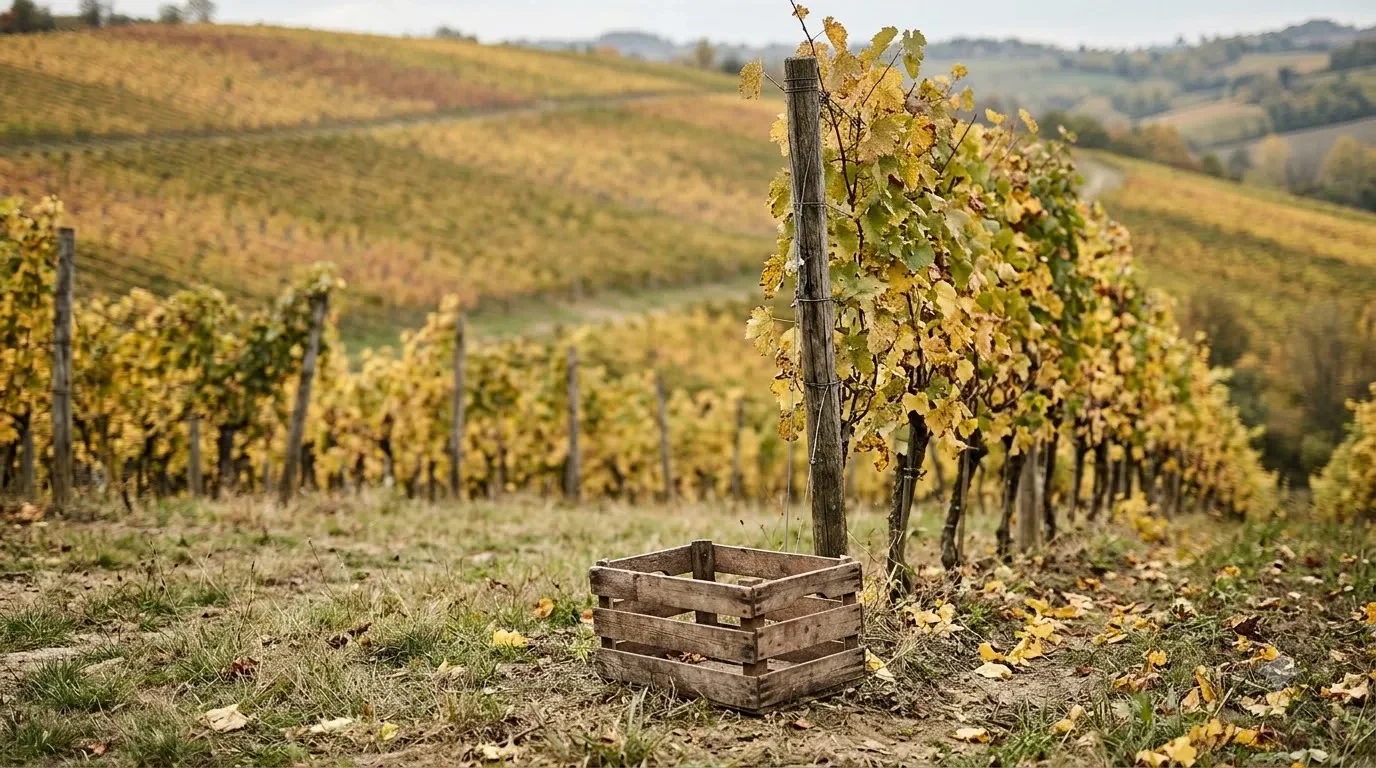
The best Barolo wineries are the producers whose vineyards and styles match what you want from Nebbiolo, whether that is the firm structure of the Serralunga Valley or the more open fruit of the Central Valley. Barolo is a DOCG zone in Piedmont, Italy, made only from Nebbiolo, and it spans 11 named communes in the Langhe hills. Start by choosing a valley, then compare producers within it, rather than ranking estates by reputation alone.
Barolo is one of Italy’s most prized red wines, and its producers range from long-established houses to small family estates. This guide explains how the zone is organized, names the producers that appear in published sources, and gives a clear way to choose which bottles or visits to pursue.
Why Barolo Is Organized the Way It Is
Barolo was recognized as a DOC in 1966 and elevated to DOCG status in 1980. The DOCG rules require 100 percent Nebbiolo. The wine must be aged at least three years, including at least 18 months in wood, and the Riserva category requires five years of total aging. Those rules give the wine its reputation for structure and long life.
The zone is divided into two main valleys. The Serralunga Valley includes Castiglione Falletto, Monforte d’Alba, and Serralunga d’Alba. The Central Valley includes Barolo and La Morra, and Castiglione Falletto sits on a spur between the two. Wikipedia’s Barolo article names 11 communes in full or in part, including Barolo, Castiglione Falletto, Serralunga d’Alba, La Morra, and Monforte d’Alba. In 2010 the Barolo Consorzio introduced 181 official geographic mentions, of which 170 are vineyard areas and 11 are villages.
Quick Comparison of Barolo Valleys and Producer Types
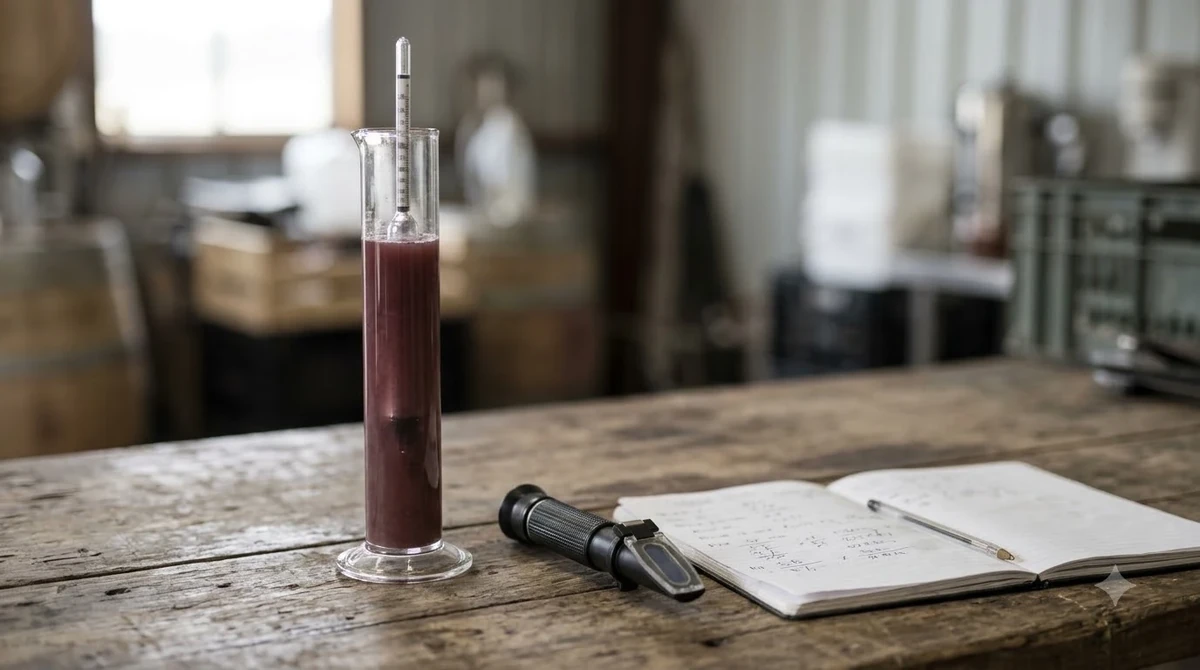
Use this table to decide where to focus before you read individual producer profiles. It groups the zone by character and by the kind of producer you are most likely to find there.
| Area or producer type | What the source says | Best for |
|---|---|---|
| Serralunga Valley | Includes Serralunga d’Alba, Monforte d’Alba, and Castiglione Falletto | Structured, age-worthy wines |
| Central Valley | Includes Barolo and La Morra | Approachable styles and a central base |
| Castiglione Falletto | Sits on a spur between the two valleys | Visitors comparing both valley styles |
| Marchesi di Barolo | Its 1952 bottling is described as the first to label its wine as Barolo | Historical context and a classic reference |
| Ceretto, Elio Altare, Renato Ratti | Named in the “modernist” group of the 1970s and 1980s | Tracing how modern winemaking took hold |
If you are comparing this region with other classic wine areas, our guide to best Temecula wineries shows how a single grape can take on very different character across two regions.
Best for Structured, Age-Worthy Bottles
Buyers who want firm tannin and long cellaring potential should look first at producers from the Serralunga Valley. The Serralunga Valley is named in the Wikipedia article’s valley description, and it is the side of the zone that most buyers pick when they want a bottle to hold for years. Treat that as a starting point and taste before you commit to a long hold.
Look for producers that name a specific vineyard or subzone on the label. Named sites make it easier to compare a Serralunga wine with one from the Central Valley and understand why the two can taste different.
Best for Approachable Central Valley Styles
The Central Valley, with Barolo and La Morra, is a sensible starting point for drinkers who want to open a bottle sooner. Trying a few bottles from this side is a practical way to learn the grape before you commit to a long-aged selection.
Ask a producer how long they recommend holding a bottle before opening it. Their answer will tell you more about the style than any general description, and it helps you match a bottle to a meal.
Best for Historic and Modernist Producers
If the history of Barolo interests you, the Wikipedia article names several producers and figures that shaped the zone. Marchesi di Barolo’s 1952 bottling is described as the first to label its wine as Barolo. Ceretto, Elio Altare, and Renato Ratti are named as leaders of the “modernist” group in the 1970s and 1980s, a period when winemaking methods changed across the region.
These names give you a practical shortlist. Compare a traditional bottling with a modernist one from the same vintage to see how the choices in the cellar change the wine’s texture and fruit.
Best for Learning the Grape Nebbiolo
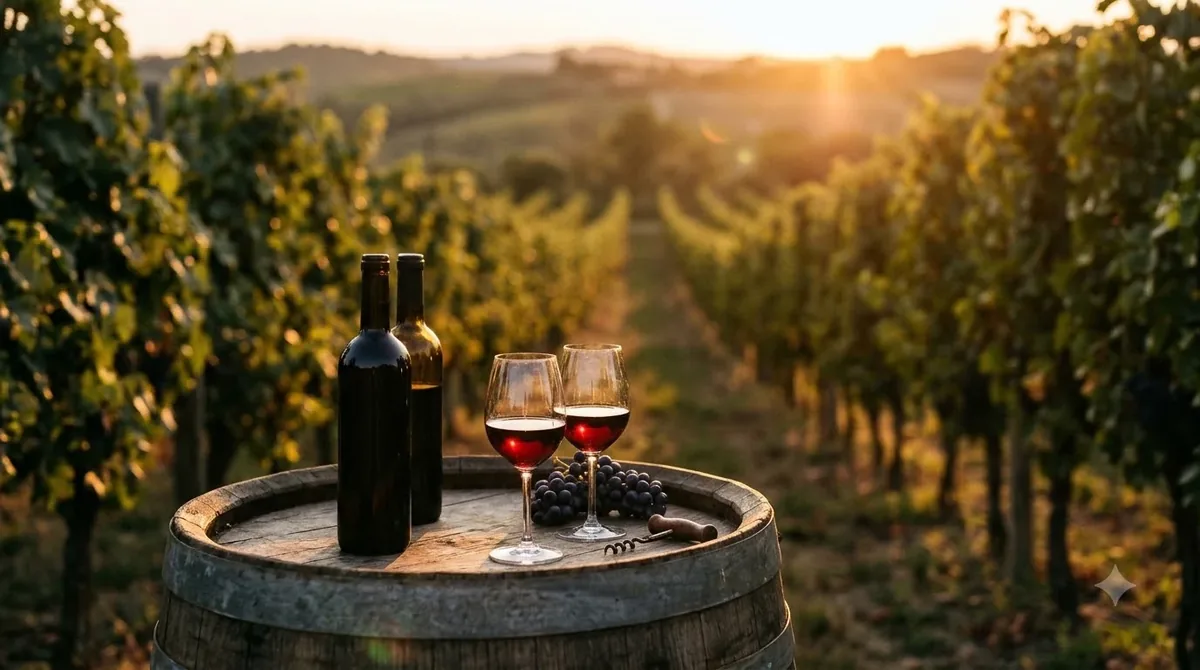
Barolo is made from Nebbiolo, and understanding the grape makes every bottle easier to read. Wine Folly’s Nebbiolo guide describes the grape as medium-full bodied, with high tannins and medium-high acidity, and lists cherry, rose, leather, anise, and clay pot among its typical flavors.
The same guide recommends serving Nebbiolo at 55 to 60 degrees Fahrenheit in an Aroma Collector glass, decanting for about an hour, and pairing it with richer dishes that have some fat, such as cream sauces or cheese. Truffle risotto and butternut ravioli are its examples. Those details help you decide when a Barolo is the right bottle for dinner.
Best for Buyers Who Care About Aging
If you plan to cellar a bottle, use the DOCG aging rule as your starting point. A Barolo must be aged at least three years, with 18 months in wood, and a Riserva must be aged five years in total. Those are minimums, so a producer’s own release schedule may hold wines longer.
Check the vintage and the category on the label. A Riserva from a good year will usually need more time than a standard Barolo, so match your choice to how long you intend to keep it.
How to Choose a Barolo Producer
Use these steps to narrow a long list before you buy or visit.
- Pick a valley. Choose Serralunga for structure or the Central Valley for earlier drinking.
- Decide between tradition and modern style. The historical names above give you a fair range to compare.
- Match the bottle to your timeline. Standard Barolo and Riserva need different amounts of time before you open them.
- Read the label for a named vineyard or village. Specific sites usually signal a more detailed approach to the wine.
Tip: Buy two bottles from different valleys in the same vintage. Tasting them side by side is the fastest way to learn how the zone’s geography shapes the wine.
Common Mistakes When Choosing Barolo
- Opening a young Barolo too early without decanting, which can leave its structure hidden.
- Judging the whole zone by one valley or one producer.
- Assuming every label with the zone name tastes the same. Producer style and vineyard site matter.
- Planning a visit without checking the estate’s hours and whether it welcomes walk-in guests, since the consortium’s own materials focus on trade and professional events rather than cellar-door visits.
Frequently Asked Questions
What is the main grape in Barolo?
Barolo is made only from Nebbiolo under the DOCG rules. Its structure and aging potential come from the grape and from the zone’s rules for aging before release.
How long should I age a Barolo?
The DOCG rules require at least three years of aging, with 18 months in wood. A Riserva requires five years in total. Many buyers hold bottles longer, but the right window depends on the producer and the vintage.
Which valley should a beginner start with?
The Central Valley, around Barolo and La Morra, is a sensible starting point for drinkers who want to open a bottle sooner. Serralunga wines tend to need more time and suit buyers with a longer cellaring plan.
Should I serve Barolo chilled?
No. Wine Folly recommends serving Nebbiolo at 55 to 60 degrees Fahrenheit, which is cooler than room temperature but warmer than a typical white. Decanting for about an hour helps open the wine.
Barolo rewards careful choices. Pick a valley, compare a traditional and a modern producer, and match your bottle to the time you plan to wait. For a wider look at how wine regions are organized, start with our wine buying guide, or compare another classic destination in our guide to best Fredericksburg wineries.
More in Wine Buying Guides
 Riesling Gift: Choose a Bottle They’ll LoveUpdated Nov 21, 2026
 Sweet Red Wine Gift: Choose a Bottle They’ll LoveUpdated Nov 21, 2026
 Malbec Gift: How to Choose a Memorable Bottle for Any OccasionUpdated Nov 21, 2026
 Sherry Gift Ideas That Match Every Wine LoverUpdated Nov 21, 2026
 Moscato Gift: How to Choose a Sweet Wine They’ll LoveUpdated Nov 21, 2026
 Merlot Gift: How to Choose a Bottle They’ll AppreciateUpdated Nov 21, 2026