

We may earn a commission when you buy through links on this page, at no extra cost to you. Learn more.
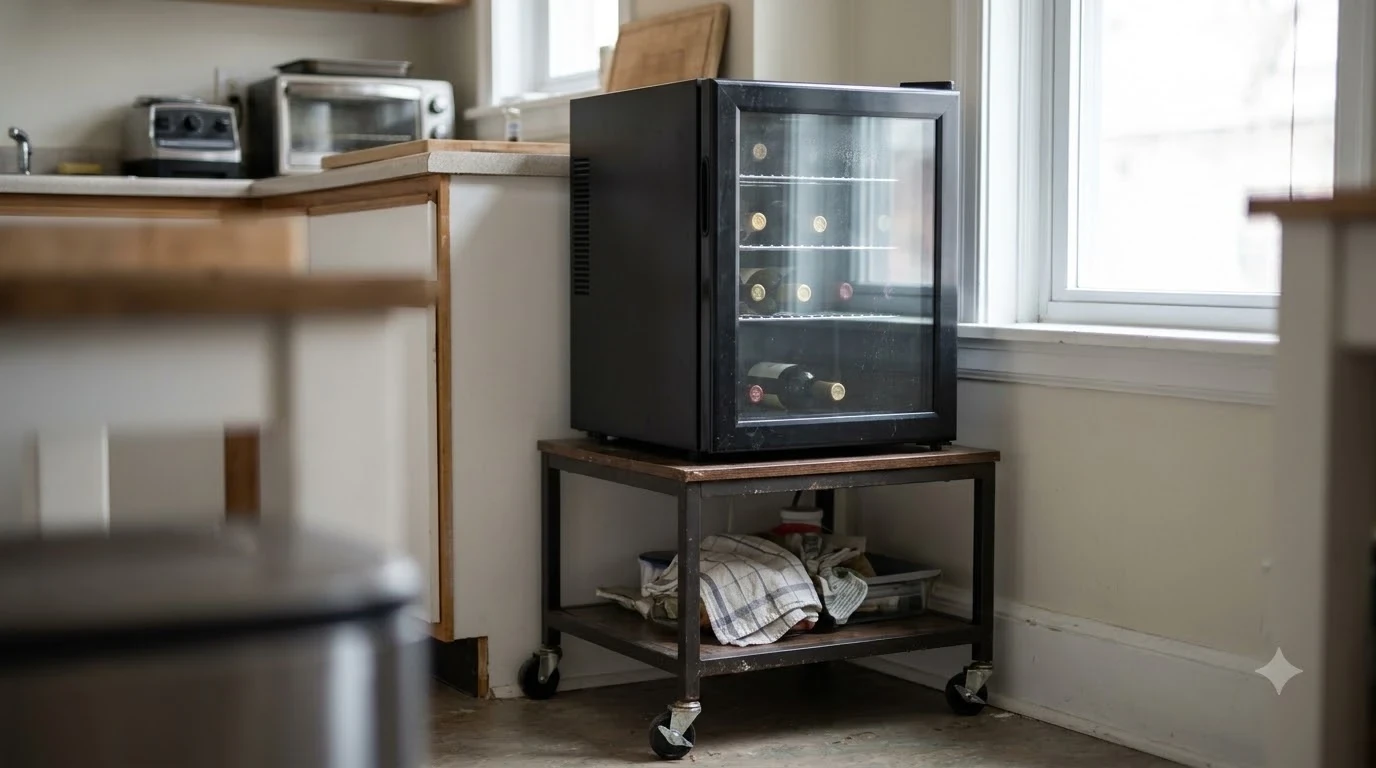
The best 24 bottle wine fridge is usually a dual zone model with two temperature settings, because it lets you keep reds and whites at the right serving temperature in one cabinet. A single zone unit works well if you drink one style, and a built-in model suits a kitchen where the cooler should sit under the counter. Pick the format that matches where you will keep it and how you drink.
A 24 bottle wine refrigerator sits in a useful middle ground. It holds a real collection without taking the space of a full wine cellar, and it is large enough that you can store a few cases of everyday bottles plus some special ones. The price range and features vary widely, so this roundup groups the options by the way people actually use them rather than ranking brands.
Quick Comparison of 24 Bottle Wine Cooler Types
Most 24 bottle units fall into four groups: dual zone, single zone, built-in and freestanding. The differences come down to how many temperatures you can set, whether the cabinet is meant to be seen, and how much room it needs for airflow.
| Type | Temperature control | Best for | Space needed | Look |
|---|---|---|---|---|
| Dual zone 24 bottle wine cooler | Two separate zones | Mixed red and white drinkers | Freestanding, needs ventilation | Often glass door, visible |
| Single zone 24 bottle wine refrigerator | One temperature | One style, or long-term storage of a single type | Freestanding, simple | Plain or glass door |
| Built-in 24 bottle wine fridge | Usually dual zone | Kitchens and islands | Fits a cabinet opening, front vent | Flush with cabinetry |
| Freestanding collector unit | Single or dual zone | Longer aging and larger collections | Floor space and clearance | Solid door or glass |
The table is a guide to the main differences, not a ranking. Check the manufacturer’s installation notes before you choose a built-in model, since many need a specific opening size and front ventilation.
Best for Mixed Red and White Collections
A 24 bottle dual zone wine cooler is the most flexible choice when you keep both red and white wine on hand. Each zone can be set to its own temperature, so whites can sit cooler while reds stay a little warmer.
Why it stands out: You do not need to move bottles between two appliances. A dual zone model lets you serve a chilled Chardonnay and a medium-bodied red from the same unit. Wine writers often describe this setup as the most practical choice for households with varied tastes.
Keep in mind: Two zones mean two sets of controls and often a slightly higher energy draw. Make sure the unit has a clear display and a reliable door seal.
Best for: couples and households that drink both colors and want one cabinet for everyday bottles.
Best for a Single Wine Style or Long-Term Storage
If you drink mostly red or mostly white, a single zone 24 bottle wine refrigerator keeps things simple. One temperature is easier to hold steady, and the controls are less fiddly.
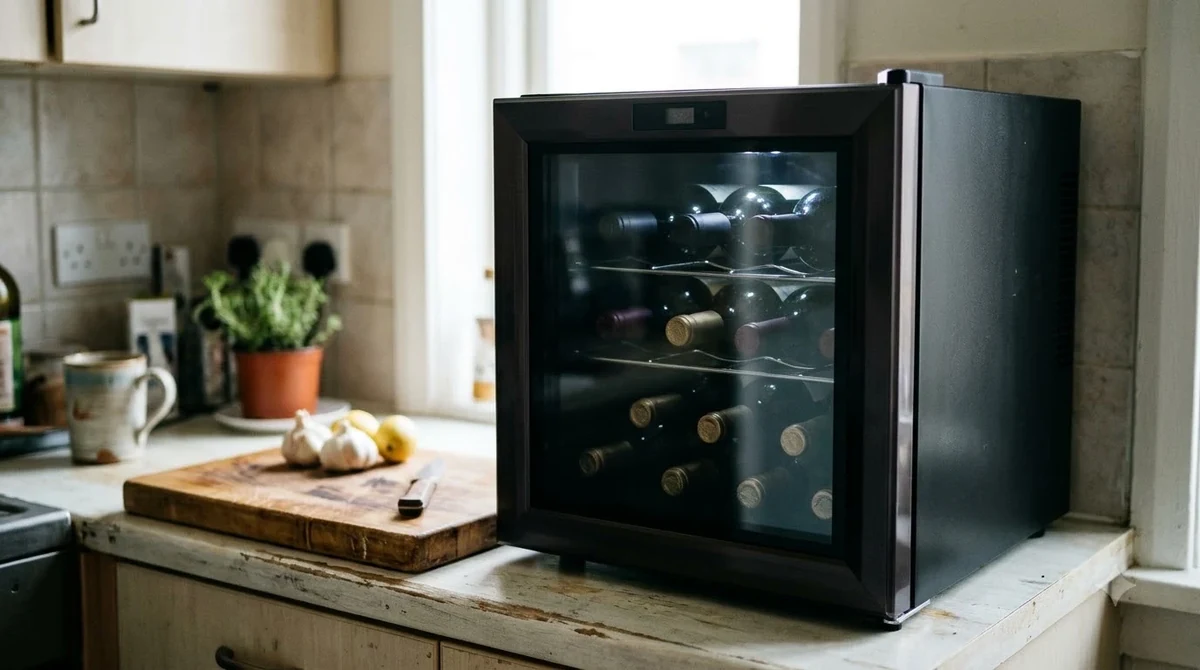
Why it stands out: Wine benefits most from stable conditions. The reference points for home storage are useful here: the Wikipedia overview of wine cellars describes wine as satisfactorily kept between 7 and 18 °C (45 to 64 °F), with 13 °C (55 °F) cited as ideal for short-term storage and aging, and it stresses that changes should be gradual. A single zone unit set to a steady point makes those conditions easier to maintain.
Keep in mind: A single zone cooler cannot serve a cold white and a warm red at their best in the same cabinet. If you need both, look at the dual zone option above.
Best for: red-focused cellars, aging projects and anyone who keeps one style of wine on hand.
Best for Kitchen Islands and Built-In Spaces
A built-in 24 bottle wine fridge fits under a counter or into a cabinet run, so the cooler disappears into the kitchen. These models usually have a front vent, which lets them breathe without needing a gap at the back.
Why it stands out: Built-in units keep the bottles at counter height, which makes it easy to grab a bottle while cooking or hosting. The finish can match surrounding cabinets, and the look is clean.
Keep in mind: Built-in models need an exact opening and proper ventilation. Measure the cabinet and read the installation manual before buying, and confirm whether the vent is on the front or the side.
Best for: kitchen remodels, islands and home bars where the cooler should look like part of the cabinetry.
Best for Larger Collections and Serious Cellaring
Some buyers want a 24 bottle unit that can hold a more serious collection with room to rotate bottles. A freestanding collector model with solid construction and a well-sealed door suits this need.
Why it stands out: Solid doors and stable compressors help hold the temperature when the room warms up. Look for a unit that lets you adjust humidity or includes a quiet, steady cooling system.
Keep in mind: Humidity matters too. The wine cellar overview on Wikipedia notes that experts disagree on how much humidity matters, and that very dry air can dry out organic corks. A unit that holds humidity well is worth the extra attention.
Best for: collectors who plan to keep bottles for years and want a dedicated cabinet away from the kitchen.
Best for Small Spaces and Apartments
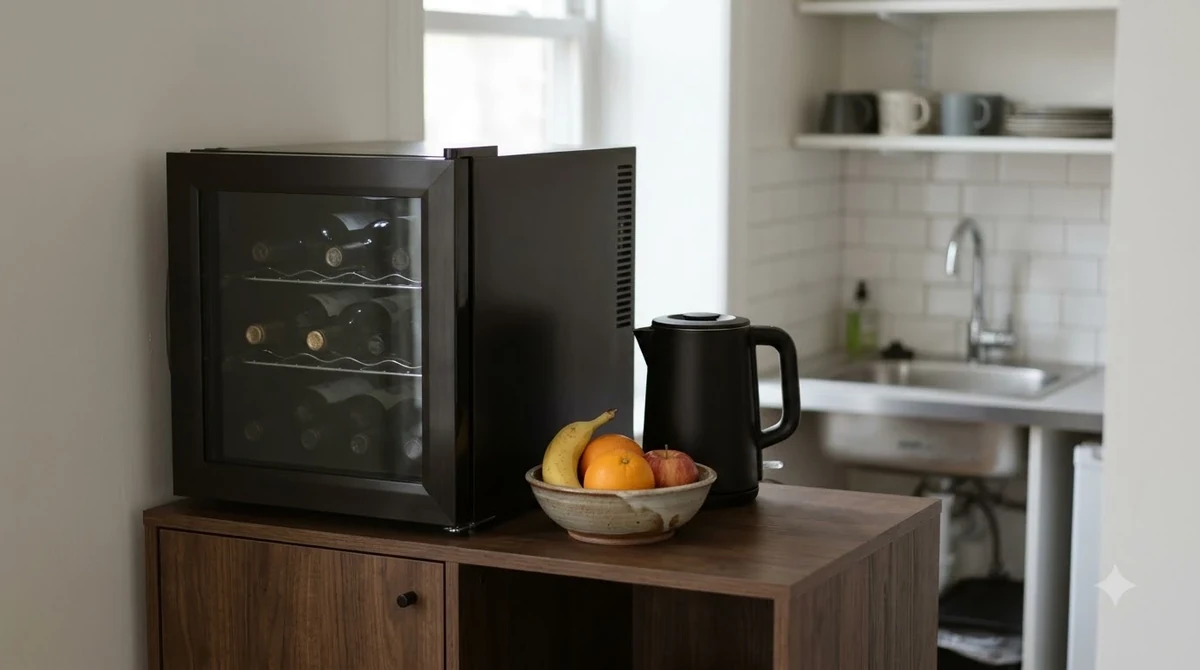
When floor space is tight, a compact 24 bottle wine refrigerator can fit in a closet, a dining room corner or a bar nook. Many models are slim enough to sit beside other appliances.
Why it stands out: A slim cabinet gives you 24 bottles of storage without a full-size wine fridge. It is also easy to move if you change homes.
Keep in mind: Compact units often have less insulation and a smaller compressor, so keep them out of direct sun and away from heat sources like ovens and radiators. Check the room temperature before you load bottles.
Best for: apartment dwellers, students and anyone with limited space who still wants a proper cooler.
How to Choose a 24 Bottle Wine Fridge
Start with how you drink, then check the practical details. The right unit should hold the bottles you buy, keep them at the right temperature, and fit the space you have.
Tip: Serving temperature and storage temperature are different. The VinePair guide on serving temperatures gives ranges for each style, with sparkling wine in the coldest band, whites slightly warmer, and full-bodied reds at the top. A dual zone unit makes it easier to match those ranges.
- Zones: choose dual zone if you serve both colors in the same week.
- Vent: built-in units often need front ventilation, freestanding units need clearance at the back.
- Door: a solid door blocks light and helps stability. A glass door shows the collection but needs UV protection.
- Noise: check the decibel rating if the unit will sit in a living area.
- Capacity: count your bottles and leave a few open slots for new arrivals.
If you are not sure how many bottles you really need, it helps to size the cooler against your habits. A 12 bottle wine fridge may be enough for a light drinker, while a 6 bottle wine fridge suits a small kitchen corner. For the full range, see the by bottle count section.
Frequently Asked Questions
What temperature should a 24 bottle wine fridge be set to?
A steady point around 13 °C (55 °F) suits short-term storage and aging for most wines. For serving, use a dual zone unit if you want whites cooler and reds warmer. Keep changes gradual, since large swings are harder on wine.
Is a dual zone or single zone 24 bottle fridge better?
Dual zone is better for mixed collections because each side can be set separately. Single zone is simpler and suits one style of wine or long-term storage of a single type.
How many glasses are in a 24 bottle wine fridge?
The number on the label is the number of bottles, not a fixed amount of wine. Leave some room for airflow and for bottles you open and reseal, so the cabinet does not feel cramped.
Can a 24 bottle wine fridge go in a kitchen?
Yes. Built-in and compact models are designed for kitchens and islands. Confirm the vent location and the required clearance before installing it inside a cabinet.
The best 24 bottle wine fridge for you depends on how you drink, where it will live and how long you plan to keep bottles. Start with the zone setup, then check the vent and door. For the other sizes, browse our 12 bottle and 6 bottle guides before you buy.
More in By Bottle Count
 Best 52 Bottle Wine Fridge Options for Every Kitchen and CollectionUpdated Nov 18, 2026
 Best 15 Bottle Wine Fridge Options for Quiet Storage and Ready-to-Pour ServingUpdated Nov 18, 2026
 Best 34 Bottle Wine Cooler Types for Kitchens, Bars, and Home CellarsUpdated Nov 18, 2026
 Best 166 Bottle Wine Cooler Types for Serious Collectors and HostsUpdated Nov 18, 2026
 Best 54 Bottle Wine Fridge Types for Undercounter and Home CellarsUpdated Nov 18, 2026
 Best 46 Bottle Dual Zone Wine Cooler for Built-In Kitchens and Home BarsUpdated Nov 19, 2026