

We may earn a commission when you buy through links on this page, at no extra cost to you. Learn more.
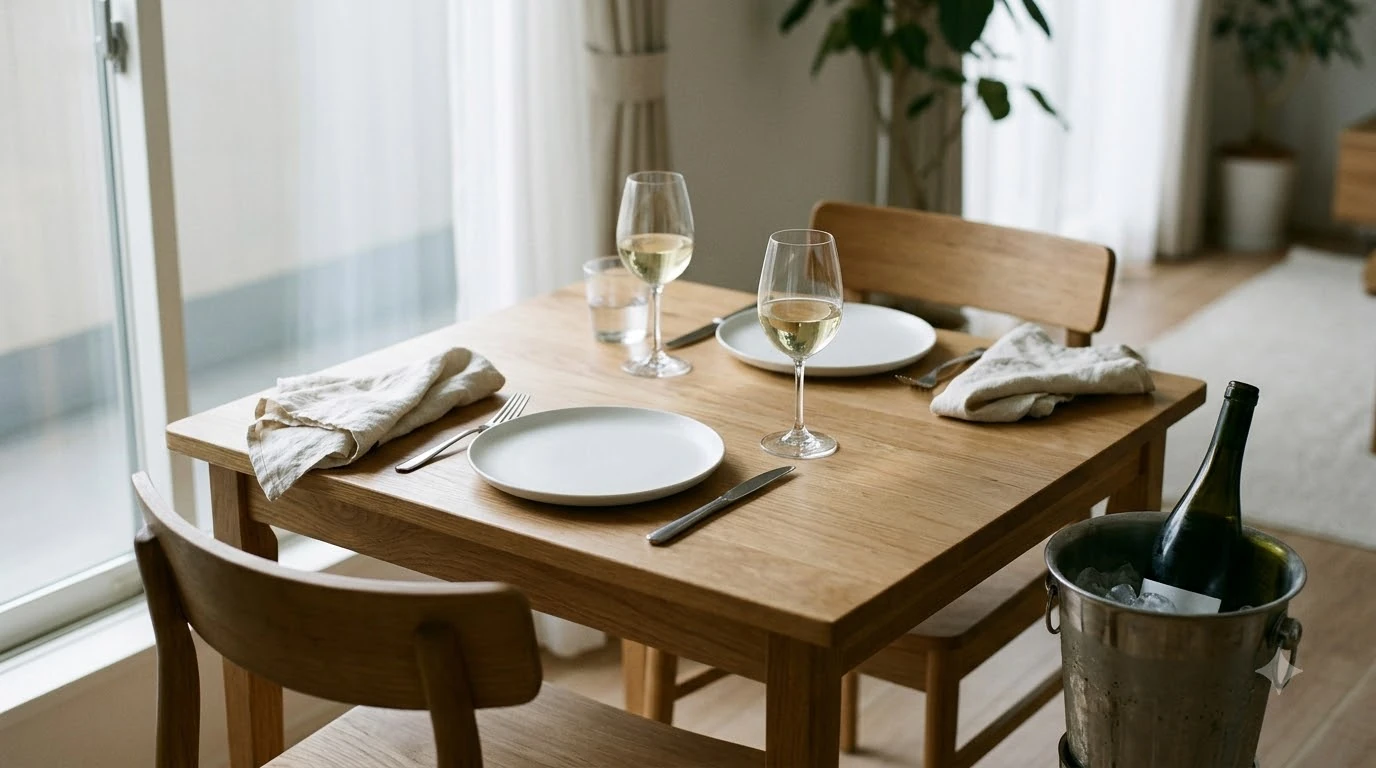
The typical Beringer White Zinfandel price in the United States is about $4 to $9 for a standard 750 ml bottle, depending on the retailer, location, and availability. Beringer Main & Vine White Zinfandel is an affordable California blush wine with fresh strawberry, red berry, citrus, and melon flavors. Its approachable sweetness, light body, and 10% ABV make it a practical choice for casual meals, parties, and everyday wine drinking.
Beringer White Zinfandel occupies an accessible part of the American wine market, making it appealing to shoppers who want a fruity pink wine without paying premium rosé prices. However, the amount charged at checkout can vary between grocery stores, specialist wine shops, and larger retailers. Understanding the usual bottle price, available sizes, flavor profile, and storage requirements makes it easier to decide whether a particular listing represents reasonable value.
Who This Is For: Understanding Beringer White Zinfandel Price and Value
Beringer White Zinfandel is a good option for shoppers seeking an inexpensive, lightly sweet California wine rather than a complex, dry rosé. A standard 750 ml bottle generally falls within the $4 to $9 retail range, making it accessible for informal occasions and everyday entertaining.
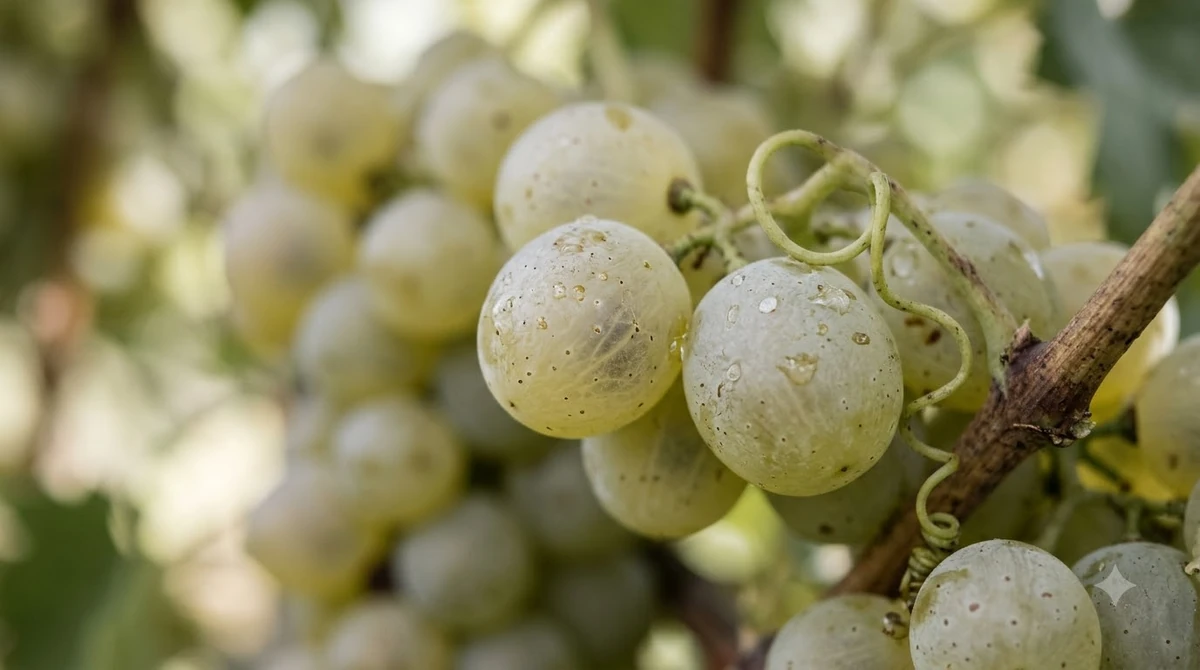
The wine is marketed as Beringer Main & Vine White Zinfandel. It is made from Zinfandel grapes, although its pale pink appearance and refreshing character make it more similar in presentation to rosé than to the bold red Zinfandel wines some shoppers might expect. Retail descriptions emphasize strawberry, fresh red berries, citrus, melon, and subtle spice.
The price is particularly attractive for shoppers who want a recognizable American wine brand without committing to an expensive bottle. Its straightforward fruit profile also makes it relatively easy to serve to guests with different wine preferences. People who enjoy lightly sweet wines, approachable rosé, or pink Moscato may find its style familiar.
However, the lowest-priced bottle is not automatically the right choice for every occasion. Someone looking for a bone-dry Provence rosé, a mineral-driven European wine, or a more structured red wine will probably prefer another style. Beringer’s White Zinfandel is designed around fresh fruit, modest alcohol, and approachable sweetness rather than complexity or extended aging.
It is also useful to consider the occasion before comparing prices. For a casual backyard gathering, a standard bottle may be sufficient. For a larger gathering, a bigger bottle can reduce the number of individual containers needed, although its total purchase cost will be higher.
Shoppers who want to understand the wine itself before making a purchase can read our Beringer White Zinfandel overview. It provides additional context about the wine’s style and flavor characteristics.
The strongest reason to consider this bottle is its combination of familiar fruit flavors, approachable sweetness, and an accessible retail price. It is best viewed as an everyday drinking wine rather than a special-occasion bottle intended for collectors.
Key Factors to Compare When Shopping for Beringer White Zinfandel
The most important purchasing considerations are bottle size, retailer pricing, availability, and the wine’s specifications. Comparing these details helps distinguish a genuinely competitive listing from one that only appears inexpensive because it displays a smaller bottle or a temporary promotion.
For a standard 750 ml bottle, inspected American retailer listings displayed prices of $4.49 at Total Wine, $5.23 at H-E-B, and $5.99 at WineDiscounts. These examples support a practical comparison range of approximately $4 to $9, although prices vary by state and retailer. See the Total Wine Beringer Main & Vine product listing for an example of retailer-specific pricing.
| Comparison factor | Typical specification or range | Why it matters |
|---|---|---|
| Standard bottle | 750 ml | Convenient everyday size |
| Retail price | About $4–$9 | Helps establish reasonable value |
| Alcohol content | 10% ABV | Indicates a relatively modest alcohol level |
| Serving size | 5 oz | Provides a consistent pouring reference |
| Glasses per bottle | Approximately 5 | Useful for planning gatherings |
| Serving temperature | 45–50°F | Preserves its refreshing character |
| Opened-bottle storage | 3–5 days refrigerated | Helps maintain freshness |
Retailer comparisons should use the same bottle size. A 750 ml bottle and a 1.5-liter bottle cannot be compared fairly by looking only at their total prices. The larger bottle contains twice as much wine, so the cost per milliliter is a more useful measurement.
Another important consideration is whether the listing includes delivery, pickup, or local-store availability. Some retailers display a general online price that changes when a shopper selects a particular location. Total Wine specifically notes that its price, vintage, and availability can vary by store. H-E-B also explains that pricing may differ between in-store, curbside, and delivery purchases.
There is also a distinction between regular shelf pricing and temporary promotional pricing. A retailer may advertise a lower amount for a limited period or as part of a multi-bottle purchase. Such offers should not be treated as the normal nationwide price.
For a sensible comparison, look at the bottle volume, standard price, local availability, and final checkout total. A slightly more expensive bottle from a nearby store can represent better practical value than a cheaper listing with additional delivery charges.
Tip: Compare the price per 750 ml rather than the total bottle price. For example, a 1.5-liter bottle contains twice as much wine as a 750 ml bottle, so dividing its price by two gives a useful standard-size comparison.
Finally, shoppers who are sensitive to sweetness should compare the wine’s flavor profile rather than assuming that all pink wines taste alike. Beringer White Zinfandel is fruit-forward and lightly sweet, which is an important part of its appeal.
Step-by-Step: How to Find a Fair Retail Price
A reliable purchase starts with checking the exact product and comparing equivalent bottle sizes. Following a few straightforward steps helps avoid confusing different Beringer wines, outdated listings, and misleading price comparisons.
-
Identify the correct wine.
Look for Beringer Main & Vine White Zinfandel rather than assuming every pink Beringer bottle is the same product. The winery’s portfolio includes several different wine styles, and White Zinfandel has its own fruit-forward flavor profile.
-
Confirm the bottle volume.
The standard format discussed here is 750 ml. If a retailer offers a larger 1.5-liter bottle, calculate the equivalent cost per 750 ml before deciding which option provides better value.
-
Compare several US retailers.
Check grocery stores, large wine retailers, and local independent wine shops. The inspected listings included Total Wine, H-E-B, and WineDiscounts, demonstrating how the same wine can carry different advertised prices.
-
Check the alcohol content.
Retailer product information identifies the wine at 10% ABV. This is useful when comparing it with other White Zinfandel wines or pink wines that have different alcohol levels.
-
Calculate the actual purchase cost.
Consider delivery fees, pickup charges, and any applicable local taxes. A lower advertised bottle price may not produce the lowest final checkout amount.
-
Review availability before traveling.
Some wine retailers display inventory that is specific to an individual store. Confirm that the bottle is available at the intended location before making a special trip.
-
Choose the bottle size that suits the occasion.
A 750 ml bottle provides approximately five standard 5-ounce servings. For a larger group, compare the larger format with purchasing multiple standard bottles.
These steps are particularly useful for shoppers who purchase the wine regularly. Keeping a record of the usual local price makes it easier to recognize when a retailer’s listing is competitive without relying on temporary promotional claims.
Another useful approach is to compare the product description across retailers. Similar references to strawberry, red berry, citrus, and melon help confirm that the listings refer to the same wine rather than another Beringer variety.
For additional buying advice across different producers and wine categories, explore our Wine Brands section. Comparing brands by style and intended drinking occasion can be more useful than focusing on price alone.
Types and Styles Explained: What You Get in the Bottle
Beringer White Zinfandel is a pink California wine made from Zinfandel grapes, with a light body and approachable sweetness. Its fruit-forward character makes it different from both dry rosé wines and full-bodied red Zinfandel.
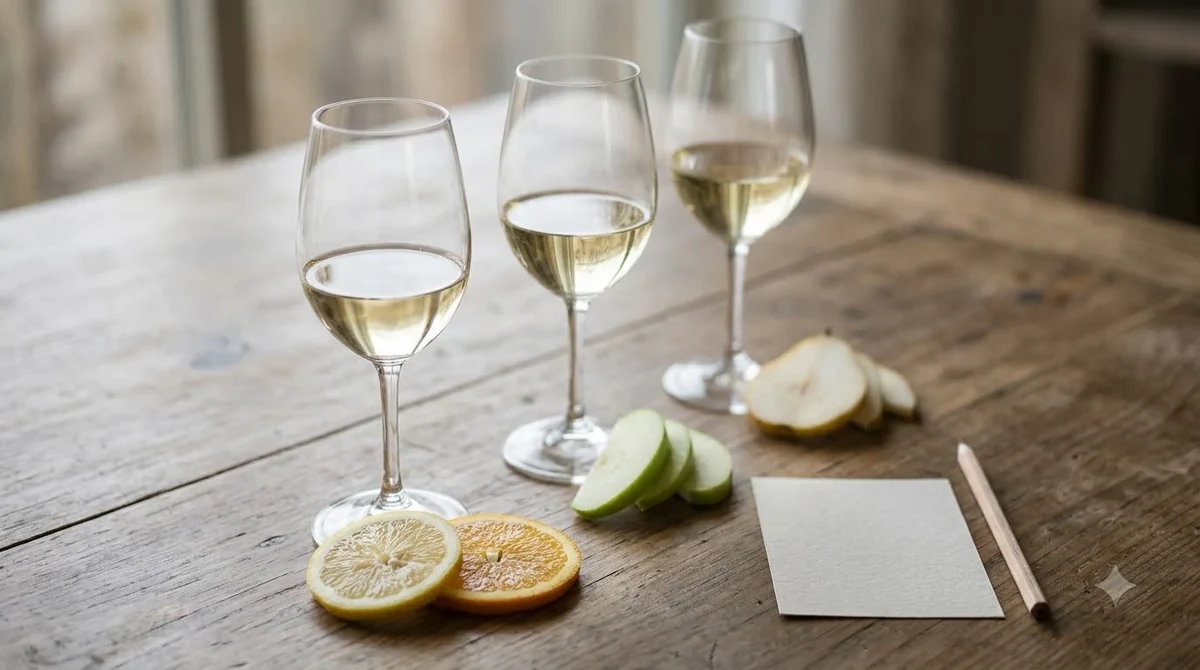
White Zinfandel and its pink color
The term White Zinfandel can be confusing because the wine is not made from a white grape variety. It is produced from red Zinfandel grapes, with winemaking choices that create a lighter-colored wine.
Retail descriptions of Beringer Main & Vine emphasize fresh red berry, citrus, and melon aromas. The combination of these fruit characteristics and the wine’s light blush appearance helps explain its popularity among drinkers who prefer approachable pink wines.
The finished wine emphasizes fresh fruit rather than heavy tannins or pronounced oak character. This gives it a different drinking experience from traditional red Zinfandel, which generally has a much fuller structure.
Flavor and sweetness
Beringer’s White Zinfandel is best understood as a lightly sweet, fruit-driven blush wine. Its flavor profile includes strawberry, red berries, citrus, melon, and subtle hints of nutmeg and clove.
The sweetness makes it approachable for drinkers who find very dry wines too sharp or austere. However, it is not the same as a dessert wine. Its fruit flavors, refreshing character, and moderate alcohol content make it suitable for casual drinking with food.
Shoppers comparing its sweetness with other wines should also consider acidity. A wine with refreshing acidity can taste balanced even when it has noticeable fruit sweetness. This is one reason chilled White Zinfandel works well with a variety of everyday dishes.
White Zinfandel compared with other rosé styles
Not every rosé has the same sweetness or body. Some French rosés are notably dry, with restrained fruit and a crisp finish. White Zinfandel generally places more emphasis on ripe berry flavors and an accessible sweet impression.
It also differs from pink Moscato, which often has a more pronounced floral and grape-like character. White Zinfandel’s combination of strawberry, citrus, and melon makes it a more savory-friendly option for dishes such as chicken and mildly spicy food.
Prosecco rosé is another different style. Prosecco is made primarily from Glera grapes using the tank method, while Beringer White Zinfandel is a still wine. A shopper looking for bubbles should therefore consider sparkling wine rather than assuming that every pink wine offers the same drinking experience.
Alcohol content and bottle quantity
Beringer Main & Vine White Zinfandel is listed at 10% ABV by H-E-B and WineDiscounts. Its standard 750 ml bottle provides approximately five 5-ounce servings, making it relatively easy to plan portions for a meal or small gathering.
For a closer explanation of this specification, see our article about Beringer White Zinfandel alcohol content. Alcohol percentage is a useful comparison point, but it does not determine sweetness or overall flavor by itself.
Common Mistakes When Comparing Bottle Prices
One of the most frequent buying mistakes is assuming that the lowest advertised amount represents the best overall value. Bottle volume, retailer location, availability, and product identity all affect the usefulness of a price comparison.
Another mistake is confusing Beringer White Zinfandel with another pink wine from the same producer. A retailer’s product catalog may include several rosé and blush options, and their flavor profiles are not necessarily interchangeable.
Comparing different bottle sizes
A 1.5-liter bottle contains twice the wine of a 750 ml bottle. A larger bottle may therefore cost more in total while still offering a lower cost per standard serving.
For example, imagine a hypothetical 750 ml bottle priced at $6 and a 1.5-liter bottle priced at $10. The smaller bottle costs $6 per 750 ml, while the larger format works out to $5 per equivalent 750 ml. This calculation illustrates why the total price alone can be misleading.
Assuming all retailer listings are identical
Different retailers can display different prices because of local inventory, purchasing arrangements, and store-specific pricing. A listing in Texas may not match one in Connecticut or California.
Total Wine explicitly identifies store-level price and availability differences, while H-E-B distinguishes between its in-store, curbside, and delivery pricing. These details make local verification important.
Confusing sweetness with fruit flavor
Strawberry and melon aromas do not automatically mean that a wine has a high sugar concentration. Aromas and perceived sweetness are separate sensory characteristics, although they can influence each other.
White Zinfandel generally has a softer, sweeter impression than a dry Sauvignon Blanc. However, shoppers should avoid assuming that every bottle labeled rosé has the same sweetness level. For a more focused explanation, read our article about Beringer White Zinfandel sugar content.
Ignoring the intended drinking occasion
A wine’s value also depends on whether its style matches the meal. Beringer White Zinfandel is a practical option for relaxed meals, casual gatherings, and drinkers who enjoy fresh berry flavors.
It is less suitable for someone specifically seeking a powerful Cabernet Sauvignon, a complex aged red, or a dry wine with pronounced mineral character. Paying attention to style helps prevent an inexpensive bottle from becoming an unsuitable purchase.
The best approach is to compare like with like: the same wine, the same bottle volume, and the final price from a retailer that can actually supply it.
Care and Storage Tips for Preserving Freshness
Beringer White Zinfandel is intended to be enjoyed young and fresh rather than stored for extended aging. Keeping it cool, serving it at the appropriate temperature, and refrigerating opened wine helps preserve its fruity character.
WineDiscounts recommends serving Beringer White Zinfandel at 45–50°F. This temperature range keeps the wine refreshing while allowing its strawberry, citrus, and melon characteristics to remain noticeable.
Chill before serving
Place the bottle in the refrigerator before serving. If the wine has been stored at room temperature, allow sufficient time for it to cool throughout rather than serving it immediately after a brief period in the refrigerator.
A temperature of 45–50°F is a useful target. Serving the wine considerably warmer can make its alcohol and sweetness seem more pronounced, while serving it excessively cold can mute its aromas.
A standard white wine glass is appropriate. There is no need for specialized glassware, decanting equipment, or an elaborate serving setup.
Store unopened bottles correctly
Keep unopened bottles away from direct sunlight, strong heat, and repeated temperature changes. A cool, relatively stable storage environment helps preserve the wine’s fresh fruit character.
For short-term storage, a cool cupboard or wine refrigerator is suitable. The general wine-storage target is approximately 55°F, with bottles stored on their sides when using traditional cork closures.
There is little reason to purchase this particular style for long-term cellaring. Its appeal is based on youthful fruit and refreshing sweetness, so buying it for relatively near-term consumption makes more sense.
Preserve an opened bottle
After opening, replace the closure or use a suitable wine stopper and refrigerate the remaining wine. WineDiscounts recommends enjoying an opened bottle within 3–5 days.
Exposure to oxygen gradually changes the wine’s aromas and flavors. Refrigeration slows this process, although it does not stop it completely. Before serving a previously opened bottle, pour a small amount and check whether the fruit character remains fresh.
For a gathering, avoid opening more bottles than necessary. A 750 ml bottle provides approximately five standard servings, which can help estimate the quantity required for a small dinner or casual event.
Pair with suitable food
Beringer White Zinfandel is versatile with several everyday foods. H-E-B specifically recommends chicken thighs with white sauce, while Total Wine highlights spicy cuisine as another suitable pairing.
Other sensible choices include grilled chicken, mild cheeses, fruit plates, lightly sweet glazes, and mildly spicy Asian-inspired dishes. The wine’s fruit-forward character can complement these flavors without requiring a complicated menu.
For dishes with noticeable acidity, choose foods whose acidity is balanced by the wine. Salt and fat can also soften the perception of tannin in wines that contain more of it, although Beringer White Zinfandel is not a tannin-heavy style.
Its modest alcohol level and refreshing serving temperature make it particularly convenient for informal lunches and warm-weather meals.
Frequently Asked Questions
Does Beringer White Zinfandel have a vintage year?
Beringer Main & Vine White Zinfandel is commonly marketed as a non-vintage wine rather than as a bottle intended for extended vintage comparisons. This means the emphasis is on maintaining a familiar house style instead of highlighting the differences between individual harvest years. Retailers may still display different inventory or packaging over time.
Is Beringer White Zinfandel suitable for a wine gift?
It can be a practical informal gift for someone who enjoys sweet, fruity pink wines. Its recognizable brand and approachable style make it suitable for casual celebrations, picnics, and simple host gifts. For a formal wine gift or a recipient who collects premium bottles, a more distinctive regional wine may be more appropriate.
Does Beringer White Zinfandel contain sulfites?
Wine products can contain naturally occurring and added sulfites, and some retailers identify sulfites in their product warnings. The precise ingredient information should be obtained from the current bottle or producer’s product information. A retailer’s general description of aromas and flavors is not a complete ingredient declaration.
Can Beringer White Zinfandel be used in a wine cocktail?
Yes. Its fruity character makes it a possible base for simple wine punches and chilled fruit-based drinks. Fresh strawberries, citrus slices, and sparkling water can complement its berry and melon flavors without overwhelming the wine. Prepare small batches and keep them refrigerated until serving.
Is Beringer White Zinfandel a still wine or a sparkling wine?
Beringer Main & Vine White Zinfandel is a still blush wine, not a traditional sparkling wine. It is not produced to deliver the sustained bubbles associated with Champagne or tank-fermented Prosecco. This makes it suitable for ordinary wine glasses rather than requiring sparkling-wine service.
Beringer White Zinfandel offers an accessible combination of fresh berry flavors, approachable sweetness, and a relatively modest alcohol level. For most US shoppers, approximately $4 to $9 is a reasonable comparison range for a 750 ml bottle, although local availability and retailer pricing will determine the actual purchase cost. Compare equivalent bottle sizes, confirm the final checkout price, and choose this wine when a refreshing, fruit-forward California blush suits the occasion.
More in Wine Brands
 Underwood Wine Price: Compare Bottles, Cans, and Pack SizesUpdated Nov 21, 2026
 Zenato Wine Price: Compare Styles and Choose the Right BottleUpdated Nov 21, 2026
 Zuccardi Wine Price: Compare Bottles and Find the Right RangeUpdated Nov 21, 2026
 Yellow Tail Moscato Review: Taste, Sweetness and Serving TipsUpdated Nov 21, 2026
 Wolf Blass Yellow Label Review: Choose Your Best StyleUpdated Nov 21, 2026
 Wolffer Estate Rose Review: Choose the Right Bottle for Your TableUpdated Nov 21, 2026