

We may earn a commission when you buy through links on this page, at no extra cost to you. Learn more.
Bergerac wine tasting introduces you to the diverse wines of southwestern France, including fruit-driven reds, crisp Sauvignon Blanc blends, refreshing rosés, and luscious Monbazillac dessert wines. Located along the Dordogne River, the Bergerac region shares several grape varieties with neighboring Bordeaux but offers its own distinctive appellations and wine styles. A tasting is an excellent opportunity to compare different expressions of Merlot, Cabernet Sauvignon, Sémillon, and Sauvignon Blanc while discovering some of France’s most interesting lesser-known wines.
Bergerac is particularly appealing to wine enthusiasts who enjoy variety. Within a relatively compact area, you can explore structured hillside reds, aromatic dry whites, gently sweet wines, and concentrated botrytized dessert wines. Whether you are planning a visit to the Dordogne or looking for bottles to explore at home, understanding the region’s appellations will help you get more from every glass.
Understanding the Bergerac Wine Region and Its Appellations
Bergerac is a wine-producing area in southwestern France, stretching along both banks of the Dordogne River between Saint-Émilion and the Périgord region. Its neighboring vineyards produce several distinct appellation wines, making it possible to compare Bordeaux-influenced reds with fresh whites and traditional sweet wines during one tasting.
The broader Bergerac-Duras winegrowing area includes seven principal terroirs: Bergerac, Pécharmant, Rosette, Montravel, Monbazillac, Saussignac, and Duras. These names represent different geographical areas and wine identities rather than interchangeable labels. The official regional classification includes 10 appellations of protected origin covering 17 wine styles, with some appellations producing more than one color or sweetness category.
The Bergerac appellation received AOC recognition in 1936, while Côtes de Bergerac followed in 1955. The standard Bergerac appellation covers red, rosé, and dry white wines. Côtes de Bergerac also includes red wines and sweeter white expressions. These distinctions matter during a tasting because two bottles bearing the Bergerac name can have noticeably different structures and levels of sweetness.
According to the Pays de Bergerac tourism authority, the Bergerac terroir alone encompasses approximately 7,350 hectares of vineyards, 800 winegrowers, and average annual production of 380,000 hectoliters. The broader regional wine landscape extends beyond these figures and includes smaller specialist appellations.
Bergerac’s relationship with Bordeaux is an important part of its identity. Both areas use familiar varieties such as Merlot, Cabernet Sauvignon, Cabernet Franc, Sauvignon Blanc, and Sémillon. However, Bergerac has its own geographical conditions, vineyard traditions, and appellation requirements. Its white-wine production is particularly significant, offering styles that deserve attention alongside its reds.
For visitors, this diversity means that a regional tasting should not focus exclusively on red wine. Comparing a Bergerac Sec, a Pécharmant red, and a Monbazillac sweet white provides a much clearer picture of the area’s character. Those exploring other French wine destinations can also compare the experience with Alsace wine tasting, where aromatic white grapes play a similarly important role in regional identity.
Bergerac Grapes and the Flavors to Expect
Bergerac uses familiar Bordeaux grape varieties but produces a wider range of wine styles than many visitors initially expect. Merlot is central to its reds, while Sauvignon Blanc and Sémillon form important parts of its white wines, creating opportunities to compare fruit, acidity, body, and tannin.
Merlot is particularly important in Bergerac red wine. It typically contributes medium tannins, rounded texture, and flavors associated with ripe plum, cherry, and other dark fruits. In softer Bergerac Rouge wines, it can provide an approachable character that makes the wines enjoyable without extensive aging.
Cabernet Sauvignon adds structure, firmer tannins, and blackcurrant-like fruit. Cabernet Franc can contribute aromatic freshness and red-fruit character, while Malbec brings additional color and dark-fruit intensity. The proportions vary between producers and appellations, so tasting several examples is a useful way to understand the differences.
White wines have an equally interesting combination of varieties:
- Sauvignon Blanc: Provides citrus, green fruit, herbal aromas, and refreshing acidity.
- Sauvignon Gris: Offers an alternative aromatic profile and additional texture in some blends.
- Sémillon: Contributes body, roundness, and richness, particularly in sweeter wines.
- Muscadelle: Adds floral and aromatic characteristics to white blends.
- Chenin Blanc: Can contribute acidity and midpalate texture in some modern white blends.
Wine Enthusiast’s overview of Bergerac white wines highlights the interest in the region’s white-wine styles and the role of grape varieties in maintaining freshness. The permitted blends offer winemakers different ways to balance aromatic intensity, acidity, and texture.
Rosé is another worthwhile tasting category. Made primarily from the region’s red grape varieties, Bergerac rosé typically emphasizes fresh red berries, light floral notes, and an easy-drinking texture. It works particularly well as an introduction to the region for visitors who prefer lighter wines.
When comparing these grapes, pay attention to acidity and tannin rather than focusing exclusively on fruit aromas. Sauvignon Blanc generally has high acidity, while Merlot has softer, medium tannins compared with Cabernet Sauvignon. These differences help explain why Bergerac wines can work with such a wide range of dishes.
A useful tasting exercise is to compare a Sauvignon Blanc-led dry white with a Merlot-led red before moving to a sweet Sémillon-based wine. This sequence reveals how grape variety and winemaking choices influence the final character of each bottle.
The Main Bergerac Wine Styles to Try
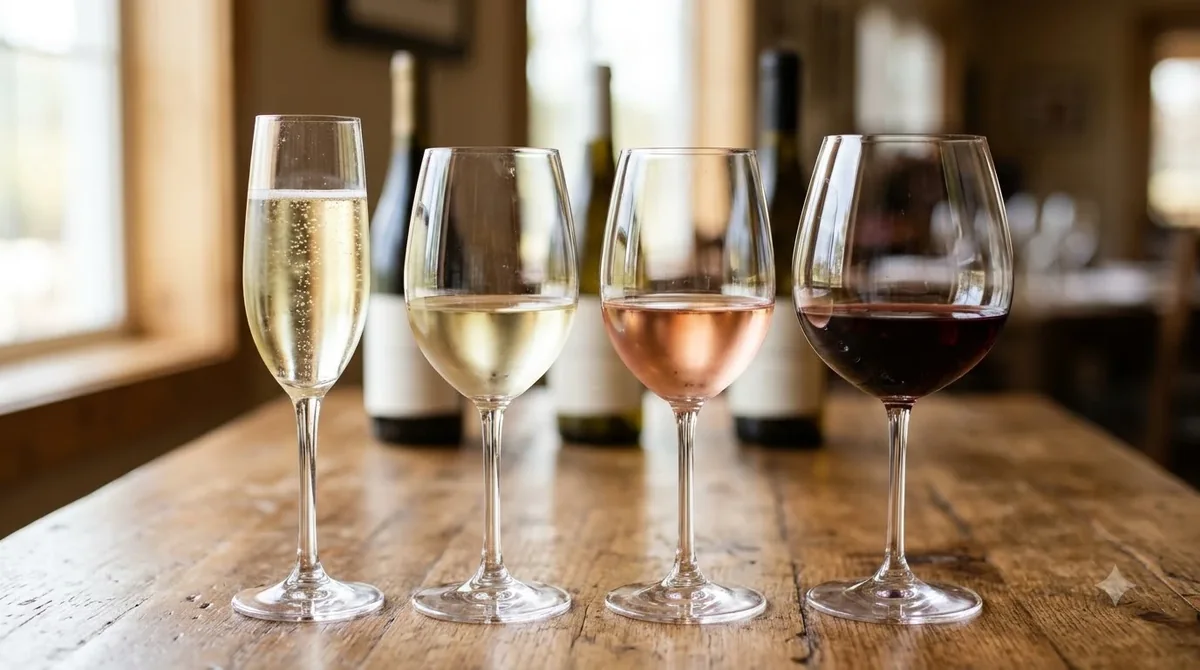
A well-planned Bergerac tasting should include at least four different styles: dry white, red, rosé, and sweet white. The regional appellations provide several additional variations, including structured Pécharmant reds, mellow Rosette whites, and concentrated Monbazillac dessert wines.
Bergerac Sec: Fresh and Dry White Wine
Bergerac Sec is the region’s dry white-wine category. These wines commonly feature Sauvignon Blanc, Sémillon, and other permitted varieties, producing combinations of citrus, orchard fruit, floral notes, and refreshing acidity.
Some examples are light and immediately approachable, while more ambitious bottlings offer additional texture and complexity. Sémillon can make the palate feel rounder, while Sauvignon Blanc contributes freshness. These wines are particularly useful for introducing the regional white-wine identity before moving to sweeter expressions.
Bergerac Rouge: Approachable Regional Reds
Bergerac Rouge is a practical starting point for red-wine enthusiasts. Merlot often provides a soft foundation, supported by Cabernet Sauvignon, Cabernet Franc, or Malbec. Expect possible notes of black cherry, plum, blackberry, and gentle spice.
The style varies with vineyard location, grape proportions, and winemaking. Some wines are designed for relatively early drinking, while more concentrated examples offer greater structure and aging potential. A comparison with Côtes de Bergerac Rouge can reveal differences in richness and complexity.
Pécharmant: Structured Red Wines
Pécharmant is one of the region’s most distinctive red appellations. Located east of Bergerac, it is associated with red clay, flint, and gravel soils that help distinguish its wines from more general Bergerac bottlings.
The wines commonly combine Merlot, Cabernet Sauvignon, Cabernet Franc, and Malbec. They tend to have firmer tannins, deeper fruit, and greater structure than softer regional reds. Blackcurrant, plum, spice, and earthy notes are useful characteristics to look for during a tasting.
According to Decanter’s regional profile of Bergerac, Pécharmant is particularly notable for its structured red wines and distinctive soils. Producers such as Château Tiregand and Domaine Haut-Pécharmant are names worth recognizing when exploring this appellation.
Monbazillac: Rich and Sweet White Wine
Monbazillac is perhaps the best-known sweet-wine appellation associated with Bergerac. Its wines are produced from concentrated grapes, often affected by noble rot, which reduces their water content and intensifies natural sugars and flavors.
Expect aromas and flavors of apricot, honey, candied citrus, dried fruit, and sometimes floral notes. Despite their sweetness, good examples retain balancing acidity that prevents the wine from feeling excessively heavy.
Monbazillac is particularly interesting when compared with Saussignac. Both appellations produce sweet wines, but individual bottlings can differ considerably in concentration, aromatic character, and overall weight.
Rosette, Saussignac, and Montravel
Rosette is a smaller appellation known for mellow, gently sweet white wines. Its freshness and softer sweetness make it a useful alternative for people who enjoy aromatic white wines but do not necessarily want the intensity of a concentrated dessert wine.
Saussignac produces sweet whites associated with noble-rot grapes and late harvesting. Its wines can offer concentrated fruit and honeyed aromas while retaining freshness. Montravel is more varied, with dry white, sweet white, syrupy sweet, and red expressions. These smaller appellations provide some of the most interesting comparisons for a curious wine enthusiast.
For a balanced tasting flight, begin with Bergerac Sec, follow with Bergerac Rouge and Pécharmant, and finish with Rosette or Monbazillac. This progression moves from dry and relatively light wines toward more structured reds and sweeter whites.
How to Taste and Compare Bergerac Wines
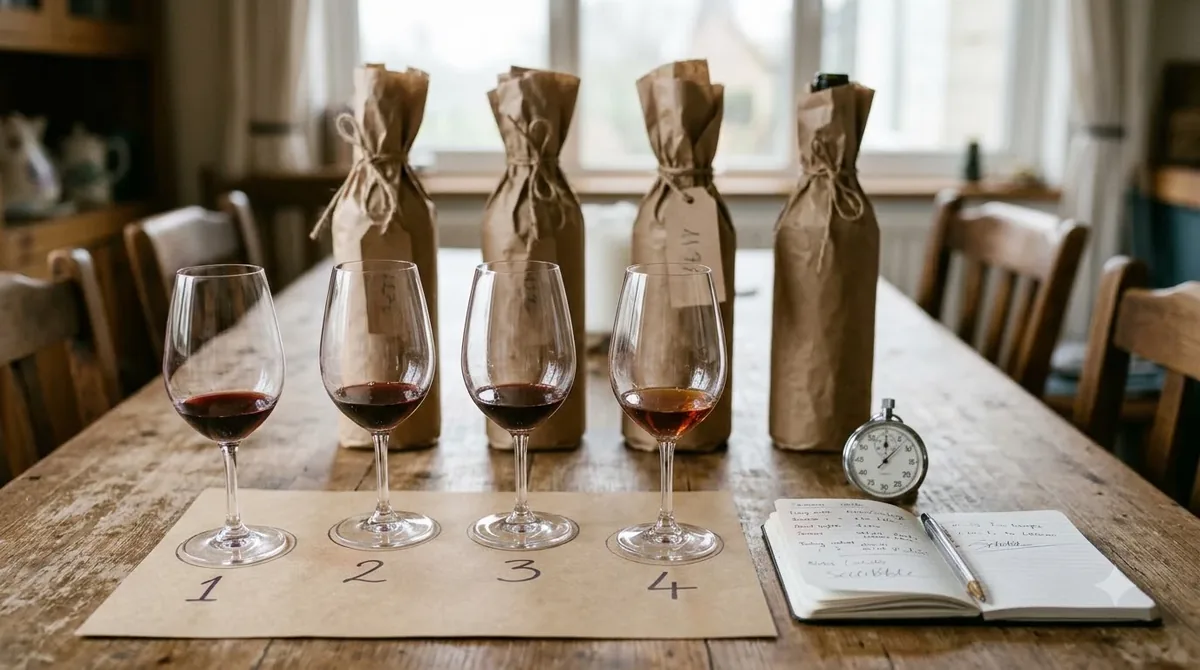
The best way to understand Bergerac is to taste its wines systematically rather than treating each bottle as an isolated experience. Comparing appellations, grape varieties, acidity, tannins, and sweetness allows you to identify what makes each style different.
Start by examining the wine’s appearance. Hold the glass against a white background and look at its color and clarity. A young Bergerac red may show ruby or deep purple tones, while a mature example can develop garnet hues. Dry whites generally range from pale straw to deeper yellow, while sweet Monbazillac can display golden or amber tones.
Next, assess the aromas. Gently swirl the glass to release the wine’s aromatic compounds. Look for fruit, floral, herbal, spice, and earthy characteristics rather than trying to identify every possible scent. Sauvignon Blanc may suggest citrus and fresh herbs, Merlot can show plum and cherry, and Monbazillac may offer honey, apricot, and candied fruit.
The palate provides the most useful information. Consider five characteristics:
- Sweetness: Determine whether the wine is dry, gently sweet, or intensely sweet.
- Acidity: Notice how fresh or mouthwatering the wine feels.
- Tannin: Assess the drying sensation, especially in Pécharmant and Cabernet Sauvignon-based reds.
- Body: Consider whether the wine feels light, medium-bodied, or full-bodied.
- Finish: Notice how long the flavors remain after swallowing.
When comparing two reds, taste Bergerac Rouge before Pécharmant. The difference in tannin and structure can become more apparent when the softer wine comes first. Similarly, compare a dry Bergerac Sec with a gently sweet Rosette before moving to Monbazillac.
Temperature also influences the experience. Serving wine too cold can suppress aromas, while excessive warmth can make alcohol more noticeable. The following temperatures provide useful starting points.
| Wine Style | Serving Temperature | What to Notice |
|---|---|---|
| Bergerac sparkling wine | 40–50°F | Bubbles and freshness |
| Bergerac Sec | 45–50°F | Citrus and acidity |
| Bergerac rosé | 45–50°F | Fresh red fruit |
| Monbazillac | 43–50°F | Honey and concentrated fruit |
| Bergerac Rouge | 55–60°F | Fruit and moderate tannins |
| Pécharmant | 60–65°F | Structure and deeper flavors |
These temperatures are practical guidelines rather than strict rules. A full-bodied red served slightly cooler than a typical room temperature often shows better balance, while sweet whites benefit from enough chilling to maintain freshness without hiding their aromas.
Tip: Use a consistent glass and pour approximately 5 ounces for each standard tasting serving. A 750 ml bottle provides about five standard glasses, so smaller tasting pours allow you to compare more Bergerac appellations without filling your glass too much.
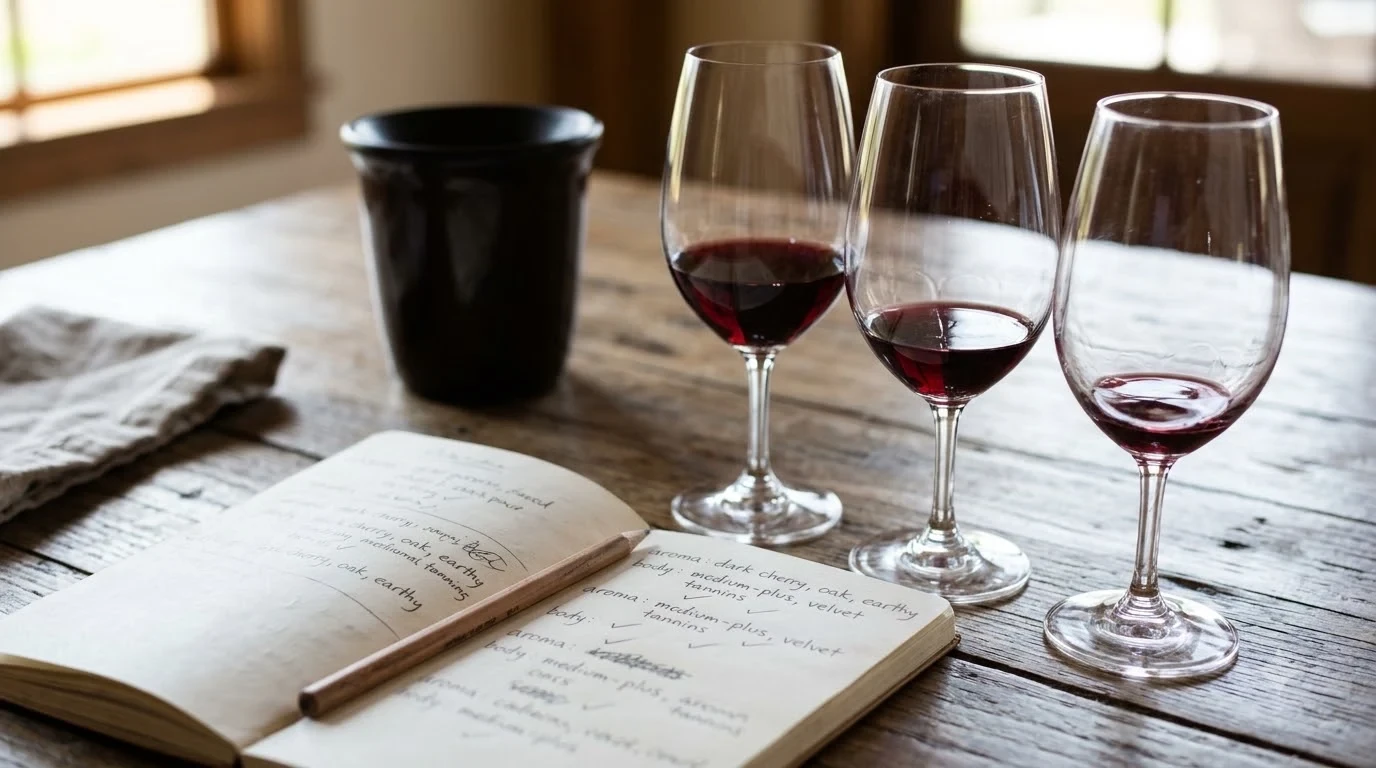
It is also useful to take short notes after each wine. Record the appellation, grape varieties, sweetness, acidity, and your favorite aromas. Even a few descriptive words can help you remember whether you preferred a soft Bergerac Rouge or the more structured character of Pécharmant.
Food Pairings for Bergerac Wines
Bergerac wines pair naturally with the traditional cooking of the Dordogne, including duck, poultry, mushrooms, cheeses, and fruit-based desserts. The key is to match the weight, acidity, tannin, and sweetness of the wine with the intensity and texture of the food.
Pairing Bergerac Reds With Meat and Savory Dishes
Bergerac Rouge is a natural match for roast chicken, grilled pork, duck breast, and herb-seasoned dishes. Its Merlot-led structure and moderate tannins complement savory flavors without overwhelming lighter meats.
Pécharmant is better suited to richer dishes. Try it with grilled beef, roasted lamb, slow-cooked duck, or mushroom-based preparations. Its firmer tannins can work particularly well with protein-rich food, while the savory character of the dish helps bring out the wine’s fruit and earthy notes.
Cabernet Sauvignon-based blends can handle substantial dishes such as grilled steak and roasted red meat. Merlot-led Bergerac wines are often more flexible with poultry and moderately rich sauces. For dishes containing mushrooms, consider a mature Pécharmant with developed earthy characteristics.
Pairing Dry Whites and Rosé
Bergerac Sec works well with freshwater fish, shellfish, grilled vegetables, and goat cheese. Its acidity can balance richer preparations and complement dishes featuring lemon, fresh herbs, or light vinaigrettes.
Try Sauvignon Blanc-led Bergerac with oysters, shrimp, or grilled white fish. A more rounded Sémillon-influenced wine can accompany roast chicken, creamy vegetable dishes, and mild cheeses.
Bergerac rosé is suitable for charcuterie, salads, grilled chicken, and summer vegetable dishes. Its fresh berry character and moderate weight make it particularly useful when a meal includes several lighter components rather than one dominant ingredient.
Pairing Sweet Bergerac Wines With Dessert
Monbazillac is a classic partner for blue cheese, fruit tarts, and desserts featuring apricot, peach, or apple. The sweetness of the wine balances salty and savory elements, while its acidity helps keep the combination from feeling too rich.
Foie gras is another traditional pairing. The richness of the dish works well with the concentrated sweetness and freshness of a well-balanced Monbazillac. Gently sweet Rosette and Côtes de Bergerac Moelleux can also accompany fruit-based desserts and mild cheeses.
A useful principle is to choose a wine that is at least as sweet as the dessert. Otherwise, the wine can taste unexpectedly acidic or thin beside a very sweet dish. For chocolate desserts, select carefully: intense dark chocolate can make some delicate sweet whites seem less expressive.
For a regional meal, consider serving Bergerac Sec with an appetizer, Pécharmant with duck or beef, and Monbazillac with a fruit tart. This sequence demonstrates the area’s range while keeping the food and wine combinations harmonious.
Planning a Bergerac Wine Tasting Visit
A visit to Bergerac’s vineyards is an opportunity to explore individual estates, compare appellations, and learn how local producers interpret familiar grape varieties. The regional wine tourism network promotes cellar visits, vineyard walks, tasting experiences, and wine-focused stops throughout the Dordogne countryside.
Bergerac itself makes a practical starting point because it provides access to several nearby winegrowing areas. From there, visitors can explore Pécharmant to the east, Monbazillac to the south, and the vineyards associated with Montravel and Saussignac in other parts of the wider region.
The official regional tourism authority identifies approximately 130 winegrowers who welcome visitors through its wine route network. Individual estates offer different experiences, so it is useful to decide whether the priority is tasting, vineyard scenery, cellar architecture, or learning about production methods.
Where to Begin
Quai Cyrano in Bergerac is a useful starting point for regional wine information. The tourism network also promotes Maisons des Vins, where visitors can learn about local appellations and discover the wider Bergerac-Duras wine selection.
For a first visit, consider concentrating on three geographical areas rather than trying to cover every appellation in one day.
- Bergerac: Begin with regional reds, dry whites, and rosés to understand the area’s basic wine styles.
- Pécharmant: Explore structured reds and compare the influence of local soils and grape blends.
- Monbazillac: Discover sweet white wines and learn about noble rot, concentrated grapes, and dessert-wine production.
If time permits, add Saussignac or Montravel to the itinerary. These areas provide additional opportunities to compare sweetness levels and different approaches to white-wine production.
Making the Most of an Estate Visit
Before visiting a winery, confirm its opening arrangements and whether appointments are necessary. Smaller family-run estates may not offer the same daily visiting schedule as larger wine tourism destinations. Ask whether the tasting includes several appellations, a vineyard tour, or a discussion of grape varieties.
During the visit, ask how the producer approaches blending. For example, does the Bergerac Rouge emphasize Merlot, or does Cabernet Sauvignon provide more structure? For white wines, ask how Sauvignon Blanc and Sémillon contribute to the final blend.
Sweet-wine tastings deserve particular attention. Ask how the producer selects botrytized grapes, how harvest conditions affect concentration, and how acidity balances the finished wine. Comparing Monbazillac with Saussignac can be especially informative.
Visitors interested in broader regional wine travel can also explore Wine Regions for additional background, or compare the Bordeaux-influenced character of Bergerac with the Italian reds featured in Bolgheri wine tasting.
Remember to allow enough time between appointments, particularly if visiting several estates in one day. A focused tasting of three or four wines at each stop usually provides more useful information than rushing through a long list of bottles.
Choosing, Serving, and Storing Bergerac Wines
Choosing Bergerac wine becomes easier when you begin with the style you enjoy most. Look for Bergerac Sec if you prefer dry, refreshing whites; Bergerac Rouge for approachable reds; Pécharmant for greater structure; and Monbazillac or Saussignac for sweet white wines.
The appellation name is often the most useful starting point. A bottle labeled Bergerac Sec is dry, whereas Monbazillac is associated with sweet wine. Rosette generally offers a gentler sweet-white experience, and Pécharmant is a red-wine appellation. Understanding these distinctions prevents confusion when browsing unfamiliar French labels.
Producer and grape information can further refine your choice. A Merlot-led Bergerac red is a sensible option for someone who enjoys softer tannins and ripe plum flavors. A Cabernet Sauvignon-influenced blend may offer more structure and a firmer finish.
For white wines, consider the balance between Sauvignon Blanc and Sémillon. A fresh, Sauvignon-led blend may suit seafood and lighter meals, while a richer white with more Sémillon influence can work with poultry and creamy dishes.
Serving and Opening Bottles
Serve dry Bergerac whites at approximately 45–50°F and rosé at the same temperature range. Bergerac reds are generally more expressive around 55–60°F, while structured Pécharmant can be served around 60–65°F. Monbazillac is best enjoyed chilled at approximately 43–50°F.
For younger, full-bodied reds, decanting for 30–60 minutes can help soften the initial impression and allow aromas to develop. This is particularly useful for structured wines with firm tannins. Lighter Bergerac reds generally need less preparation before serving.
Use a standard 5-ounce pour when serving wine at the table. This leaves enough room in the glass to swirl the wine and assess its aromas. For a tasting flight, smaller pours make it easier to compare multiple appellations.
Storing Opened and Unopened Bottles
Unopened Bergerac bottles should be stored in a cool, dark place with a reasonably stable temperature. Around 55°F is a useful storage target. Traditional cork-finished bottles are generally stored on their sides to help maintain cork contact with the wine.
Once opened, reseal the bottle and place it in the refrigerator, including red wines. Most still wines remain enjoyable for approximately 3–5 days, depending on their style and exposure to oxygen. Sparkling wines generally last 1–3 days with an appropriate sparkling-wine stopper, while fortified wines can remain enjoyable for several weeks.
Sweet wines such as Monbazillac may retain their character longer than many dry whites because their sugar and acidity contribute to their stability, but storage conditions and the specific wine matter. Refrigeration and a secure closure help preserve the remaining wine.
When selecting bottles to keep, remember that not every Bergerac wine is intended for long-term aging. Many regional whites, rosés, and approachable reds are best enjoyed relatively young. More structured Pécharmant and carefully made concentrated sweet wines may have greater aging potential, depending on the producer and vintage.
Frequently Asked Questions
Is Bergerac wine the same as Bordeaux wine?
No. Bergerac and Bordeaux are separate French wine regions with their own appellations and production rules, although they share several grape varieties. Bergerac also has a particularly diverse sweet-white wine tradition, including Monbazillac and Saussignac, that gives its regional selection a distinctive identity.
What does Bergerac mean on a French wine label?
Bergerac identifies a protected wine appellation in southwestern France rather than a particular grape variety. The name can appear on red, rosé, and dry white wines, while Côtes de Bergerac identifies another appellation with its own permitted styles. The classification tells buyers about the wine’s geographical origin and production standards.
Is Monbazillac made from the same grapes as Sauternes?
Both regions use overlapping varieties, particularly Sémillon, Sauvignon Blanc, and Muscadelle. Both also produce wines that can be influenced by Botrytis cinerea, commonly called noble rot. However, Monbazillac and Sauternes are separate appellations with distinct geographical origins and production regulations.
What does noble rot mean in sweet Bergerac wine production?
Noble rot is a beneficial form of fungal development caused by Botrytis cinerea under suitable vineyard conditions. It affects ripe grapes, helping concentrate their sugars and contributing distinctive aromas associated with honey, dried fruit, and apricot. The development depends on specific moisture and weather conditions during the growing season.
How many Bergerac wine appellations are there?
The broader Bergerac-Duras winegrowing area has 10 AOP appellations covering 17 wine styles, according to the regional tourism authority. Its seven principal named terroirs include Bergerac, Pécharmant, Rosette, Montravel, Monbazillac, Saussignac, and Duras. Some appellations produce multiple colors or sweetness categories.
Bergerac offers much more than an alternative to Bordeaux, combining distinctive red appellations, refreshing dry whites, and memorable sweet wines within the Dordogne countryside. Start with Bergerac Sec, compare a structured Pécharmant, and finish with Monbazillac to appreciate the region’s range. Whether you are visiting local estates or exploring bottles at home, these wines offer an excellent introduction to the diversity of southwestern French winemaking.
More in Wine Regions
 Willcox Wine Trail: Discover Arizona’s High-Elevation Wine CountryUpdated Nov 20, 2026
 Yakima Valley Wine Region: Find the Best Styles to TryUpdated Nov 20, 2026
 Vosne Romanee Wine Tasting: Identify Aromas and Choose Better PairingsUpdated Nov 20, 2026
 Yakima Valley Wine Festival: Find the Best Seasonal Wine EventsUpdated Nov 20, 2026
 Wales Vineyards: Discover Cool-Climate Wines and Where to VisitUpdated Nov 20, 2026
 Yountville Wine Festival: Discover Napa Wines and Local FoodUpdated Nov 20, 2026