

We may earn a commission when you buy through links on this page, at no extra cost to you. Learn more.
Benovia wine comes from California’s Russian River Valley in Sonoma County, a cool, fog-cooled region known mainly for Pinot Noir and Chardonnay. Those two cool-climate grapes define most of what you can expect from the label, with bright acidity, red-fruit or orchard-fruit character, and a clean finish. Serve the reds slightly cool, the whites chilled but not icy, and match them with simple, well-seasoned food.
Benovia is a name many wine drinkers meet while looking for a Pinot Noir or Chardonnay from a cool-climate American region. This guide explains the place the wines come from, the grapes behind them, and how to serve and pair them. This guide focuses on the region and the grapes, which define the style of the wines, and it explains how to serve and pair them at home.
Where Benovia wines come from
The Russian River Valley is an American Viticultural Area in Sonoma County, California. It runs roughly between Sebastopol and Santa Rosa to the south and Forestville and Healdsburg to the north. According to the encyclopedia entry on the Russian River Valley AVA, the climate is cool and the area is heavily affected by fog that rolls in from the Pacific Ocean.
That fog matters for the wine. It keeps nights cool, which produces a large gap between daytime and nighttime temperatures. Grapes ripen more slowly under these conditions, so they keep more acidity and develop flavor at lower sugar levels. Most of the valley’s identity comes from this cool, steady climate rather than from heat.
When a label names the Russian River Valley, it signals a cool-climate wine. Expect a style that is more focused and food-friendly than the bolder, warmer-climate wines you might find from inland California.
The grapes behind the style
The region is best known for cool-climate grapes, and the encyclopedia entry notes Pinot Noir and Chardonnay as the leading varieties. Chardonnay accounts for the largest share of the valley’s harvested grapes, with Pinot Noir second, and the valley holds a large share of California’s Pinot Noir plantings. Smaller plots of other varieties exist, but Pinot and Chardonnay define the valley’s reputation.
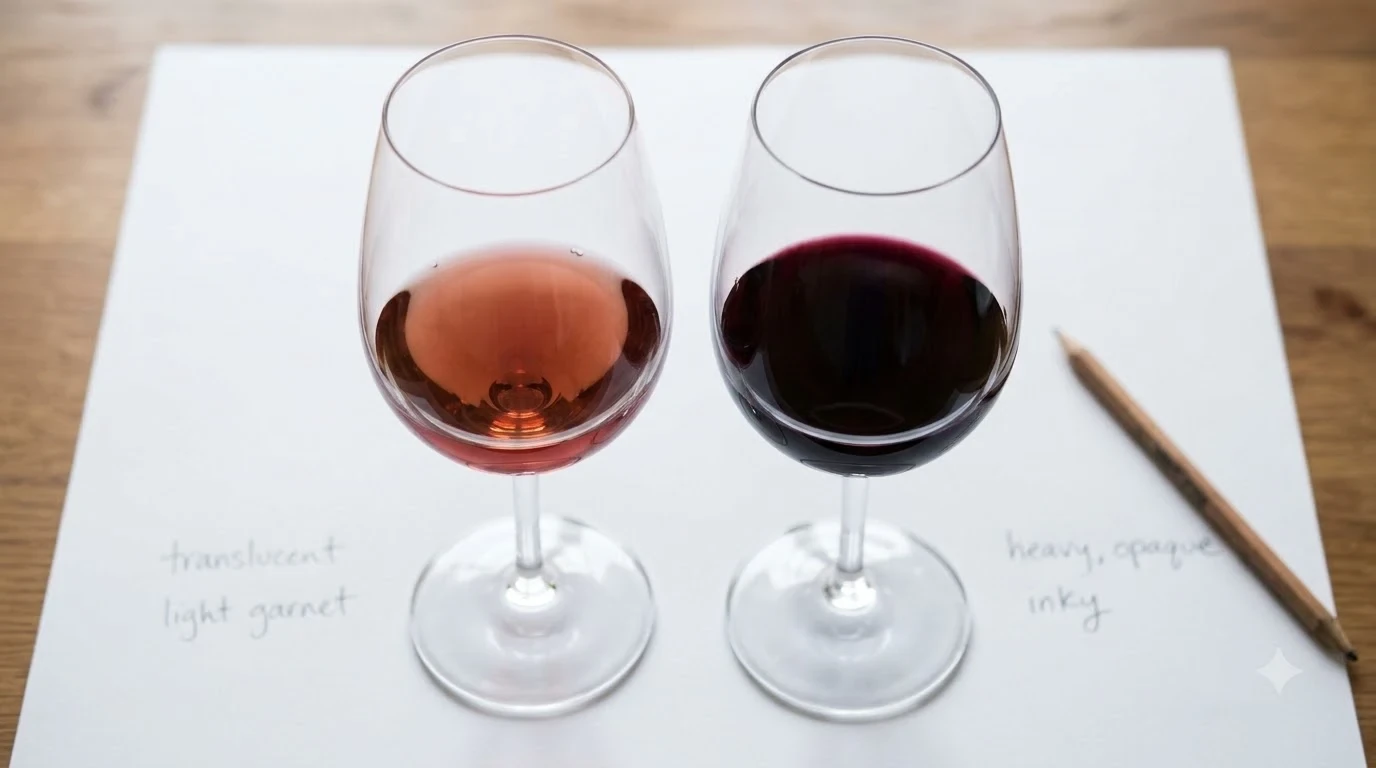
Pinot Noir is a light to medium-bodied red with low tannins and high acidity. According to Wine Folly’s Pinot Noir guide, the grape typically shows raspberry and cherry, with notes of forest floor and tea leaves in some bottles. Oak-aged versions may add vanilla and smoke. That softness is why Pinot is often the easiest red to pair with food.
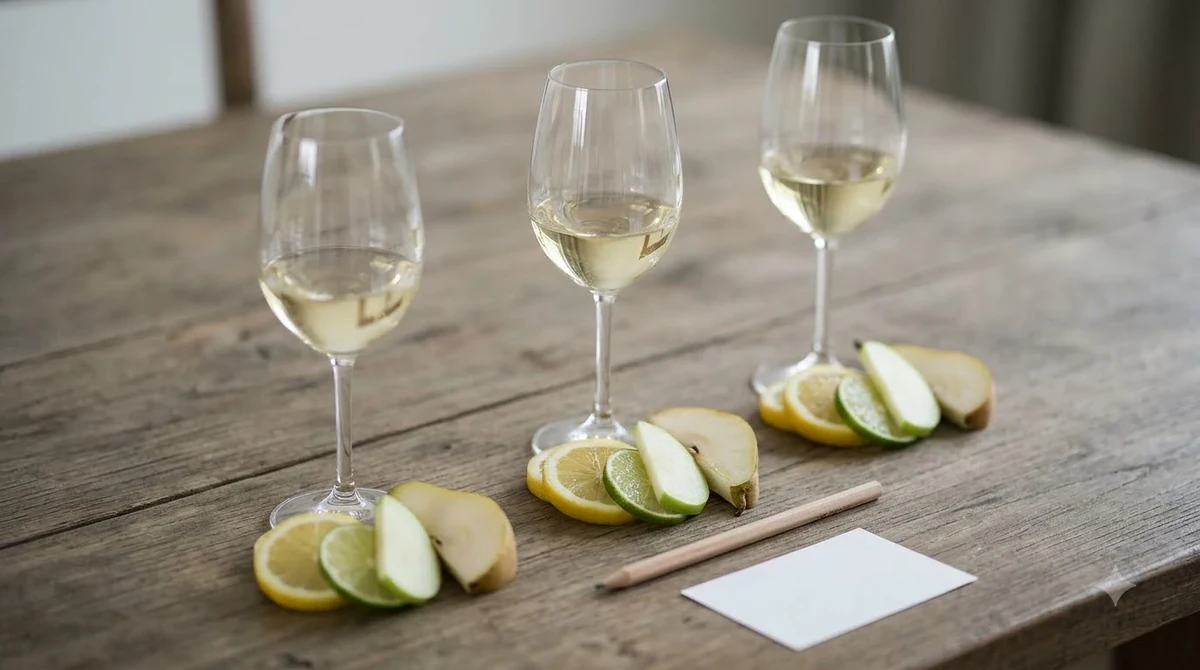
Chardonnay ranges widely in style. Unoaked versions tend to be lean and crisp, with green apple and citrus. Oaked versions are fuller and creamier, with butter, vanilla, and baking spice over stone fruit. Many Russian River Valley Chardonnays fall somewhere between those two poles, so the label and the vintage give the best clues about the style you will get.
How to tell a Pinot Noir from a Chardonnay on the label
Both grapes are common in this region, so it helps to know what the label is telling you. The grape name should appear on the front or back label, and the vintage tells you how recent the wine is. Some bottles also list the vineyard or sub-appellation, which can point to a cooler or warmer site within the valley.
| Style | Typical character | Serve at |
|---|---|---|
| Pinot Noir, lighter style | Red cherry, raspberry, earthy notes, bright acidity | About 55 to 60 degrees Fahrenheit (12 to 15 degrees Celsius) |
| Chardonnay, unoaked | Green apple, pear, citrus, mineral edge | Chilled, about 45 degrees Fahrenheit (7 degrees Celsius) |
| Chardonnay, oaked | Butter, vanilla, baking spice, stone fruit | Around 55 degrees Fahrenheit (12 degrees Celsius) |
The serving temperatures above follow Wine Folly’s general guidance for these grapes. Treat them as starting points, and adjust by a few degrees to suit your taste and the meal.
How to serve Benovia reds and whites
For Pinot Noir, a short rest in the refrigerator can bring the wine to the cooler side of room temperature, which keeps the fruit lively and the alcohol in check. A medium-sized glass lets the aromas gather. Pour a moderate amount and let the wine open for a few minutes before judging it.
For Chardonnay, the choice of glass and temperature shapes the experience. A lean, unoaked bottle is best well chilled in a narrower glass to keep it crisp. An oaked bottle can be served a little warmer and in a wider glass so the texture and aroma come through.
Decanting is rarely needed for these wines. Both grapes are usually drunk young, and a short pour into the glass is enough to show what the bottle has to offer.
Foods that pair well with these wines
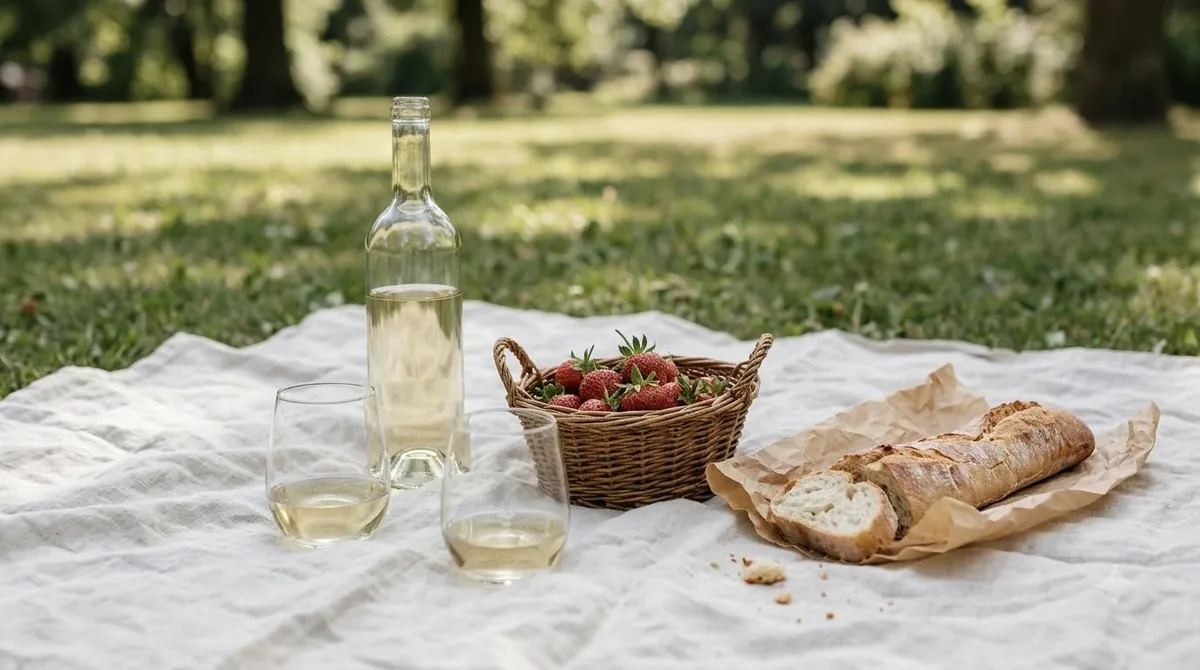
Pinot Noir is one of the most flexible reds at the table. Its acidity and moderate tannin suit roast chicken, salmon, mushroom dishes, and turkey. It also pairs well with duck and with lightly spiced pork. The earthy notes in many bottles complement roasted vegetables and herbs.
Chardonnay pairs with a wide range of food depending on style. Unoaked bottles work with shellfish, citrus-dressed salads, and light pasta. Oaked versions are a good match for creamy sauces, roast pork, and richer fish such as salmon with butter. A simple plate of roasted vegetables with a little cheese also works well.
If you want to compare a cool-climate Pinot with a bolder California red, the guide to Pedernales wine is a useful companion for comparing a different California style.
Buying and storing Benovia wines
Buy from a shop that keeps bottles away from heat and light. Cool-climate whites and lighter reds are most sensitive to heat, which can flatten their fruit and speed aging. If you plan to age a bottle, check the producer’s recommendations or the vintage notes, since different wines hold up for different lengths of time.
Once opened, re-cork the bottle and refrigerate it. Pinot Noir will usually keep for a few days, and a Chardonnay tends to hold its freshness for a similar period. Bring reds back to a cool room temperature before serving again.
When you find a bottle you enjoy, note the vintage and the grape so you can compare future bottles. Cool-climate wines can vary from year to year depending on the weather, so a single good bottle is a useful reference point.
Tip: If you are new to Pinot Noir, start with a lighter style served slightly cool. The fruit and acidity show best that way, and the tannins stay soft.
Frequently Asked Questions
What is Benovia known for?
The wines are associated with California’s Russian River Valley, a cool, fog-influenced part of Sonoma County. The valley is known mainly for Pinot Noir and Chardonnay, so those grapes are the best clues to the style.
Is Russian River Valley wine always Pinot Noir or Chardonnay?
No, but those two grapes make up most of the valley’s plantings. Smaller plots of other varieties exist, and the label will state the grape on each bottle.
Should I serve Pinot Noir chilled?
Serve it lightly cool, around 55 to 60 degrees Fahrenheit. A short time in the refrigerator before pouring is usually enough, especially in a warm room.
What food goes best with Chardonnay?
It depends on the style. Unoaked Chardonnay suits shellfish and light pasta, while oaked versions go well with creamy sauces, roast pork, and richer fish.
Benovia wines are a good way to explore the cool-climate side of California. Choose by grape, serve each style at the right temperature, and match it with food that suits its acidity and texture. For more on how regions and grapes fit together, visit the Wine Brands section.
More in Wine Brands
 Underwood Wine Price: Compare Bottles, Cans, and Pack SizesUpdated Nov 21, 2026
 Zenato Wine Price: Compare Styles and Choose the Right BottleUpdated Nov 21, 2026
 Zuccardi Wine Price: Compare Bottles and Find the Right RangeUpdated Nov 21, 2026
 Yellow Tail Moscato Review: Taste, Sweetness and Serving TipsUpdated Nov 21, 2026
 Wolf Blass Yellow Label Review: Choose Your Best StyleUpdated Nov 21, 2026
 Wolffer Estate Rose Review: Choose the Right Bottle for Your TableUpdated Nov 21, 2026