

We may earn a commission when you buy through links on this page, at no extra cost to you. Learn more.
Beaujolais food pairing works best with roast chicken, pork, charcuterie, soft cheeses, mushrooms, and even some fish because Gamay typically has bright acidity, fresh red-fruit flavors, and low tannins. The best match depends on the bottle: fresh Beaujolais Nouveau favors casual, lighter dishes, while structured crus such as Morgon and Moulin-à-Vent can stand up to richer food. Serve most bottles slightly cool, and let the weight of the food guide the style you choose.
Beaujolais is often treated as a single, easygoing red, but the region offers several styles with different levels of body, concentration, and savory character. A little attention to the appellation and the cooking method makes it easier to pair a lively, fruit-driven bottle with weeknight meals, holiday dishes, cheese boards, and more substantial dinners.
Why Gamay Works With So Many Foods
Beaujolais is primarily made from Gamay, a red grape that generally produces dry wines with lively acidity, soft tannins, and light-to-medium body. Those traits make the wine refreshing with rich or salty foods without giving it the heavy grip that can overwhelm delicate ingredients.
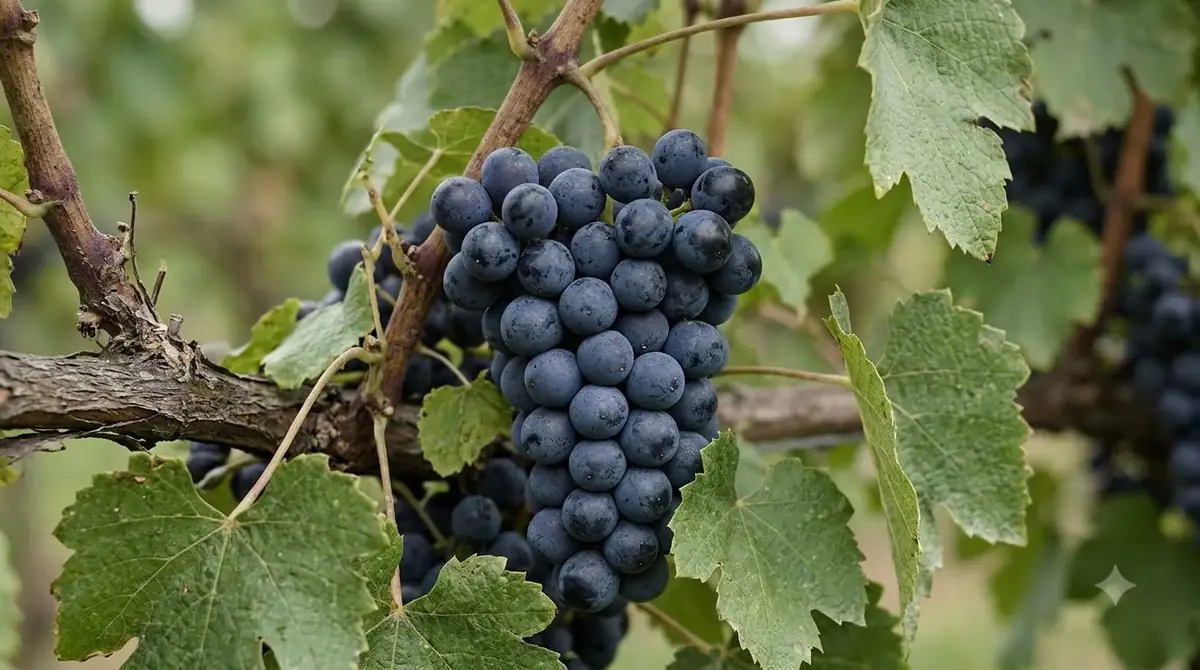
Expect flavors that often include cherry, raspberry, strawberry, red currant, and sometimes violet or earthy notes. Very young Beaujolais Nouveau can show candy-like fruit or banana aromas linked to carbonic maceration. More concentrated village and cru wines may bring darker fruit, spice, floral detail, or savory depth. The range matters: a light Nouveau is not interchangeable with a structured Moulin-à-Vent.
Acidity is one of the most useful features at the table. It refreshes the palate after bites of pâté, roast pork, creamy cheese, or duck fat, much as a squeeze of lemon can make a rich dish feel brighter. The wine’s low-to-moderate tannin also makes it less likely than a strongly tannic red to clash with fish or vegetables. Strong sweetness, very hot chile, and intense smoke can still distort the wine’s balance.
Gamay’s fruit profile offers another practical advantage. Cherry and raspberry notes complement browned poultry skin, pork, mushrooms, and herbs such as thyme and parsley. When a recipe has a sharp vinaigrette or a tomato-based sauce, the wine’s acidity can keep pace more readily than a soft, low-acid red. For more on matching acidity and weight, see this Wine Pairing guide.
Choose the Right Beaujolais Style for the Dish
Start with the label, because the name gives a useful clue to the wine’s weight. Basic Beaujolais and Nouveau are usually the lightest choices, Beaujolais-Villages often offers more concentration, and the 10 crus range from floral and delicate to structured and full.
Beaujolais Nouveau is released young and is made for immediate enjoyment; Wine Enthusiast’s Beaujolais overview describes Nouveau as spending roughly seven to nine weeks aging before release. Its vivid red fruit and soft structure suit snacks, simple poultry, sandwiches, and casual gatherings. Beaujolais-Villages is a versatile step up for roast chicken, pork tenderloin, grilled sausages, and dishes with a little more seasoning or richness.
Cru Beaujolais needs a more specific choice. Fleurie and Chiroubles often make sense with duck breast, roast chicken, mushroom dishes, and pork because their floral or fresh-fruit character does not overpower the plate. Morgon and Moulin-à-Vent generally have more depth and structure, so they are better suited to beef stew, lamb, game, braised short ribs, and aged cheeses. Brouilly can be a useful middle ground for grilled meat or a savory tart.
The region has 10 recognized crus, including Saint-Amour, Juliénas, Chénas, Moulin-à-Vent, Fleurie, Chiroubles, Morgon, Régnié, Côte de Brouilly, and Brouilly. Producer choices matter, but the cru names help narrow a pairing.
| Beaujolais style | Typical character | Food matches | Serving range |
|---|---|---|---|
| Beaujolais Nouveau | Very fresh, light, low tannin | Charcuterie, pâté, turkey sandwiches, goat cheese | 54–57°F |
| Beaujolais AOC | Light-bodied, bright red fruit | Sausage, pizza, roast vegetables, simple chicken | 55–60°F |
| Beaujolais-Villages | More depth, still supple and lively | Roast chicken, pork chops, burgers, baked pasta | 55–60°F |
| Fleurie or Chiroubles | Floral, fresh, often graceful | Duck, salmon, mushrooms, herb-roasted poultry | 55–60°F |
| Morgon or Moulin-à-Vent | More concentrated, earthy, structured | Beef braises, lamb, game, hard cheese | 59–63°F |
Pair Beaujolais With Poultry, Pork, and Red Meat
Poultry is a natural partner because the wine’s fruit and acidity complement roasted skin, pan juices, and herbs without dominating the meat. Pork is similarly flexible, while richer red-meat dishes call for a more structured cru rather than the lightest Nouveau.
For roast chicken, choose Beaujolais-Villages, Fleurie, or a balanced Brouilly. Thyme, rosemary, garlic, lemon, and pan sauce all suit the wine. A simple roast bird can handle a lighter bottle, while chicken with mushrooms or cream sauce benefits from more body. Avoid a very sweet glaze, which can make a dry red seem sharp. Turkey is a classic match, especially when served with savory gravy, roasted root vegetables, and herb stuffing. Beaujolais Nouveau can work at a relaxed holiday meal, while Beaujolais-Villages or Fleurie offers greater depth for a full Thanksgiving plate. If the meal includes cranberry sauce, keep the sauce tart rather than jammy and very sweet; sweetness in the food can make the wine taste more acidic.
Pork chops, tenderloin, ham, and grilled sausages all suit Beaujolais. Use a lighter bottle for roast pork with mustard, sage, or apple, and choose a more concentrated Villages wine for sausage with lentils or pork belly with beans. Salt and fat soften tannin, helping a structured cru work with richer cuts. For beef, consider the preparation rather than relying on the meat name alone. A Beaujolais-Villages can pair with a burger, meatloaf, or lightly grilled flank steak, particularly when toppings are savory rather than sugary. For braised short ribs, beef stew, or beef bourguignon, move to Morgon or Moulin-à-Vent, whose greater concentration can meet the sauce and slow-cooked texture. If the plate centers on heavily charred steak with a sweet barbecue glaze, the smoke and sweetness may overpower the wine; a less sweet rub and a structured cru are safer choices.
For lamb, pair roast leg with garlic and rosemary with Morgon or Moulin-à-Vent; lamb meatballs in tomato sauce can suit Beaujolais-Villages. The wine’s freshness is especially helpful when the dish includes rich drippings or a butter-based sauce.
Serve Cheese, Charcuterie, and Vegetable Dishes
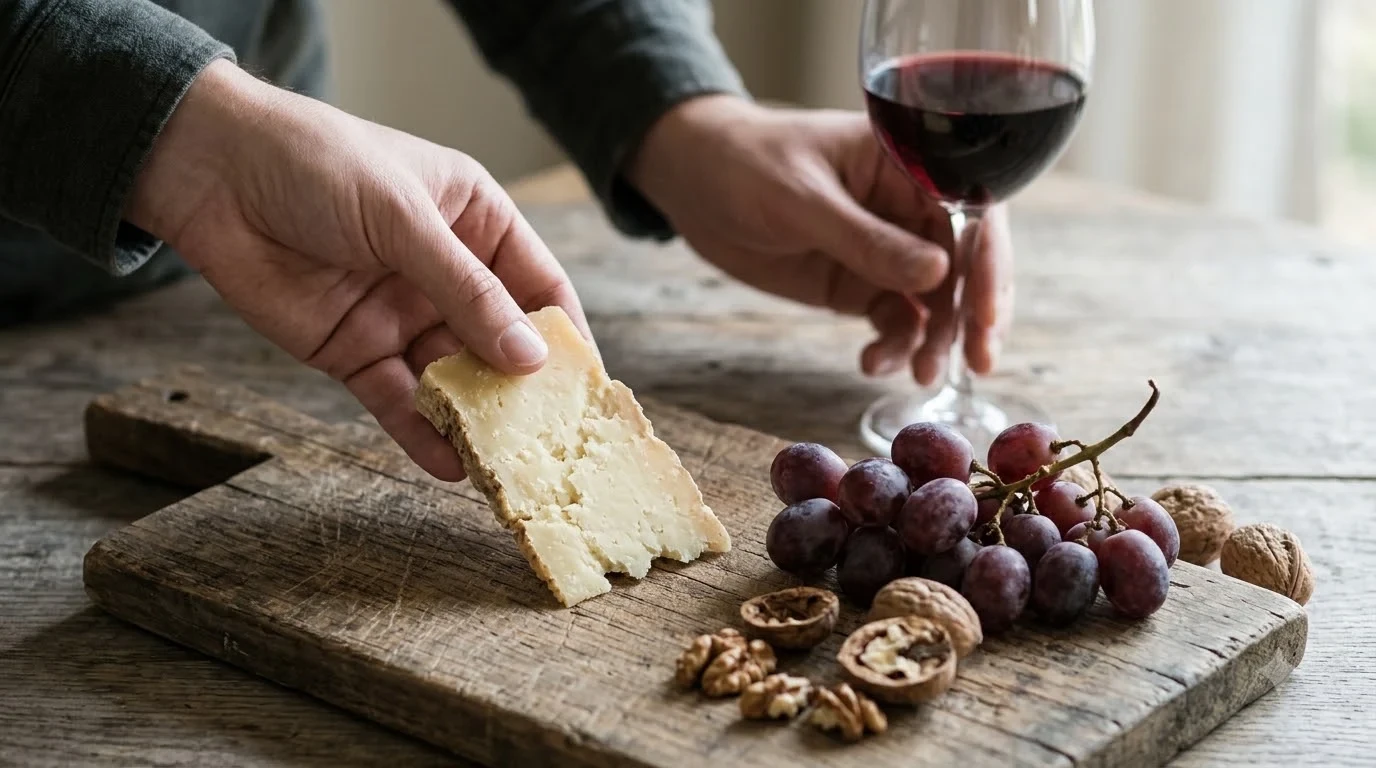
Cheese and cured meats are among the easiest ways to serve Beaujolais because salt, fat, and savory flavors complement its acidity and fruit. Build a board with varied textures rather than only intensely aged cheeses.
For a casual board, combine saucisson, country pâté, prosciutto, cornichons, radishes, crusty bread, and Brie or Camembert. Nouveau and basic Beaujolais are lively choices for this spread. Beaujolais-Villages gives a little more depth when the board includes richer terrines, smoked ham, or firm farmhouse cheese. Regional food traditions in and around Lyon pair Beaujolais with charcuterie and cheese; the official Beaujolais recipe collection also highlights terrine, local sausage, and goat cheese as partners for Nouveau. Brie, Camembert, fresh goat cheese, and mild washed-rind styles allow the wine’s fruit to remain clear. For aged Comté or Beaufort, try a structured cru such as Morgon or Moulin-à-Vent. Pungent blue cheese can dominate, so keep the portion small.
Vegetarian meals work well with browned, savory ingredients: roast mushrooms, grilled eggplant, lentils, caramelized onions, tomato tart, or vegetable pizza. A light Beaujolais suits grain salad with squash, while a cru can stand up to mushroom risotto or lentil shepherd’s pie. Grilled or roasted tofu works too: try crisp tofu with mushrooms, ginger, and scallions alongside a chilled, light Beaujolais. With tomato pizza, olives, and roasted peppers, Beaujolais-Villages has enough fruit for the sauce and acidity for the cheese.
Tip: Build a Beaujolais cheese board around one soft cheese, one cured meat, one crunchy pickle, and one earthy or roasted element. This gives a light Nouveau several flavors to connect with without burying its fresh fruit.
Match Seafood, Spices, and International Flavors
Beaujolais can work with seafood because Gamay usually has modest tannin and refreshing acidity. Choose a light bottle for simply cooked fish or shellfish; avoid heavy char, very hot chile, or sweet sauces.
Grilled salmon, trout, tuna, and white fish can pair with lightly chilled Beaujolais or floral Fleurie or Chiroubles. Lemon, dill, parsley, chives, fennel, or a modest herb crust keep the pairing fresh. For steamed fish with ginger and scallion, choose a young, low-tannin bottle. Avoid using a strongly tannic red with oily fish. Shellfish can be a pleasant surprise. Oysters, fish and chips, and cockles with herb butter appear among the regional pairing ideas for Nouveau. Acidity and bright fruit contrast with fried batter and butter; for raw oysters, choose a particularly light, fresh bottle.
For international food, look for savory depth and moderate heat. Pork gyoza, spring rolls, chicken skewers, grilled tofu, and herb-filled dumplings all work; choose Nouveau for vegetable spring rolls or dumplings and Beaujolais-Villages for grilled chicken with ginger, soy, and sesame. Regional recipes also suggest empanadas and hummus. Spiced lamb, mild curry, and dishes with cumin, coriander, or black pepper can work with a fruit-forward style, but keep chile heat moderate. Alcohol and tannin can intensify the sensation of hot peppers, so Beaujolais’s softer tannin is useful but does not erase the effect of a very spicy sauce. If the meal is genuinely hot, choose a lower-alcohol, fruit-forward wine, reduce the chile, or consider an off-dry white instead.
When the menu leans toward seafood, citrus, herbs, and briny flavors, compare the acidity profile with our albarino food pairing recommendations. If the meal shifts to deeply braised meat and a more powerful red is desired, the guide to Amarone food pairing covers a much richer style. For tomato sauces, sausage pasta, or pizza, our Barbera food pairing guide offers another high-acid red-wine comparison.
Serve Beaujolais at the Right Temperature and Plan the Menu
Temperature changes how Beaujolais feels with food: a gentle chill emphasizes freshness, while a little more warmth gives structured crus room to show their darker fruit and savory detail. Most Nouveau and Beaujolais-Villages benefit from a cool serving temperature; fuller crus should be served less cold.
For Beaujolais Nouveau and other light bottles, aim for about 55°F, within a practical range of 54–60°F. A short stay in the refrigerator is usually enough; roughly 15 to 20 minutes can take the edge off a room-temperature bottle, depending on the refrigerator and starting temperature. For Morgon, Moulin-à-Vent, or another structured cru, serve closer to 59–63°F. These ranges are cooler than typical room temperature, so do not leave the bottle beside a warm oven or in direct sunlight while dinner is prepared. Young Beaujolais generally does not need decanting. Open the bottle, pour a small taste, and give it a few minutes in the glass if the aromas seem closed. A mature or particularly concentrated cru may benefit from a short period of air, but a long decant is rarely necessary for a fresh, fruit-driven style. A medium-sized red-wine glass is sufficient; there is no need for elaborate glassware to enjoy the wine with a meal.
Plan the food around the wine’s weight. For a casual dinner, chill Beaujolais Nouveau and serve it with sausage, a mushroom tart, or a simple roast chicken. For a weekend meal, choose Beaujolais-Villages with pork chops, herb-roasted vegetables, or a cheeseburger. For a slow-cooked dinner, open Morgon or Moulin-à-Vent with beef stew, lamb shoulder, or mushroom risotto. For a multi-course menu, serve delicate dishes first and richer ones later. A light Beaujolais can start with pâté, goat cheese, or vegetable tart before roast poultry; a structured cru can follow mushrooms or firm cheese and accompany beef or lamb.
A standard pour is about 5 ounces, and a 750-milliliter bottle provides roughly five glasses. For four diners, one bottle allows a modest pour; a second is useful for multiple courses. Refrigerate an opened bottle and aim to finish it within three to five days, allowing each glass to warm slightly before serving. Dessert needs care: most Beaujolais is dry and can taste sharp beside very sweet cake, caramel, or syrupy fruit tart. A modest dark-chocolate dessert or not-too-sweet berry tart is a better fit. If dessert is sweeter than the wine, choose a wine with at least as much sweetness as the dish.
Frequently Asked Questions
These answers clarify how Gamay, the 10 crus, and serving choices affect what reaches the table.
Is Beaujolais always made from Gamay?
Red Beaujolais is made predominantly from Gamay, but the region also produces white wine from Chardonnay. Small quantities of rosé are made as well. The familiar red styles are the ones most often discussed in food-pairing advice.
Which Beaujolais cru is the most powerful?
Moulin-à-Vent is often regarded as one of the region’s most structured crus, with wines that can show firm tannins and respond well to bottle age. Morgon is another substantial style, particularly from recognized sites such as Côte du Py. The producer and vintage still influence the final weight.
Does Beaujolais have to be drunk immediately?
Beaujolais Nouveau is intended for early drinking, but not every wine from the region has the same timetable. Some well-made cru wines can develop for a decade or longer, and certain producers make bottles designed for extended cellaring. The appellation and producer matter more than the word Beaujolais alone.
Can Beaujolais be served from a white-wine glass?
Yes. A medium-sized white-wine glass can work particularly well for Nouveau because it keeps the fresh aromas focused and makes smaller pours easy to manage. A broader red-wine bowl is also useful for a structured cru that benefits from more room to open.
Why can Beaujolais Nouveau smell like banana or candy?
Those aromas can develop from carbonic maceration, a method in which whole grape clusters ferment in a carbon-dioxide-rich environment. During the process, fermentation begins inside intact berries before conventional fermentation of the released juice. This creates distinctive fruit aromas without requiring added flavorings.
Beaujolais is a flexible food wine, but the best result comes from matching the bottle’s structure to the plate. Choose fresh Nouveau for casual foods, Beaujolais-Villages for versatile everyday meals, and a structured cru for richer meat, mushrooms, and aged cheese. Serve it slightly cool, keep the flavors balanced, and let the wine’s bright fruit and acidity do the work.
More in Food & Wine Pairing
 Risotto With White Wine Recipe: Make a Creamy Dinner at HomeUpdated Nov 20, 2026
 Wassail With Wine Recipe for a Festive Spiced Holiday DrinkUpdated Nov 20, 2026
 Spritz Veneziano Recipe: Make a Classic Venetian Aperitivo at HomeUpdated Nov 20, 2026
 Summer Wine Punch Recipe for Easy Homemade EntertainingUpdated Nov 20, 2026
 Bishop Recipe: How to Make a Bright, Citrus-Forward Red Wine CocktailUpdated Nov 20, 2026
 Wine Cupcakes Recipe: Bake Rich Chocolate Cupcakes at HomeUpdated Nov 20, 2026