

We may earn a commission when you buy through links on this page, at no extra cost to you. Learn more.
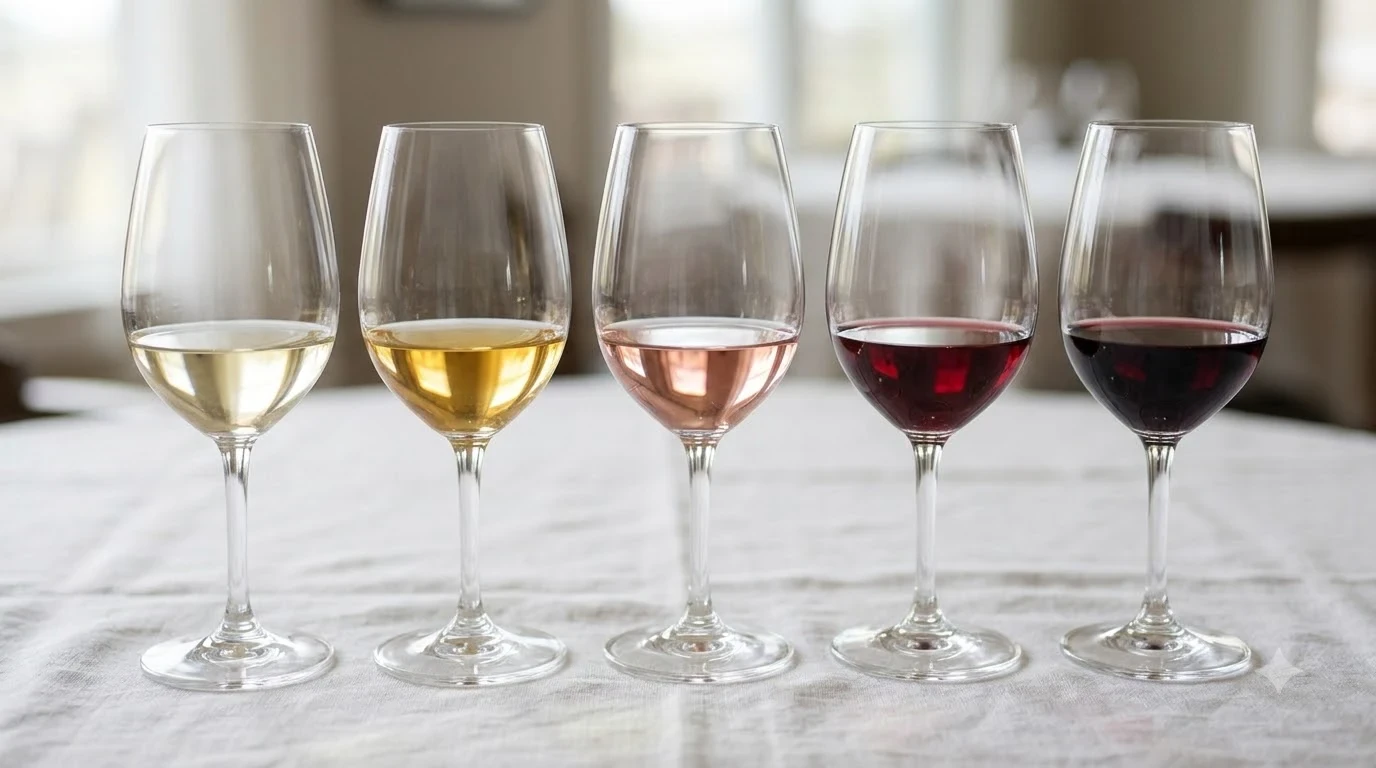
Basilicata wine is best known for Aglianico del Vulture, a structured red produced on the volcanic slopes of Monte Vulture in southern Italy. The region also makes Primitivo, Greco, Malvasia, and other distinctive wines across its Matera and Val d’Agri growing areas. Whether you prefer powerful reds, aromatic whites, or versatile rosés, Basilicata offers several wine styles worth exploring.
Located in Italy’s south, between Campania, Puglia, and Calabria, Basilicata has a wine heritage shaped by mountains, volcanic soils, inland valleys, and coastal influences. Its best-known bottles come from the Vulture area, but looking beyond Aglianico reveals a more varied regional wine culture. Understanding the appellations, principal grapes, and local growing conditions makes it easier to choose a bottle and appreciate what sets these wines apart.
Basilicata’s Wine Areas and Appellations
Basilicata’s wine production is concentrated in three principal areas: Vulture in the north, Val d’Agri in the interior, and Materano in the east. Each area has distinct growing conditions, grape varieties, and wine styles, which explains why regional bottles can taste quite different from one another.
Vulture is the region’s most recognized wine-growing area and the home of Aglianico del Vulture. The vineyards stretch around the extinct Monte Vulture volcano, where volcanic soils and mountain conditions support late-ripening red grapes. The Val d’Agri area lies farther inland, with valley and hillside vineyards producing reds and aromatic whites. Materano, meanwhile, extends toward the Ionian coast and is known especially for Primitivo and Greco.
The regional classification system provides a useful starting point when reading a bottle. Basilicata has five protected wine appellations: one DOCG and four DOCs. It also has a regional IGT designation that allows a wider selection of grape varieties and wine styles. The main designations are summarized below.
| Classification | Number | Designation | Main area |
|---|---|---|---|
| DOCG | 1 | Aglianico del Vulture Superiore | Vulture, northern Basilicata |
| DOC | 4 | Aglianico del Vulture, Matera, Grottino di Roccanova, Terre dell’Alta Val d’Agri | Northern, eastern, and inland Basilicata |
| IGT | 1 | Basilicata IGT | Regional production area |
DOC and DOCG wines follow specific production regulations covering matters such as permitted grapes, geographical boundaries, and winemaking requirements. IGT wines follow a broader regional designation, giving producers more flexibility in their choice of grapes and styles. This distinction is helpful for shoppers: a bottle bearing Aglianico del Vulture DOCG identifies a specific origin and regulated wine style, while Basilicata IGT can represent a broader range of regional expressions.
For readers comparing Italian appellations, the broader Wine Regions resource provides a useful way to understand how geographical names, grape varieties, and production rules work together. Basilicata also shares a southern Italian wine context with neighboring Puglia, although their best-known grapes and appellations differ. Exploring Puglia wineries provides another perspective on the region’s neighboring wine culture.
Monte Vulture’s Volcanic Vineyards
The Vulture area is Basilicata’s leading wine-growing district, with Aglianico dominating its vineyards. Its volcanic soils, elevations of approximately 200 to 600 meters, and cool autumn conditions help produce reds with substantial structure, fresh acidity, and distinctive mineral character.

Monte Vulture is an extinct volcano in northern Basilicata. The surrounding landscape contains volcanic tuff, ash, lava-derived materials, and other mineral-rich formations that influence how vines grow. Volcanic tuff can hold moisture during the warm, dry summer months, while the surrounding soil composition varies across different parts of the slopes. These conditions contribute to differences between wines made from vineyards separated by only a few kilometers.
Elevation is particularly important. Lower vineyards can have red and blue iron-rich soils, while higher sites around 600 meters near Barile include darker gray-black soils with water-retaining clay. The changing soil structure, combined with cold autumn nights and steady breezes, creates different growing conditions across the appellation. According to Decanter’s regional profile, the area has fewer than 1,000 hectares of vineyards, with approximately 80% planted to Aglianico.
Aglianico benefits from the long growing season. It ripens later than many other red varieties, sometimes remaining on the vine into late October or early November. This extended ripening period helps preserve acidity while allowing the grapes to develop concentrated flavor and firm tannins. Vulture is also associated with the VR 11 and VR 12 Aglianico clones, which contribute fruit, structure, and the mineral qualities commonly associated with the area.
Vineyard elevation can influence the character of the finished wine. Higher sites may produce wines with a more restrained, earthy character, while warmer lower slopes can yield rounder, fuller expressions. Wine Enthusiast explains this distinction in its discussion of Aglianico grown on Monte Vulture’s volcanic soils. Although individual vineyards differ, the grape’s acidity and tannin provide a common thread across many Vulture reds.
The surrounding towns are important to understanding the region as well. Barile, Rionero in Vulture, Melfi, and Venosa are among the established wine-producing communities. Their vineyards reflect differing elevations, exposures, and soils, so two bottles carrying the same appellation can offer distinct interpretations of Aglianico.
Aglianico del Vulture DOC and DOCG
Aglianico del Vulture DOC is the region’s best-known appellation, while Aglianico del Vulture Superiore DOCG represents its most tightly defined premium expression. Both focus on Aglianico and produce wines recognized for firm tannins, balanced acidity, dark fruit, and the influence of the Vulture landscape.
Aglianico del Vulture DOC became an established denomination in 1971. It covers vineyards in the northern part of Basilicata, around Monte Vulture and several historic wine-producing towns. The grape’s combination of powerful tannins and naturally high acidity makes it suitable for wines that can develop over several years. Young examples can be dense and somewhat firm, with flavors suggesting black cherry, blackberry, plum, dried herbs, and spice. With bottle age, the texture can soften and more savory notes can emerge.
Aglianico del Vulture Superiore DOCG is the region’s only DOCG. The higher classification comes with additional requirements, including longer aging before release. Superiore wines require at least two years of aging, while the Riserva designation requires at least four years. These longer periods allow the grape’s strong tannins and concentrated fruit to become more integrated.
The distinction is useful when deciding what to buy. An Aglianico del Vulture DOC is often a practical choice for a dinner that calls for a structured but relatively accessible red. Superiore DOCG is a stronger candidate for a more formal meal, a special bottle, or a cellar selection that can be enjoyed after additional aging. Riserva bottlings generally represent a more developed style, with more time spent maturing before release.
Winemaking choices also influence the final result. Traditional producers may use larger wooden vessels or concrete tanks, while others use smaller oak barrels. Maceration length, extraction, fermentation temperature, and the quality and age of the oak can affect the balance between fruit, tannin, and savory complexity. Modern producers have increasingly focused on controlling extraction so that Aglianico retains its depth without becoming unnecessarily harsh.
Decanter’s Basilicata regional profile describes this evolution, including a move toward shorter macerations and more careful oak use. The result is a range of wines that can combine firm structure with fragrant fruit and a more approachable texture. Traditional aging and modern cellar methods are not opposites; both can contribute to well-made wines when they suit the grapes and vineyard site.
When selecting a bottle, consider the style you prefer rather than assuming that a higher classification automatically means a better match for every meal. A younger DOC may work particularly well with a casual dinner, while a Superiore or Riserva can be more suitable for a slow-cooked dish or an occasion where the wine deserves time in the glass.
Matera DOC: Primitivo and Greco
Matera DOC brings a different character to Basilicata, with vineyards spread across the province of Matera and the influence of the Ionian coast. Primitivo is a leading red grape here, while Greco provides an important white-wine expression.
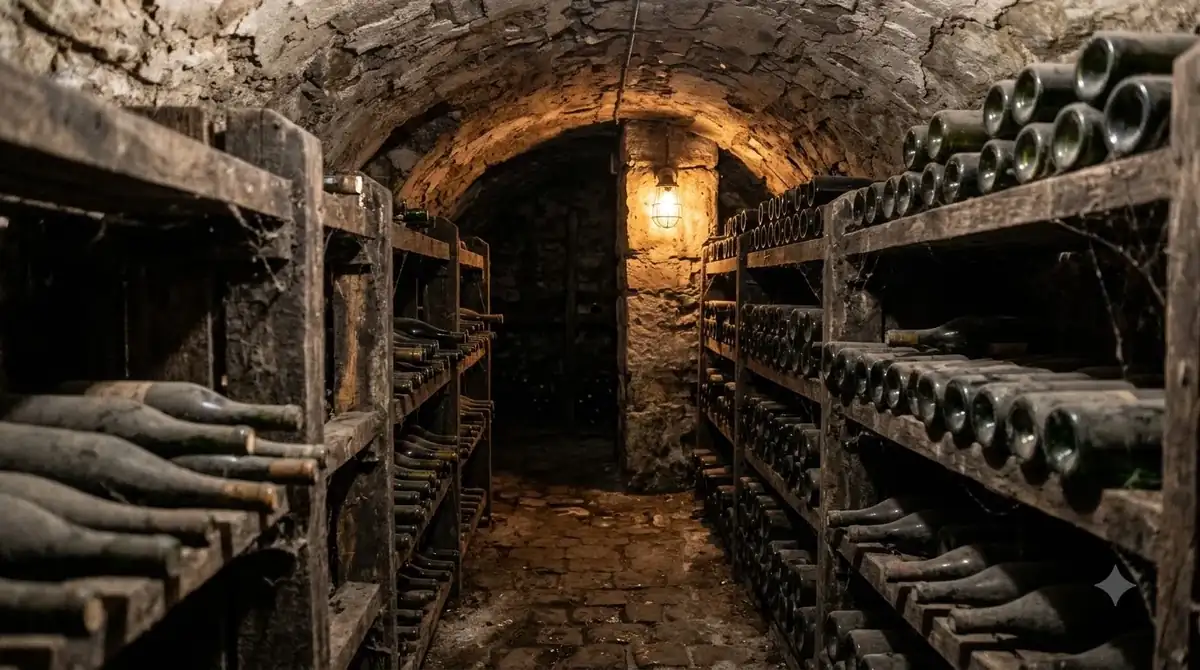
The Matera area is geographically distinct from the mountainous Vulture vineyards. Its hills slope toward the Ionian Sea, with a more maritime influence than the inland northern vineyards. This setting gives the wines another dimension within Basilicata’s broader portfolio. Matera’s limestone landscapes, agricultural traditions, and proximity to the coast also make it a natural place to explore regional food and wine together.
Primitivo is known for ripe dark and red fruit, a rounded palate, and a fuller body. In Matera, it can produce generous reds with flavors of plum, blackberry, ripe cherry, and spice. The exact balance depends on the vineyard and winemaking approach, but the variety generally offers a fruit-forward contrast to the firmer, more tannic structure of Aglianico del Vulture. It can be a rewarding option for people who like southern Italian reds but prefer a softer fruit profile.
Greco brings a different set of aromas and textures. White wines made from Greco can show citrus, orchard fruit, herbal notes, and a refreshing finish. Their structure makes them useful at the table, especially with seafood, vegetable dishes, and simple preparations that allow the wine’s freshness to show. A well-chilled glass can also be a good introduction to the white wines of southern Italy.
These two varieties make Matera DOC particularly useful when choosing wine for a mixed menu. Primitivo can accompany a meat-based main course, while Greco can work with seafood or vegetable starters. Rather than treating Matera as a secondary area behind Vulture, it is better to view the appellation as a distinct part of Basilicata’s identity. Its coastal location and different grape focus provide a useful alternative to the region’s powerful volcanic reds.
Shoppers looking for a regional bottle can use the DOC designation as a starting point, then decide between the fuller red style associated with Primitivo and the fresher white expression associated with Greco. The producer and vintage will determine the finer details, but the grape variety usually gives a helpful first indication of the wine’s character.
The Val d’Agri and Grottino di Roccanova
Basilicata’s inland wine areas add further variety through Terre dell’Alta Val d’Agri DOC and Grottino di Roccanova DOC. These appellations include blends and aromatic white wines that show why the region should not be reduced to Aglianico alone.
Terre dell’Alta Val d’Agri DOC is located in the province of Potenza, in the municipalities of Viggiano, Grumento Nova, and Moliterno. The vineyards occupy an inland valley setting, with conditions that differ from those around the Vulture volcano and the Ionian coast. Red wines from the area can draw on varieties such as Merlot, Cabernet Sauvignon, Sangiovese, and Montepulciano, creating a different set of fruit and structural characteristics from single-variety Aglianico.
These grapes allow producers to make reds with varying combinations of freshness, body, tannin, and dark-fruit character. Sangiovese can contribute acidity and red-fruit notes, while Merlot can bring a softer texture. Cabernet Sauvignon adds firmer tannin and structure, and Montepulciano can contribute generous color and dark-fruit flavor. The blend and proportions determine the final character, so the exact bottle remains important.
Terre dell’Alta Val d’Agri also has defined aging requirements. Its Rosso wines undergo 12 months of aging, while Rosso Riserva requires 24 months, including six months in wooden vessels. These rules give shoppers a useful indication of the expected development and style of the wine. A Riserva is likely to show more integration between fruit and maturation than a less-aged release.
Grottino di Roccanova DOC is another inland denomination, covering Roccanova, Sant’Arcangelo, and Castronuovo di Sant’Andrea. Its traditional wine styles include reds drawing on Sangiovese, Montepulciano, Cabernet Sauvignon, and Malvasia Nera. These varieties can produce wines with red fruit, dark fruit, herbal details, and savory spice. The precise balance varies between producers and blends.
Grottino also helps preserve a place for local white wines. Malvasia Bianca di Basilicata is associated with fragrant white expressions that can show floral and fruit notes. These wines offer a useful alternative to the more structured reds found elsewhere in the region. They are worth considering for lighter meals, appetizers, and dishes where aromatic freshness is more important than tannin or weight.
Basilicata IGT adds another layer of flexibility. Unlike the individual DOC and DOCG appellations, it covers wines made across the broader region, including white, red, and rosé styles. Producers can use it for wines that do not follow the specific requirements of a narrower appellation. This makes the IGT designation an interesting place to look for creative blends, less common grape varieties, and wines that express a producer’s preferred style.
Choosing, Serving, and Pairing Basilicata Wine
The best Basilicata wine for a meal depends on its grape variety, body, acidity, and tannin. Aglianico is a natural choice for rich meat dishes, Matera Primitivo works with generous savory food, and regional whites such as Greco and Malvasia can provide freshness with seafood and vegetables.
Aglianico del Vulture is a particularly strong match for slow-cooked lamb, braised beef, roasted meats, game, and aged cheeses. These foods have enough flavor and texture to stand up to the wine’s tannins. Protein and fat help soften the perception of tannin, which makes a structured red feel more balanced alongside a rich meal. Dishes with tomato-based sauces can also work well because Aglianico’s acidity helps maintain freshness against the sauce’s savory richness.
Matera Primitivo is a good candidate for grilled sausages, roasted pork, tomato-based pasta, and hearty meat sauces. Its ripe fruit and fuller texture can complement food with a little sweetness from roasted vegetables or caramelized onions. For lighter dishes, a regional white made from Greco or Malvasia Bianca can accompany grilled seafood, shellfish, vegetable pasta, and fresh cheeses. These wines are also useful with dishes that contain herbs, citrus, or olive oil.
Serving temperature makes a significant difference. A full-bodied Aglianico should generally be served around 60–65 F rather than at a warm room temperature. This range helps preserve freshness while allowing the wine’s aroma and structure to show. Lighter reds are more comfortable around 55–60 F, while full-bodied white wines usually benefit from 50–55 F. Lighter whites and rosés are best served around 45–50 F.
Young, full-bodied Aglianico can benefit from decanting for 30–60 minutes before serving. This gives the wine time to interact with oxygen and can help soften its initial impression of tannin. Older bottles require more care because extended exposure to air may cause delicate aromas to fade. For mature wines, a gentle pour and a short period in the glass may be preferable to a long decant.
Tip: Serve a young Aglianico at 60–65 F and consider decanting it for 30–60 minutes. Pair it with braised lamb, grilled beef, or aged cheese to balance its firm tannins.
When choosing between two bottles, look beyond the name of the appellation. Check the grape variety, producer, vintage, and any aging designation to get a better idea of the wine’s likely character. Aglianico from a higher-elevation vineyard may feel more restrained, while a warmer site can give a fuller impression. Matera Primitivo may emphasize ripe fruit, while a wine from Val d’Agri can reflect a blend of varieties and a different balance of acidity and tannin.
Food preparation matters as much as the main ingredient. A grilled piece of beef may suit a firm Aglianico, while a lighter dish of white fish is generally better with Greco or Malvasia Bianca. Very spicy food can make alcohol and tannin seem more pronounced, so high-alcohol or heavily tannic reds are not always the most comfortable match for chili-heavy dishes. Oily fish can also clash with strongly tannic reds, making a fresh white a more dependable choice.
For a meal with several courses, begin with a white or rosé from Basilicata and move toward a fuller red as the dishes become richer. A 5-ounce pour is a useful standard serving, and a 750-milliliter bottle provides approximately five glasses. Opened still wines generally keep for three to five days in the refrigerator when properly closed. Store unopened bottles on their sides in a cool, dark place near 55 F, away from direct sunlight and temperature changes.
Readers who enjoy comparing regional wines can approach Basilicata through its three main growing areas: volcanic Aglianico from Vulture, Primitivo and Greco from Matera, and the blends and aromatic whites of the inland appellations. This approach makes it easier to identify personal preferences and to understand why the region produces such a wide range of styles.
Frequently Asked Questions
Can Aglianico be made into rosé?
Yes. Elena Fucci produces Titolo Pink, an Aglianico rosato made using grapes from younger vines between six and 10 years old. It offers another way to experience the variety beyond the region’s traditional structured red wines.
What does Sceg mean on a Basilicata wine label?
Sceg means pomegranate in Arbëreshë, a local language spoken by communities in the Vulture area. The name is associated with a wine made in honor of old vineyards and the cultural heritage of the area’s Albanian-descended communities.
Which historic winery should I know in the Vulture area?
Paternoster is an important historic producer to recognize. It was founded in 1898 by Anselmo Paternoster and has been making wine since 1925, with its history closely associated with Aglianico from Barile.
What is notable about D’Angelo’s vineyards?
D’Angelo’s vineyards include sites around Barile and Maschito, covering nearly 62 acres in total. The Barile vineyards sit around 1,300 feet and have volcanic tuff soils, while the lower Maschito sites have warmer conditions and more clay-influenced soils.
How many municipalities are included in the Aglianico del Vulture DOC area?
The production area includes 15 municipalities in Potenza province. Among them are Atella, Banzi, Genzano di Lucania, Lavello, and Palazzo San Gervasio, in addition to well-known wine communities such as Barile and Rionero in Vulture.
Basilicata offers much more than a single famous red grape. Aglianico del Vulture remains the region’s signature wine, but Matera Primitivo, Greco, Grottino di Roccanova, and Terre dell’Alta Val d’Agri provide plenty of alternatives for different meals and preferences. Exploring the appellations side by side is one of the best ways to appreciate the region’s distinctive southern Italian wine character.
More in Wine Regions
 Willcox Wine Trail: Discover Arizona’s High-Elevation Wine CountryUpdated Nov 20, 2026
 Yakima Valley Wine Region: Find the Best Styles to TryUpdated Nov 20, 2026
 Vosne Romanee Wine Tasting: Identify Aromas and Choose Better PairingsUpdated Nov 20, 2026
 Yakima Valley Wine Festival: Find the Best Seasonal Wine EventsUpdated Nov 20, 2026
 Wales Vineyards: Discover Cool-Climate Wines and Where to VisitUpdated Nov 20, 2026
 Yountville Wine Festival: Discover Napa Wines and Local FoodUpdated Nov 20, 2026