

We may earn a commission when you buy through links on this page, at no extra cost to you. Learn more.
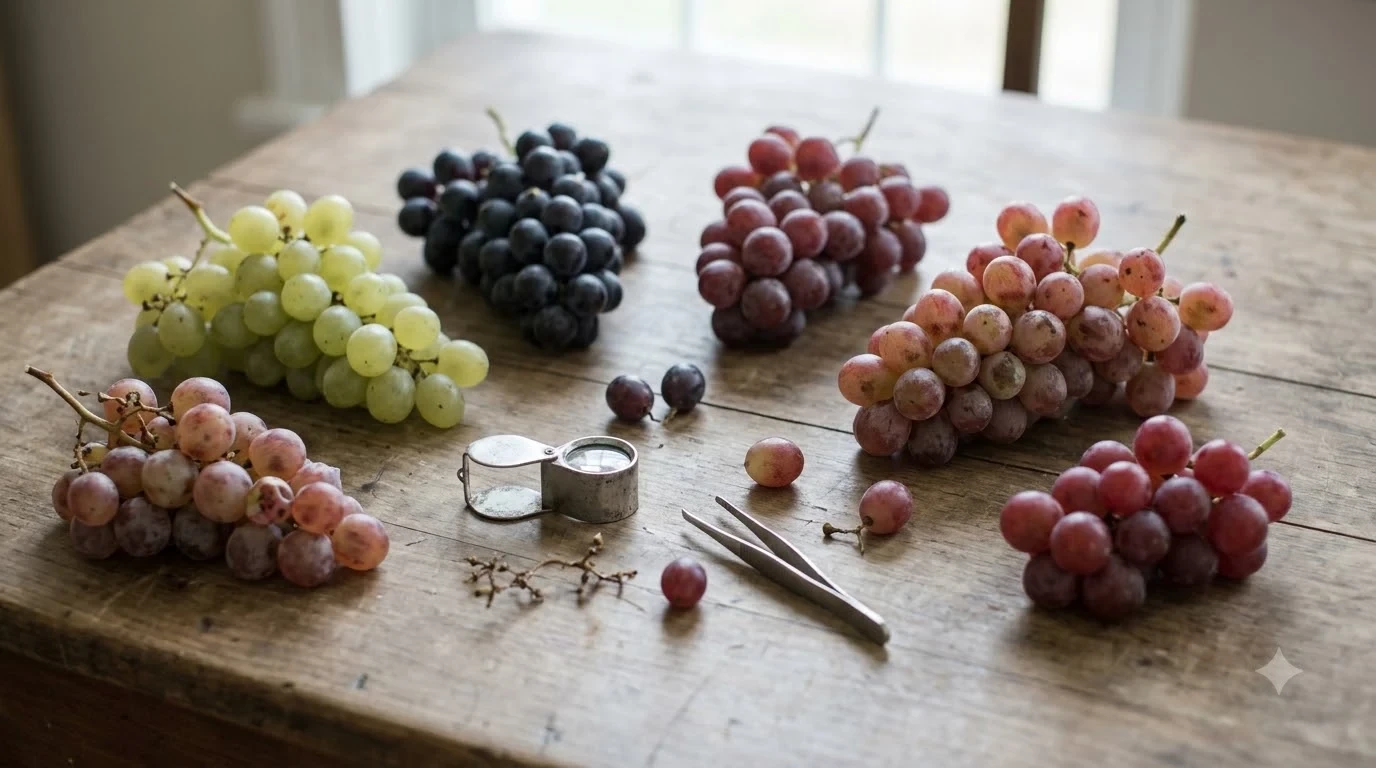
Aglianico grape is a black grape from southern Italy that makes some of the country’s most structured red wines. It is grown mainly in Campania and Basilicata, and it is known for firm tannin, high acidity, and a long life in the cellar. Winefolly describes the wines as bone-dry and full-bodied, with black cherry, spiced plum, and a savory smoke-and-game edge.
If you have seen aglianico on an Italian wine list and wondered how it differs from the more familiar reds of the north, this guide covers the grape itself. It explains where it grows, how it tastes at different ages, how to serve it, and which foods suit it best.
What aglianico grape is
Aglianico is a black grape that is popular across southern Italy. Its origins are not fully settled. A traditional account links it to Greek settlers, but modern DNA analysis does not support that story, and the grape may be native to the region. The name first appeared in print in 1520, and some writers have called it the Barolo of the south because it can produce refined, complex wines.
The grape has a long history in its home region, and modern producers are still working out how best to show it. Some make a more open, fruit-forward style for earlier drinking, while others keep the wines austere and hold them for years. Both approaches reflect the same grape, and the difference usually lies in the vineyard site, the ripeness at harvest, and how long the wine spends in oak.
The grape is valued for its structure. It has thick skins and produces wines that are deep in color, firm in tannin, and high in acidity. Those traits explain why many producers hold their wines back before release and why aglianico is often a wine for the cellar rather than for drinking young.
Where aglianico grows
Aglianico grows mainly in two regions of southern Italy. In Basilicata, it is the basis of the Aglianico del Vulture DOC. The region’s top wine, Aglianico del Vulture Superiore, is a DOCG that comes from the northern part of the province of Potenza. The most prized wines come from vineyards around Mount Vulture, a volcanic area with a distinct character.
In Campania, the grape is central to several denominations. Taurasi, near Avellino, became a DOCG in 1993. Aglianico del Taburno, around Monte del Taburno, received DOCG status in 2011. The grape is also the principal variety in Falerno del Massico in the province of Caserta, which links the wine to a historic name.
Flavor profile and structure
Winefolly lists the main flavors as white pepper, black cherry, smoke, game, and spiced plum, with a savory edge that the site describes as unique. The wine is bone-dry and full-bodied, with an alcohol level usually between 13.5 and 15 percent. Tannin is high and acidity is medium-high, so the wine feels muscular but still fresh.
Tasting the wine in sequence helps show how it changes. A young bottle tends to be dominated by tannin and dark fruit, while an older one shows more spice, smoke, and savory depth. If you can, buy two vintages from the same producer a few years apart and compare them side by side.
Young aglianico can be very tannic and concentrated. It needs time before the tannin softens. With age, the fruit becomes more pronounced and the structure more balanced, and well-made examples can show chocolate and plum notes. Wikipedia notes that well-made aglianico can produce refined and complex wines, which is why it is compared with Barolo.
| Aspect | What to expect |
|---|---|
| Main regions | Campania and Basilicata, southern Italy |
| Typical flavors | White pepper, black cherry, spiced plum, smoke, game |
| Tannin and acidity | High tannin, medium-high acidity |
| Body and style | Bone-dry, full-bodied |
| Key denominations | Aglianico del Vulture (DOC and DOCG), Taurasi (DOCG), Aglianico del Taburno (DOCG) |
How to serve aglianico
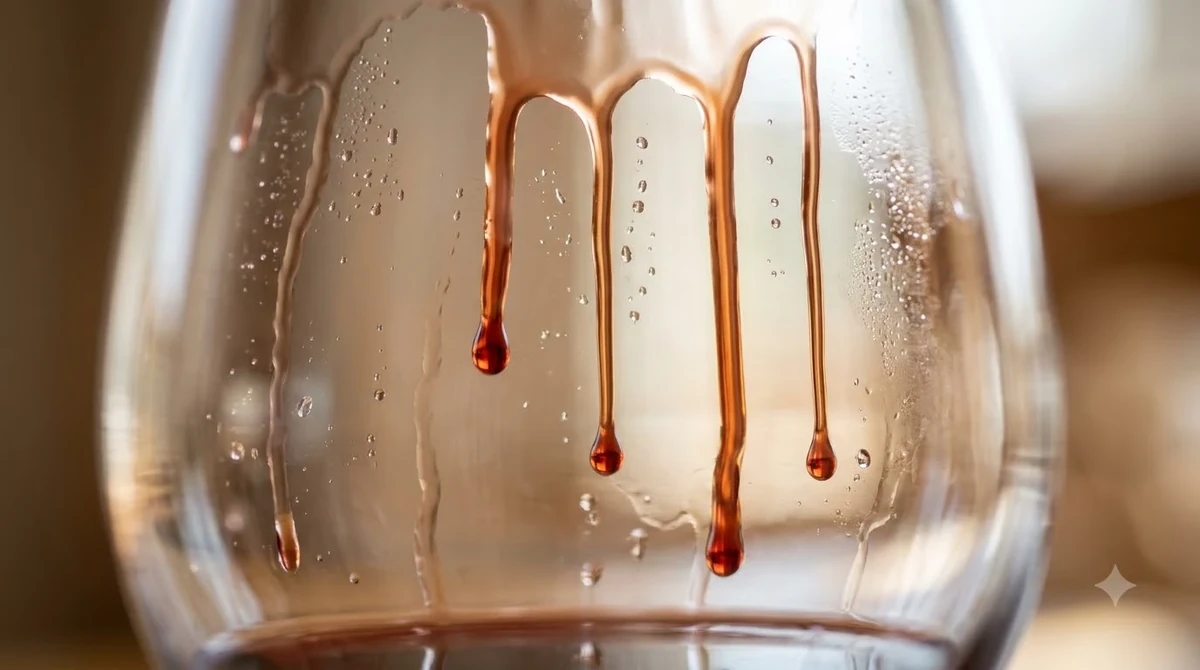
Winefolly recommends serving aglianico at 60 to 68 degrees Fahrenheit, or about 15 to 20 degrees Celsius, in an oversized glass. Decanting for about an hour helps open the wine, especially a young bottle with firm tannin. The same guide suggests cellaring for ten years or more for the wines that are built for age.
A well-aged aglianico can be sipped slowly after dinner. Winefolly describes it as something to enjoy “like a fine Islay Scotch,” which is a useful picture of its depth and smoky finish.
Tip: If you open a young aglianico and it tastes closed, give it an hour in a decanter before you judge it. The tannin usually softens and the fruit shows more clearly.
Food pairing with aglianico
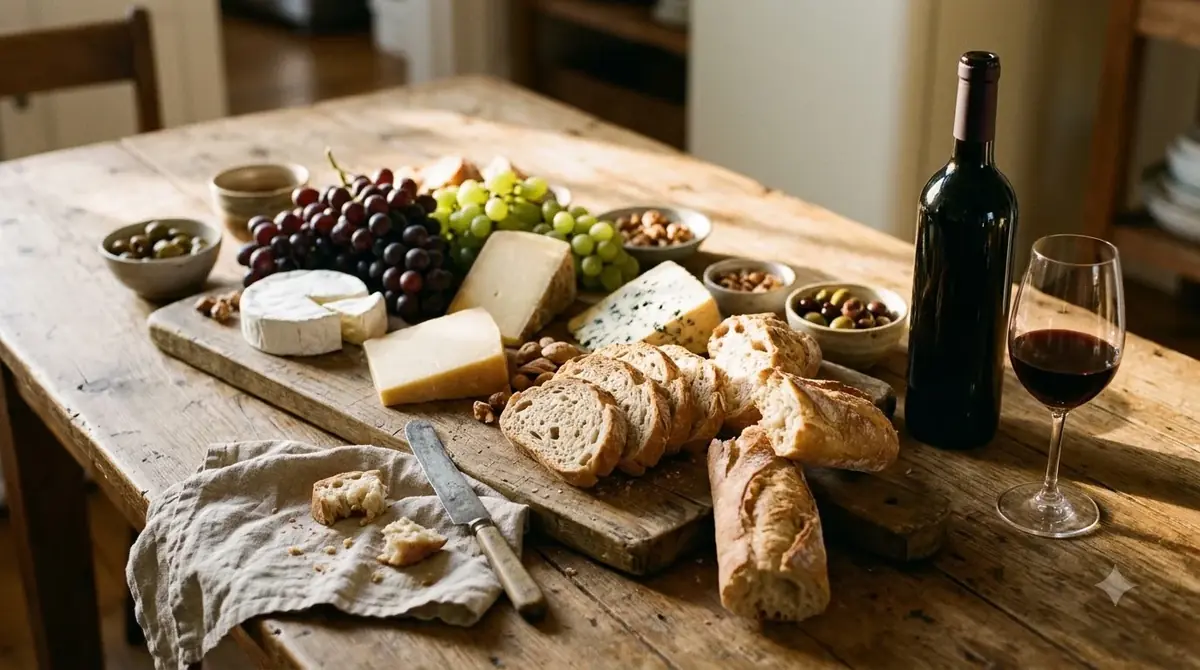
Aglianico suits rich, savory food. Winefolly recommends gamey dishes and Texas-style barbecue, where the wine’s smoke and firm tannin can stand up to heavy flavors. Roasted or braised lamb is another natural match, and the Wikipedia entry notes that its rich flavors pair well with rich meats.
Match the weight of the dish to the weight of the wine. A young aglianico with firm tannin needs food with fat and some char, while a mature bottle can handle richer, slow-cooked dishes where the flavors have had time to deepen. Keep lighter dishes for a lighter red, and save aglianico for the table where the meal is the main event.
Southern Italian food is the obvious partner.
Try aglianico with a tomato-based meat ragu, a plate of grilled sausages, or a hard aged cheese. The firm tannin cuts through fat, and the acidity keeps the wine lively next to tomato.
How aglianico is blended
Blending is common in the wider south, and it is one reason labels can look confusing. A bottle may say Campania IGT and list a mix of grapes, while a DOC or DOCG bottle often keeps the grape more central. Read the back label closely if you want to know how much aglianico is in the glass.
Aglianico is not always bottled alone. Winefolly notes that it is often blended with Cabernet Sauvignon and Merlot, and in Campania it is sometimes used in IGT wines with those varieties. Blends can make the wine more approachable when young, but a single-varietal aglianico shows the grape most clearly.
When you read a label, look for the grape name and the denomination. A DOCG bottle from Taurasi or Aglianico del Vulture Superiore tells you the producer followed a defined set of rules for the grape and the region.
Frequently Asked Questions
What does aglianico taste like?
Typical notes include white pepper, black cherry, spiced plum, smoke, and game. The wine is full-bodied with high tannin and medium-high acidity.
Where is aglianico grown?
Aglianico is grown mainly in Campania and Basilicata in southern Italy. Notable denominations include Taurasi, Aglianico del Taburno, and Aglianico del Vulture.
Does aglianico need aging?
Many aglianico wines benefit from years in the bottle. Winefolly suggests cellaring for ten years or more for the wines built for age, since young bottles can be very tannic.
What food goes well with aglianico?
Gamey meats, lamb, barbecue, and southern Italian dishes such as tomato-based meat sauces suit the wine. Its firm tannin works best with rich food.
Aglianico is a good red to try after you know the everyday Italian reds and want something more structured. For a contrast, the cabernet franc wine page covers another red with firm structure, and the Wine by Type section groups many varieties and styles together. If you prefer whites, the assyrtiko grape guide offers a different kind of structure with a strong regional identity.
For the grape’s regions and denominations, the Wine Folly aglianico profile and the Wikipedia entry on Aglianico are good starting points.
More in Wine Types & Grapes
 Zinfandel Sugar Content: Dry Red vs. White Zinfandel GramsUpdated Nov 21, 2026
 Best Zinfandel Substitute Options for Sipping and CookingUpdated Nov 21, 2026
 Zweigelt Food Pairing: Best Dishes, Cheeses, and Serving TipsUpdated Nov 21, 2026
 Zinfandel Tannins Explained: How Structure Shapes Every BottleUpdated Nov 21, 2026
 Zinfandel Sweetness Level: Dry Red vs. Sweet White Zin ExplainedUpdated Nov 21, 2026
 Xinomavro Food Pairing: Best Dishes, Styles, and Serving TipsUpdated Nov 21, 2026