

We may earn a commission when you buy through links on this page, at no extra cost to you. Learn more.
Barolo with turkey is a workable pairing when the bottle is mature or well decanted and the sides are not too sweet or sharp. Barolo is made from 100% Nebbiolo at 13.5 to 15% ABV, and its firm tannins and high acidity can clash with lean turkey meat. Fat in the dish and the right side dishes soften that grip. A bottle with some time in the cellar is the safer choice for a holiday table.
Thanksgiving and Christmas tables usually hold a roast turkey, a crowd of sides, and at least one bottle that a guest has brought for the occasion. Barolo often shows up on that list because it is one of Italy’s most structured red wines, yet it can feel out of place beside a bird served with cranberry, buttery potatoes and gravy. The short answer is that barolo with turkey can be a strong match, but the outcome depends on bottle age, serving temperature and what else reaches the table. This guide covers the tannin question, the classic sides, service details, bottle choice, and how Barolo compares with the other reds and whites people usually pour with turkey.
Why Barolo Surprises People at the Turkey Table
Barolo is made from Nebbiolo, a grape known for firm tannin and bright acidity, and those two traits explain both its appeal and its difficulty with turkey. Wine Folly describes Barolo as a full-bodied, bone-dry wine with high tannins and high acidity, and notes that its translucent brick-red color hides a dense tannin structure.
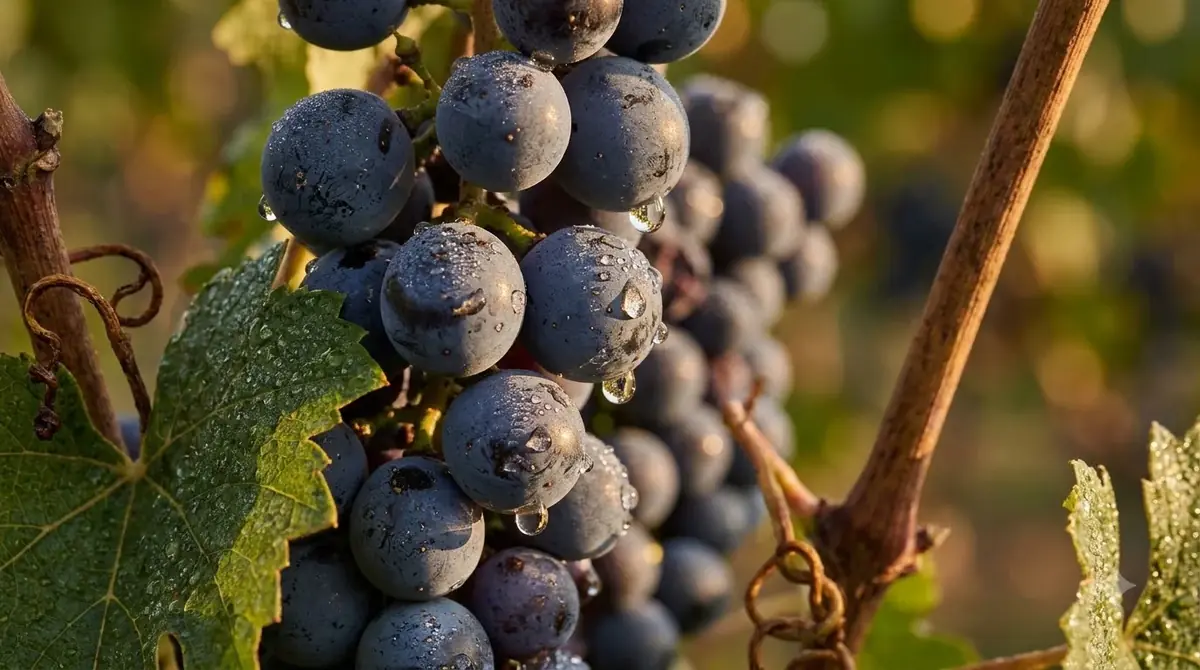
The aromatic side of Barolo is a big part of its appeal. Wine Folly’s Barolo profile lists raspberry, cherry, rose, tar and licorice as its primary flavors, and those red fruit and floral notes sit comfortably beside roasted poultry. For a table where some guests drink white and others prefer red, a wine with that much aroma can be a sensible middle ground.
VinePair makes the optimistic case directly. Its writer argues that Barolo’s fruit forwardness and acidity complement white poultry such as turkey, and that its red cherry, tobacco and dried herb profile suits sweet potatoes, savory stuffing and cranberry sauce. That view centers on flavor, which is only half of the decision. The other half is structure, and that is where the sources begin to disagree.
The structural case is more cautious. Decanter’s turkey pairing guide says the best matches are usually relatively full-bodied whites or medium-bodied reds with low-to-medium tannin and high acidity. Barolo is full-bodied and high in tannin, so it sits outside that group. That does not rule it out, but it means the bottle, the sides and the serving method have to do more of the work than they would for a Pinot Noir.
How Tannin Meets Lean Turkey
Tannin is the drying, grippy sensation in red wine, and it is the central issue with barolo with turkey. Decanter notes that turkey’s relatively low fat content means little dampens the prominent, mouth-coating tannins found in some younger, bolder reds.
Fat is the usual tool for taming tannin. VinePair describes the mechanism simply: tannins bind to the fats in Thanksgiving dishes, which makes the wine smoother and softer and brings out the savory layers on the plate. The effect is strongest when the meal has a fatty component, such as dark meat, gravy or butter-rich stuffing. A plate of lean white meat alone gives a young Barolo little to soften its grip, so the wine stays at the front of the palate.
Decanter’s Matthieu Longuère adds a second warning. He says a turkey wine should not be too heavy or full-bodied, because it will overwhelm the soft texture of the meat. That is a separate risk from tannin, and it explains why a big, young Barolo can taste lopsided beside a modest slice of breast. Choosing a bottle with some age, or pairing it with a dark-meat plate, reduces both problems.
Matching Barolo to the Classic Thanksgiving Sides
The sides often decide the outcome more than the bird does, and Longuère argues that tannin clashes with the sweetness of cranberry sauce and root vegetables. His list of classic trimmings includes roasted potatoes, stuffing, carrots, parsnips, pigs in blankets, red cabbage, Brussels sprouts, cranberry sauce and gravy, and each one pushes a red wine in a different direction.
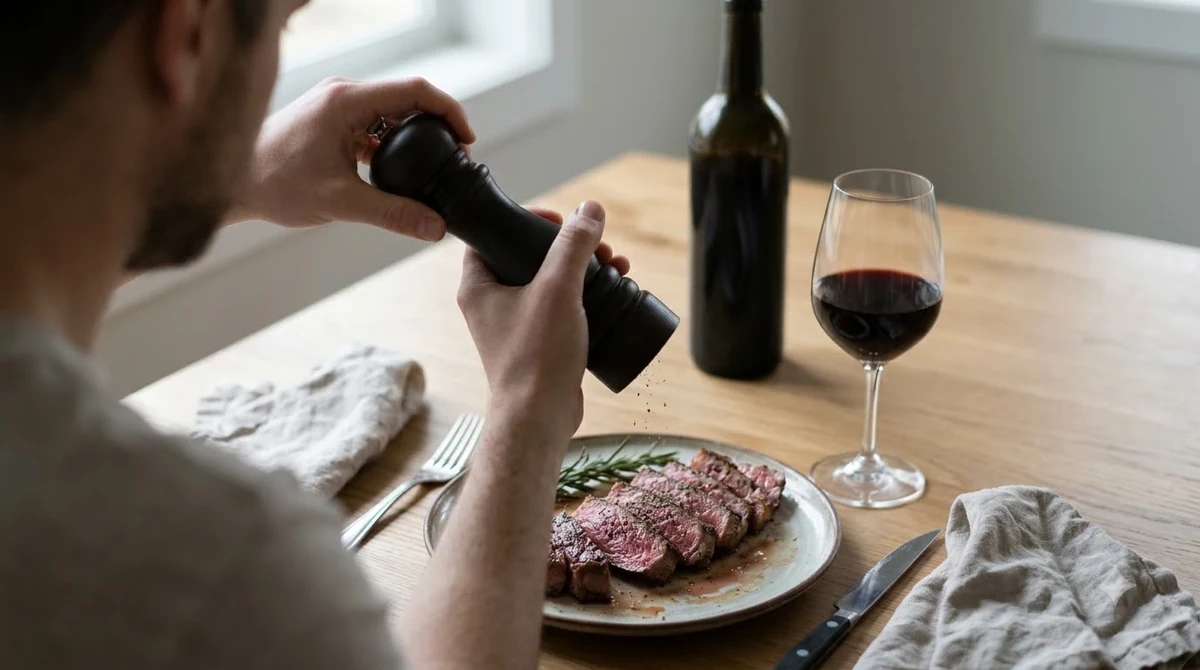
Cranberry sauce is the main pressure point. Its tartness and sugar can make a young, grippy wine taste harsher, so the sauce deserves its own position on the plate. Red cabbage has a sweet and sour edge that Longuère also identifies as a clash point for overly tannic wines. Brussels sprouts and carrots are less of a concern, but a heavy wine still needs enough fruit to keep pace with them.
Tip: Serve the cranberry sauce in a small dish at the edge of the plate instead of spooning it over the turkey. That keeps the tart fruit from meeting the wine in every bite, and guests can add as much or as little as they like.
Savory and buttery sides are the friendlier partners. Stuffing and gravy supply fat and savory depth, which helps soften tannin. VinePair’s pairing of sweet potatoes with Barolo’s red cherry and dried herb character works well, so a simple roasted sweet potato with butter sits comfortably beside the wine. The practical goal is to keep the sharpest sides modest in quantity and let the richer dishes carry the wine through the meal.
Serving Temperature, Decanting and Glassware
Service choices can make or break a young Barolo at the table. Wine Folly recommends serving it between 60 and 68°F, which is 15 to 20°C, and decanting it for about one hour.
| Barolo situation | Serving temperature | Decanting | What to expect at the table |
|---|---|---|---|
| Younger bottle | 60–68°F | About 1 hour | Firm grip; keep cranberry and sweet sides modest |
| Bottle cellared 10 or more years | 60–68°F | 30 to 60 minutes | Softer tannin; more room for mixed sides |
| Mature bottle near 20 years | 60–65°F | Brief, mainly to leave sediment behind | Tobacco, autumn leaf and sweet oak; silky texture |
Serve the wine toward the cooler end of that range, around 60 to 65°F, for a turkey dinner. Warmer wine feels hotter and more alcoholic, and a Barolo at 13.5 to 15% ABV already carries plenty of heat. Longuère says decanting can help soften younger wines in general, so opening the bottle early and letting it breathe is a useful habit for a large dinner.
Glassware matters less than temperature, but it still affects the aromatic style. Wine Folly recommends an Aroma Collector glass, a wider bowl that lets the floral and tar notes lift. Plan on about five ounces per guest. A 750 ml bottle holds about five glasses of that size, so a table of eight needs two bottles, and a table of ten needs two as well.
Choosing the Right Barolo Bottle for Turkey
Bottle age is the largest variable in barolo with turkey, because tannins generally soften over time. Decanter notes that a few years of bottle age can change the picture for bold reds, and that long-lived grapes such as Nebbiolo and Cabernet Sauvignon need that time to settle.
A younger bottle is a practical choice when budget or timing is tight, but it needs the right supporting cast. Pair it with dark meat, buttery stuffing and gravy, and keep the cranberry to a restrained portion. A younger bottle beside a plate of mostly white meat is the setup most likely to feel out of balance.
Mature bottles are where Barolo makes its strongest case. Longuère suggests a 20-year-old Barolo, or a Haut-Médoc of the same age, once it has become complex, with aromas of tobacco, autumn leaf and sweet oak, and a texture he describes as pure silk on the palate. Older bottles are harder to find on ordinary shelves, so a mature Barolo works best when the dinner is planned well in advance and the host can source one from a specialist shop.
Producer and vintage matter as well. Decanter points out that classic styles can vary in the glass according to winemaking decisions and vintage conditions, so the word Barolo alone does not guarantee a particular texture. Read producer notes that mention tannin and structure before buying, rather than relying on the regional name.
How Barolo Compares With Other Turkey Wines
Barolo sits at the firm end of the range Decanter recommends for turkey. The guide’s classic styles include full-bodied Chardonnay, Pinot Noir, mature Bordeaux, Rioja or Barolo, and Beaujolais, so Barolo is one of several reds it treats as suitable for turkey.
Pinot Noir is the easier red for most tables. Decanter describes it as delivering bright red fruit and refreshing acidity, with varying levels of structure, and Longuère recommended a good five-year-old Pinot from Burgundy, Germany or the UK. Its acidity and lighter tannin do not fight the cranberry and cabbage as hard as Barolo can.
Chardonnay is the white with the widest appeal. Decanter says a relatively full-bodied Chardonnay can be an enchanting accompaniment to turkey, especially with bread sauce, and that its acidity carves a path through rich trimmings. A bottle of Chardonnay beside a smaller pour of Barolo covers both camps at the table. The full case for that option is in chardonnay with turkey.
Cabernet Sauvignon carries the same structural risk as Barolo, since Decanter groups it with Nebbiolo among long-lived grapes that are high in tannin and acidity. If you want a fruit-forward red with a different structure, the comparison shifts, and the next step is to read about zinfandel with turkey.
Leftovers, Steak and Where Barolo Goes Next
Barolo rarely survives the meal, but leftover wine and leftover turkey each call for a different approach. Still wines generally keep three to five days in the refrigerator after opening, so a bottle opened on Thursday can still be pleasant on Sunday. Bring it out about an hour before serving so it warms back toward the 60s.
Cold turkey changes the logic. Fiona Beckett, quoted by Decanter, suggested a riper, fruitier Pinot Noir from California, Oregon or New Zealand for cold roast turkey, which points to a simple principle: cold, lean meat calls for more fruit and less grip. Barolo can still work with a leftover sandwich that includes gravy and stuffing, but in that case the fat does most of the taming.
Barolo is also a strong match beyond the bird. Wine Folly pairs it with truffle risotto, handmade pasta and thinly sliced charcuterie, which shows how far its strengths reach. If the holiday plan includes a roast or a steak, see barolo with steak for the beef side of the same wine, and use the Grape x Food guide to compare other grapes against the same dishes.
Frequently Asked Questions
Can barolo with turkey work for a mixed crowd that drinks white and red?
Decanter’s Longuère has said it should be possible to find a wine in every color that suits a turkey dinner, so the table does not need one bottle to do everything. A Barolo for the red drinkers alongside a Chardonnay for the white drinkers covers both groups without forcing a single wine to carry the whole meal.
Should a young Barolo be decanted before turkey?
Yes, a younger bottle benefits from air, and Wine Folly’s one-hour recommendation is a dependable starting point for a large dinner. Open it early enough that the wine has settled in the glass, then take a small sip before guests arrive to check how firm the grip still feels.
What is Barolo Chinato, and can it follow the meal?
VinePair describes Barolo Chinato as a version of the wine steeped with cinnamon, coriander and cinchona bark. The same article calls it a pre-dessert sipper and recommends serving it at room temperature in a small tumbler, which makes it a natural way to close a long holiday meal.
Does an older Barolo always beat a younger one with turkey?
Not always, because age softens tannin but can also thin out fruit, and a very old bottle with fragile fruit may struggle against bold sides. Decanter’s Longuère also suggests Rioja Gran Reserva wines at least 10 years old as a potentially great match for turkey, which shows that aged reds have a track record at this kind of table.
Where does Barolo come from?
VinePair places Barolo in the mountainous region of Piedmont in northwestern Italy. The same article presents Nebbiolo-based wines from Piedmont as its main recommendation for holiday tables, which is why the region comes up so often in turkey discussions.
Barolo with turkey rewards planning more than luck. Match the bottle’s age to the sides on the table, keep the cranberry modest, and serve the wine in the low 60s Fahrenheit so its structure stays in balance.
More in Food & Wine Pairing
 Risotto With White Wine Recipe: Make a Creamy Dinner at HomeUpdated Nov 20, 2026
 Wassail With Wine Recipe for a Festive Spiced Holiday DrinkUpdated Nov 20, 2026
 Spritz Veneziano Recipe: Make a Classic Venetian Aperitivo at HomeUpdated Nov 20, 2026
 Summer Wine Punch Recipe for Easy Homemade EntertainingUpdated Nov 20, 2026
 Bishop Recipe: How to Make a Bright, Citrus-Forward Red Wine CocktailUpdated Nov 20, 2026
 Wine Cupcakes Recipe: Bake Rich Chocolate Cupcakes at HomeUpdated Nov 20, 2026