

We may earn a commission when you buy through links on this page, at no extra cost to you. Learn more.
Barolo wine tasting centers on the Nebbiolo grape, a firm, tannic red from Piedmont in northern Italy that is made only within a small DOCG zone southwest of Alba and that rewards both careful serving and time in the cellar. A good tasting shows how the wine changes from young and fierce to older and more fragrant, and it explains why Barolo has been called the king of wines. This guide covers what to look for, how to serve and taste Barolo properly, and how to plan a tasting that makes sense for a beginner or a seasoned drinker.
Barolo is one of the most serious red wines in Italy, and it can be intimidating at first. Its color is pale for a red, its aromas are often delicate, and its tannins can feel grippy in young examples. Those traits are exactly what make a structured tasting worthwhile. Knowing a few facts about the grape, the zone, and the style debates helps you read a Barolo flight with confidence.
Where Barolo Is Made
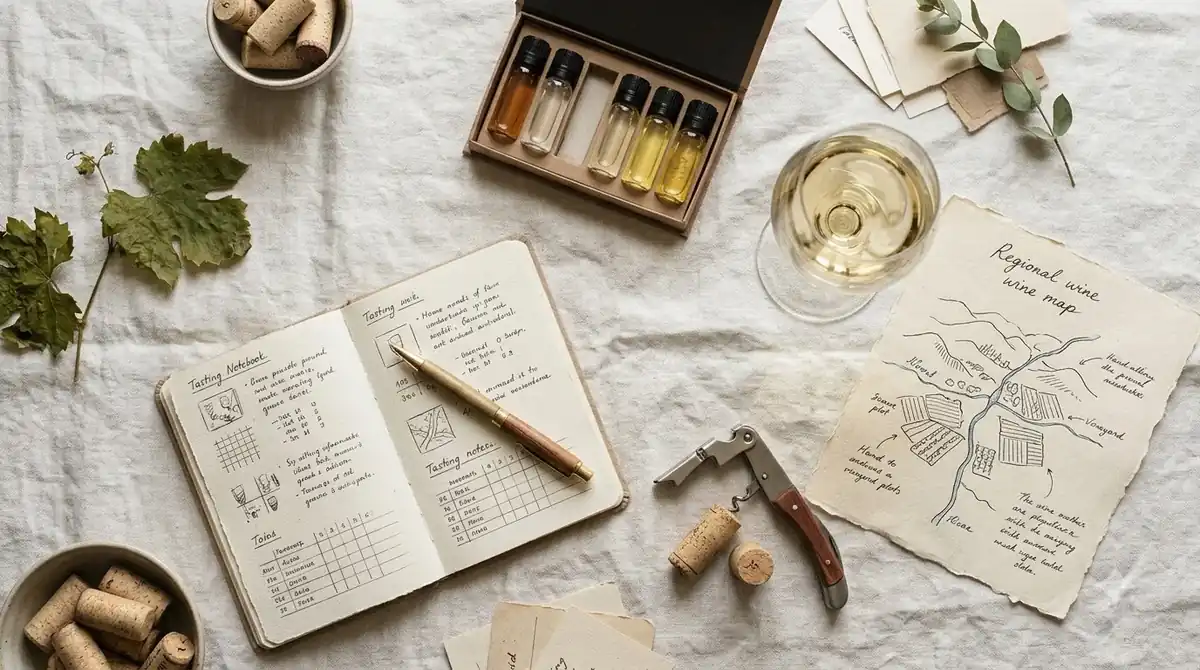
Barolo is produced in Piedmont, in northern Italy. According to the Wikipedia entry on Barolo, the zone lies southwest of Alba in the province of Cuneo and was elevated to DOCG status in 1980. The production area extends into 11 communes, all in Cuneo province. Barolo and Castiglione Falletto are considered the historic core of the zone, and Serralunga d’Alba is also included in full.
The landscape is a patchwork of hills, and the vineyards sit on slopes that catch the sun. Piedmont’s climate tends to be cool compared with the south of Italy, which helps Nebbiolo ripen slowly and hold its acidity. Visitors who walk the hills near the villages often notice how the vineyard sites change from one slope to the next.
What Nebbiolo Tastes Like
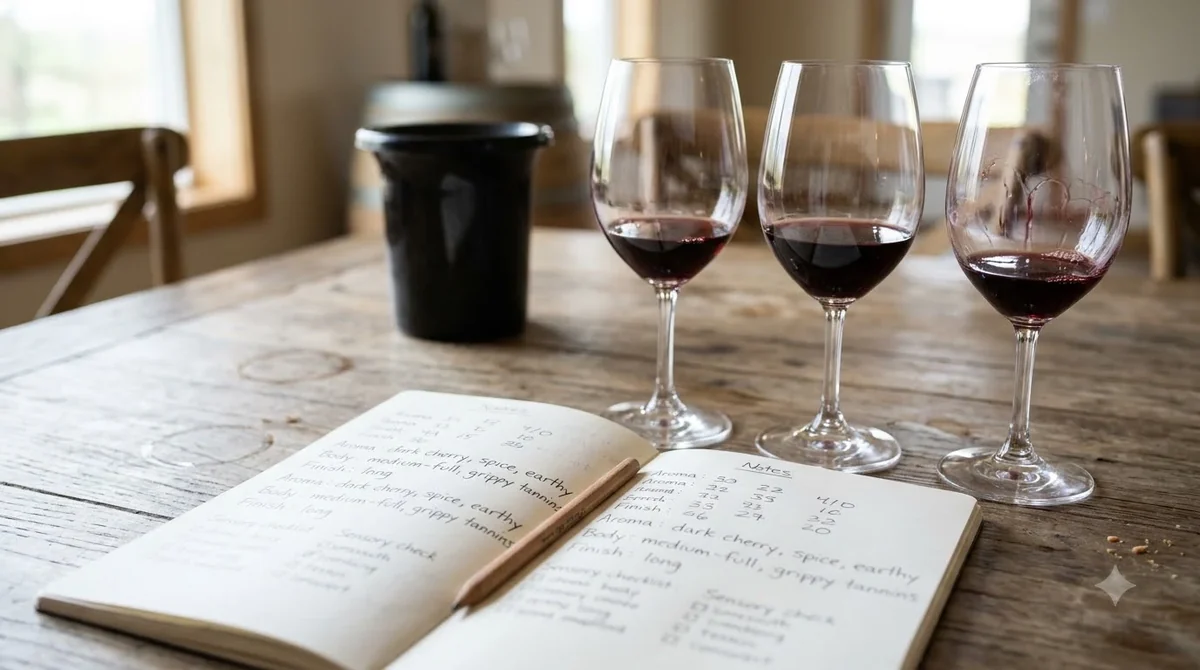
Nebbiolo is the only grape permitted in Barolo, since DOCG rules require 100 percent Nebbiolo. Wine Folly’s Nebbiolo guide lists primary flavors of cherry, rose, leather, anise, and clay pot. The wine is described as bone dry with a medium-full body, and its tannins are rated high while its acidity sits in the medium-high range.
Those structural traits explain why Barolo can taste closed when it is young. The fruit is present, but the tannins and acidity dominate until the wine has aged. Over time the tannins soften, and the aromas move toward dried rose, tar, and spice. A tasting that includes both a younger and an older bottle makes this change easy to notice.
| Aspect | What to expect | Why it matters at the table |
|---|---|---|
| Tannin | High in young wines | Needs rich food or time to soften |
| Acidity | Medium-high | Keeps the wine lively with fatty dishes |
| Body | Medium-full | Pairs with hearty plates |
| Aroma | Rose, cherry, leather, tar as it ages | Shows the wine’s evolution in the glass |
Tip: Young Barolo often benefits from decanting. Wine Folly suggests about one hour for Nebbiolo, which gives the tannins time to open up before you pour.
Aging Rules and What They Mean for Buyers
Barolo must be aged for at least three years after harvest, and at least 18 months of that time must be spent in wood. Wikipedia notes that a wine labeled Riserva needs at least five years of aging. These rules mean that a Barolo on the shelf has already spent years in the winery before it reaches the market, which is one reason it can be expensive and why the best examples reward cellaring.
For a tasting, the aging rules help you choose a sensible flight. A young Barolo shows the grape’s structure, while an older bottle reveals the wine’s developed side. Asking your host whether a bottle is a standard release or a Riserva can clarify what you are tasting.
The Modernist and Traditionalist Debate
Barolo’s style has been the subject of a long debate. According to Wikipedia, in the 1970s and 1980s a group of “modernist” producers shortened maceration and used new French oak barrels to make fruitier, earlier-drinking wines. Traditionalists opposed these changes, and the dispute became known as the “Barolo wars.” Many producers today combine elements of both approaches.
This debate is useful for tasters. A flight can include a wine made in a more traditional way beside one with a more modern profile, and the difference shows how winemaking choices shape texture, aroma, and the speed at which the wine develops. Neither style is correct for every drinker, and the best way to decide is to taste both.
Planning a Barolo Tasting
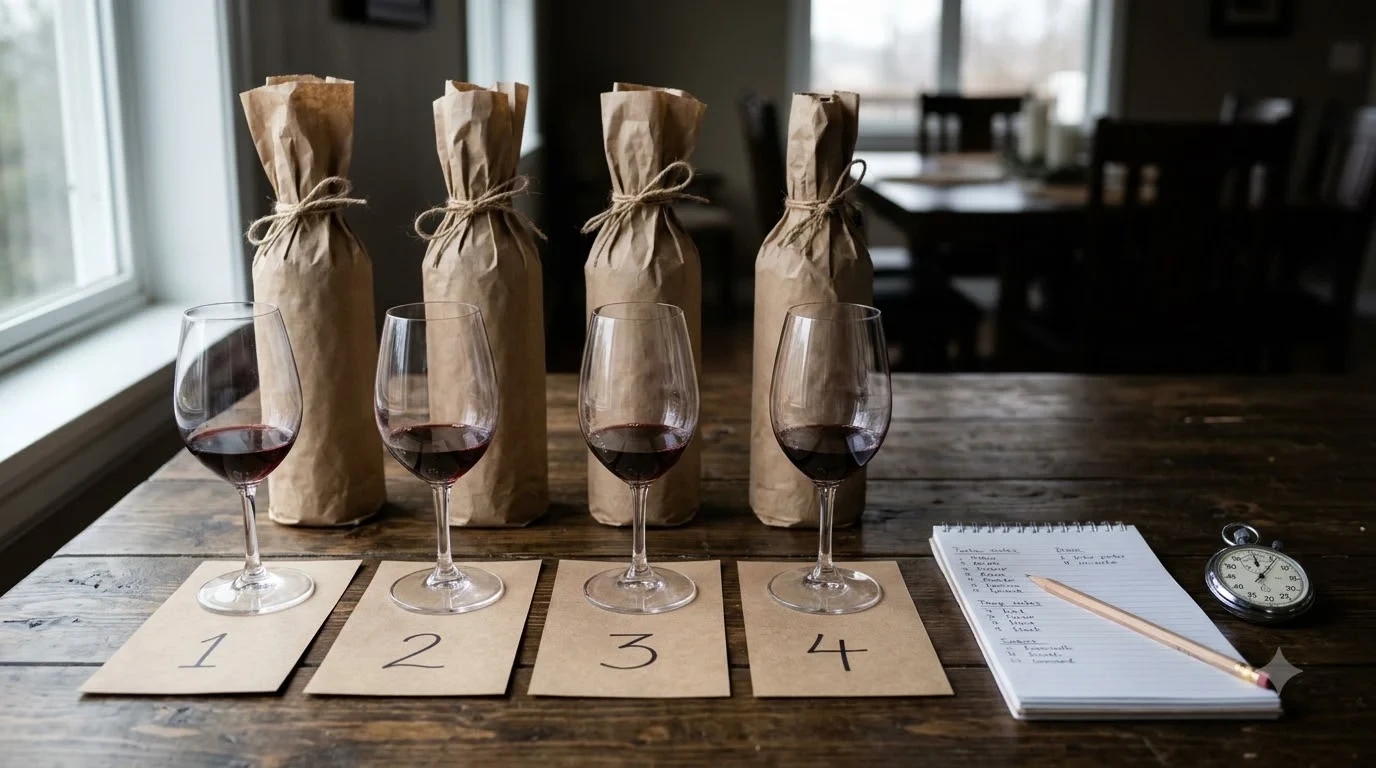
A structured tasting works best when you move from young to old and from simple to complex. Start with a younger Barolo to set a baseline for the grape’s power, then move to an older or Riserva bottle to compare how time changes the wine. A small amount of cheese or bread between pours helps keep the palate fresh, and water helps you reset between tastes.
Barolo also pairs with a wide range of food. Wine Folly suggests fatty foods, such as dishes with cream or cheese, to balance the tannins, and it names truffle risotto and butternut ravioli as examples. These pairings are a good way to see how a Barolo changes when it meets rich food, and they show why the wine is often served with celebratory dishes.
Serving Barolo Well
Serving temperature matters. Wine Folly recommends serving Nebbiolo between 55 and 60 degrees Fahrenheit, which is slightly cooler than many people expect for a red. It also suggests an aroma-collector glass, since the wide bowl helps the delicate aromas reach the nose. Cool service keeps the wine’s structure in balance and prevents the alcohol from feeling heavy.
Barolo’s alcohol level is typically between 13.5 and 15 percent, according to the same Wine Folly guide. Pouring modest amounts and pacing your glasses makes a long tasting more comfortable and lets you notice more about each wine.
How to Choose a Barolo Bottle
Look at the vintage, producer, and label language. Barolo and Riserva are the two main classifications to watch, and the producer’s reputation often tells you more about the style than the label does. If you are new to the wine, a younger, more accessible Barolo is a good first purchase, while a collector may prefer an older release with a longer track record.
If you enjoy the structure of Barolo and want to compare it with another wine built on firm acidity, the Gavi wine tasting guide offers another Italian point of comparison. Visitors who want to contrast Italian reds with Spanish styles can also look at the Rioja wine tasting guide.
Frequently Asked Questions
What grape is Barolo made from?
Barolo is made only from Nebbiolo. DOCG rules require 100 percent Nebbiolo for the wine.
How long should Barolo age?
Barolo must be aged at least three years after harvest, including at least 18 months in wood. A Riserva needs at least five years of aging, according to Wikipedia.
What temperature should Barolo be served at?
Wine Folly recommends 55 to 60 degrees Fahrenheit, which keeps the wine’s structure balanced and the aromas clear.
Does Barolo need to be decanted?
Young Barolo often benefits from decanting. Wine Folly suggests about one hour for Nebbiolo, which helps soften the tannins before serving.
Barolo rewards patience, curiosity, and a good meal. A thoughtful tasting shows how one grape, one zone, and a long debate about style have produced some of Italy’s most serious red wines. For a broader view of how regions and climates shape the wines on a tasting list, read the wine regions guide.
More in Wine Regions
 Willcox Wine Trail: Discover Arizona’s High-Elevation Wine CountryUpdated Nov 20, 2026
 Yakima Valley Wine Region: Find the Best Styles to TryUpdated Nov 20, 2026
 Vosne Romanee Wine Tasting: Identify Aromas and Choose Better PairingsUpdated Nov 20, 2026
 Yakima Valley Wine Festival: Find the Best Seasonal Wine EventsUpdated Nov 20, 2026
 Wales Vineyards: Discover Cool-Climate Wines and Where to VisitUpdated Nov 20, 2026
 Yountville Wine Festival: Discover Napa Wines and Local FoodUpdated Nov 20, 2026