

We may earn a commission when you buy through links on this page, at no extra cost to you. Learn more.
This barefoot cabernet review finds that Barefoot Cabernet Sauvignon is a dry, approachable California red with ripe blackberry, raspberry, currant, and vanilla flavors, making it a practical choice for casual meals and everyday occasions. Its fruit-forward profile and relatively soft texture make it less demanding than many traditional Cabernet Sauvignons. It is not designed to deliver the depth, firm tannins, or aging potential of premium Cabernet, but it offers an accessible introduction to the grape.
Barefoot Cabernet Sauvignon occupies a familiar place in the American wine market: an uncomplicated red intended for relaxed dinners, gatherings, and informal entertaining. The producer emphasizes ripe berry flavors and a smooth finish, while professional tasting notes identify additional complexity from spice, chocolate, toasted oak, and dried herbs. Understanding the difference between those expectations helps determine whether this bottle fits your preferences. This guide examines its flavor, sweetness, serving conditions, food compatibility, and the situations in which another Cabernet style might be a better choice.
Who This Is For
Barefoot Cabernet Sauvignon is best suited to drinkers who want recognizable dark-fruit flavors, an approachable texture, and a red wine that does not require extensive knowledge or preparation. Its California origin and familiar Cabernet character make it particularly accessible for informal occasions.
The wine makes sense for someone beginning to explore Cabernet Sauvignon but who finds highly structured reds too drying or intense. Cabernet Sauvignon generally has high tannin, but Barefoot emphasizes smoothness and ripe fruit rather than an aggressively firm structure. That combination makes it easier to serve alongside familiar meals such as burgers, grilled beef, and tomato-based pasta.
It is also a reasonable option for hosts who want a recognizable red wine for a casual gathering. The producer specifically recommends its Cabernet Sauvignon for backyard barbecues and beachside occasions. Its fruit-forward profile is relatively easy to understand, even for guests who do not regularly drink red wine.
However, this is not necessarily the right bottle for someone seeking a traditional, age-worthy Cabernet with concentrated blackcurrant, pronounced cedar, firm tannins, and a long, evolving finish. Those characteristics are more commonly associated with carefully selected premium examples from regions such as Napa Valley. Barefoot’s central appeal is approachability rather than serious cellar development.
Consider the following preferences before choosing:
- Good match: Drinkers who enjoy blackberry, raspberry, plum, and soft vanilla flavors.
- Good match: People looking for a straightforward red for hamburgers, beef dishes, and weeknight pasta.
- Good match: Beginners who want to understand the basic Cabernet Sauvignon flavor profile.
- Less suitable: Drinkers who prefer exceptionally dry, structured, high-tannin reds.
- Less suitable: Collectors seeking a specific vintage, vineyard designation, or substantial bottle-aging potential.
Readers comparing other approachable selections can also explore Barefoot wine to understand how this Cabernet fits within the producer’s broader range.
Key Factors to Compare
The most useful buying considerations are sweetness, fruit character, tannin, alcohol, origin, and bottle size. Looking at these characteristics together provides a clearer picture than relying on the word Cabernet alone.
Barefoot describes its Cabernet Sauvignon as dry, with blackberry, raspberry jam, currant, and vanilla flavors. These are fruit-forward characteristics, but ripe fruit aromas should not automatically be confused with residual sugar. A wine can smell and taste like sweet berries while remaining technically dry.
Professional tasting evidence adds another dimension. Wine Enthusiast awarded its reviewed non-vintage Barefoot Cabernet Sauvignon 90 points and described aromas of black fruit, spice, chocolate, toasted oak, and dried herbs. Its palate description includes boysenberry, plum, orange peel, and maple, finishing with a silky texture. This suggests a more varied flavor profile than the simple berry-and-vanilla description on the producer’s product page.
| Factor | Barefoot Cabernet detail | What it means |
|---|---|---|
| Grape | Cabernet Sauvignon | Recognizable dark-fruit red wine style |
| Origin | California, USA | Broad regional designation |
| Alcohol | 13.5% ABV | Moderate-to-full alcohol presence |
| Bottle size | 750 ml | Approximately five standard 5 oz pours |
| Vintage | Non-vintage listing | No specific harvest year identified |
| Sweetness | Dry | Ripe fruit flavors without a sweet-wine classification |
| Main fruit notes | Blackberry, raspberry, currant | Ripe and dark-fruited character |
| Additional notes | Vanilla, spice, chocolate, toasted oak | Extra aromatic and flavor dimensions |
| Texture | Smooth, silky, velvety | Approachable rather than aggressively tannic |
The figures in this table reflect the non-vintage product listing reviewed by Wine.com and the corresponding professional tasting information published by Wine Enthusiast. Bottle specifications and available packaging can differ between listings and markets.
Alcohol deserves particular attention. At 13.5% ABV, Barefoot Cabernet has enough alcohol to contribute noticeable warmth and body. It is not an especially low-alcohol red, even though its fruit-forward style can make it seem softer than more structured Cabernet wines.
The California designation is another important distinction. California contains several different Cabernet-growing environments, including Napa Valley, Sonoma County, Lake County, and the Central Coast. A broad California designation does not identify a specific vineyard or subregion, so buyers should not assume that the wine represents the characteristics of Napa Cabernet specifically.
For another perspective, Wine Enthusiast’s professional Barefoot Cabernet review provides a useful reference for the wine’s aromatic and flavor characteristics. Its 90-point assessment is particularly relevant because the publication explains that its reviews are based on blind tastings.
Step-by-Step: How to Choose and Serve Barefoot Cabernet
Choosing this wine is relatively straightforward when you consider the intended occasion, expected flavor, and serving conditions. A few simple steps can make the difference between an ordinary pour and a more satisfying meal pairing.
-
Decide whether you want a dry red.
Barefoot identifies its Cabernet Sauvignon as dry. Expect ripe blackberry and raspberry impressions rather than the pronounced sweetness associated with dessert wines or sweeter red blends.
-
Consider the meal.
Choose this Cabernet for beef burgers, grilled steak, tomato-based pasta, or roasted meats. Its fruit character and tannin structure are better suited to these foods than to delicate seafood or very spicy dishes.
-
Check the alcohol specification.
The reviewed 750 ml product listing gives 13.5% ABV. This is useful information when comparing it with lighter reds such as Pinot Noir or lower-alcohol wine styles.
-
Select an appropriate bottle format.
A standard 750 ml bottle provides approximately five servings when using the conventional 5 oz wine pour. For a gathering of 10 people receiving one glass each, plan on approximately two standard bottles.
-
Prepare the serving temperature.
Rather than serving the wine excessively warm, aim for approximately 60 to 65 degrees Fahrenheit. This full-red serving range helps preserve fruit aromas and keeps the alcohol from becoming overly prominent.
-
Choose suitable glassware.
A standard red wine glass with a reasonably wide bowl provides enough room to swirl the wine and release its aromas. Fill the glass to approximately one-third capacity when using a 15 oz glass, allowing room for the wine to develop aromatically.
-
Pour and evaluate.
Look for the expected berry and vanilla impressions first. Then consider whether you notice additional plum, spice, chocolate, or oak characteristics. Comparing the wine with food can also reveal how its acidity and tannins interact with different flavors.
These steps are useful even for inexpensive everyday wines. Proper serving conditions cannot transform a straightforward California Cabernet into a premium cellar wine, but they can help its existing characteristics show more clearly.
Tip: If your Cabernet has been stored at typical room temperature, place it in the refrigerator for approximately 15 to 20 minutes before serving, then check its temperature. A slightly cool red generally retains fresher fruit aromas and less obvious alcohol warmth than one served too warm.
Types and Styles Explained
Understanding the broader Cabernet Sauvignon category helps explain where Barefoot fits. The grape can produce everything from soft, fruit-driven California reds to concentrated, structured wines that benefit from years of bottle aging.
Barefoot belongs toward the approachable, everyday end of that spectrum. The producer’s descriptions emphasize blackberry, raspberry jam, currant, and vanilla, while the professional review adds boysenberry, plum, spice, chocolate, and toasted oak. The overall impression is fruit-forward, smooth, and relatively easy to enjoy without extensive preparation.
Fruit-forward California Cabernet
Fruit-forward Cabernet Sauvignon typically emphasizes ripe black fruit, dark berries, and a relatively accessible texture. Depending on the wine, vanilla and baking-spice impressions can also contribute to its aromatic profile.
This is the most useful category for understanding Barefoot. Its flavor presentation is familiar and direct, with berry fruit at the center. It does not require a sophisticated tasting vocabulary to appreciate, which is part of its appeal for casual drinkers.
Traditional structured Cabernet Sauvignon
Traditional structured Cabernet often has more prominent tannins, deeper blackcurrant flavors, and greater emphasis on acidity, oak, and savory complexity. Napa Valley is a particularly well-known source of this style, although Cabernet is produced throughout California.
These wines may benefit from additional breathing time. A young, full-bodied Cabernet can often be decanted for approximately 30 to 60 minutes to soften its initial presentation and allow its aromas to open.
Barefoot should not automatically be expected to show the same structure or development as a more concentrated Napa Valley example. Its broad California designation and accessible flavor profile make it a different purchasing proposition.
Other approachable red varieties
Cabernet is not the only choice for drinkers who prefer smooth red wines. Merlot generally has medium, softer tannins, making it a useful alternative for someone who finds Cabernet too firm. Pinot Noir typically has low-to-medium tannins and higher acidity, creating a lighter and more refreshing style.
Syrah is another alternative, although it commonly has medium-plus to high tannins and can deliver a more substantial impression. The choice depends on whether the drinker prefers ripe fruit, freshness, structure, or a lighter texture.
Barefoot also produces other wine styles that may suit different preferences. Readers interested in a sweeter alternative can explore Barefoot Moscato, which offers a very different experience from a dry Cabernet Sauvignon.
How the styles compare
- Barefoot Cabernet Sauvignon: Dark berry flavors, vanilla, and a smooth, accessible texture.
- Structured Cabernet Sauvignon: More pronounced tannins, blackcurrant, oak, and potentially greater aging potential.
- Merlot: Softer, medium tannins and generally approachable fruit character.
- Pinot Noir: Lighter tannin structure, higher acidity, and often red-fruit characteristics.
- Syrah: More substantial tannin and potentially pronounced dark fruit and savory flavors.
These comparisons concern typical grape characteristics rather than guaranteed differences between every bottle. Climate, vineyard conditions, winemaking decisions, and maturation can substantially change the final wine.
Common Mistakes When Buying and Drinking Barefoot Cabernet
The most common mistake is assuming that all Cabernet Sauvignon tastes the same. Barefoot is a fruit-forward, accessible example, so buyers expecting the powerful structure of an expensive Napa Cabernet may find it comparatively simple.
Another frequent misunderstanding concerns sweetness. The wine’s blackberry jam, raspberry, and vanilla descriptions can suggest sweetness, but the producer identifies the wine as dry. Ripe fruit flavors and actual residual sugar are two different things.
Confusing fruitiness with sugar
A wine’s perceived sweetness comes from more than its residual sugar. Ripe fruit aromas, vanilla-associated flavors, and a smooth texture can make a dry wine seem sweeter than its technical classification suggests.
Cabernet Sauvignon is generally a dry red grape variety. Barefoot’s fruit-forward presentation does not make it equivalent to a sweet red wine. Drinkers who want pronounced sweetness should consider a genuinely sweet wine style instead.
Expecting premium Cabernet structure
Cabernet Sauvignon is naturally associated with high tannin. However, the intensity of that tannin varies with grape growing conditions and winemaking techniques.
Someone expecting strong grip, concentrated blackcurrant, firm oak, and a long, complex finish may find Barefoot comparatively straightforward. Its softer presentation is a feature for casual drinkers, not necessarily a flaw.
Serving the wine too warm
Many people serve red wine at ordinary indoor temperatures, which can be warmer than ideal. At temperatures approaching 70 degrees Fahrenheit or higher, alcohol warmth can become more noticeable and the fruit can seem less fresh.
For Barefoot Cabernet, approximately 60 to 65 degrees Fahrenheit is a better target. A short period of refrigeration can help bring the wine into that range, especially during warmer weather.
Pairing it with the wrong food
Cabernet Sauvignon works particularly well with protein-rich foods and dishes that contain enough flavor to stand up to its structure. A delicate white fish dish, for example, may be overwhelmed by the wine’s tannins and alcohol.
Very spicy food can also make the alcohol and tannin seem more aggressive. Chili heat is amplified by alcohol and tannin, so heavily spiced dishes are not the easiest match.
Finally, avoid assuming that a broad California designation guarantees the characteristics of a particular California subregion. Napa Valley, Sonoma County, and the Central Coast have distinct growing environments, and a general California designation does not identify one of them.
Care, Storage, and Food Pairing Tips
Proper storage and thoughtful food pairing help preserve the wine’s fruit character and make it more enjoyable after opening. Barefoot Cabernet is best approached as a ready-to-drink wine rather than a bottle that needs extended cellaring.
For unopened bottles, a stable storage environment is more important than elaborate equipment. A temperature close to 55 degrees Fahrenheit is a useful target, with bottles kept away from direct sunlight, heat sources, and repeated temperature changes.
For bottles with traditional cork closures, horizontal storage helps maintain contact between the wine and the cork. A consistent environment also reduces unnecessary fluctuations that can affect the wine over time.
Food pairings that work well
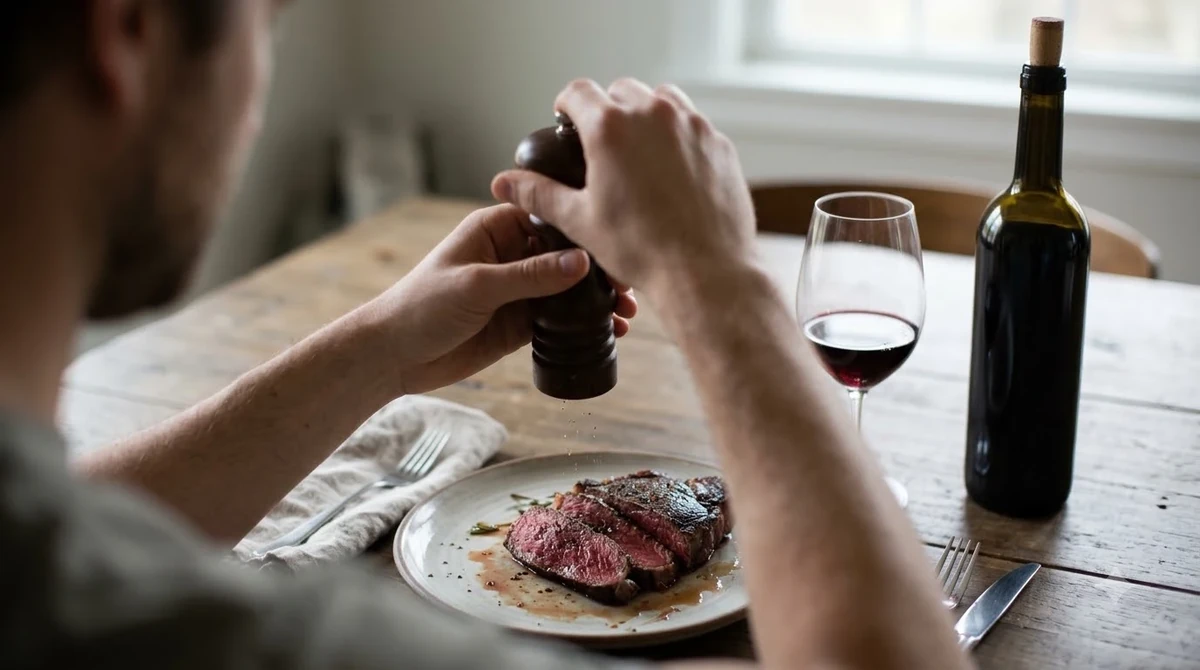
The strongest matches generally include beef, savory sauces, grilled meats, and foods with enough richness to complement Cabernet’s tannins. Salt and fat soften the perception of tannin, which explains why a juicy cheeseburger or a grilled steak can work particularly well.
- Cheeseburgers: The fat in the beef and cheese helps balance the wine’s tannin, while the dark fruit complements grilled flavors.
- Grilled steak: Beef provides enough richness and savory flavor to match the Cabernet’s dark-fruit character.
- Tomato-based pasta: The wine’s fruit profile can complement a rich meat sauce, while the food’s acidity makes a useful contrast.
- Barbecue ribs: Savory meat and moderate sweetness in the sauce can work with the wine’s berry flavors. Avoid excessively hot sauces.
- Roasted mushrooms: Their earthy, savory character can complement the wine’s spice and toasted-oak impressions.
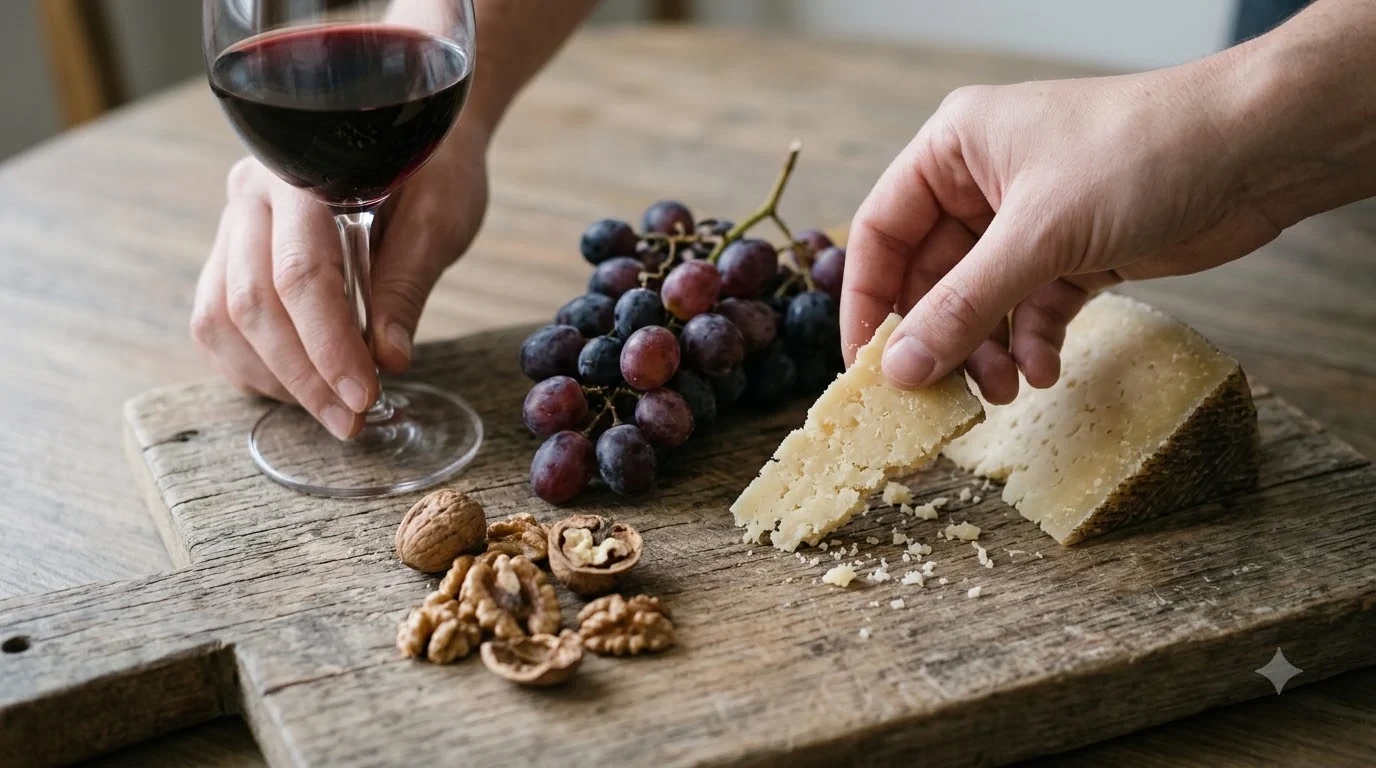
- Hard cheeses: Aged cheddar and similar savory cheeses can provide enough flavor and richness to complement a Cabernet.
Tomato sauces deserve special consideration because acidic foods need wines with equal or higher acidity to avoid making the wine seem flat. A moderately acidic tomato sauce is generally easier to pair than an extremely sharp, vinegar-heavy preparation.
Serving temperature and glassware
Serve Barefoot Cabernet at approximately 60 to 65 degrees Fahrenheit. This is cooler than many ordinary indoor environments and helps maintain the wine’s aromatic freshness.
A standard red wine glass is suitable. A generous bowl gives you room to swirl the wine and observe how the aromas develop. There is no requirement to purchase specialized Cabernet glassware to enjoy this bottle.
Pour approximately 5 oz per serving. A 750 ml bottle contains approximately five standard servings, making it easy to estimate how many bottles are needed for a dinner party.
Decanting and opening
Unlike a young, highly structured Cabernet that may benefit from 30 to 60 minutes of decanting, Barefoot Cabernet generally does not require lengthy aeration. Opening the bottle shortly before dinner and allowing it to breathe in the glass is usually sufficient for its approachable style.
Decanting is optional rather than essential. A simple decanter can be useful for presentation, but it should not be considered a requirement for this wine.
Storing an opened bottle
Once opened, reseal the bottle and place it in the refrigerator. Even red wine benefits from refrigeration after opening because cooler temperatures slow oxidation.
As a general guideline, opened still wines remain enjoyable for approximately three to five days when properly resealed and refrigerated. Flavor and aroma gradually decline, so the wine is best enjoyed relatively soon after opening.
Allow refrigerated Cabernet to warm slightly before pouring another glass. A brief period outside the refrigerator helps restore its fruit aromas without making it excessively warm.
Frequently Asked Questions
Is Barefoot Cabernet Sauvignon actually dry?
Yes. Barefoot’s official product description classifies its Cabernet Sauvignon as dry. Its ripe berry and vanilla flavors can create a sweet impression, but those aromas do not establish that the wine contains substantial residual sugar. It is better understood as a fruit-forward dry red than as a sweet red wine.
Does Barefoot Cabernet Sauvignon contain sulfites?
Retail product information identifies sulfites as an ingredient-related declaration for Barefoot Cabernet Sauvignon. Sulfites are commonly present in wine as a natural fermentation byproduct and may also be used during winemaking. The exact concentration is not established by the general product descriptions discussed in this guide.
Is Barefoot Cabernet Sauvignon suitable for cooking?
It can be used in recipes that call for an uncomplicated dry red wine, including beef stews, tomato-based sauces, and simple pan sauces. Its berry and vanilla character may contribute a slightly fruitier impression than a more restrained cooking wine. Avoid reducing it excessively because concentrated wine flavors can become more pronounced.
Can Barefoot Cabernet Sauvignon be served in a wine cocktail?
Yes. The producer’s retail product information identifies cocktail recipes as one possible use for its Cabernet Sauvignon. A simple red wine spritzer is one option, combining wine with sparkling water and a citrus garnish. Its fruit-forward profile also makes it suitable for casual wine-based punch recipes.
Does Barefoot Cabernet Sauvignon need to be aged before drinking?
No special aging period is required for its intended approachable style. The wine is presented as a ready-to-enjoy California Cabernet rather than a collectible vintage selected for extended cellar development. Storing it properly before opening is more important than attempting to mature it for several years.
Barefoot Cabernet Sauvignon is a sensible choice for drinkers who appreciate dry red wine with generous blackberry, raspberry, currant, and vanilla character. Its smooth presentation makes it particularly useful for casual meals and gatherings, although those seeking firm tannins and substantial cellar complexity should consider a more structured Cabernet. For an accessible California red with familiar flavors, it remains a straightforward option worth considering.
More in Wine Brands
 Underwood Wine Price: Compare Bottles, Cans, and Pack SizesUpdated Nov 21, 2026
 Zenato Wine Price: Compare Styles and Choose the Right BottleUpdated Nov 21, 2026
 Zuccardi Wine Price: Compare Bottles and Find the Right RangeUpdated Nov 21, 2026
 Yellow Tail Moscato Review: Taste, Sweetness and Serving TipsUpdated Nov 21, 2026
 Wolf Blass Yellow Label Review: Choose Your Best StyleUpdated Nov 21, 2026
 Wolffer Estate Rose Review: Choose the Right Bottle for Your TableUpdated Nov 21, 2026