

We may earn a commission when you buy through links on this page, at no extra cost to you. Learn more.
The barefoot bubbly price typically falls around $9 to $15 for a standard 750 ml bottle in the United States, depending on the variety, retailer, and local market. Barefoot Bubbly is an affordable California sparkling wine range with options such as Brut Cuvée, Extra Dry, Brut Rosé, and Moscato. Comparing bottle sizes and sweetness styles helps you find the right bottle without paying more than necessary for the occasion.
Barefoot Bubbly appeals to shoppers looking for accessible sparkling wine for birthdays, brunches, casual celebrations, and everyday entertaining. Its different styles offer a choice between crisp, relatively dry sparkling wine and fruitier, sweeter options. The price is only one consideration: serving size, sweetness, flavor, and availability can all influence which bottle represents the most practical purchase.
Who This Is For: Barefoot Bubbly Buyers and Their Budgets
Barefoot Bubbly is a practical choice for shoppers who want an approachable sparkling wine without committing to the cost of premium traditional-method Champagne. A standard 750 ml bottle offers enough wine for a small gathering, while smaller formats can suit individual servings and more controlled portions.
For casual entertaining, Brut Cuvée is a sensible starting point. Barefoot describes it as the driest sparkling wine in its portfolio, with apple, peach, kiwi, and hints of toast. This combination makes it a useful option for guests who prefer a crisp sparkling wine rather than an obviously sweet drink. The Barefoot Bubbly range also provides sweeter alternatives for people who enjoy more prominent fruit flavors.
Budget-conscious buyers should generally compare standard bottles before considering larger purchases. Retailers can carry different varieties, and their displayed prices can change with location and availability. A bottle that costs slightly more at one store might be the more convenient choice if another retailer does not stock the desired style.
Barefoot Bubbly can also suit hosts who want a recognizable, uncomplicated sparkling wine for mixed groups. Instead of purchasing several expensive bottles, a host can choose a dry option for traditional sparkling-wine drinkers and a sweeter style for guests who prefer fruit-forward drinks.
It is less suitable for someone specifically seeking a prestigious Champagne from the Champagne region of France, a complex vintage sparkling wine, or a bottle intended for extended cellar aging. Barefoot Bubbly occupies a different part of the market, emphasizing accessibility, approachable flavors, and straightforward enjoyment.
Shoppers researching the broader brand can also explore Barefoot wine to understand how its sparkling selections fit alongside its still wines. This distinction matters because a preference for Barefoot Moscato, Chardonnay, or Pinot Grigio does not necessarily indicate which sparkling style will be the best match.
Key Factors to Compare Before Paying
The most useful comparisons involve bottle size, sparkling-wine style, retailer pricing, and the number of servings. A standard 750 ml bottle and a 187 ml mini bottle may have different per-ounce costs, so comparing only the shelf price can give an incomplete picture.
| Buying factor | What to compare | Why it matters |
|---|---|---|
| Standard bottle | 750 ml | Suitable for sharing |
| Mini bottle | 187 ml | Individual serving format |
| Brut Cuvée | Driest portfolio style | For drier wine preferences |
| Extra Dry | Different sweetness profile | For a softer, fruitier impression |
| Brut Rosé | Pink sparkling wine | For a different presentation |
| Retailer price | About $9–$15 per 750 ml bottle | Helps establish a buying budget |
| Serving temperature | 40–50°F | Preserves refreshing character |
| Typical pour | 5 oz | Helps estimate servings |
For a real-world pricing reference, Target lists Barefoot Bubbly Brut Cuvée at approximately $9.99 for a 750 ml bottle, while Total Wine also displays approximately $9.99 for its 750 ml Barefoot Bubbly Brut listing. These retailer examples support the lower end of a practical $9 to $15 standard-bottle budget.
Prices vary by state and retailer, and local taxes, inventory, delivery arrangements, and store promotions can affect the final amount. These figures are useful shopping benchmarks rather than guaranteed prices at every location.
Understand the cost per serving
A standard 750 ml bottle contains approximately 25.4 fluid ounces. At a 5 oz pour, that works out to approximately five servings, with a small amount remaining. A 187 ml mini bottle contains approximately 6.3 fluid ounces, making it a convenient option for a smaller individual serving.
For example, a hypothetical $10 bottle divided into five servings works out to approximately $2 per glass before taxes and any additional serving costs. This calculation is more useful for entertaining than simply comparing the price of one bottle against another.
However, not every gathering requires a full bottle. If only one or two people want sparkling wine, smaller formats can reduce leftovers. For a larger gathering, standard bottles are usually easier to plan around.
Compare the actual product, not just the label
Two bottles from the same producer can offer noticeably different experiences. Brut Cuvée is positioned as the driest option, whereas Moscato-oriented selections are intended for drinkers who prefer sweeter fruit flavors. Rosé provides a different color and presentation, but the word rosé alone does not tell you precisely how sweet a bottle will taste.
Before buying, compare the full variety name and bottle size. This is particularly useful when shopping online, where several Barefoot sparkling wines can appear together in the same product category.
Step-by-Step: How to Find the Right Barefoot Bubbly Bottle
A simple shopping process makes it easier to compare prices without confusing different styles or formats. Start with your preferred sweetness level, then compare bottle sizes and retailer listings before making a purchase.
-
Decide how sweet you want the wine.
Choose Brut Cuvée if you prefer the driest style in the range. Consider Extra Dry or a Moscato-based selection if you prefer a fruitier impression. This decision narrows the options before price becomes the deciding factor.
-
Choose your bottle size.
Look for a 750 ml bottle when sharing with several guests. The official Barefoot Brut Cuvée page also lists a 187 ml format, which is useful when a smaller serving is more appropriate.
-
Compare at least two retailers.
Check the same variety and size at different stores. Target and Total Wine provide useful examples of standard-bottle pricing, but local stores may have different inventories and prices.
-
Calculate the cost per serving.
Divide the bottle volume by your intended pour size. A 750 ml bottle provides approximately five standard 5 oz servings, while a 187 ml bottle provides a little more than one standard serving.
-
Consider the occasion.
Brut Cuvée works for a traditional dry sparkling-wine toast. A fruitier Moscato style can be more appropriate for guests who prefer sweet wines, while rosé can provide a colorful alternative for brunch or celebrations.
-
Check availability and final checkout costs.
Online listings do not guarantee local stock. Confirm the store location, bottle size, and applicable taxes before completing the purchase. Alcohol delivery and pickup options also depend on local regulations.
-
Plan how the wine will be served.
Chill sparkling wine before opening and prepare suitable glasses. For a celebration, having the bottles cold and ready is more practical than trying to chill several bottles at the last minute.
Tip: Compare the same Barefoot Bubbly variety in the same bottle size at two or three retailers. A Brut Cuvée price should not be directly compared with a mini bottle or a different Moscato style without accounting for the size and product differences.
Another useful consideration is whether the wine will be served alone or mixed into cocktails. A bottle intended for mimosas may not need the same sweetness profile as one intended for a dry sparkling-wine toast. Orange juice and other mixers contribute their own sweetness, so a crisp Brut can provide a useful contrast.
Types and Styles Explained: Which Barefoot Bubbly Should You Buy?
Barefoot Bubbly includes several sparkling-wine styles, and their main differences involve sweetness, flavor, and presentation. Brut Cuvée provides the driest starting point, while rosé and Moscato selections offer alternatives for different preferences.
Barefoot Bubbly Brut Cuvée
Brut Cuvée is the natural starting point for someone who prefers a relatively dry sparkling wine. Barefoot identifies it as the driest wine in its Bubbly portfolio, describing flavors and aromas associated with sliced apple, peach, kiwi, and toast. The official Barefoot Brut Cuvée product page provides the producer’s description and confirms the available 750 ml and 187 ml formats.
Its crisp character makes it suitable for celebrations, seafood appetizers, cheese plates, and brunch dishes. It can also work in sparkling cocktails because its relatively dry profile provides a contrast to sweeter mixers.
For shoppers comparing the Barefoot Bubbly alcohol content, the individual variety matters. Alcohol percentages should not be assumed to be identical across every sparkling wine in the range.
Barefoot Bubbly Extra Dry
Extra Dry is a useful alternative for people who want something different from Brut Cuvée. Despite its name, Extra Dry generally indicates a sweeter sparkling-wine category than Brut under standard sparkling-wine sweetness terminology.
This makes it important to understand the label rather than assuming that Extra Dry means the driest option. Its style can be appealing to guests who enjoy fruitier sparkling wine but do not necessarily want an overtly sweet Moscato.
Retail availability can influence the purchase decision. Target lists Extra Dry alongside Brut Cuvée in its Barefoot sparkling-wine selection, making the two varieties relatively straightforward to compare when both are stocked.
Barefoot Bubbly Brut Rosé
Brut Rosé offers a pink sparkling-wine alternative for shoppers who want a different presentation. It can be a natural choice for bridal showers, birthday gatherings, summer brunches, and other occasions where the color of the wine is part of the presentation.
Rosé should not automatically be treated as a sweet wine. The Brut designation indicates a dry sparkling-wine category, although the fruit character and overall impression can differ from a white Brut.
When comparing Brut Rosé with Brut Cuvée, consider the intended occasion and the preferences of the guests. Both can serve as celebratory sparkling wines, but their appearance and flavor profiles create different experiences.
Barefoot Bubbly Moscato and Pink Moscato
Moscato selections are worth considering for people who enjoy pronounced fruit flavors and sweeter wines. They can be appealing for dessert-oriented gatherings, fruit platters, and informal celebrations where guests may prefer sweetness over the crispness of Brut.
Sweetness is particularly important when pairing wine with food. A wine should generally be at least as sweet as the dessert alongside it. Otherwise, the dessert can make the wine seem less fruity and more acidic.
For fruit desserts, pastries, and lightly sweet brunch dishes, a Moscato-style sparkling wine may be a more comfortable match than a dry Brut. The choice ultimately depends on how sweet the food and the wine are in relation to one another.
How the styles compare
The following overview provides a practical starting point for choosing a bottle. It describes the general style distinctions rather than assigning exact sweetness measurements or unsupported technical specifications to individual products.
| Style | General character | Best occasion |
|---|---|---|
| Brut Cuvée | Driest portfolio style | Toasts and appetizers |
| Extra Dry | Fruitier impression than Brut | Casual celebrations |
| Brut Rosé | Dry pink sparkling style | Brunch and parties |
| Moscato | Sweet, fruit-forward style | Desserts and fruit |
| Pink Moscato | Sweet pink sparkling style | Informal celebrations |
Not every retailer carries every variety, so the available selection can differ between stores. A shopper who has already decided on a sweetness preference will usually have an easier time finding an appropriate substitute if the first-choice bottle is unavailable.
Common Mistakes That Can Lead to the Wrong Purchase
The most common shopping mistakes involve confusing sweetness terminology, overlooking bottle size, and treating all Barefoot sparkling wines as interchangeable. A little attention to these details can prevent disappointment and make the purchase more useful for the occasion.
Assuming Extra Dry is drier than Brut
This is one of the easiest sparkling-wine terminology mistakes to make. In the standard sparkling-wine sweetness hierarchy, Brut is drier than Extra Dry. The sequence moves from Brut Nature and Extra Brut through Brut and Extra Dry, followed by Dry, Demi-Sec, and Doux.
For someone who dislikes noticeable sweetness, Brut Cuvée is the more logical starting point. Someone who enjoys a softer, fruitier impression may prefer Extra Dry or a Moscato selection.
Comparing different bottle sizes
A 187 ml mini bottle and a 750 ml standard bottle should not be compared using their shelf prices alone. The larger bottle usually provides more wine per purchase, while the smaller one offers convenience and reduces the chance of leaving an opened bottle unfinished.
This matters particularly when shopping for a party. Buying several minis can simplify individual servings, but standard bottles may be more practical when a group is sharing wine at the same table.
Assuming all sparkling wine is Champagne
Champagne is a specific regional designation associated with the Champagne region of France. Barefoot Bubbly is California sparkling wine, even when a retailer uses familiar Champagne terminology in a product description.
Shoppers looking specifically for Champagne should compare the region of production, production method, and labeling rather than relying on the word bubbly or the appearance of a sparkling-wine bottle.
Choosing a bottle only because it is inexpensive
A lower shelf price is not necessarily the best choice if the sweetness does not match the preferences of the people drinking it. A sweet Moscato can be a poor substitute for Brut at a dry sparkling-wine toast, while Brut may not satisfy someone expecting a sweet dessert-style wine.
It is more useful to begin with the style and then compare prices among bottles that meet the same requirements. This prevents a small difference in shelf price from becoming the main reason for purchasing the wrong product.
Ignoring food and drink pairings
Food can change how sparkling wine tastes. Acidity works well with foods that have similar or greater acidity, while salt and fat can soften the perception of tannin in wines that contain it.
Brut is a natural companion for salty appetizers, seafood, and savory snacks. Sweeter Moscato styles are generally more suitable for fruit-based desserts. Spicy foods require additional care because alcohol can intensify the perception of chili heat.
Buying more than the occasion requires
It is easy to underestimate the difference between the number of bottles purchased and the number of servings actually needed. Five standard 5 oz pours come from approximately one 750 ml bottle, so a gathering of ten guests who each want one glass may require approximately two bottles.
Guest preferences also matter. If only half the group drinks sparkling wine, purchasing a bottle for every guest can create unnecessary leftovers. A realistic serving estimate is more useful than buying a large quantity simply because the wine is inexpensive.
Care and Storage Tips for Better Sparkling Wine
Proper chilling, careful opening, and appropriate storage help preserve the refreshing character of Barefoot Bubbly. Sparkling wine should be served cold, and an opened bottle needs a secure sparkling-wine closure if it is going to be saved for another occasion.
Serve at the right temperature
A suitable serving temperature for sparkling wine is approximately 40–50°F. Chilling helps preserve the wine’s refreshing impression and makes the bubbles more enjoyable.
A refrigerator is a practical option when preparing for a celebration. Allow enough time for the bottle to cool rather than relying on a short period in the freezer. A wine bucket filled with ice and water can also be useful when several bottles need to be chilled for a gathering.
Open the bottle carefully
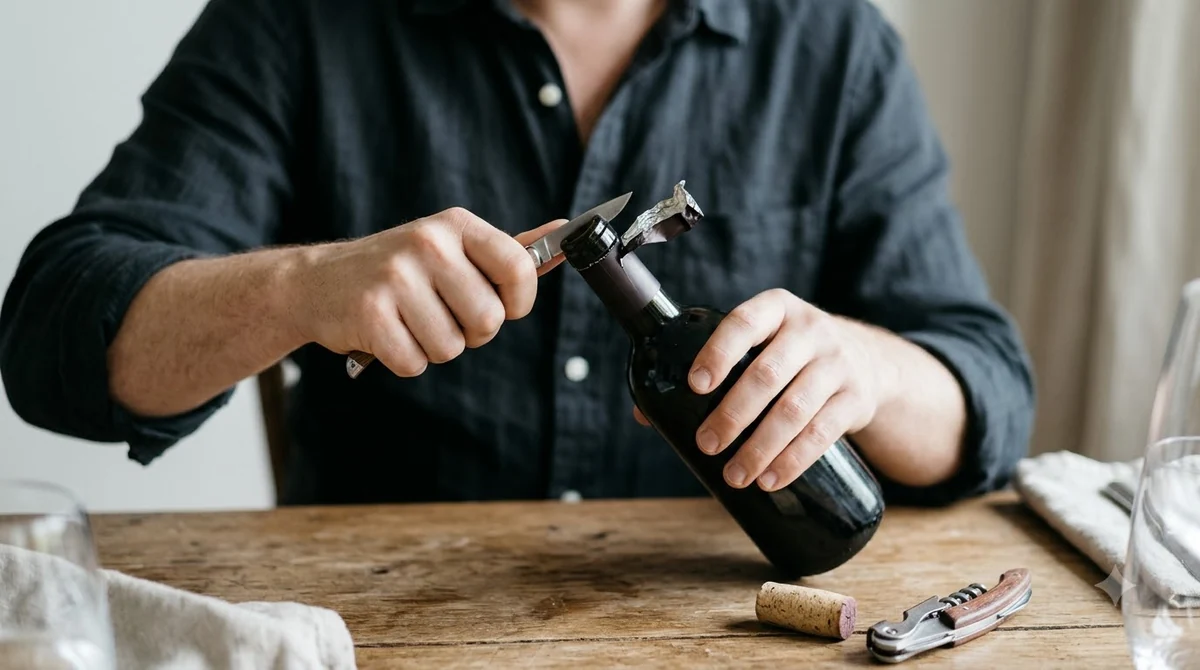
Sparkling wine bottles contain pressure, so the cork should be controlled throughout opening. Remove the foil and loosen the wire cage while keeping a hand over the cork. Hold the bottle at an angle away from people and fragile objects, then rotate the bottle slowly while maintaining control of the cork.
A controlled release is preferable to allowing the cork to fly across the room. It reduces unnecessary pressure loss and makes serving safer in crowded settings.
Store unopened bottles properly
For longer storage, keep unopened wine away from direct sunlight, excessive heat, and large temperature changes. A cool, dark location near 55°F is a useful general storage target for wine.
Traditional bottles with natural corks are commonly stored horizontally to keep the cork from drying out. Avoid placing sparkling wine near an oven, radiator, or sunny window. These locations can expose the wine to unwanted heat.
Preserve an opened bottle
Sparkling wine loses carbonation after opening, so a dedicated sparkling-wine stopper is useful. Place the bottle in the refrigerator promptly and keep it upright to minimize the exposed surface area of the wine.
Opened sparkling wine generally keeps its best qualities for approximately one to three days in the refrigerator, although the actual result depends on the closure and handling. A bottle that has lost much of its fizz may still be usable in a cocktail, but it will not provide the same sparkling experience.
For hosts planning a celebration, opening one bottle at a time can help reduce waste. Keep additional bottles chilled and unopened until they are needed rather than pouring everything at the beginning of the event.
Glassware also influences the serving experience. A flute helps retain visible bubbles and provides a traditional presentation, while a white-wine glass gives aromas more room to develop. Either can work for an informal occasion, depending on the presentation and the style of wine being served.
Frequently Asked Questions
Does Barefoot Bubbly need to be refrigerated before purchase?
Unopened sparkling wine does not have to remain refrigerated at every stage of storage, provided it is kept in an appropriate cool environment away from sunlight and heat. However, refrigeration before serving is recommended. Retail storage conditions can vary, so allow sufficient time for the bottle to reach approximately 40–50°F before opening.
Can Barefoot Bubbly be used to make mimosas?
Yes. Brut Cuvée is a practical option because its relatively dry character can balance the sweetness of orange juice. A common starting ratio is two parts sparkling wine to one part orange juice, although the proportions can be adjusted to suit individual preferences. Add the sparkling wine gently to preserve as much carbonation as possible.
Does Barefoot Bubbly have a vintage year?
Barefoot Brut Cuvée is presented as a non-vintage-style sparkling wine in retailer product information. Non-vintage sparkling wines are not identified by a single harvest year on the label. This makes them different from vintage-specific sparkling wines that are associated with grapes harvested in a particular year.
Can Barefoot Bubbly be used in a sparkling wine punch?
Yes. A fruit-forward sparkling wine can be used in a party punch with citrus, sliced strawberries, and other fruit. Add the wine shortly before serving rather than mixing it hours in advance. This helps preserve carbonation and prevents the punch from becoming flat before guests arrive.
What is the difference between sparkling wine and Champagne corks?
Both can use mushroom-shaped corks and wire cages because pressure builds inside the bottle. The closure itself does not establish whether a wine is Champagne. The Champagne designation depends on the wine’s geographic origin and applicable production rules, not simply its bottle shape or cork.
Barefoot Bubbly offers an accessible way to shop for sparkling wine, with Brut Cuvée, Extra Dry, Rosé, and Moscato styles covering different sweetness preferences. A practical budget of approximately $9 to $15 for a standard 750 ml bottle provides a useful starting point, although retailer and state differences matter. Compare the variety, bottle size, and cost per serving before choosing, and chill the wine properly to make the most of your purchase.
More in Wine Brands
 Louis Latour Wine Price: Compare Bottles by Style and TierUpdated Nov 20, 2026
 Yellow Tail Moscato Price: What to Expect Before You BuyUpdated Nov 20, 2026
 Sutter Home Sweet Red Review: Find the Right Food PairingsUpdated Nov 20, 2026
 Franzia Chillable Red Review: Find the Right Serving StyleUpdated Nov 20, 2026
 Veuve Clicquot Rose Review: Flavor, Food Pairings and Buying AdviceUpdated Nov 20, 2026
 Rombauer Wine Price: Compare Bottles Before You BuyUpdated Nov 20, 2026