

We may earn a commission when you buy through links on this page, at no extra cost to you. Learn more.
The baja california wine region is Mexico’s leading wine-producing area, centered on a chain of Pacific-influenced valleys around Ensenada where growers make distinctive reds, whites, rosés, and blends. Its best-known district is Valle de Guadalupe, but neighboring valleys such as San Vicente, Santo Tomás, and Ojos Negros give the region a wider range of climates and wine styles. Expect ripe fruit balanced by freshness, a broad mix of international grapes, and a close connection between wine, seafood, and local agriculture.
Baja California is a useful place to look beyond familiar European and California labels. The region offers recognizable varieties such as Cabernet Sauvignon and Chardonnay, along with Tempranillo, Nebbiolo, Chenin Blanc, and blends that reflect the choices of individual growers. The guide below explains where the vineyards sit, how the valleys differ, what to pour with food, and what to look for when buying a bottle or planning a visit. For a wider framework, the site’s overview of wine regions explains how geography, climate, grapes, and local rules shape regional wine identities.
Where the Baja California Vineyards Are Located
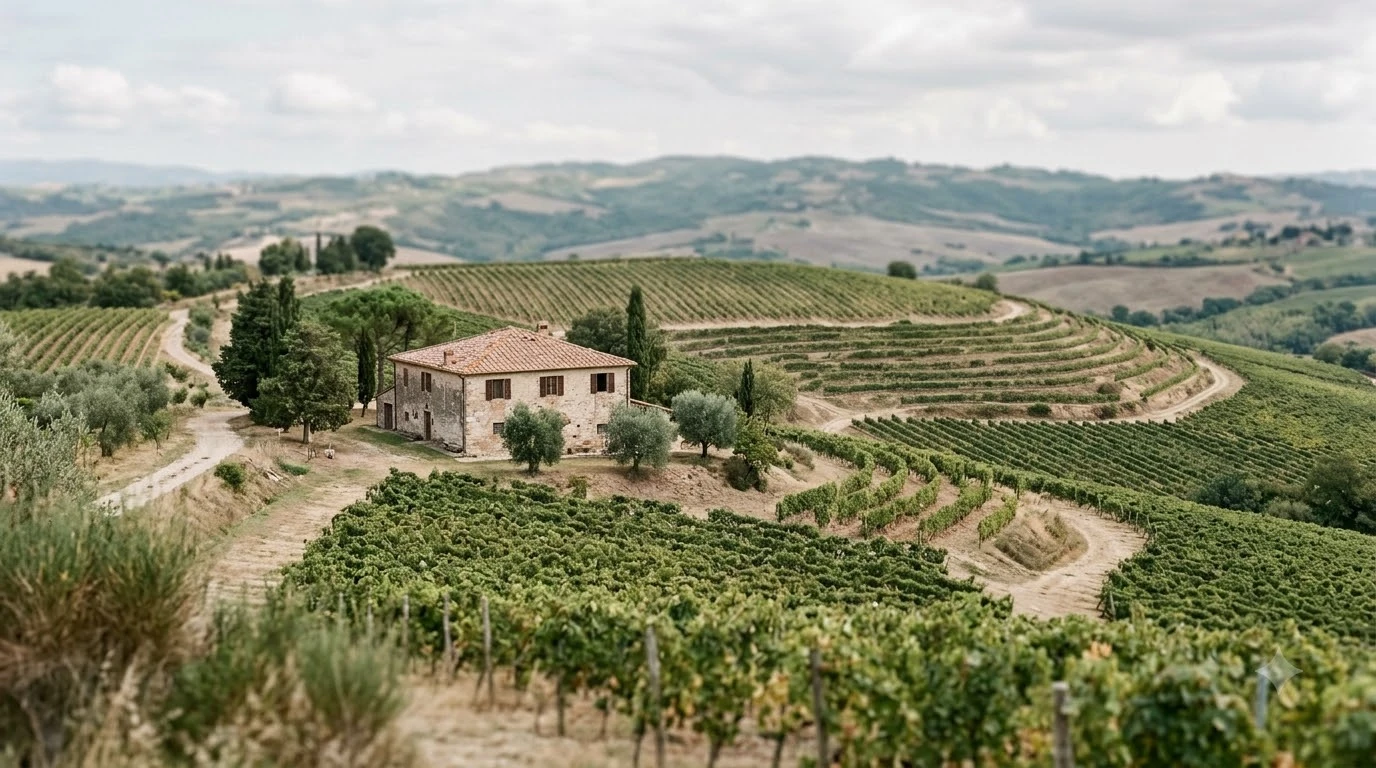
Baja California’s vineyards cluster in the northwestern Mexican state, mostly in a group of valleys within reach of Ensenada and the Pacific coast. Valle de Guadalupe is the best-known district, but neighboring valleys have different elevations, soils, and maritime exposure.
Valle de Guadalupe sits just inland from Ensenada, the coastal city most often used as the region’s reference point. The Wine Origins Alliance identifies eight winegrowing valleys: Tanamá, Las Palmas, San Valentín, Guadalupe, Ojos Negros, La Grulla, Santo Tomás, and San Vicente. Other sources group nearby zones differently, so counts vary by classification; the key point is that Baja California is not one uniform vineyard.
The Wine Origins Alliance profile lists 4,270 hectares of winegrowing area, 150 wineries, and 75 percent of Mexico’s national wine production. These are attributed regional figures, not a universal census: other profiles cite different totals because definitions and survey dates vary. The Alliance also lists 80 members of the Comité Provino. Its profile is a useful starting point for comparing Baja with other recognized wine areas.
| Regional measure | Figure | How to read it |
|---|---|---|
| Winegrowing area | 4,270 hectares | Area listed for Baja California |
| Wineries | 150 | Alliance profile count |
| National wine production | 75 percent | Share attributed to Baja California |
| Winegrowing valleys | 8 | Valleys named in the Alliance profile |
Ensenada is the practical coastal reference point, while Highway 3 carries visitors inland toward Valle de Guadalupe along La Ruta del Vino. Santo Tomás and San Vicente lie south of Ensenada; Ojos Negros is farther inland and more continental. San Antonio de las Minas is often discussed alongside Guadalupe because the vineyard zones meet. The valley name can tell you more about growing conditions than the broad state name alone.
Mediterranean Climate, Soils, and Water
Baja California has a Mediterranean pattern of winter rain and hot, dry summers, with Pacific air moderating some vineyards and creating differences among valleys. This can produce ripe fruit without making every wine heavy, but water supply and vineyard management are central concerns.
A study published in Agrociencia reports an average temperature of 19.8 degrees Celsius from April to October and 20.4 degrees in September, when grapes ripen. These are regional averages, not a forecast for every estate. Many vineyards lie within roughly 15 miles of the Pacific, while inland sites can experience stronger heat and wider day-to-night temperature swings. Growers respond through site selection, harvest timing, canopy management, and grape choice.
Soils vary too: regional profiles describe sandy, granitic, clay, gravel, and limestone formations. Guadalupe has a patchwork rather than one defining soil; San Antonio de las Minas includes granitic foothills, while other valleys have deeper clay or sand. Differences in drainage, water retention, and rooting depth affect how vines respond to a dry season.
Limited rainfall means vineyards commonly depend on irrigation, and groundwater availability is a constraint as agricultural and tourism activity expands. Some accounts discuss mineral or saline impressions associated with irrigation water in dry periods, but it would be too simple to say every Baja wine tastes salty. Climate research also classifies San Antonio de las Minas and San Vicente as cooler warm-climate areas than Guadalupe and Santo Tomás, with evapotranspiration about 15 percent lower in the former pair. Water demand is therefore not identical across the region.
The Grapes and Wine Styles to Seek Out
Baja California has no single signature grape; its vineyards include French, Spanish, and Italian varieties. Cabernet Sauvignon, Tempranillo, Nebbiolo, Syrah, Chenin Blanc, and Chardonnay are useful names to recognize, while blends and less familiar grapes are part of the region’s character too.
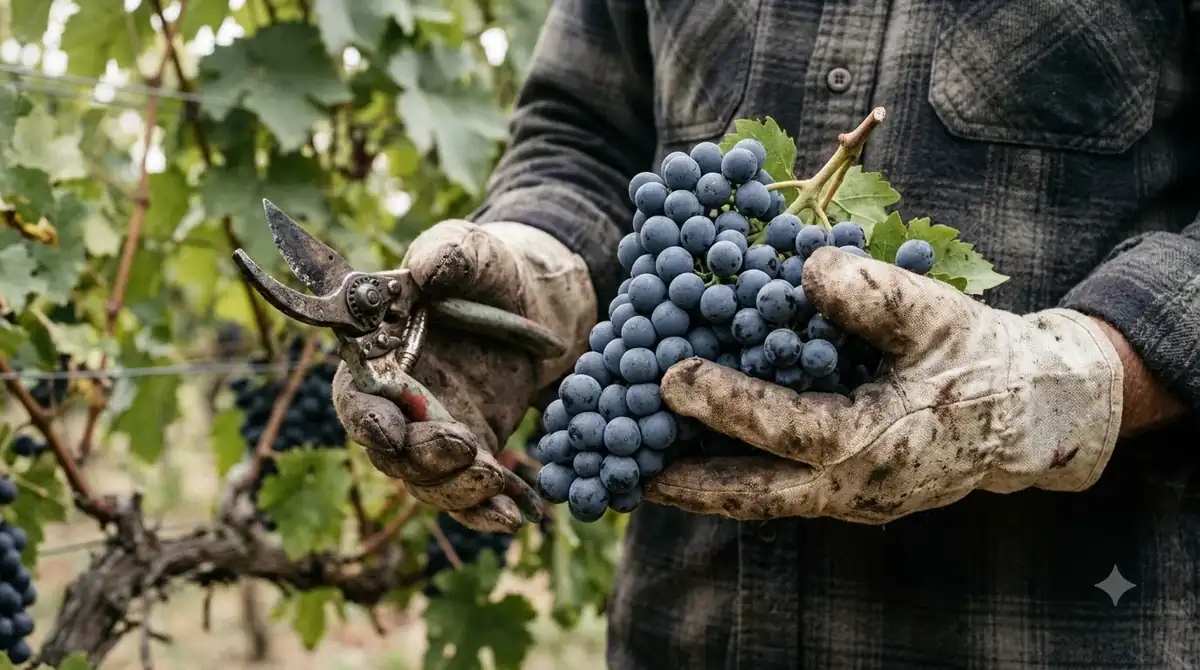
For reds, look for Cabernet Sauvignon, Merlot, Tempranillo, Syrah, Grenache, Nebbiolo, Zinfandel, Mourvèdre, and Petite Sirah. Cabernet can bring firm tannin and dark-fruit structure, while Merlot is generally softer. Tempranillo often shows ripe fruit with savory notes; Nebbiolo is an interesting alternative for drinkers who enjoy high acidity and firm tannins. Grenache and Syrah range from generous and spicy to more restrained depending on site and harvest choices.
White grapes include Chenin Blanc, Chardonnay, Sauvignon Blanc, and Viognier. Chenin is a versatile starting point; Sauvignon Blanc can offer lively acidity and citrus or herbal character, while Chardonnay ranges from bright and restrained to fuller styles shaped by oak or lees. Rosé, sparkling wine, and mixed-variety bottlings add options. Growers also have room to trial grapes and build blends rather than following a narrow regional recipe.
Italian varieties add another layer: Sangiovese has drawn interest for its acidity and flavor profile, and Aglianico appears in some small projects. Producers also experiment with pét-nat, orange wine, and minimal-intervention methods. For more on the changing range of grapes and producers, see Wine Enthusiast’s reporting on the Mexican wine scene. Vintage and harvest timing matter, so one producer’s Cabernet may be broad and structured while another’s is fresher and lighter.
History, Producers, and a Changing Wine Identity
Winegrowing in Baja California reaches back to the colonial period, while the modern fine-wine scene has developed through established wineries and newer independent projects. Its history links the state to early viticulture in the Americas, but today’s identity is being shaped by growers exploring differences among valleys.
Wine Enthusiast reports that the first wine grapes were planted in Baja California in 1683, before vines were planted in what is now the U.S. state of California in 1769. The history is not a straight line: political restrictions and economic shifts affected Mexican wine for centuries, a national market grew during the 1930s and 1940s, and competition in the 1980s encouraged surviving producers to pursue quality and innovation.
Bodegas de Santo Tomás is widely identified as the region’s oldest winery. L.A. Cetto is another major name, and Baja California’s tourism authority promotes winery visits and tastings there. Monte Xanic is among the larger modern producers, while smaller estates contribute limited-production bottlings. Some older vineyards preserve bush vines, including dry-farmed blocks, alongside newer plantings and trials of varieties suited to heat and limited water.
A study of 69 commercial Cabernet Sauvignon and Tempranillo red wines from Guadalupe, San Vicente, and Santo Tomás found meaningful differences linked to both grape variety and valley. Santo Tomás wines in that sample had higher alcohol content and other measured chemical differences than wines from San Vicente and Guadalupe. Such findings do not predict every bottle, but they show why valley names are worth learning.
How to Taste and Pair Baja California Wines
The best pairings often follow the region’s own table: fresh seafood, grilled fish, local vegetables, olive oil, cheeses, and open-fire cooking. Choose wine by acidity, tannin, body, and the intensity of the dish rather than by grape name alone.
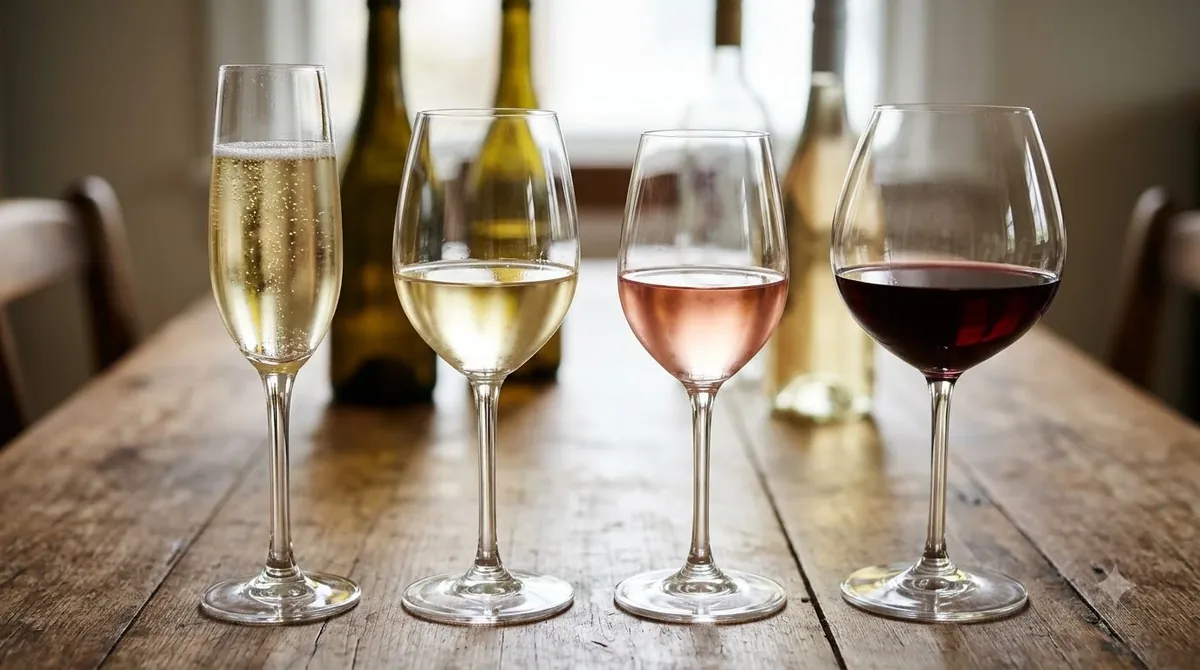
For ceviche, oysters, or fish tacos with lime, look for Chenin Blanc, Sauvignon Blanc, or crisp rosé. Acidic food needs a wine with equal or higher acidity, or the wine can seem flat. With richer seafood in butter or cream sauce, a fuller Chardonnay can provide body without the firm tannin that clashes with oily fish. For grilled beef, lamb, or short ribs, try Cabernet Sauvignon, Syrah, or a red blend: fat and salt soften tannin and make a structured red feel less astringent.
Merlot is useful with less intensely savory meals, while Tempranillo or a fresher Grenache blend can work with roast chicken, mushrooms, or grilled vegetables. Take care with chile heat: high alcohol and firm tannin can intensify the burn, so a dry rosé or fruit-forward red with moderate alcohol may suit spicy dishes better. Salt in cured meats and cheeses can soften a tannic red.
Serve light whites and rosé at 45 to 50 degrees Fahrenheit, fuller whites at 50 to 55 degrees, light reds at 55 to 60 degrees, and fuller reds at 60 to 65 degrees. A 5-ounce pour leaves room to assess aroma and texture. Refrigerate opened still wine and aim to finish it within 3 to 5 days; sparkling wines generally keep for 1 to 3 days with a proper stopper. For contrast, compare Baja’s sunlit valleys with the alpine freshness of the Savoie wine region.
Tip: Chill a red wine slightly before serving. A medium-bodied Baja red often tastes more balanced at 55 to 60 degrees Fahrenheit than at an overly warm indoor temperature.
Planning a Visit and Choosing Bottles
Ensenada is a natural base for exploring Baja wine country, with Highway 3 leading inland toward Valle de Guadalupe and winery visits. A good itinerary balances tasting appointments with meals and time to understand producers rather than racing through as many tasting rooms as possible.
Book visits in advance, especially at small estates where a winemaker or family member may lead the tasting and a dedicated public tasting room is not guaranteed. Confirm whether an appointment includes a seated tasting, vineyard walk, or food service, and allow time for rural roads. Two or three winery appointments in a day are easier to enjoy than a packed schedule; arrange a designated driver or guided transfer if the group plans to taste several wines.
La Ruta del Vino is a useful planning phrase, but it is not one road with every winery on it. Valle de Guadalupe has the best-known concentration of restaurants and tasting experiences, while San Antonio de las Minas, Santo Tomás, San Vicente, and Ojos Negros offer reasons to venture farther. Choose a cluster for each day and confirm routes and appointment details directly with the winery.
The Fiesta de la Vendimia, or harvest festival, is described by the Wine Origins Alliance as a 25-day celebration in July or August that brings wineries, chefs, and restaurants together. Events and participating venues vary, so check the local calendar before traveling. A focused Baja California wine tasting itinerary can help narrow the choices. At home, start with a familiar Chenin Blanc, Tempranillo, or Cabernet Sauvignon, then add one unfamiliar grape or blend and compare the valley and producer on each label.
Frequently Asked Questions
These answers cover details that can be easy to miss when reading a bottle label or planning a first visit, from old vineyard practices to the region’s food culture and less familiar grape choices.
Are any Baja California vineyards farmed without irrigation?
Yes. Wine writers have noted old, gnarled bush vines in dry-farmed vineyards around Valle de Guadalupe, although dry farming is not the norm for every site in this low-rainfall region. The practice depends on established roots, soil conditions, and the amount of water available to the vines through the season.
Does Baja California make orange wine?
Yes. Some small producers experiment with skin-contact white wines, including an example made from Thompson Seedless grapes. Orange wine is a method rather than a grape category: white grapes ferment with their skins, which can add color, tannin, and a more textured finish.
What does Baja Med mean on a restaurant menu?
Baja Med describes a style of cooking that combines ingredients from the sea and land with Mediterranean and Asian techniques. In practice, that can mean local seafood alongside olive oil, vegetables, herbs, grilled meats, and bright sauces. The approach reflects the same coastal and agricultural mix that shapes many wine-country meals.
Are all Baja California wineries large commercial estates?
No. Wine Enthusiast has reported that many independent wineries make fewer than 5,000 cases annually, and some operate without their own staff or public tasting room. That small scale is one reason advance appointments can matter, even at a well-known destination.
Which lesser-known grape should an adventurous drinker try?
Aglianico is one option for someone who enjoys structured reds with firm acidity and tannin. It is grown by small projects in Baja, alongside better-known Italian grapes such as Sangiovese. These varieties show how the region’s identity continues to develop through experimentation rather than a single traditional recipe.
The baja california wine region rewards drinkers who look beyond its best-known valley and explore the differences among producers, grapes, and growing sites. Start with a fresh white or rosé beside seafood, then compare a Tempranillo, Nebbiolo, or Cabernet Sauvignon with a richer meal. That simple progression gives a clear sense of the region’s range and the reasons its wines deserve attention beyond the tasting room.
More in Wine Regions
 Willcox Wine Trail: Discover Arizona’s High-Elevation Wine CountryUpdated Nov 20, 2026
 Yakima Valley Wine Region: Find the Best Styles to TryUpdated Nov 20, 2026
 Vosne Romanee Wine Tasting: Identify Aromas and Choose Better PairingsUpdated Nov 20, 2026
 Yakima Valley Wine Festival: Find the Best Seasonal Wine EventsUpdated Nov 20, 2026
 Wales Vineyards: Discover Cool-Climate Wines and Where to VisitUpdated Nov 20, 2026
 Yountville Wine Festival: Discover Napa Wines and Local FoodUpdated Nov 20, 2026