

We may earn a commission when you buy through links on this page, at no extra cost to you. Learn more.
Baja California wine tasting is best experienced in Valle de Guadalupe, where visitors can explore boutique wineries, sample distinctive Mexican wines, and enjoy regional food among Mediterranean-style vineyards. The region also includes several smaller wine-growing valleys, each with different elevations, soils, and coastal influences. Understanding its grape varieties, winery styles, and tasting customs helps visitors plan a more rewarding trip and recognize what makes Baja California wine distinctive.
Mexico’s wine country offers an experience that combines traditional winemaking with independent producers, contemporary restaurants, and a landscape shaped by the Pacific Ocean. Although Valle de Guadalupe attracts most wine tourists, the wider Ensenada wine region deserves attention too. From Chenin Blanc and Tempranillo to experimental blends and elegant Chardonnay, Baja California provides plenty of opportunities to discover wines that are less familiar to American wine drinkers. This guide explains where to go, what to taste, and how to organize a visit that leaves enough time to appreciate both the wine and the surrounding countryside.
Valle de Guadalupe Is the Center of Baja California Wine Tasting
Valle de Guadalupe is the natural starting point for exploring Baja California’s wine culture. Located approximately 20 miles northeast of Ensenada, it combines established wineries, small family operations, vineyard restaurants, and a growing collection of tasting experiences.
The valley has more than 100 years of winemaking history, according to the Baja California tourism authority. Its development reflects the arrival of different communities, including Russian Molokans, whose cultural influence remains part of the area’s identity. Today, visitors encounter both established producers and newer wineries experimenting with grape varieties, fermentation techniques, and unusual blends.
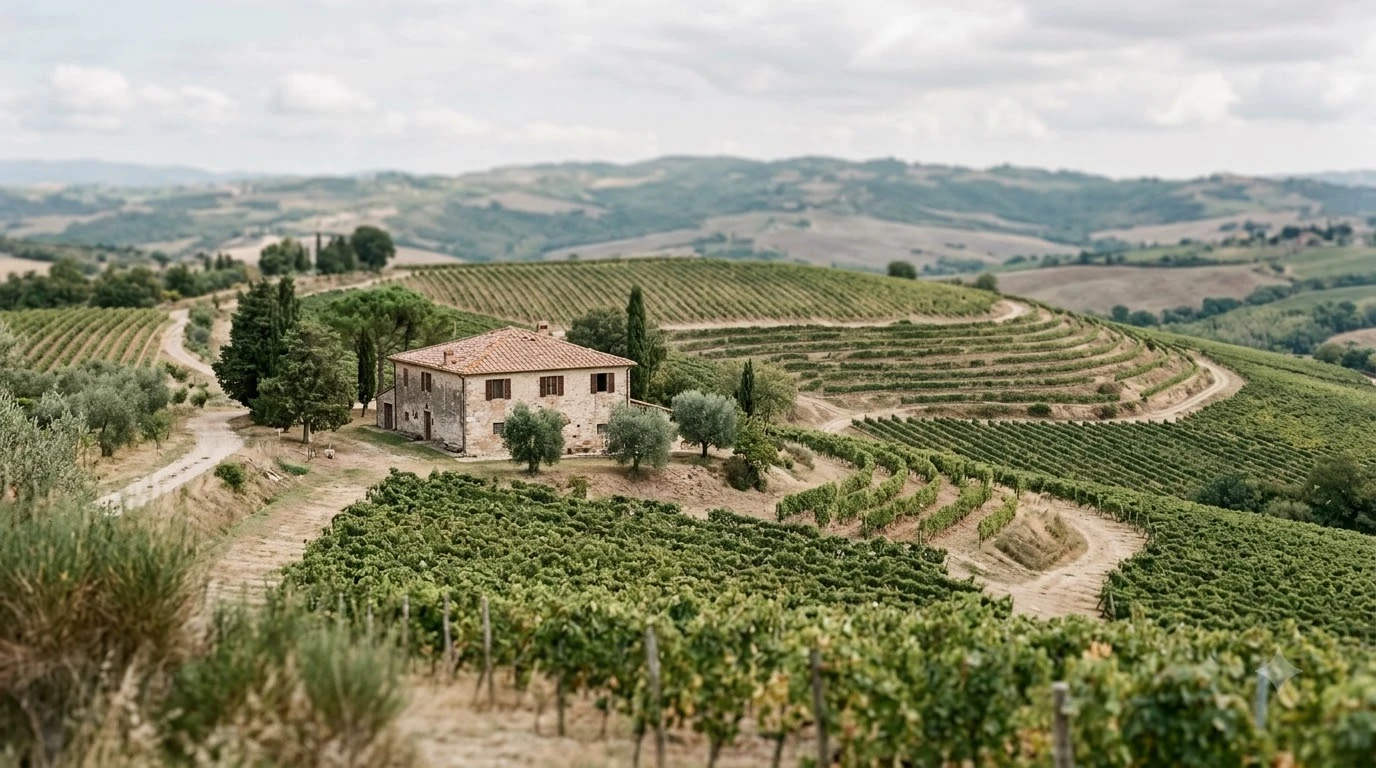
The landscape helps explain the region’s appeal. Valle de Guadalupe has a Mediterranean-style climate with warm, dry growing conditions and cooler nighttime temperatures. Pacific Ocean influences help moderate some vineyard sites, while the surrounding hills and differences in elevation create distinct growing environments. Rainfall is limited, making irrigation an important consideration for many vineyards.
Soils vary considerably within the valley. Sandy and sandy-loam soils occur around the dry riverbed, granite appears in the foothills, and clay becomes more prominent on higher slopes. These differences matter because soil composition, drainage, elevation, and water availability influence how grapevines develop.
The wider wine-producing area is considerably larger than the central valley. Wine Enthusiast describes Baja California’s principal wine country as extending from Valle de Guadalupe toward Valle de San Vicente, approximately 55 miles farther south. Only about 5,000 of the more than 11,000 planted acres across the Valleys of Ensenada are located in Valle de Guadalupe proper.
This distinction is useful when choosing bottles. A wine labeled with a broader regional designation may incorporate grapes from different growing areas, while a wine from a particular vineyard can express more localized conditions. Visitors interested in comparing these differences should ask tasting-room staff where the grapes were grown and whether the wine comes from one vineyard or several sites.
For a broader introduction to the area’s geography and wine-growing history, explore our article on the Baja California wine region. It provides useful context for understanding why the state’s wine production extends beyond its most famous valley.
Valle de Guadalupe is also a destination for food and hospitality. The Baja California tourism authority highlights vineyard accommodations, outdoor experiences, regional restaurants, and cultural activities alongside traditional winery visits. A visit can therefore include more than a sequence of tasting rooms: it can become a full day exploring the relationship between wine, food, agriculture, and local culture.
For an overview of the area’s geography, grape-growing conditions, and changing wine identity, read Wine Enthusiast’s report on Baja California’s distinctive terroir and microclimates.
Explore the Different Valleys and Their Growing Conditions
Baja California is not a single vineyard landscape. Its wine-growing areas include several valleys with different relationships to the Pacific Ocean, elevations, soils, and local weather patterns.
Valle de Guadalupe receives the greatest attention, but San Antonio de las Minas, Ojos Negros, Santo Tomás, La Grulla, and San Vicente all contribute to the character of regional wine. The Baja California tourism authority also identifies Tanamá and San Jacinto among its seven important wine valleys.
Valle de Guadalupe and San Antonio de las Minas
Valle de Guadalupe provides the broadest selection of wineries and tasting experiences. Its combination of sandy valley-floor soils, granite foothills, and clay-rich slopes gives producers several different environments to work with.
San Antonio de las Minas, toward Ensenada and the coast, has a cooler climate than much of upper Valle de Guadalupe. Morning fog, regular breezes, and decomposed granite soils distinguish this area. Visitors interested in fresher expressions of grapes such as Chardonnay and Sauvignon Blanc may find it particularly interesting to compare wines from cooler sites with bottles produced farther inland.
Ojos Negros
Ojos Negros is one of the region’s higher-altitude growing areas. Wine Enthusiast reports that vineyards here reach elevations exceeding 2,600 feet above sea level. The valley also has a different relationship with the ocean than Valle de Guadalupe because it is located farther inland.
Its aquifers are an important feature of the local landscape. The area’s name refers to two aquifers that resemble dark eyes when viewed from a distance. Water availability is particularly relevant in a region where irrigation and responsible resource management are important agricultural concerns.
Santo Tomás, La Grulla, and San Vicente
Valle de Santo Tomás is associated with the historic Santo Tomás winery and contains predominantly alluvial sand and gravel soils. Its history makes it an interesting destination for visitors who want to understand the development of commercial winemaking in Baja California.
La Grulla is among the cooler wine-growing areas. Marine winds travel through a mountain gorge to the west, helping moderate local conditions. Its soils include sand and clay, and the area’s distinctive environment offers a useful contrast with the warmer central valley.
San Vicente sits approximately nine miles from the Pacific Ocean. Its red clay-based soils and alluvial sand contribute to a different growing environment, while its winemaking history reaches back to the San Vicente Mission, established in 1780.
These areas reward curious visitors who want to look beyond the most familiar wine destination. For a useful comparison, consider the approach taken in Willcox wine tasting, another American wine experience where geography and local growing conditions help shape the wines. Comparing different wine regions can make the influence of climate and soil easier to recognize.
Know Which Baja California Grapes and Wines to Taste
Baja California produces familiar international varieties alongside less common grapes and experimental blends. First-time visitors should begin with Chenin Blanc, Cabernet Sauvignon, Tempranillo, and Grenache before exploring more unusual bottlings.
Chenin Blanc is the most widely planted white grape in Baja California, partly because of the extensive plantings associated with L.A. Cetto. It can produce wines with refreshing acidity, citrus, orchard fruit, and sometimes a richer texture. Its versatility makes it a useful introduction to the region’s white wines.
Sauvignon Blanc and Chardonnay are also important white varieties. Sauvignon Blanc generally offers more pronounced acidity, with citrus, green fruit, and herbal characteristics. Chardonnay varies according to vineyard conditions and winemaking decisions. Stainless-steel versions can emphasize fresh fruit, while barrel-aged examples may show creamier textures, toast, or vanilla.
For visitors who enjoy red wine, Cabernet Sauvignon is a logical starting point. It is the most widely planted red grape in Baja California and can produce structured wines with dark fruit, firm tannins, and enough concentration to accompany grilled meats.
Tempranillo is another important variety. Its combination of red and dark fruit, savory notes, and moderate-to-firm tannins makes it a natural companion for regional grilled dishes. Merlot tends to offer a softer texture, while Grenache can provide red-fruit character and a more approachable profile.
Other varieties worth exploring include Syrah, Malbec, Barbera, Sangiovese, and Nebbiolo. These grapes illustrate the diversity of the region and the willingness of producers to experiment. Some wineries also produce unusual combinations that do not follow the familiar European regional formulas.
Understanding Baja California Nebbiolo
Nebbiolo deserves special attention because its use in Baja California has generated discussion among wine professionals. Wine Enthusiast explains that many wines labeled Nebbiolo from the region have dark, concentrated fruit profiles that differ considerably from traditional examples from Piedmont, Italy.
Some grape samples have been genetically identified as other varieties, including Lambrusca di Alessandria. However, certified Nebbiolo plantings also exist in Baja California. This makes it important to evaluate each wine on its own merits rather than assuming that every bottle labeled Nebbiolo will taste like Barolo or Barbaresco.
Ask the tasting-room representative whether the producer has verified the grape variety and whether the wine is intended to reflect a traditional or more contemporary style. This question can lead to a more informative tasting and a better understanding of regional viticulture.
| Grape variety | Typical wine style | What to look for |
|---|---|---|
| Chenin Blanc | White, often fresh and balanced | Apple, citrus, refreshing acidity |
| Sauvignon Blanc | Dry white | Herbs, citrus, green fruit |
| Chardonnay | Dry white | Apple, pear, mineral or creamy notes |
| Cabernet Sauvignon | Structured red | Blackcurrant, dark fruit, firm tannins |
| Tempranillo | Medium to full-bodied red | Red fruit, herbs, savory character |
| Merlot | Medium-bodied red | Plum, cherry, softer tannins |
| Grenache | Red or rosé | Strawberry, raspberry, spice |
| Syrah | Medium to full-bodied red | Dark fruit, pepper, savory notes |
A useful tasting strategy is to sample one white, one rosé, and two reds before trying experimental blends. This creates a basic reference point and makes it easier to recognize how different grapes and production decisions affect aroma, texture, acidity, and tannin.
Choose Wineries That Match Your Tasting Interests
The best winery itinerary combines different producer styles rather than visiting several tasting rooms that offer nearly identical experiences. Valle de Guadalupe includes boutique operations, medium-sized wineries, and large established producers.
For an introduction to traditional and commercial Mexican wine production, L.A. Cetto is an important name. It is one of Mexico’s oldest and most respected wine producers, with a tasting room in Valle de Guadalupe. Its range offers visitors an opportunity to explore widely recognized varieties, including Chenin Blanc.
Monte Xanic represents another significant producer. The San Diego Tourism Authority describes it as a medium-sized winery producing more than 50,000 cases annually. Its scale provides a different perspective from small family wineries, and its production facilities and wines can help visitors understand the development of modern Baja California winemaking.
For a boutique experience, Vena Cava is a memorable option. Its tasting-room architecture incorporates refurbished boats, creating a distinctive structure within the vineyard landscape. The winery is also associated with experimental wine styles and an informal setting that differs from more traditional commercial tasting rooms.
Quinta Monasterio offers another style of visit. The San Diego Tourism Authority describes its tasting experience as personalized, with winery tours guided by an owner. Visitors can learn about the production spaces before sampling wines such as Natal Chardonnay and Sinfonía de Tintos, a red blend.
Casa de Piedra is particularly interesting for visitors who want to explore the work of winemaker Hugo D’Acosta. Its Viña de Piedra combines Tempranillo and Cabernet Sauvignon, providing an opportunity to compare the contributions of two important red varieties in a single bottle.
Other producers to investigate include Finca La Carrodilla, Lomita, Las Nubes, Santos Brujos, and Adobe Guadalupe. Their individual approaches help demonstrate the range of vineyard practices and wine styles found in the region. Some emphasize organic or biodynamic farming, while others concentrate on traditional red blends, Chardonnay, or experimental bottlings.
How to Select a Tasting Experience
Before booking, consider what you want to learn. A guided tasting with a winemaker or knowledgeable host is particularly useful for visitors interested in grape varieties, fermentation, and vineyard practices. A larger tasting room may be better for comparing several established wines in one location.
Ask whether the experience includes a vineyard walk, a production-area tour, or a seated tasting. These are different activities, and a standard tasting flight does not necessarily include access to the cellar or vineyards.
Also consider the amount of time available. A relaxed visit should leave room for conversation, water, and a meal rather than treating each winery as a quick stop. Two or three thoughtfully selected producers generally provide a more meaningful experience than trying to visit every winery on a long list.
Tip: Choose one winery that focuses on familiar varieties such as Cabernet Sauvignon and Chardonnay, then add a smaller producer offering Tempranillo, Grenache, or experimental blends. This contrast makes the day more educational and helps reveal the diversity of Baja California wine.
Plan a Tasting Day Around Regional Food and Wine Pairings
Food is an essential part of Baja California wine tourism. The region combines local agricultural products, seafood, grilled meats, and contemporary cooking, giving visitors many opportunities to explore how different wines work with food.
Chenin Blanc is a versatile choice for seafood, fresh vegetables, and lighter dishes. Its acidity can complement ceviche, grilled fish, and salads with citrus-based dressings. Sauvignon Blanc is another good option for shellfish, herbs, and dishes with bright acidity.
Chardonnay works particularly well with grilled seafood, roasted chicken, and dishes with butter or cream. A fuller-bodied example can also accompany grilled vegetables and richer sauces. Serving temperature matters: light whites generally show well at 45–50 degrees Fahrenheit, while fuller-bodied whites benefit from approximately 50–55 degrees Fahrenheit.
Tempranillo is a natural companion for grilled beef, lamb, roasted peppers, and savory preparations. Its fruit and savory character can complement smoky flavors without overwhelming the food. Cabernet Sauvignon is another strong match for grilled red meat, particularly when the dish includes enough protein and fat to soften the wine’s firm tannins.
Grenache and lighter red blends can accompany grilled chicken, pork, tomato-based dishes, and roasted vegetables. Pinot Noir, where available, is a useful option for visitors who prefer lower tannins and higher acidity with poultry or mushroom dishes.
Regional seafood deserves particular care when selecting red wines. Oily fish such as tuna and certain preparations of salmon can clash with heavily tannic reds. A crisp white or a more delicate red with moderate tannin is often a better choice.
Cheese provides another opportunity to explore local food traditions. Ojos Negros is associated with La Cava de Marcelo, a historic cheese cellar known for artisanal regional cheeses. The San Diego Tourism Authority highlights examples including queso fresco flavored with basil and aged añejo cheese.
Fresh, mild cheeses can work with Chenin Blanc or Sauvignon Blanc, while more mature, savory cheeses may complement Tempranillo and Cabernet Sauvignon. Salt and fat soften the perception of tannin, which is one reason firmer red wines can work well with aged cheeses and rich meat dishes.
For dessert, select a wine at least as sweet as the dish. A dry wine served with a very sweet dessert can taste thin or unpleasantly acidic. If the meal includes fruit desserts, pastries, or chocolate, ask the restaurant about a suitable sweet wine rather than assuming that a dry red will work with every dessert.
Another useful principle concerns spicy food. Alcohol and tannin can intensify the sensation of chili heat, so a high-alcohol Cabernet Sauvignon or Syrah may be less comfortable alongside heavily spiced dishes. A fruit-forward wine with softer tannins is often a more balanced choice.
The Baja California tourism authority highlights the region’s combination of local ingredients and contemporary gastronomy. This makes a long lunch an excellent part of a tasting itinerary rather than something to squeeze between winery appointments.
Choose the Right Season and Organize Your Winery Visits
Valle de Guadalupe can be visited throughout the year, but the atmosphere changes with the growing season, harvest activity, and local events. Visitors should consider both vineyard conditions and the practical demands of booking several winery experiences.
Spring and early summer are attractive for visitors who want to see active vineyard growth and enjoy outdoor dining. The weather generally becomes warmer and drier as the season progresses. By late summer, grapes are approaching harvest, and wineries may become particularly active with picking, sorting, and production work.
Harvest season is especially interesting for wine enthusiasts. The region’s grape harvest celebrations, commonly associated with August, bring additional wine-related events, special tastings, and food experiences. These activities can create an exciting atmosphere, although popular accommodations and tasting appointments may require earlier planning.
Autumn offers another appealing opportunity. Visitors can experience the aftermath of harvest while enjoying the surrounding countryside and seasonal restaurant menus. Winter is generally quieter, and vineyards may look different because many vines have lost their leaves. However, a winter visit can still provide excellent winery and dining experiences.
Build a Manageable Itinerary
For a first visit, plan approximately three winery-related stops across the day, including a substantial lunch. Two wineries and a restaurant make an especially relaxed schedule. This allows enough time to appreciate the wines without rushing through the experience.
Start with a tasting appointment in the late morning or around midday. Schedule lunch afterward, then visit another winery in the afternoon. If a third stop is included, choose a nearby producer and leave enough time to finish before closing.
Check appointment availability before traveling. Some wineries accept visitors without advance reservations, while others organize visits around scheduled tasting sessions. The Baja California tourism authority recommends checking directly with individual wineries and considering specialized tour operators for organized visits.
Transportation deserves particular attention. Driving between wineries may appear convenient, but tasting several wines can make it difficult for the driver to remain alcohol-free. Hiring a professional driver or booking an organized wine tour provides a more practical alternative.
Road conditions can also affect the itinerary. Some winery access roads are rural, and travel between tasting rooms can take longer than expected. Avoid scheduling appointments too close together, particularly if the route includes several different valleys.
Bring comfortable walking shoes, sun protection, and a reusable water bottle. Vineyard tours may involve uneven ground and exposure to the sun, especially during warmer months. A light jacket can also be useful because temperatures may change between sunny afternoons and cooler evenings.
Visitors arriving from the United States should plan their border crossing separately from their winery schedule. Allow extra time for the return journey and review current entry requirements before departure. A wine tour that ends with a tight border-crossing deadline can make the experience unnecessarily stressful.
For official planning information, including winery reservations, transportation suggestions, and regional wine-tourism activities, consult the Baja California wine tourism routes resource.
Understand Tasting Etiquette and Make the Most of Each Visit
A successful tasting is about paying attention to the wine rather than simply moving through a flight of glasses. A few simple habits help visitors compare wines, remember their preferences, and make better use of the time spent with winery staff.
Begin by looking at the wine’s color and clarity. White wines can range from pale straw to deeper gold, while reds vary from lighter ruby to dark purple. These visual differences provide clues about grape variety, age, and winemaking, although appearance alone cannot determine quality.
Next, smell the wine before taking a sip. Look for familiar aromas such as citrus, apple, peach, cherry, blackberry, herbs, spice, or oak. Baja California’s range of grape varieties makes this particularly interesting because visitors can compare wines made from familiar international grapes with unusual regional blends.
When tasting, pay attention to acidity, sweetness, tannin, alcohol, and body. Acidity creates freshness and mouthwatering sensations. Tannin creates a drying or gripping sensation, particularly in red wines. Body describes the overall weight of the wine on the palate.
Compare the finish as well. A wine’s finish is the impression that remains after swallowing or spitting. Notice whether fruit, spice, herbs, or oak continues to appear. A longer finish does not automatically mean a wine is better, but it is a useful element to consider when comparing bottles.
Ask Questions That Reveal the Wine’s Character
Good questions can make a winery visit much more informative. Ask which vineyard supplied the grapes, whether the wine was fermented in stainless steel or oak, and how long it spent aging before release.
For red wines, ask about maceration and barrel aging. These decisions can influence color, texture, tannin, and aromatic complexity. For white wines, ask whether the wine underwent malolactic fermentation, whether it was aged on its lees, and how the producer manages acidity.
Visitors interested in environmental practices can ask about irrigation, soil management, and vineyard treatments. Water availability is an important issue in Baja California, so discussions about responsible farming can provide valuable insight into the region’s future.
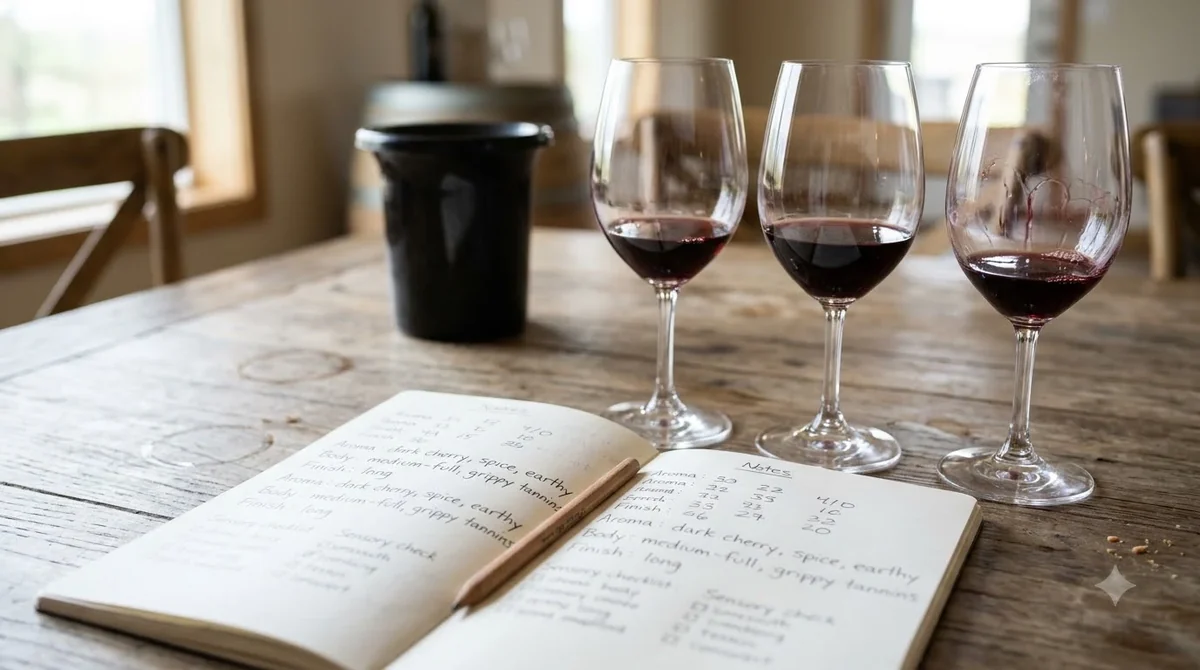
Take brief notes after each flight. Record the winery, grape variety, vintage, and one or two defining characteristics. A simple note such as fresh citrus, moderate acidity, and light oak is more useful later than a vague impression that a wine was enjoyable.
Use appropriate serving temperatures when continuing the tasting at your accommodation. Light reds generally show well at 55–60 degrees Fahrenheit, while fuller reds are better around 60–65 degrees Fahrenheit. Sparkling wines are typically served at 40–50 degrees Fahrenheit, and sweet whites at approximately 43–50 degrees Fahrenheit.
Finally, remember that tasting-room experiences are opportunities for learning, not competitions to sample the greatest number of wines. Take breaks, drink water, and leave sufficient time between appointments. A thoughtful conversation about two or three wines can be more valuable than rushing through a much longer list.
Frequently Asked Questions
Is Baja California wine available in the United States?
Yes. Several specialist importers distribute premium Mexican wines to American customers. Availability depends on the producer, importer, and state shipping regulations. Some wines may be easier to find through independent wine retailers specializing in international selections than through large general retailers.
Are Baja California wines made only from European grape varieties?
No. Although many vineyards grow international varieties, the region also has historical connections to Mission and Rosa del Perú grapes. These varieties trace their ancestry to Listán Prieto, which was brought to Mexico from Europe during the 16th century. Their presence adds another historical dimension to Mexican viticulture.
Does Mexican wine have a single national grape classification system?
Wine Enthusiast notes that Mexico does not have the same established grape-labeling conventions found in some major European wine countries. Producers may use Spanish or international grape names, and terminology can vary between wineries. Asking about grape identity and vineyard sourcing is particularly helpful when exploring unfamiliar bottlings.
What is the historical connection between Russian settlers and Valle de Guadalupe?
Russian Molokan communities settled in the valley and became part of its agricultural and cultural history. Their arrival contributed to the area’s distinctive heritage, which visitors can explore alongside its wine production. The influence is part of what makes Valle de Guadalupe different from many other wine destinations in North America.
Can visitors experience Baja California wine culture without visiting a winery?
Yes. Regional restaurants, food markets, wine-focused events, and specialty retailers offer opportunities to explore Baja California wine and cuisine. The Museo de la Vid y el Vino near the Valle de Guadalupe and San Antonio de las Minas area provides another way to learn about local winemaking history and grape cultivation.
Baja California wine tasting offers much more than a chance to sample Mexican wines. Its different valleys, international grape varieties, independent producers, and regional cuisine create an experience that rewards thoughtful exploration. Start with Valle de Guadalupe, compare a few distinctive wineries, and leave time for the food and landscape that make this part of Mexico such an interesting wine destination.
More in Wine Regions
 Willcox Wine Trail: Discover Arizona’s High-Elevation Wine CountryUpdated Nov 20, 2026
 Yakima Valley Wine Region: Find the Best Styles to TryUpdated Nov 20, 2026
 Vosne Romanee Wine Tasting: Identify Aromas and Choose Better PairingsUpdated Nov 20, 2026
 Yakima Valley Wine Festival: Find the Best Seasonal Wine EventsUpdated Nov 20, 2026
 Wales Vineyards: Discover Cool-Climate Wines and Where to VisitUpdated Nov 20, 2026
 Yountville Wine Festival: Discover Napa Wines and Local FoodUpdated Nov 20, 2026