

We may earn a commission when you buy through links on this page, at no extra cost to you. Learn more.
The asti wine festival is Douja d’Or, an annual September celebration in Asti, Piedmont, Italy, featuring regional wine tastings, food experiences, masterclasses, and cultural events. The festival brings together local producers, wine enthusiasts, and visitors in the city’s historic center. Its program also connects wine with traditional Piedmontese cooking, music, and local heritage. Visitors can explore Asti Spumante, Moscato d’Asti, and other wines from the surrounding countryside while experiencing one of Piedmont’s most important wine celebrations.
For anyone interested in Italian wine, September offers an appealing reason to visit Asti. The city becomes a meeting place for wine producers, regional food traditions, and cultural activities, with events spread across historic streets and public spaces. Understanding the main festival, its wines, and the surrounding celebrations makes it easier to plan a visit that goes beyond a few tasting glasses.
What Is the Douja d’Or Wine Festival?
Douja d’Or is Asti’s signature wine celebration, bringing the wines and culinary traditions of Piedmont into the city’s historic center. Its program combines public tastings, educational activities, gourmet experiences, and cultural events over an extended September schedule.
The name Douja refers to a traditional wine vessel associated with Piedmont. The festival takes its identity from this local connection, reflecting the importance of wine in the region’s agricultural history and social life. Rather than operating like a conventional trade exhibition, Douja d’Or creates opportunities for visitors to discover wine through several different experiences. Some activities focus on tasting, while others explore food, production traditions, and the relationship between wine and local culture.
One of the festival’s defining characteristics is its distributed format. Instead of concentrating every activity inside one exhibition building, the event uses public squares, historic palaces, courtyards, and other central locations. This arrangement encourages visitors to explore Asti on foot while moving between tasting opportunities and cultural attractions. Each venue can offer a different atmosphere, making the experience feel more like a citywide celebration than a single wine fair.
The official program includes several types of activities:
- Wine tastings: Opportunities to discover regional wines, denominations, producers, and different wine styles.
- Gourmet experiences: Activities connecting local wines with Piedmontese ingredients and traditional cooking.
- Aperitifs and social gatherings: Informal occasions featuring wine, music, and conversation.
- Educational meetings: Discussions and presentations that help visitors understand wine production and regional identity.
- Douja Off: Additional events at other locations around Asti, extending the festival beyond its main venues.
This variety makes Douja d’Or suitable for different levels of wine knowledge. Beginners can concentrate on discovering familiar grape varieties and understanding basic tasting characteristics. More experienced visitors can explore regional denominations, compare producers, and attend specialized sessions. The festival’s combination of educational and social activities also makes it appealing to people who enjoy Italian food and culture as much as wine.
Douja d’Or is part of the broader September celebration in Asti. Its relationship with Festival delle Sagre and the historic Palio creates a particularly lively period for visitors interested in the city’s traditions. Each event has a different focus, but together they provide a broader introduction to the history, cuisine, and agricultural identity of the Asti area.
Visitors should consult the official Douja d’Or website for the current program, venue information, tasting arrangements, and announcements. Individual activities may have different schedules or participation requirements, so checking the details before traveling is important.
When and Where to Experience the Festival
Douja d’Or takes place in September in Asti, a historic city in the Piedmont region of northwestern Italy. The main activities are distributed across the historic center, allowing visitors to combine wine experiences with sightseeing, restaurants, and walks through the city’s traditional streets.

September is particularly significant in Asti because several important local celebrations take place during the same period. The city’s wine and food traditions receive special attention, and the streets become gathering places for residents, producers, and visitors. The Douja d’Or schedule generally extends across multiple days, giving travelers more flexibility than a single-day wine event.
The historic center is the natural starting point for exploring the festival. Public squares and historic buildings serve as gathering spaces, while individual venues accommodate tastings, presentations, and special experiences. This distributed format means visitors should allow time to move between locations rather than planning the entire day around one address.
Three major September attractions deserve particular attention:
- Douja d’Or: The principal wine-focused event, featuring tastings, gourmet experiences, and educational activities.
- Festival delle Sagre: A celebration of traditional local food, with dishes prepared by participating community organizations.
- Palio di Asti: A historic horse race that forms part of the city’s wider September festivities.
The exact dates and individual activities can vary, so travelers should distinguish between the general September festival period and the confirmed schedule for a particular visit. A ten-day program has been used for Douja d’Or, but not every tasting or special event necessarily takes place throughout the entire period.
Festival delle Sagre is especially interesting because it takes place in a different setting and has a stronger emphasis on regional cuisine. The event’s main gathering area becomes a large outdoor dining destination, where visitors can sample traditional recipes from communities around Asti. It offers a useful complement to the more wine-focused activities at Douja d’Or.
For planning purposes, it helps to group activities by location. Visitors can reserve one part of the day for the main tasting venues, another for meals and local attractions, and an evening for additional festival activities. This approach reduces unnecessary walking and leaves room for unexpected discoveries.
Asti is also a convenient starting point for exploring the surrounding wine countryside. The nearby Langhe, Monferrato, and Roero areas offer vineyards, villages, and wine-producing communities that help explain the character of Piedmontese wine. Travelers with additional time can extend their visit beyond the city center and explore the landscape behind the wines served at the festival.
Which Wines Should You Try at Asti?
Asti’s best-known wines are made from Moscato Bianco, a highly aromatic white grape associated with the region’s sweet and sparkling wine traditions. Asti Spumante and Moscato d’Asti are the two essential styles to understand before attending the festival.
Asti Spumante DOCG is a fully sparkling wine with a lively mousse and a delicately sweet character. Its aromas commonly include floral notes and ripe fruit, while its persistent bubbles provide freshness. The wine is made entirely from Moscato Bianco grapes grown within the protected production area. It is an excellent introduction to the regional wine identity because its aromatic profile is immediately recognizable.
Moscato d’Asti DOCG is a different expression of the same grape. It is generally lightly sparkling, sweet, and aromatic, with a softer overall presentation than Asti Spumante. Its delicate bubbles and lower minimum alcohol requirement make it especially suitable for relaxed meals and dessert pairings.
The regional tourism organization identifies Moscato Bianco as the sole grape variety used for both Asti Spumante DOCG and Moscato d’Asti DOCG. Historical records also document Moscato production in the Langhe and Monferrato areas as early as the 13th century.
Visitors can use the following comparison to understand the two principal styles:
| Wine characteristic | Asti Spumante DOCG | Moscato d’Asti DOCG |
|---|---|---|
| Grape variety | 100% Moscato Bianco | 100% Moscato Bianco |
| Minimum alcohol content | 6% ABV | 5% ABV |
| Carbonation | Fully sparkling | Lightly sparkling |
| Sweetness | Sweet | Sweet |
| Typical aromas | Flowers and ripe fruit | Flowers, peach, and apricot |
| Suggested serving temperature | 43–46°F | 43–50°F |
| Food pairing | Pastries and fruit desserts | Hazelnut cake and delicate desserts |
The regional tourism organization’s technical information lists a minimum alcohol content of 6% for Asti Spumante and 5% for Moscato d’Asti. These are minimum figures, not promises that every bottle has precisely the same alcohol level. The difference in carbonation is also important: a fully sparkling Asti Spumante creates a more pronounced celebratory impression, while Moscato d’Asti is usually gentler on the palate.
Beyond these two wines, visitors can explore the wider Piedmontese wine selection represented at festival tastings. Barbera is an important regional red grape, known for its bright acidity and food-friendly character. Nebbiolo is another major variety, associated with structured wines from areas such as Barolo and Barbaresco. Dolcetto provides another useful comparison, offering a different balance of fruit, acidity, and tannin.
Trying these different varieties helps explain why Asti is an interesting destination for more than sweet sparkling wine. The festival provides an opportunity to understand how climate, geography, grape variety, and winemaking traditions produce distinct regional styles. A tasting that includes both Moscato-based wines and dry Piedmontese reds offers a broader picture of the local wine culture.
The production area for Asti DOCG covers 52 towns in the provinces of Asti, Alessandria, and Cuneo. This geographical scope connects the festival with a much wider agricultural landscape, including the vineyard areas of Langhe and Monferrato. Understanding that regional connection makes the tasting experience more meaningful because the wine represents a specific place rather than simply a recognizable Italian label.
How to Taste Piedmontese Wines at the Festival
A good festival tasting is more rewarding when visitors approach each glass with a little structure. Comparing sweetness, acidity, bubbles, aroma, and texture helps distinguish wines that might initially seem similar.
Start with a simple comparison between Asti Spumante and Moscato d’Asti. Notice how the stronger carbonation of Asti Spumante changes the sensation of sweetness and freshness. Then consider the aromas. Moscato Bianco often displays floral and fruit characteristics, including peach, apricot, and citrus-like notes.
When tasting a wine, follow a consistent sequence:
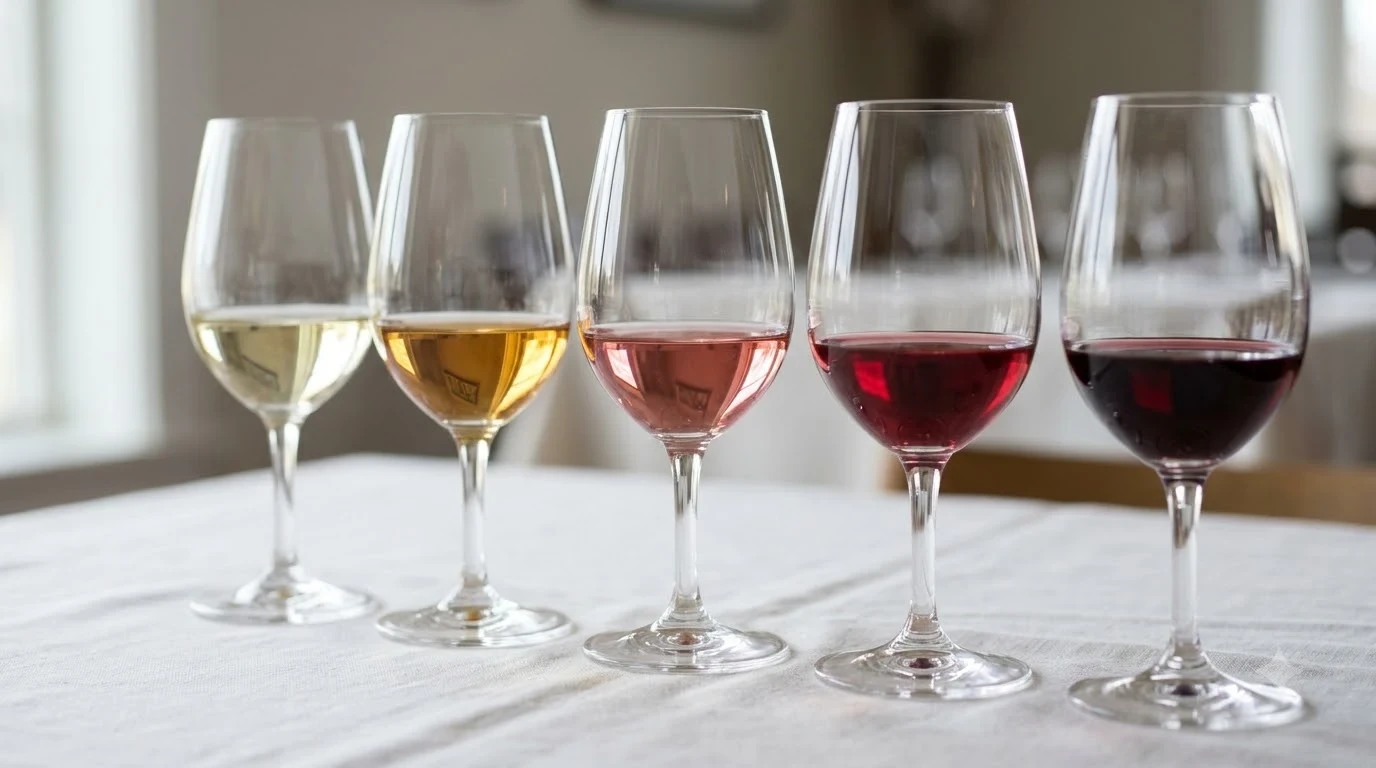
- Observe the appearance. Look at the wine’s color, clarity, and bubbles. Asti Spumante commonly ranges from straw yellow to golden, with fine, persistent carbonation.
- Smell the wine. Identify floral, fruit, and citrus aromas before taking a sip. Give yourself a moment to distinguish the individual characteristics.
- Taste in small sips. Consider the balance between sweetness, acidity, and carbonation. Notice whether the finish is short, refreshing, or lingering.
- Compare styles. Taste another wine from the same grape or a different Piedmontese variety to understand the differences.
- Record your impressions. A short note about aroma, sweetness, texture, and preferred food pairing can help you remember the wines later.
Serving temperature plays an important role in how aromatic sparkling wines perform. The regional tourism organization recommends serving Asti at approximately 6–8°C, equivalent to about 43–46°F. This cool temperature helps preserve freshness and keeps the wine’s sweetness from feeling overly heavy.
Temperature matters for other wines as well. Light whites are generally best served around 45–50°F, while fuller-bodied whites usually benefit from approximately 50–55°F. Light reds often show well at 55–60°F, and fuller reds are commonly served around 60–65°F. These ranges are useful when tasting different styles during the same event.
It is also helpful to pay attention to glassware. A tulip-shaped glass works well for aromatic sparkling wine because it provides enough room to appreciate the aromas while maintaining the wine’s lively presentation. Moscato d’Asti can also be served in a suitable white wine glass rather than a very narrow flute.
Visitors should avoid treating the number of wines tasted as the main measure of a successful festival day. A smaller number of carefully compared wines can provide more useful information than rushing through numerous unrelated samples. Take breaks between tasting sessions, drink water, and allow enough time to enjoy the food and cultural activities.
Tip: Begin with Moscato d’Asti and Asti Spumante side by side. Comparing two wines made from the same grape but presented with different levels of carbonation is one of the easiest ways to understand the region’s signature wine styles.
For visitors interested in learning more about the geographical differences behind Italian wine, exploring the broader Wine Regions resource provides useful background. Regional geography, grape varieties, and production rules all contribute to the character of the wines served at Douja d’Or.
Traditional Foods and Wine Pairings in Asti
Food is an essential part of the Asti festival experience, and Piedmont’s culinary traditions provide many opportunities to discover how regional dishes complement local wines. The best pairings consider sweetness, acidity, richness, and texture rather than simply matching a wine with a dish from the same geographical area.
Sweet Moscato-based wines are particularly suitable for desserts. A useful rule is to serve a wine that is at least as sweet as the dessert alongside it. Otherwise, the wine can taste less expressive or even sour by comparison. Asti Spumante and Moscato d’Asti work especially well with fresh pastries, dry biscuits, and fruit-based desserts.
Traditional hazelnut cake is one of the most appealing pairings. Piedmont is strongly associated with hazelnut cultivation, and the nutty, toasted character of the cake complements the floral and fruity aromas of Moscato. The wine’s sweetness also provides a pleasant contrast to the roasted flavors of the nuts.
Another traditional accompaniment is Paste di Meliga, a type of cornmeal biscuit from Piedmont. Their dry, crumbly texture and gentle sweetness make them suitable companions for aromatic wines. They are also easy to enjoy during a relaxed tasting session because their relatively simple flavor does not overwhelm the wine.
Festival delle Sagre offers a broader opportunity to discover local dishes. The event brings together traditional recipes prepared by community organizations, creating a large outdoor dining experience focused on the region’s food heritage.
Some dishes associated with the event include:
- Tajarin: Thin Piedmontese egg pasta, often served with butter, meat sauce, or other regional preparations.
- Agnolotti: Traditional filled pasta that can be served with meat-based sauces or simple butter and sage.
- Polenta: A cornmeal preparation that works with hearty sauces and slow-cooked dishes.
- Donkey stew: A traditional slow-cooked meat dish associated with rural Piedmontese cooking.
- Sausage stew: A rich preparation that reflects the area’s traditional use of pork and local ingredients.
- Veal with tuna sauce: A well-known Piedmontese dish combining thin slices of veal with a creamy tuna-based sauce.
These dishes illustrate the diversity of local cooking. Not every dish should be paired with sweet Moscato, however. A savory meal may call for a dry regional wine with enough acidity to balance its richness. Barbera, for example, can work well with tomato-based preparations and hearty pasta dishes because its acidity helps refresh the palate.
Food texture is another useful consideration. Salt and fat can soften the perception of tannin in red wines, which is why structured reds can work well with richer meat dishes. Conversely, strongly tannic reds are generally poor companions for delicate oily fish because their combination can create an unpleasant metallic impression.
Spicy dishes require additional attention. Alcohol and tannin can intensify chili heat, so highly alcoholic or strongly structured wines may make spicy food feel hotter. A sweeter, aromatic wine with refreshing acidity can sometimes be a more comfortable pairing for spicy cuisine.
Visitors who enjoy exploring food and wine together can also compare the experiences offered by other regional celebrations. For example, an Indiana wine festival provides a different setting for exploring local wine culture, while Asti’s September events have a particularly strong connection to traditional Piedmontese cooking.
Planning a Visit to Asti During September
Planning ahead helps visitors make the most of the festival’s distributed venues and busy September calendar. The most useful approach is to organize the trip around the main wine events while leaving enough flexibility for food, sightseeing, and nearby vineyard visits.
Start by checking the official Douja d’Or program before booking accommodation or making a detailed itinerary. The schedule identifies the activities, locations, and available experiences, allowing visitors to determine which tastings or educational sessions deserve priority. Some special events may require advance arrangements, so waiting until arrival can limit the choices available.
A practical visit can be organized into three broad parts:
- Morning: Explore Asti’s historic center, visit cultural attractions, and enjoy a relaxed breakfast or coffee.
- Afternoon: Concentrate on scheduled wine tastings, producer presentations, and educational sessions.
- Evening: Enjoy a regional meal, visit additional festival locations, or participate in Douja Off activities.
Visitors planning to attend Festival delle Sagre should allow separate time for its food-focused activities. Its large outdoor dining area offers a different atmosphere from the main wine festival venues. Arriving with enough time to explore the dishes and their preparation can make this part of the trip particularly rewarding.
Accommodation in or near central Asti can make it easier to visit several festival locations without relying on long journeys between activities. Booking ahead is sensible during popular September weekends, particularly when multiple events attract visitors to the same area.
Travelers arriving from other parts of Italy can consider rail connections to Asti and then use local transport or walking routes to explore the central event locations. Those arriving by car should plan parking before the busiest festival periods, especially when public celebrations affect access to central streets.
Another useful strategy is to combine the city visit with a trip into the surrounding countryside. The Langhe and Monferrato landscapes contain historic wine villages, vineyard-covered hills, and producers whose wines help explain the region’s reputation. A countryside excursion can provide context that is difficult to appreciate from a tasting counter alone.
For a longer Piedmont itinerary, visitors can also explore neighboring wine destinations and compare their identities with Asti. The Livermore wine festival offers an example of another wine region’s event culture, while Asti provides a distinctly Italian experience shaped by Moscato, historic city venues, and traditional food celebrations.
Practical preparation should include comfortable walking shoes, a light jacket for cooler evenings, and a plan for getting between accommodation and festival locations. September can bring changing weather, so checking the forecast shortly before departure is useful.
Most importantly, visitors should avoid packing every activity into one day. A festival spread across several locations is more enjoyable when there is enough time to sit down, appreciate the food, and compare wines without rushing. Allowing a little unplanned time also creates opportunities to discover smaller events and interesting places along the way.
Exploring Asti’s Wine Heritage Beyond the Festival
The Asti wine festival offers a convenient introduction to a much larger wine-producing area. Understanding the relationship between Asti, Langhe, and Monferrato helps explain why the city’s September celebrations are closely connected to Piedmont’s agricultural and cultural identity.
The Asti DOCG production area covers 52 towns across the provinces of Asti, Alessandria, and Cuneo. This geographical designation defines where the grapes for the protected wines may originate and connects the bottles to a specific landscape. The vineyards are part of a region with a long history of growing Moscato Bianco and producing aromatic wines.
The history of Moscato in this part of Piedmont reaches back centuries. Historical records document production in the Langhe and Monferrato areas as early as the 1200s. This long association helps explain why Moscato remains so closely identified with the region’s wine traditions.
Modern Asti wine production combines that heritage with contemporary winemaking practices. The resulting wines preserve the characteristic aromatic qualities of Moscato Bianco while offering different expressions of sweetness and carbonation. Asti Spumante and Moscato d’Asti demonstrate how the same grape variety can produce noticeably different drinking experiences.
Monferrato is particularly relevant to visitors because its vineyard landscapes and communities form an important part of the wider Asti wine identity. Its rolling hills, historic settlements, and agricultural traditions create a setting in which wine production remains closely connected to local life.
Langhe is another important area to explore. It is associated with internationally recognized wines, including Barolo and Barbaresco, which are made primarily from Nebbiolo. These structured reds offer an interesting contrast to the aromatic sweetness of Moscato-based wines.
Roero provides another perspective on Piedmontese wine. Its landscape and grape varieties contribute additional diversity to the regional wine scene. Exploring several areas during one trip allows visitors to understand that Piedmont is not defined by a single wine style or grape variety.
The region’s food culture is equally important. Traditional pasta, meat preparations, cheeses, hazelnuts, and seasonal ingredients all contribute to the identity of the local table. These foods provide natural opportunities to compare the acidity and tannin of dry reds with the sweetness and aromas of Moscato wines.
Visitors who want a broader wine-focused itinerary can combine Douja d’Or with winery appointments in nearby towns. It is sensible to contact producers in advance because individual tasting availability and opening arrangements can differ. A planned winery visit can add another dimension to the festival by showing how grapes are grown, processed, and transformed into finished wine.
Exploring the countryside also makes the importance of geographical origin easier to understand. Differences in elevation, soil, exposure, and local growing conditions contribute to the character of wines from different parts of Piedmont. The festival provides the tasting introduction, while the surrounding landscape supplies the geographical context.
For travelers interested in comparing wine celebrations across different American destinations, a Utah wine festival offers another way to experience regional producers and local wine culture. Asti, however, remains distinctive for its combination of historic Italian streets, Moscato traditions, and September celebrations that connect wine with centuries of regional food heritage.
Frequently Asked Questions
Is Douja d’Or suitable for people who are new to wine?
Yes. The festival includes general tasting experiences as well as educational meetings, making it approachable for visitors without extensive wine knowledge. Learning to distinguish Moscato d’Asti from Asti Spumante is a useful starting point because both wines share the same principal grape variety but differ in their carbonation and presentation.
What does the word Douja mean?
Douja refers to a traditional wine vessel used in Piedmont. The name gives the festival a direct connection to the region’s historical wine culture and everyday traditions. It reflects the importance of wine as both an agricultural product and a part of local social life.
Can visitors discover other Italian wine denominations at the event?
Yes. The festival’s tasting program is designed to introduce visitors to different territories and protected wine designations. Depending on the scheduled activities, visitors may encounter wines from several Piedmontese denominations and learn how production rules distinguish one designation from another.
What is the difference between DOC and DOCG wine classifications?
Both DOC and DOCG are Italian geographical wine designations that establish rules concerning origin and production. DOCG is the higher designation in the traditional Italian classification hierarchy and includes additional requirements and controls. Asti Spumante and Moscato d’Asti carry the DOCG designation, connecting their production to a defined geographical area.
Is Piedmont recognized for its vineyard landscapes?
Yes. The vineyard landscapes of Langhe, Roero, and Monferrato have UNESCO World Heritage recognition. This recognition reflects the cultural and historical importance of the vineyard landscape, including its relationship with winegrowing communities, agricultural practices, and historic settlements.
The asti wine festival offers much more than an opportunity to sample Italian sparkling wine. Douja d’Or brings together Piedmontese producers, traditional cuisine, historic venues, and educational experiences in the heart of Asti. For visitors who want to understand the region through its wines and food, September is an especially rewarding time to explore the city and its surrounding vineyards.
More in Wine Regions
 Willcox Wine Trail: Discover Arizona’s High-Elevation Wine CountryUpdated Nov 20, 2026
 Yakima Valley Wine Region: Find the Best Styles to TryUpdated Nov 20, 2026
 Vosne Romanee Wine Tasting: Identify Aromas and Choose Better PairingsUpdated Nov 20, 2026
 Yakima Valley Wine Festival: Find the Best Seasonal Wine EventsUpdated Nov 20, 2026
 Wales Vineyards: Discover Cool-Climate Wines and Where to VisitUpdated Nov 20, 2026
 Yountville Wine Festival: Discover Napa Wines and Local FoodUpdated Nov 20, 2026