

We may earn a commission when you buy through links on this page, at no extra cost to you. Learn more.
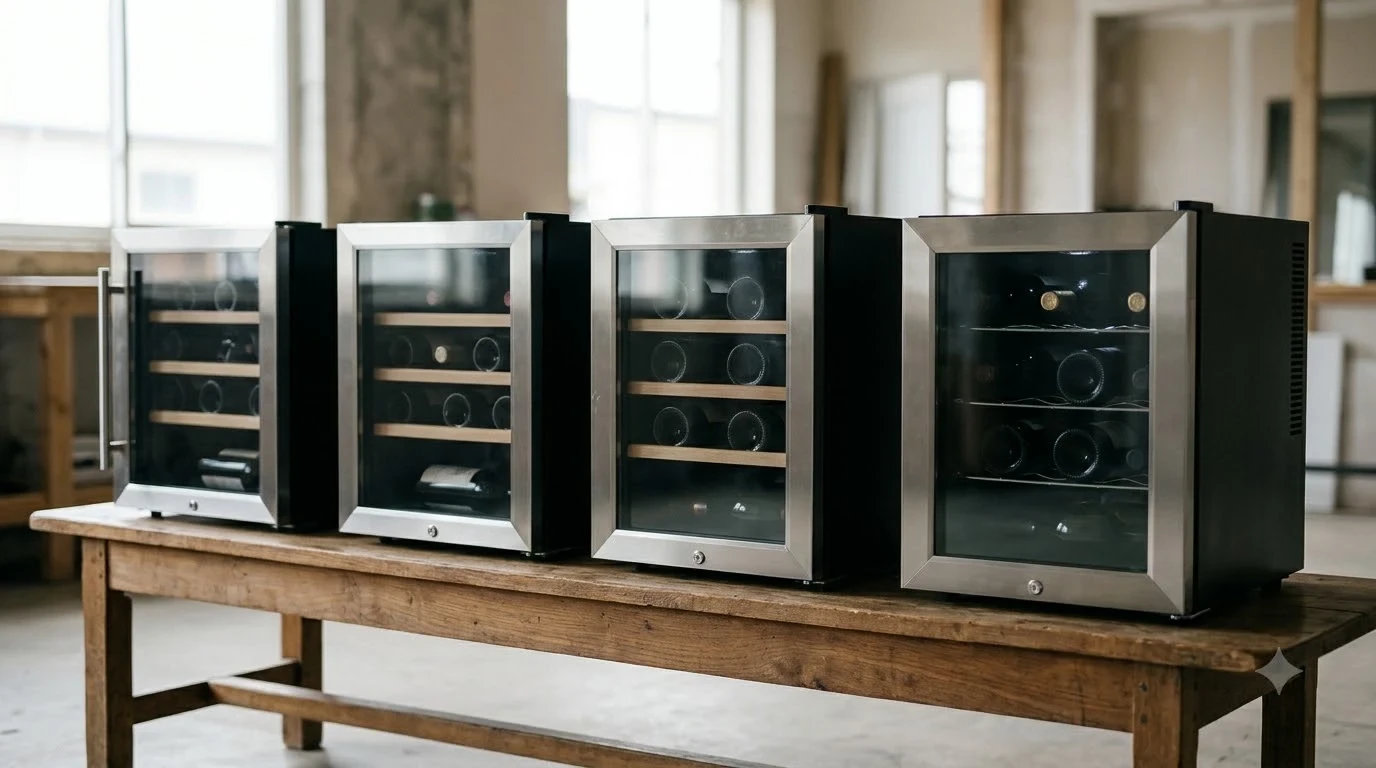
The Antarctic Star beverage cooler is a practical compact refrigerator for keeping canned drinks, beer, soda, and selected bottled beverages chilled, with adjustable shelving, a glass door, and digital temperature controls. Its strongest advantages are its space-conscious design, visible storage, and flexible beverage organization. However, advertised capacity, operating noise, temperature consistency, and installation requirements deserve attention before purchasing. The 1.7 cu. ft. version is particularly suited to smaller rooms, while larger Antarctic Star models offer more storage for households with greater cooling needs.
An attractive beverage refrigerator can make a home bar, entertainment room, or office more convenient without requiring a full-size refrigerator. Antarctic Star offers several compact beverage cooler configurations, including countertop-sized appliances and taller freestanding refrigerators. Although these products share a recognizable glass-door appearance, their capacities, controls, dimensions, and installation requirements are not identical. This review examines the 1.7 cu. ft. model as the primary example, explains the differences between other configurations, and considers the practical limitations buyers should understand.
Specs and Key Features
The Antarctic Star 1.7 cu. ft. beverage refrigerator prioritizes compact storage and straightforward drink access rather than large-scale refrigeration. Its advertised capacity of 68 cans, adjustable shelving, glass door, and digital thermostat make it a useful option for a small beverage station.
| Specification | Antarctic Star 1.7 cu. ft. |
|---|---|
| Appliance type | Beverage refrigerator |
| Capacity | 1.7 cubic feet |
| Advertised can capacity | Up to 68 cans |
| Dimensions | 16.34 × 16.93 × 22.24 inches |
| Temperature range | 40°F–61°F |
| Shelving | 2 adjustable shelves |
| Door | Tinted double-pane tempered glass |
| Interior lighting | Blue LED |
| Cooling system | Compressor |
| Installation | Freestanding |
| Defrost system | Manual |
These specifications come from the manufacturer’s 1.7 cu. ft. product listing. One important distinction is that the 68-can figure represents advertised maximum capacity, not necessarily the number of drinks every household can fit while retaining convenient access. Container shape, can diameter, bottle height, and shelf placement all influence practical storage.
The refrigerator’s exterior measures approximately 16.93 inches wide and 22.24 inches high, making it substantially smaller than a conventional full-height beverage refrigerator. Its compact footprint is useful for an apartment, office, entertainment room, or home bar where floor space is limited. Before purchasing, measure the intended location and account for door opening, electrical access, and ventilation.
The digital temperature display makes adjusting the cooling setting more convenient than relying on a basic mechanical dial. The manufacturer advertises a 40°F to 61°F range for this particular model. That range is appropriate for many everyday chilled beverages, although it is not designed to function as a freezer or replace a refrigerator intended for perishable groceries.
The glass door is another defining feature. Its tinted, double-pane tempered-glass construction provides a view of the contents while helping insulate the interior. Blue LED lighting makes drinks easier to identify in darker rooms, particularly when the refrigerator is positioned beneath a counter or inside a home entertainment area.
For buyers comparing other sizes, Antarctic Star also sells a 3.2 cu. ft. beverage refrigerator measuring 19.29 inches deep, 17.52 inches wide, and 31.18 inches high. That model is advertised for 26 standard wine bottles, illustrating why product specifications should be checked by individual configuration rather than assumed across the entire brand.
What Owners Like
The strongest appeal of Antarctic Star beverage refrigerators is their combination of compact dimensions, visible storage, and adjustable organization. Owners looking for an accessible supply of cold drinks often value these practical features more than elaborate refrigeration technology.
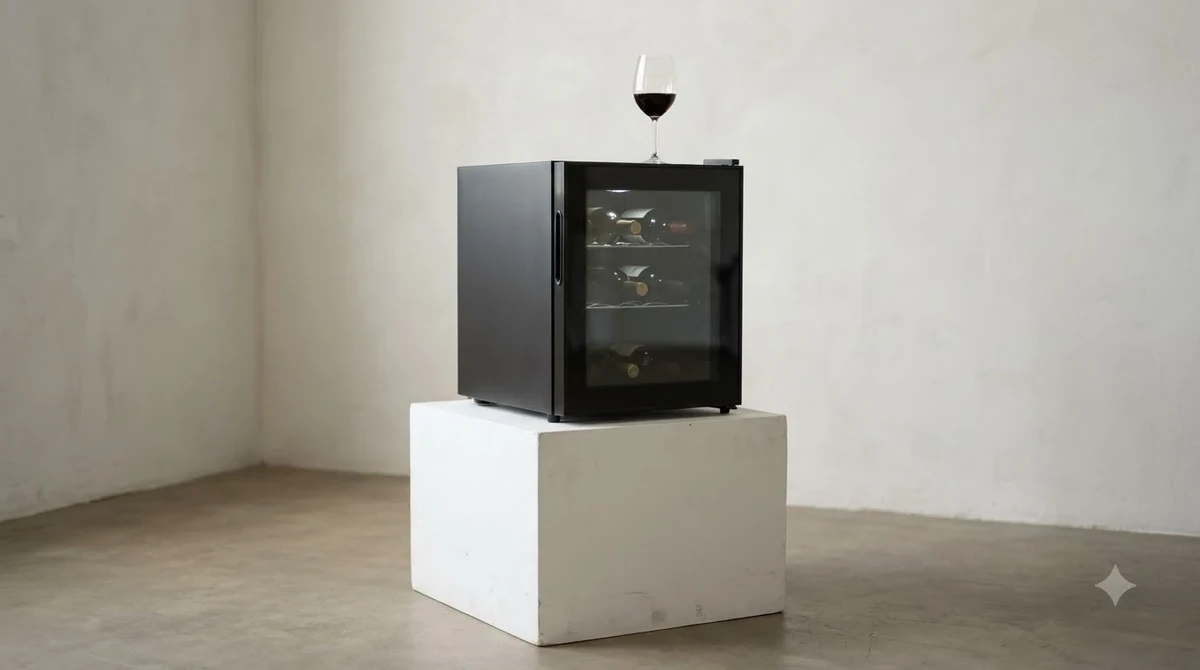
Compact placement is a major advantage. A 1.7 cu. ft. refrigerator measuring approximately 17 inches wide can fit into spaces that cannot accommodate a full-size beverage center. This makes it particularly attractive for apartments, small offices, game rooms, and secondary entertainment areas. Instead of opening the main kitchen refrigerator whenever someone wants a drink, household members can use a dedicated beverage station.
The glass-front design also contributes to convenience. Being able to see cans and bottles without opening the door makes it easier to identify what is available. It can also help reduce unnecessary door openings, which matter because warm room air enters whenever the refrigerator is opened.
Adjustable shelving adds useful flexibility. Standard soda cans, energy drinks, small water bottles, and shorter beer bottles do not all occupy the same amount of space. Two adjustable shelves provide some flexibility for arranging different container sizes. Removing or repositioning a shelf can make room for taller bottles, although doing so naturally reduces the number of containers that fit elsewhere.
Buyers also appreciate the appearance of the tinted glass and blue LED lighting. A beverage refrigerator is frequently placed somewhere visible, rather than hidden in a kitchen cabinet. Its appearance therefore matters. The dark exterior and illuminated interior can complement a home bar or entertainment setup without requiring a large appliance.
Some owner feedback on the larger 3.2 cu. ft. model is positive about long-term convenience. One customer review on the manufacturer’s product page describes four years of satisfactory use, appreciating the lighting, capacity, and appearance. That is an individual experience rather than proof of typical lifespan, but it provides useful context when evaluating owner satisfaction.
The larger models also appeal to people who want a combination beverage and wine storage appliance. The manufacturer’s 3.2 cu. ft. model includes horizontal bottle storage and movable shelves. For someone who wants a dedicated place for wine, beer, and other drinks, that configuration may provide more practical organization than the smaller can-focused refrigerator.
Another appealing feature is the compressor cooling system. Unlike an insulated drink cabinet that merely keeps already-cold beverages cool, a compressor refrigerator actively lowers the interior temperature. This makes it more useful for loading room-temperature drinks and preparing them for later consumption.
For households that frequently entertain, keeping water, soda, beer, and mixers in one dedicated appliance can simplify serving. The refrigerator can sit near a seating area, allowing guests to access drinks without repeatedly entering the kitchen. A small cooler is not a replacement for a full refrigerator, but it can serve as a useful secondary appliance.
Common Complaints
The main drawbacks to consider are compressor noise, differences between advertised and usable capacity, temperature variation, and the maintenance associated with manual defrosting. These concerns do not make the product unsuitable, but they affect where it should be placed and how it should be used.
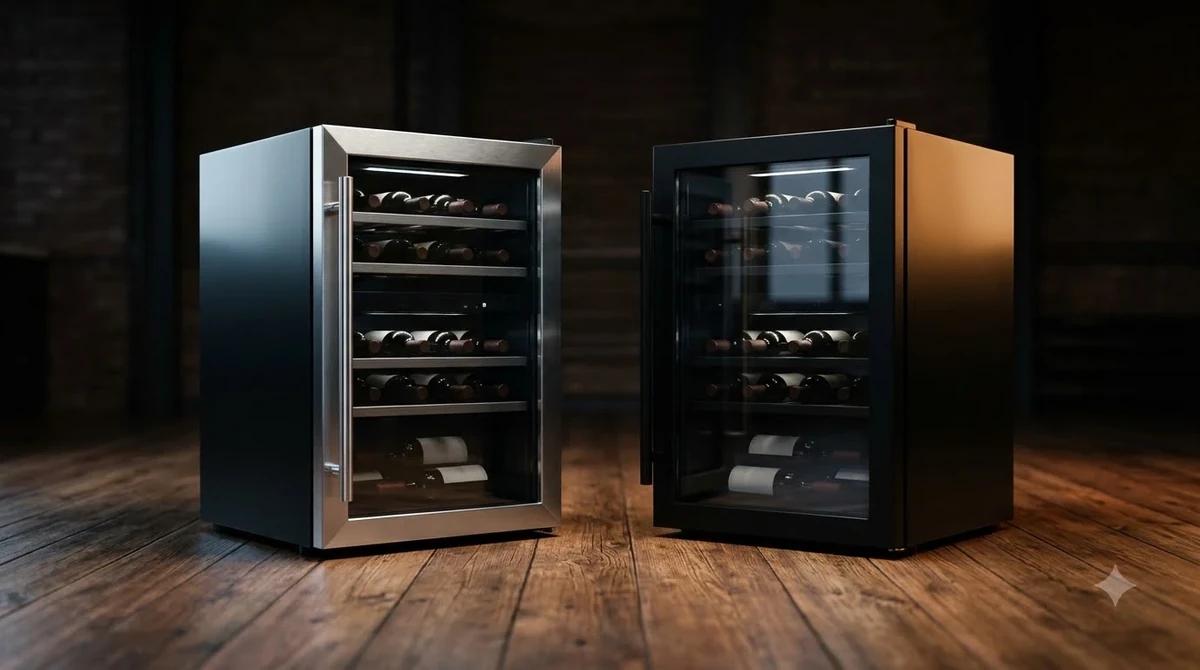
Operating noise deserves particular attention. Compressor refrigerators make sounds while cycling, and the noise can be more noticeable in a quiet bedroom, home office, or studio than in a busy kitchen. Antarctic Star describes its compact models as quiet, but manufacturer descriptions should not be treated as a guarantee of silent operation.
Customer feedback on a separate Antarctic Star 19.29-inch, 120-can model listed by Home Depot includes a complaint from an owner who found the refrigerator loud when it switched on. That review concerns a different configuration from the 1.7 cu. ft. model, so it cannot establish that every Antarctic Star cooler has the same noise level. It does, however, illustrate why sound sensitivity should influence purchasing decisions.
Another potential disappointment is advertised storage capacity. The manufacturer lists room for up to 68 cans in the 1.7 cu. ft. appliance. Actual arrangements depend on the dimensions of the drinks being stored and the available shelf positions. Tall bottles, unusually wide cans, and mixed container sizes can reduce the total number that fits.
Buyers should also distinguish between a maximum loading arrangement and an everyday arrangement. Filling every available space may make individual drinks difficult to remove. A refrigerator holding fewer drinks with accessible shelves can be more convenient than one packed to its advertised maximum.
Temperature consistency is another consideration. The JC-90VEL-F user manual explains that temperature differences inside the cabinet are normal and that areas close to the door may be slightly warmer. This is a practical reminder that the temperature displayed on a refrigerator is not necessarily identical at every shelf position.
Manual defrosting is also less convenient than automatic frost management. The 1.7 cu. ft. product listing identifies a manual defrost system. Depending on humidity, door-opening frequency, and operating conditions, frost may accumulate and require occasional attention. Buyers who want an appliance that demands minimal maintenance should factor this into their decision.
There is also a limitation involving the types of food stored. The manufacturer explicitly says the 1.7 cu. ft. appliance is intended for beverages and should not be used to store fresh foods. It should therefore be treated as a drink refrigerator rather than a general-purpose mini fridge for groceries, leftovers, or temperature-sensitive ingredients.
Finally, the product’s installation classification matters. The 1.7 cu. ft. model is listed as freestanding. Its compact appearance does not automatically mean it is suitable for enclosed cabinetry. A refrigerator needs appropriate ventilation to release heat generated during cooling, and restricting airflow can affect operation.
Who Should Buy and Who Should Skip
The Antarctic Star 1.7 cu. ft. beverage cooler is best suited to people who need a compact dedicated drink refrigerator rather than a large appliance for entertaining substantial groups. Its dimensions and shelving make it most attractive for modest beverage collections and secondary cooling duties.
Who should consider buying it
Apartment residents may appreciate the smaller footprint. A dedicated beverage refrigerator can fit into a compact living area, home office, or entertainment corner without occupying the space required by a conventional refrigerator. It is especially useful for households that regularly keep canned drinks available.
Home bar owners can use the refrigerator to organize soda, mixers, beer, and bottled water. The glass door makes it easier to see supplies, while the blue interior light provides a display effect. People preparing cocktails may find it convenient to keep mixers and chilled bottled beverages together.
For example, a home bar serving an Aperol Spritz can benefit from having chilled sparkling water and other nonperishable beverage ingredients available. The refrigerator is not intended to replace proper cocktail preparation equipment, but it can make drink service more convenient.
Office users may also benefit from a dedicated drink station. Keeping canned water, soda, and other beverages separate from food storage can reduce interruptions to the main kitchen refrigerator. However, anyone placing the appliance near a desk should consider compressor noise before choosing this location.
Small households that entertain occasionally may appreciate the extra storage without needing a full-size beverage center. A compact refrigerator can hold a selection of drinks for everyday use and smaller gatherings.
Who should skip it
People who regularly entertain large groups may find 1.7 cu. ft. insufficient. Although the advertised capacity is 68 cans, the available storage can become restrictive when mixing cans, tall bottles, and larger containers. A larger refrigerator is a better choice for frequent parties or households with several beverage drinkers.
Wine collectors should also consider whether the smaller appliance meets their actual storage requirements. Its adjustable shelves offer some flexibility, but a refrigerator specifically designed for wine may provide more suitable horizontal bottle organization. Buyers interested in a dedicated wine-storage appliance can compare the best rated wine cooler options before choosing.
People who require freezer temperatures, fresh-food storage, or precise temperature control across different beverage categories should look elsewhere. The 1.7 cu. ft. model is a beverage-focused refrigerator, not a dual-zone wine cellar or full-service kitchen appliance.
Likewise, anyone expecting completely silent operation should consider alternative refrigeration arrangements. A compressor can be audible even when the manufacturer emphasizes quiet performance. Placement in a busy entertainment room is generally more forgiving than placement beside a bed.
How It Compares to Alternatives
Antarctic Star offers different refrigerator capacities, and the right choice depends on whether the priority is compact drink storage, larger beverage capacity, or dedicated wine organization. Comparing actual dimensions and intended use is more helpful than comparing product names alone.
The 1.7 cu. ft. model is the compact option in this comparison. Its advertised 68-can capacity is designed for smaller collections, while the 3.2 cu. ft. refrigerator provides a taller cabinet and a wine-oriented storage configuration. Other larger Antarctic Star configurations are also available, but buyers should compare their individual specifications rather than assume that all models share the same features.
| Configuration | Advertised capacity | Dimensions | Best suited to |
|---|---|---|---|
| 1.7 cu. ft. beverage cooler | Up to 68 cans | 16.34 × 16.93 × 22.24 inches | Small drink collections |
| 3.2 cu. ft. beverage and wine cooler | 26 standard wine bottles | 19.29 × 17.52 × 31.18 inches | Mixed drinks and wine |
| Larger beverage refrigerator | Depends on configuration | Depends on configuration | Greater beverage storage needs |
The 1.7 cu. ft. configuration is the obvious choice when available space is the primary constraint. It is much shorter than the 3.2 cu. ft. model and can fit into locations where a taller refrigerator would be impractical. However, the smaller cabinet limits flexibility when storing several different bottle shapes.
The 3.2 cu. ft. configuration is a better match for people who want to store standard wine bottles alongside other beverages. Its advertised capacity of 26 standard bottles provides a clearer wine-storage orientation. The manufacturer also recommends at least five inches of clearance on each side, which is important when planning its location.
For someone who primarily wants cold soda and beer, the added wine-oriented features of a larger appliance may be unnecessary. Conversely, a wine enthusiast may prefer a model that offers horizontal bottle storage and temperature separation instead of a compact can-focused layout.
It is also useful to compare the advertised temperature ranges. The 1.7 cu. ft. listing specifies 40°F to 61°F, while the 3.2 cu. ft. listing also identifies a 40°F to 61°F range. Other dual-zone configurations may provide separate temperature controls. These differences matter more than cosmetic similarities when choosing an appliance for different beverages.
For a broader comparison of beverage and wine storage choices, the beverage refrigerator reviews section can help narrow down the type of appliance that suits a particular room and collection.
Setup, Operation and Maintenance
Correct placement and sensible loading are important for getting consistent results from a compact beverage refrigerator. A few simple setup steps can also help avoid unnecessary noise, poor airflow, and temperature fluctuations.
Start by measuring the installation area. The 1.7 cu. ft. refrigerator is approximately 16.93 inches wide, 16.34 inches deep, and 22.24 inches high. Measure the actual opening rather than relying on a rough visual estimate. Include sufficient room for the door to open fully and for the electrical connection to remain accessible.
Next, position the appliance on a stable, level surface. Adjustable leveling feet are identified in the JC-90VEL-F manual, and leveling is important for stable operation and proper door closure. A refrigerator that rocks or sits unevenly can create unnecessary vibration and may not seal as intended.
Allow suitable ventilation around the refrigerator. Do not assume that a compact glass-front model can be pushed into an airtight cabinet. The manufacturer’s larger 3.2 cu. ft. listing specifically recommends five inches of clearance on each side. The requirements for the smaller model should be verified against its own documentation rather than automatically applying the larger model’s dimensions.
After positioning the appliance, allow it to reach its intended operating temperature before loading a full collection. The JC-90VEL-F manual recommends allowing at least two hours of cooling before loading beverages. It also explains that adding a full load of room-temperature drinks raises the interior temperature and can require several additional hours to recover.
For best results, arrange beverages according to their dimensions. Standard cans can occupy the main shelf areas, while taller bottles may require a different shelf position. Avoid forcing containers into spaces that restrict airflow or place unnecessary weight on shelves.
Tip: Pre-chill drinks in your main refrigerator before transferring a large collection into the Antarctic Star cooler. Loading already-cold beverages reduces the amount of work required to bring the entire cabinet to serving temperature.
Use an independent refrigerator thermometer if temperature consistency is important. Place it in the area where the beverages will normally sit and allow enough time for the reading to stabilize. The manual specifically notes that warmer conditions near the door are normal, so checking the actual storage area is more informative than relying exclusively on the display.
Keep the door closed as much as possible. Every opening introduces warmer air, which the compressor must remove. Organizing frequently used drinks near accessible shelf positions can reduce the time spent searching inside the cabinet.
For model-specific operating instructions, the Antarctic Star JC-90VEL-F beverage cooler user manual explains temperature adjustment, loading, LED lighting, defrosting, and routine maintenance. This manual covers the JC-90VEL-F configuration, so owners should use the documentation matching their own appliance rather than assume every Antarctic Star model has identical controls.
Cleaning is straightforward but should be done carefully. Remove beverages and unplug the refrigerator before cleaning its interior. Use a soft cloth and mild cleaning solution, then dry the interior before restarting the appliance. Avoid abrasive materials that could scratch the glass or interior surfaces.
Because the 1.7 cu. ft. model uses manual defrosting, periodically inspect the interior for frost buildup. If defrosting becomes necessary, follow the manufacturer’s instructions rather than using sharp objects to remove ice. Regularly checking the door seal and keeping the cabinet clean can also help maintain normal operation.
Finally, remember that this refrigerator is designed for beverages rather than fresh groceries. It should not be used as a substitute for a food refrigerator or freezer. Following the intended use and installation instructions is more important than attempting to maximize the appliance’s versatility.
Frequently Asked Questions
Does the Antarctic Star beverage cooler need to sit upright before being plugged in?
Refrigerators can require settling time after transportation, particularly if they have been tilted or laid on their side. The appropriate waiting period depends on the specific model and its transportation instructions. Consult the supplied manual before connecting the appliance after delivery.
Can an Antarctic Star beverage cooler operate in a garage?
Garage suitability depends on the ambient-temperature operating limits of the particular refrigerator. An appliance intended for ordinary indoor conditions may struggle in an unusually hot or cold garage. Confirm the permitted ambient-temperature range in the model-specific documentation before installing it in an unconditioned space.
Does the Antarctic Star cooler remember its temperature after a power interruption?
The JC-90VEL-F manual states that the refrigerator returns to its previous temperature setting after power is restored following an outage. This feature concerns the stored setting rather than guaranteeing that beverages remain at their target temperature throughout an extended interruption.
Can the glass door of an Antarctic Star cooler develop condensation?
Glass-door refrigerators can experience condensation when humid room air contacts a colder surface. The amount depends on room humidity, temperature differences, door-seal condition, and how frequently the door is opened. Maintaining a clean, properly closed door helps reduce avoidable moisture problems.
Can the Antarctic Star beverage cooler be used for champagne storage?
Some Antarctic Star product descriptions mention champagne among suitable beverages, but the appropriate storage temperature depends on the specific wine and intended serving time. Champagne is generally served around 40°F to 50°F. A model with a minimum setting of 40°F can chill bottles for serving, although it is not a substitute for a dedicated long-term wine cellar.
The Antarctic Star beverage cooler is a sensible choice for people who want a compact, attractive refrigerator dedicated to cold drinks. Its glass door, adjustable shelves, and straightforward temperature controls provide useful everyday convenience, but buyers should consider noise, manual defrosting, usable capacity, and installation clearance before making a decision. Choose the 1.7 cu. ft. version for smaller collections, or compare the larger configurations if wine storage and greater beverage capacity are higher priorities.
More in Model Reviews
 Magic Chef 44 Bottle Wine Cooler Review for Flexible StorageUpdated Nov 21, 2026
 Whynter 164 Bottle Wine Cooler Review: Capacity, Features, and FitUpdated Nov 21, 2026
 Insignia NS WC16BK6 Review: Compact 16-Bottle Wine StorageUpdated Nov 21, 2026
 Wine Enthusiast Electric Blue Omega Review: Opening, Pouring, and Preserving Made EasierUpdated Nov 21, 2026
 Koolatron 20 Bottle Wine Cooler Review: Features, Fit, and PerformanceUpdated Nov 21, 2026
 NewAir AWC 330E Review for Home Wine StorageUpdated Nov 21, 2026