


We may earn a commission when you buy through links on this page, at no extra cost to you. Learn more.
Alentejo wine tasting introduces you to Portugal’s distinctive wines, including full-bodied reds, aromatic whites, and traditional clay-amphora wines from one of the country’s most important wine regions. Located in southern Portugal, Alentejo combines hot, dry growing conditions with diverse soils and eight designated wine sub-regions. Learning the differences between its grapes, regional styles, and traditional winemaking methods makes it easier to recognize the wines you enjoy and choose worthwhile bottles.
Alentejo offers a particularly rewarding introduction to Portuguese wine because its vineyards combine indigenous grapes, international varieties, modern winery techniques, and centuries-old traditions. A tasting might include a fresh white made from Antão Vaz, a structured red featuring Alicante Bouschet, and a distinctive wine fermented in a traditional clay vessel. Understanding what connects these wines, and what separates them, helps turn a collection of unfamiliar Portuguese names into a recognizable regional picture.
Understanding the Alentejo Wine Region and Its Eight Sub-Regions
Alentejo’s wines reflect a large, varied landscape rather than one uniform growing environment. Its eight PDO sub-regions differ in elevation, soil composition, rainfall, and temperature, creating meaningful differences between the wines produced in northern, central, and southern areas.
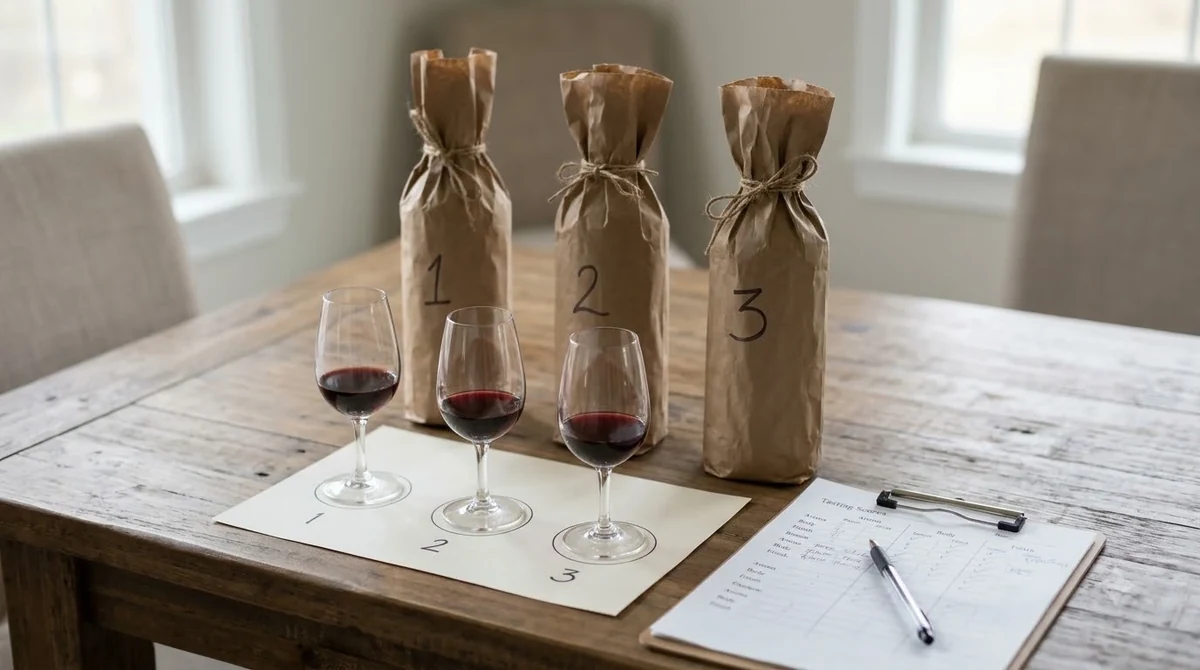
Alentejo occupies a substantial part of southern Portugal, extending across broad plains and incorporating the higher terrain around the Serra de São Mamede. The Mediterranean climate generally brings hot, dry summers, strong sunlight, and a pronounced continental influence. These conditions encourage grape ripening and concentrated fruit, although altitude, water availability, and local weather patterns influence the final balance.
According to Wines of Portugal, the region’s soils include schist, clay, marble, granite, and limestone. These differences matter because vineyards growing in different conditions do not necessarily produce wines with identical structure or freshness. The northern mountain-influenced vineyards, for example, offer a different environment from the warmer southern plains.
The Alentejo PDO recognizes eight sub-regions:
- Portalegre: A northern area influenced by the Serra de São Mamede, with granite soils, higher elevations, and cooler growing conditions.
- Borba: Known for marble outcrops, red schist, and a relatively favorable rainfall pattern that contributes to freshness.
- Évora: A historic central wine area that experienced renewed vineyard development during the late twentieth century.
- Redondo: A central sub-region protected in part by the Serra d’Ossa mountain range.
- Reguengos: Another important central area associated with the characteristic balance of Alentejo wines.
- Granja-Amareleja: An extremely dry eastern area where low-yielding vineyards produce distinctive, ripe wines.
- Vidigueira: A southern area influenced by the Serra de Portel and associated with traditional winemaking practices.
- Moura: A southern sub-region with hot summers, poor soils, and substantial temperature variations between seasons.
For a first tasting, it helps to compare wines from different parts of the region instead of concentrating on one village. A Portalegre red alongside a wine from Reguengos or Granja-Amareleja can illustrate how climate and geography affect ripeness, acidity, and texture.
Alentejo also has a broader regional classification, Alentejano PGI. Unlike the more geographically restricted PDO designation, the PGI allows producers greater flexibility with grape varieties and vineyard sourcing. This means a regional wine can offer a useful introduction to modern blends that incorporate Portuguese and international grapes.
Visitors interested in comparing Portugal’s broader wine geography can also explore the Wine Regions resource for context on how Alentejo fits alongside other major Portuguese and international wine areas.
Red Grape Varieties to Look for During a Tasting
Alentejo is especially recognized for generous, full-bodied red wines with ripe fruit, substantial structure, and smooth textures. Its most useful red grapes to recognize include Aragonez, Trincadeira, Alicante Bouschet, Castelão, and Alfrocheiro.
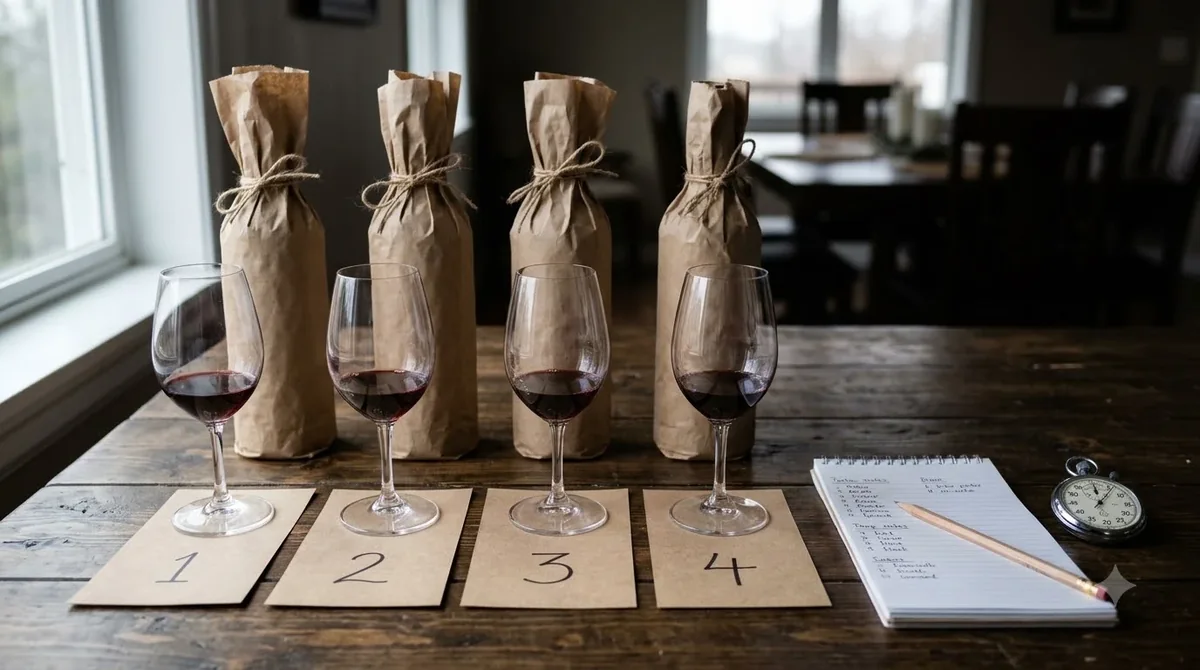
Aragonez is the Portuguese name for Tempranillo, a variety associated with wines that combine dark fruit, moderate-to-firm tannins, and a structured palate. In Alentejo, warm conditions can encourage ripe flavors of plum, cherry, and blackberry. Depending on the producer’s choices, the wine may also show notes of dried herbs, spice, and oak.
Aragonez is an excellent starting point for people who already enjoy Spanish Tempranillo. It offers a familiar reference point while demonstrating how Portuguese growing conditions and blending traditions influence the finished wine.
Trincadeira is another important indigenous red variety. It can contribute aromatic complexity, fresh fruit character, and structure to regional blends. Its personality can vary with growing conditions and harvest decisions, making it particularly interesting to compare across different producers.
Alicante Bouschet deserves special attention because of its deep color and ability to contribute concentration and structure. It is a teinturier grape, meaning its flesh as well as its skin contains color pigments. This characteristic helps explain why wines containing Alicante Bouschet can display such intense color. The grape can produce powerful wines with dark fruit, firm tannins, and substantial palate weight.
Castelão has an important place in the southern sub-regions, particularly Moura, where it is well adapted to demanding growing conditions. Its wines can show red fruit, herbal notes, and a firm structure.
Alfrocheiro adds another dimension to Alentejo blends, contributing fruit character, color, and balance. It is useful to recognize this grape when comparing regional blends with more internationally familiar Cabernet Sauvignon or Syrah-based wines.
When tasting these varieties, pay attention to four characteristics: fruit ripeness, tannin intensity, acidity, and alcohol warmth. A ripe Aragonez may feel rounded and approachable, while an Alicante Bouschet-dominant wine may feel more concentrated and structured.
How to recognize the main red varieties
| Grape | Typical tasting characteristics | What to notice |
|---|---|---|
| Aragonez | Plum, cherry, dark fruit | Fruit concentration and structure |
| Trincadeira | Red fruit, herbal notes, spice | Aromatic character and balance |
| Alicante Bouschet | Black fruit, deep color, firm tannins | Intensity and palate weight |
| Castelão | Red fruit, herbs, savory notes | Freshness and structure |
| Alfrocheiro | Ripe fruit and aromatic complexity | Contribution to blend balance |
These are general characteristics rather than guarantees. Blending, vineyard location, harvest timing, fermentation, and maturation can all change how a particular grape expresses itself.
For a useful comparison, taste a single-variety Aragonez beside a blend containing Alicante Bouschet. Start by comparing the color and fruit aromas, then assess how the tannins feel on your palate. The differences can be more informative than simply memorizing grape descriptions.
Alentejo White Wines and Their Signature Grapes
Alentejo whites deserve as much attention as the region’s reds. Antão Vaz, Arinto, and Roupeiro are three important varieties, offering different combinations of body, acidity, aromatics, and fruit character.
Antão Vaz is particularly associated with the region and produces structured, full-bodied white wines. Typical descriptions include ripe citrus, tropical fruit, and stone-fruit aromas. Its natural profile can be relatively low in acidity, so producers sometimes blend it with grapes that provide additional freshness.
For this reason, Antão Vaz is especially interesting when tasted in two forms: as a single-variety wine and as part of a blend. A single-variety example can demonstrate its weight and texture, while a blend containing Arinto may feel brighter and more energetic.
Arinto is valued for its pronounced acidity. In a warm region such as Alentejo, that characteristic can be especially useful for maintaining freshness. Expect citrus, green apple, and mineral impressions in many examples. Arinto can make a particularly useful comparison with richer Antão Vaz wines.
Roupeiro is another important regional white grape. It can contribute floral and citrus aromas, along with a soft, approachable texture. Depending on the blend and production method, it may produce an aromatic, easy-drinking wine or contribute complexity to a more structured white.
International varieties also appear in Alentejo wines. Chardonnay, for example, can produce a richer profile, while other permitted varieties may feature in regional blends. These wines are useful for understanding the relationship between local Portuguese grapes and international winemaking styles.
White wine comparison
| Grape | Acidity | Typical style |
|---|---|---|
| Antão Vaz | Low to moderate | Full-bodied, structured, ripe fruit |
| Arinto | High | Fresh, citrus-driven, lively |
| Roupeiro | Moderate | Aromatic, floral, approachable |
| Chardonnay | Medium | Medium to full-bodied, potentially creamy |
When tasting Alentejo whites, notice how acidity changes your perception of weight. A full-bodied Antão Vaz can feel broad and rounded, while a high-acidity Arinto can feel more focused and refreshing. Neither is automatically better; they simply serve different preferences and food pairings.
Temperature also affects the experience. Serve lighter Alentejo whites at 45–50 F and fuller-bodied examples at 50–55 F. Excessive warmth can make alcohol seem more prominent, while serving a complex white too cold can make its aromas difficult to appreciate.
Tip: Compare Antão Vaz and Arinto side by side, using the same glass and similar serving temperatures. Take a small sip of water between wines and pay particular attention to acidity, texture, and the length of each finish.
Traditional Vinho de Talha and Modern Winemaking
One of Alentejo’s most distinctive wine traditions is vinho de talha, a style associated with fermentation and maturation in large clay vessels. It offers a fascinating contrast with stainless-steel and oak-based winemaking, connecting contemporary tastings with the region’s ancient agricultural history.
The word talha refers to the large earthenware vessels used in this traditional method. The practice is associated with Roman winemaking traditions in the region, and it has remained part of local wine culture rather than disappearing completely.
These clay vessels provide an alternative environment for fermentation and maturation. Unlike stainless steel, which is designed to be highly neutral, or oak, which can contribute wood-derived aromas, clay does not provide the same flavor compounds associated with new oak. The resulting wine’s character depends on grape selection, skin contact, fermentation management, vessel condition, and maturation decisions.
Vinho de talha is particularly associated with Vidigueira and Vila de Frades. The surrounding area is an important destination for anyone interested in the historical side of Alentejo winemaking. Some producers maintain traditional methods, while others adapt the approach to contemporary preferences.
Not every amphora wine tastes the same. White examples can show texture, savory notes, and more developed fruit characteristics, especially where skin contact is involved. Red versions may offer earthy aromas, concentrated fruit, and a distinctive tactile quality.
Traditional versus modern production
Modern Alentejo wineries also use stainless-steel tanks, temperature-controlled fermentation, and oak barrels. These tools allow producers to control fermentation conditions, preserve selected fruit aromas, and shape the structure of the final wine.
Stainless-steel fermentation is particularly useful for fresh white wines where preserving aromatic character is a priority. Oak maturation can contribute additional texture and flavors such as vanilla, toast, and baking spice, depending on the barrel’s age and use.
Some producers combine these approaches rather than choosing only one. A wine might undergo fermentation in stainless steel before receiving a period of oak maturation, while another may be made entirely in a more traditional vessel.
For a memorable tasting, compare three different production approaches: a stainless-steel white, an oak-influenced red, and a vinho de talha. Notice the differences in fruit expression, texture, and savory character. This comparison provides a clearer understanding of how winemaking decisions influence Alentejo’s wines.
How to Taste Alentejo Wines and Evaluate Their Structure
A structured tasting helps distinguish regional characteristics from individual winemaking choices. Begin with the lightest white, move through fuller whites and lighter reds, and finish with the most concentrated red or a sweet wine.
Start by observing the appearance. Tilt the glass slightly against a white background and examine the wine’s color. White wines may range from pale straw to deeper gold, while red wines can range from ruby to garnet. Color alone cannot establish quality, but it provides an initial impression of the wine’s development and concentration.
Next, smell the wine before tasting. Take a gentle swirl and look for identifiable aromas. With Antão Vaz, you might notice citrus, peach, or tropical fruit. Aragonez may suggest plum and cherry, while Alicante Bouschet can present darker fruit and spice.
Then assess the palate using five main characteristics:
- Acidity: Does the wine make your mouth water? Arinto generally offers more noticeable acidity than Antão Vaz.
- Tannin: Does the wine create a drying sensation on your gums? Alicante Bouschet and Cabernet Sauvignon can feel more structured than softer Merlot.
- Body: Does the wine feel light, medium, or full? Many Alentejo reds have a substantial palate weight.
- Alcohol: Does the wine create a noticeable warming sensation? Ripe fruit from hot growing conditions can accompany relatively high alcohol levels.
- Finish: How long do the flavors remain after swallowing? Notice whether fruit, spice, herbs, or savory notes persist.
A useful tasting sequence includes at least four different examples:
- Begin with a fresh Arinto or an Arinto-based white blend.
- Move to a fuller-bodied Antão Vaz.
- Taste an Aragonez or Trincadeira-based red.
- Finish with an Alicante Bouschet-dominant red or a traditional vinho de talha.
Use the same glass shape throughout the comparison where possible. A standard wine glass with enough room to swirl is suitable for most tasting situations. A pour of approximately 2–3 ounces is useful for comparing several wines without filling the glass excessively. For a normal serving, a 5-ounce pour is a practical standard.
Serving temperature makes a noticeable difference. Light whites generally show best at 45–50 F, fuller whites at 50–55 F, and full-bodied reds at 60–65 F. Lighter reds can benefit from a slightly cooler 55–60 F range.
If a young, full-bodied Alentejo red feels particularly concentrated or tightly structured, decanting it for 30–60 minutes can help expose its aromas. Older bottles require more care because prolonged aeration can cause delicate aromas to fade.
Alentejo Food Pairings and Regional Cuisine
Food is an important part of understanding Alentejo wine because regional dishes often have the richness, seasoning, and savory flavors that complement the wines’ ripe fruit and substantial structure. Local cheeses, pork, lamb, grilled meats, and herb-seasoned dishes offer especially useful starting points.
Alentejo red wines with grilled meat: Aragonez and Trincadeira-based blends work well with grilled pork, lamb, and beef. The fruit concentration and moderate-to-firm structure of many regional reds can stand up to roasted and grilled flavors. Salt and fat also soften the perception of tannin, helping structured wines feel more balanced alongside richer dishes.
Alicante Bouschet with slow-cooked dishes: The grape’s concentration and tannin make it a natural candidate for braised beef, roasted lamb, and hearty stews. A dish with sufficient protein and fat can help moderate the drying sensation of the wine.
Antão Vaz with seafood and poultry: A fuller-bodied Antão Vaz can pair with grilled white fish, roast chicken, and seafood dishes prepared with olive oil. Its weight works particularly well with preparations that are richer than simple steamed seafood.
Arinto with shellfish: The variety’s pronounced acidity can complement shrimp, oysters, and grilled shellfish served with lemon. The freshness helps balance salty flavors and dishes with bright citrus seasoning.
Roupeiro with lighter dishes: Aromatic Roupeiro-based wines can complement salads, fresh cheeses, vegetable dishes, and simply prepared seafood. Their approachable character makes them useful for meals where a heavily structured wine would overpower the food.
Pairing wine with regional ingredients
Alentejo cuisine includes ingredients such as olive oil, garlic, coriander, bread, pork, and regional cheeses. These flavors create opportunities to explore how wine interacts with seasoning and texture.
For example, a red wine with firm tannins may taste smoother alongside fatty grilled pork than it does on its own. Meanwhile, a fresh white can cut through the richness of an olive-oil-based seafood dish.
Consider the following practical pairings:
- Aragonez with grilled pork and rosemary.
- Alicante Bouschet with braised beef and roasted vegetables.
- Trincadeira blends with lamb and Mediterranean herbs.
- Antão Vaz with grilled chicken and lemon.
- Arinto with grilled fish and shellfish.
- Roupeiro with fresh goat cheese and vegetable dishes.
Pay attention to acidity when choosing a wine for tomato-based dishes. Tomatoes can make a low-acidity wine seem flat, so an acidic white or a balanced red with sufficient freshness is usually a better choice.
Spicy dishes require another consideration. High alcohol and tannin can intensify chili heat, so a softer, lower-alcohol wine is generally more comfortable with strongly spiced food. Likewise, oily fish can clash with tannic reds, making a fresh white a more suitable option for many preparations.
For an additional perspective on how regional cuisine influences wine selection, comparing Alentejo with Alsace wine tasting is useful. Alsace offers a different balance of aromatic white grapes and acidity, illustrating how food traditions shape regional wine preferences.
Planning an Alentejo Wine-Tasting Visit
Évora is a practical starting point for exploring Alentejo wine tourism. From there, visitors can investigate central sub-regions, arrange winery appointments, and explore the region’s historic towns and food culture.
The official Alentejo Wine Route identifies producers and wine destinations across the region. The Sala de Provas, or regional tasting room, in Évora is another useful starting point for visitors seeking recommendations and information about wine routes.
Rather than attempting to visit every sub-region during one trip, choose two or three areas that illustrate different wine styles. For example, a visit to Évora and Borba can provide insight into central Alentejo wines, while Portalegre offers a contrasting northern perspective influenced by the Serra de São Mamede.
Vidigueira is especially interesting for visitors who want to explore the region’s historic winemaking traditions. The area’s connection with vinho de talha provides a different perspective from tastings focused exclusively on contemporary stainless-steel and barrel-aged wines.
Choosing wineries and tasting experiences
Different wineries offer different experiences. Some focus on guided cellar visits, while others concentrate on comparative tastings, vineyard walks, or meals paired with regional wines.
Before arranging a visit, establish what the tasting includes. A useful experience might feature three to five wines, an explanation of the principal grape varieties, and a comparison between different production methods. If traditional amphora wine interests you, specifically ask whether it is included.
Advance reservations are advisable, particularly for smaller estates and guided experiences. Ask whether the winery offers tours in English, whether food is available, and how long the visit takes. This makes it easier to plan transportation and avoid scheduling too many tastings in one day.
Late summer is an interesting period because grape harvesting brings additional activity to the vineyards. Borba is associated with the Festa da Vinha e do Vinho, a vineyard and wine festival that provides another way to experience local wine culture.
What to compare during a regional itinerary
A well-planned itinerary should include variety rather than simply maximizing the number of wineries visited. The following comparisons provide a useful framework:
- Portalegre: Explore how mountain influence and granite soils relate to freshness and structure.
- Borba: Compare wines associated with marble-rich terrain and the area’s distinctive microclimate.
- Évora: Use the historic regional center as a starting point for understanding Alentejo’s wine heritage.
- Vidigueira: Investigate traditional clay-vessel production and the history of vinho de talha.
- Granja-Amareleja: Look for wines that demonstrate adaptation to hot, dry growing conditions.
Visitors who enjoy comparing regional expressions may also find Bolgheri wine tasting interesting. Bolgheri offers a contrasting Mediterranean wine identity, with a strong association with international red varieties and a different approach to regional blending.
Another useful comparison is Willcox wine tasting, which provides an opportunity to explore how a different warm-climate wine region expresses grape varieties, vineyard conditions, and regional identity.
For further background before traveling, the official Alentejo Wine Route information outlines regional wine destinations, Évora’s tasting room, Borba’s wine festival, and opportunities to explore local cuisine. The Wines of Portugal Alentejo regional profile provides additional information about the eight sub-regions, soils, grapes, and winemaking history.
Frequently Asked Questions
What is the difference between Alentejo DOC and Alentejano PGI?
Alentejo DOC is tied to eight designated sub-regions and requires the grapes to originate within the approved geographical areas. Alentejano PGI covers a broader regional production area and allows producers greater flexibility with grape varieties. Both classifications can appear on quality wines, but they represent different geographical and production requirements.
Is Alentejo wine suitable for aging?
Some structured Alentejo reds have the tannin, fruit concentration, and balance needed for bottle aging. Alicante Bouschet-based wines and carefully made blends can be particularly interesting candidates. However, aging potential depends on the individual wine’s acidity, tannin, alcohol balance, production method, and vintage rather than the regional name alone.
What does the term herdade mean on an Alentejo winery sign?
Herdade is a Portuguese term for an estate or substantial rural property. In Alentejo, it frequently appears in the names of agricultural estates that may include vineyards, olive groves, and other farming activities. It is a geographical or property-related term rather than a specific wine classification.
Does Alentejo produce sparkling wine?
Yes. The Alentejo certification system includes white, red, and rosé sparkling wines alongside still wines. The production method and sweetness level vary by producer. When comparing sparkling examples, pay attention to their fermentation method, dosage, and grape composition rather than assuming they share the style of the region’s still wines.
What is the best way to transport wine purchased during an Alentejo visit?
Protect bottles from prolonged exposure to direct sunlight and excessive heat, especially during summer travel. For longer journeys, use protective bottle packaging and keep the wine in a temperature-controlled vehicle rather than leaving it in a parked car. If flying, use suitable wine transport packaging and review the airline’s checked-baggage restrictions before departure.
Alentejo wine tasting reveals a region with considerable variety, from fresh Arinto and structured Antão Vaz to concentrated Aragonez and Alicante Bouschet reds. Its eight sub-regions, diverse soils, and distinctive vinho de talha tradition make it particularly rewarding to explore through comparative tastings. Start with a selection of local grapes, add a traditional amphora wine, and pair the bottles with regional Portuguese food to appreciate the character of this southern Portuguese wine region.
More in Wine Regions
 Willcox Wine Trail: Discover Arizona’s High-Elevation Wine CountryUpdated Nov 20, 2026
 Yakima Valley Wine Region: Find the Best Styles to TryUpdated Nov 20, 2026
 Vosne Romanee Wine Tasting: Identify Aromas and Choose Better PairingsUpdated Nov 20, 2026
 Yakima Valley Wine Festival: Find the Best Seasonal Wine EventsUpdated Nov 20, 2026
 Wales Vineyards: Discover Cool-Climate Wines and Where to VisitUpdated Nov 20, 2026
 Yountville Wine Festival: Discover Napa Wines and Local FoodUpdated Nov 20, 2026