

We may earn a commission when you buy through links on this page, at no extra cost to you. Learn more.
The best albarino under 20 comes from Spain’s Rías Baixas Denominación de Origen or Portugal’s Monção e Melgaço sub-region, where cool Atlantic breezes preserve zesty citrus, stone fruit, and saline minerality. Look for recent vintages fermented in stainless steel with 11.5% to 13.5% ABV for maximum crispness, or seek out bottles noting four or more months of lees aging for a rounder, creamier mid-palate. Avoiding tired older vintages and overly warm inland regions keeps every glass vibrant and refreshing.
Shoppers hunting for an affordable, food-friendly dry white wine often overlook Iberian bottles in favor of familiar Sauvignon Blanc or Pinot Grigio. Yet Albariño delivers electric acidity, bright nectarine and grapefruit aromatics, and a distinct sea-spray finish without relying on heavy oak or residual sugar. Knowing how to read regional designations, winemaking cues, and subzone differences makes it simple to pick a standout bottle at any local wine shop.
Who This Buying Guide Is For
This guide serves wine drinkers who want crisp, high-acid white wines with clean mineral finishes rather than buttery, oak-heavy styles. It is built for home cooks pairing dinner with shellfish, ceviche, or fresh herbs, as well as casual hosts seeking a crowd-pleasing aperitif that stays lively as it warms in the glass.
Anyone who enjoys the zesty snap of New Zealand Sauvignon Blanc or the stony precision of Chablis will feel right at home with Albariño. Unlike many budget whites that rely on a touch of sweetness to mask thin fruit, Albariño fermented dry maintains natural richness from its thick grape skins. That structural weight lets a modest pour stand up to garlic shrimp, fried fish tacos, and salty cheeses without feeling heavy or syrupy.
Buyers on a strict budget also benefit from how Spain and Portugal regulate this variety. Because Rías Baixas and northern Portugal farm thousands of small coastal plots—many smaller than one acre in Galicia, according to WineMaker Magazine—large cooperatives and family estates produce consistent, quality-tested bottlings every year. Even entry-level releases must pass regional tasting panels before carrying official appellation seals.
Key Factors to Compare When Shopping for Albariño
Comparing origin, alcohol level, winemaking vessel, and vintage age separates vibrant coastal bottles from flat or overly simple ones. Checking these four markers on the front and back labels prevents guesswork in the store aisle.
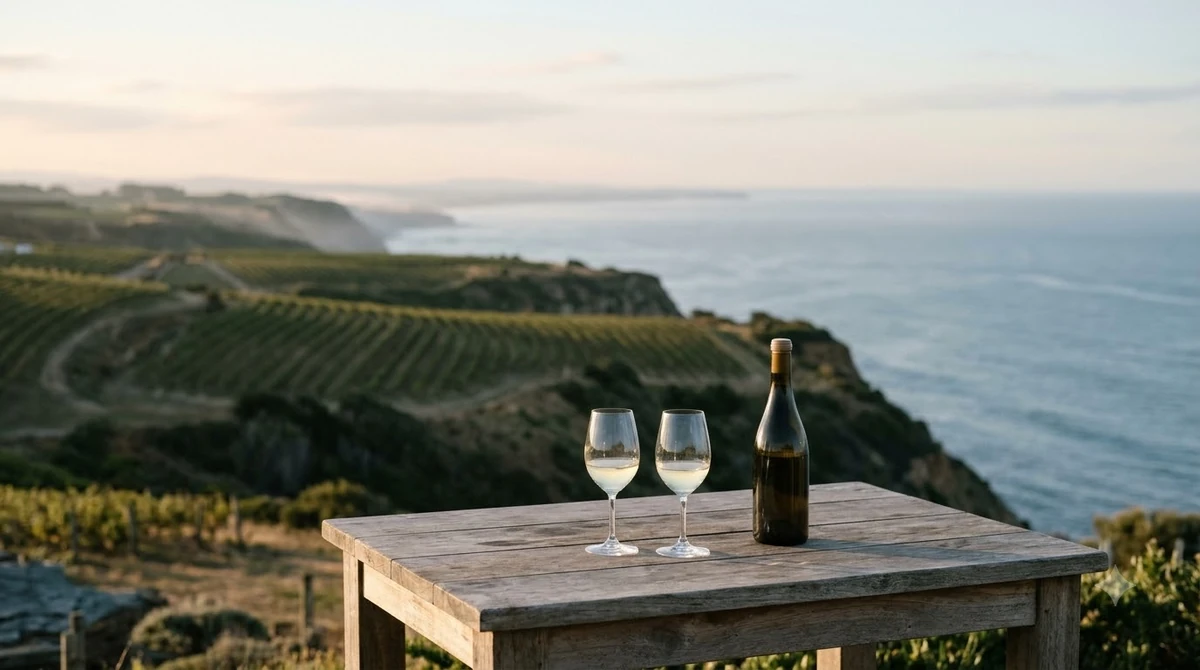
Origin is the single strongest predictor of flavor profile. Roughly 13,326 acres of Albariño grow in northwestern Spain’s Galicia region, while about 7,067 acres grow just across the Minho River in northern Portugal under the local name Alvarinho, according to Wine Folly. Smaller plantings in California’s San Luis Obispo Coast and Uruguay’s Maldonado department also produce clean coastal expressions, though Iberian bottles dominate the under-twenty-dollar shelf.
Alcohol by volume and fermentation vessel signal texture and body before the cork is pulled. Classic stainless-steel bottlings typically land between 11.5% and 13.5% ABV with tart malic acidity intact, because winemakers rarely put Albariño through malolactic fermentation. Bottles aged on spent yeast cells (lees) for four months or longer gain a subtle creamy layer that softens the grape’s natural citrus-pith edge.
| Buying Factor | Crisp & Saline Profile | Rounder & Fruitier Profile | What to Look For on the Label |
|---|---|---|---|
| Primary Region | Val do Salnés or O Rosal (Spain) | Condado do Tea (Spain) or Monção e Melgaço (Portugal) | D.O. Rías Baixas or Vinho Verde DOC subzone |
| Alcohol (ABV) | 11.5% – 12.5% ABV | 12.5% – 13.5% ABV | ABV percentage printed on front or back |
| Aging Vessel | 100% stainless steel tank | Stainless steel with 4+ months lees or neutral oak | “Sobre lías” or back-label lees notes |
| Vintage Age | 1 to 2 years from harvest | 2 to 4 years from harvest (lees-aged) | Most recent harvest year on neck or front |
| Core Flavors | Lime zest, green apple, wet granite, sea spray | White peach, apricot, honeydew, almond skin | Tasting notes mentioning citrus vs. stone fruit |
Tip: Flip the bottle over to check for the official numbered back-label seal from the Rías Baixas Consejo Regulador or Portugal’s Comissão de Viticultura da Região dos Vinhos Verdes. Both bodies require laboratory analysis and blind tasting approval before a winery can print the regional designation.
Step-by-Step: How to Pick the Best Albarino Under 20
Selecting a great bottle takes less than a minute when you follow a consistent label-reading routine from region down to vintage. Use these five steps at the wine shop to narrow down the shelf.
- Start with the regional designation. Reach first for bottles labeled D.O. Rías Baixas from Spain or Vinho Verde DOC from Portugal’s Monção e Melgaço sub-region. Both areas enforce strict grape minimums and yield caps that protect varietal character.
- Check the vintage year first. Pick the youngest vintage available on the shelf—ideally within one to two years of harvest. Freshness and primary fermentation aromas of lime blossom and nectarine fade quickly in standard stainless-steel bottlings.
- Verify the grape percentage. Look for 100% Albariño (or Alvarinho) when you want pure varietal intensity. While Rías Baixas rules allow blending with local grapes like Loureiro or Treixadura, single-varietal bottlings showcase the grape’s signature stone-fruit weight and salinity.
- Scan the back label for winemaking cues. Words like “sobre lías” (aged on the lees) indicate extra mid-palate creaminess, while pure stainless-steel fermentation promises sharper, racier acidity for raw shellfish.
- Inspect the closure and storage spot. Screw caps and technical corks preserve volatile aromatics reliably in young whites. Avoid bottles standing directly under bright warm store spotlights, which can dull delicate citrus notes.
Applying this checklist eliminates most disappointing purchases before you reach the register. If a store carries multiple options from the same vintage, choosing a subzone closer to the Atlantic coast yields leaner minerality, while inland river valleys offer riper peach and melon flavors.
Regional Styles Explained: Spain, Portugal, and Beyond
Although Albariño is one grape variety, coastal fog, river valleys, and granite soils create distinct regional styles across Spain, Portugal, and New World vineyards. Understanding these subzones helps match a bottle to your exact palate.
Rías Baixas Subzones in Northwest Spain
Albariño accounts for 85% of all vines planted in Rías Baixas and 95% of white grape acreage, with the coastal Val do Salnés subzone alone producing 67% of Spain’s Albariño, according to WineMaker Magazine. Val do Salnés sits right along the Atlantic estuaries, where cool ocean breezes and decomposed granite soils produce razor-clean wines marked by lime, green apple, and pronounced sea-salt minerality. South along the Portuguese border, O Rosal yields slightly softer, peach-driven whites, while inland Condado do Tea experiences warmer daytime temperatures that bring fuller stone-fruit and earthy notes, as detailed by the Rías Baixas regulatory council.
In the store, widely distributed Rías Baixas bottlings such as Pazo das Bruxas, Bodegas La Val Licia, Bodega Castro Martin A2O, Vionta, and Bodega Fillaboa demonstrate how varied this region can be within a modest budget, as noted by VinePair. Some lean bright and floral with grapefruit and honeysuckle, while others spend several months on the lees to build a rounder, lightly creamy finish.
Portugal’s Monção e Melgaço Alvarinho
Just across the Minho River in northern Portugal, the exact same grape is spelled Alvarinho. While entry-level Vinho Verde blends often sit between 8.5% and 11.5% ABV with a slight spritz, single-varietal Alvarinho from the inland Monção e Melgaço sub-region is bottled as a serious, dry still white. Surrounding hills shield these vineyards from the heaviest Atlantic storms, allowing grapes to ripen fully into generous flavors of ripe citrus, kiwi, white peach, and subtle hazelnut while maintaining vibrant granite-driven acidity, as highlighted by Wine Enthusiast critic Roger Voss for producers like Anselmo Mendes.
New World Coastal Expressions
Outside Iberia, cool maritime pockets in California and South America have embraced Albariño. California’s San Luis Obispo Coast—especially Edna Valley—channels Pacific fog and wind through coastal mountain gaps to retain green-apple snap and lively acidity. In Uruguay’s Maldonado region along the Atlantic coast, producers like Bodega Garzón craft crisp, citrus-and-saline bottlings that mirror Galicia’s maritime profile.
Food Pairing with Albariño
Albariño’s combination of high acidity, zero tannins, and subtle sea-spray salinity makes it one of the most versatile dinner whites on the table. Its brisk citrus profile cuts through fried textures and rich sauces while complementing delicate seafood without overpowering it.
Because acidic foods require a wine with equal or higher acidity to avoid tasting flat, Albariño pairs easily with lime-dressed ceviche, lemon-butter scallops, raw oysters, and grilled octopus. The grape’s naturally high titratable acidity—typically 7 to 10 grams per liter at harvest, according to WineMaker Magazine—acts like a squeeze of fresh citrus over steamed mussels or pan-seared sea bass. Unlike tannic red wines, which clash with oily fish and create a metallic aftertaste, Albariño leaves the palate clean after every bite of grilled mackerel or sardines.
Beyond seafood, Albariño handles salty cheeses, herb-driven salads, and mild chili heat with ease. Salt and fat soften sharp acidity, making sheep’s milk cheeses such as aged Manchego or Galician Tetilla natural companions. Moderate alcohol levels between 11.5% and 13.5% ABV also keep chili heat from feeling overly fiery in dishes like Thai green curry or ginger-garlic shrimp, whereas guests who prefer richer red meats at the same meal might reach for a bottle of best cabernet sauvignon under 20 instead.
Common Mistakes When Buying Albariño
Even experienced white-wine shoppers occasionally end up with a dull or unbalanced bottle by overlooking vintage age, serving temperature, or regional blending rules. Avoiding four frequent missteps keeps every purchase tasting fresh.
- Buying an outdated vintage from a slow-moving shelf. Most stainless-steel Albariño is crafted for immediate drinking within a year or two of harvest. Bottles sitting on retail shelves for several years without lees aging lose their vibrant nectarine and lime-blossom aromatics, leaving behind flat acidity.
- Confusing entry-level Vinho Verde blends with varietal Alvarinho. Generic Vinho Verde blends combine local grapes like Loureiro, Arinto, and Trajadura for a lighter, spritzy style. If you want full stone-fruit concentration and mid-palate weight, check the label for 100% Alvarinho or a Monção e Melgaço designation.
- Over-chilling the bottle straight from a freezer or ice bath. Serving white wine near freezing mutes delicate floral and peach notes while exaggerating raw-almond bitterness from the grape’s thick skins.
- Expecting sweet dessert flavors from fruity aroma notes. Tasting notes mentioning honeydew, apricot, and white peach describe ripe fruit aromas rather than residual sugar. Virtually all Rías Baixas Albariño is fermented completely dry; shoppers seeking genuine sweetness should explore a sweet red wine or late-harvest white instead.
Serving and Storage Tips for Albariño
Proper serving temperature and short-term storage protect the volatile citrus and floral esters that make Albariño so refreshing. Small adjustments in chilling time and glassware bring out far more aroma and texture.
Chill Albariño to roughly 45°F to 46°F before pouring—a target recommended by Master Sommelier Chris Gaither in Wine Enthusiast so citrus brightness shines without numbing the palate—or down to 38°F to 45°F as suggested by Wine Folly for extra-crisp styles. Chilling a bottle in a standard refrigerator before pouring into a tulip-shaped white wine glass concentrates its stone-fruit bouquet without needing any decanting.
For storage, keep unopened bottles lying on their side in a cool, dark spot away from direct sunlight and kitchen heat. While lees-aged bottles from top estates can develop honeyed complexity with additional cellar age, standard everyday releases taste best shortly after the vintage date. Once opened, re-cork the bottle tightly and store it upright in the refrigerator to preserve freshness for several days.
Frequently Asked Questions
Why does Albariño sometimes have a slight bitterness on the finish?
Albariño berries are unusually small with thick skins that contain higher levels of phenolic compounds than many other white varieties, according to Wine Folly. Those grape-skin phenolics create a pleasant, subtle pithiness reminiscent of grapefruit rind or raw almond on the finish, which helps the wine pair cleanly with rich or oily foods.
How are Albariño vines grown differently in Galicia compared to other regions?
In damp, rainy Galicia, growers traditionally train Albariño vines onto granite-post pergolas called parras that stand more than 6 feet tall, as noted by WineMaker Magazine. Raising the canopy off the ground allows Atlantic breezes to circulate freely beneath the leaves, drying morning moisture and preventing fungal rot in wet coastal weather.
Do winemakers use malolactic fermentation when making Albariño?
Winemakers rarely allow Albariño to undergo malolactic fermentation because converting sharp malic acid into softer lactic acid would dull the grape’s signature citrus snap and fresh aromatics. Preserving natural malic acidity keeps the wine lively even when grapes reach full sugar ripeness—around 20 to 21.5 °Brix at harvest, according to WineMaker Magazine.
Does Albariño ever contain blended grape varieties in Rías Baixas?
Yes, while bottles labeled simply as Albariño must contain 100% of the grape, Rías Baixas appellation rules permit regional blends combining Albariño with local white varieties such as Loureiro, Treixadura, and Caiño Blanco. Blends from subzones like O Rosal or Condado do Tea often gain extra floral perfume or softer acidity from these partner grapes.
What glass shape works best for serving Albariño at home?
A standard medium-bowled white wine glass with a slightly tapered rim works best because it directs crisp acidity toward the middle of the palate while capturing delicate nectarine and blossom aromas. Avoid oversized wide-bowled Chardonnay glasses, which let volatile coastal aromatics dissipate too quickly.
Finding an expressive, refreshing bottle of Albariño comes down to prioritizing cool coastal origins, recent vintages, and clean winemaking cues on the back label. Whether you reach for a razor-crisp Val do Salnés bottling for raw shellfish or a lees-aged Monção e Melgaço Alvarinho for roast chicken, this Iberian classic consistently punches well above its modest shelf space.
More in Wine Buying Guides
 Riesling Gift: Choose a Bottle They’ll LoveUpdated Nov 21, 2026
 Sweet Red Wine Gift: Choose a Bottle They’ll LoveUpdated Nov 21, 2026
 Malbec Gift: How to Choose a Memorable Bottle for Any OccasionUpdated Nov 21, 2026
 Sherry Gift Ideas That Match Every Wine LoverUpdated Nov 21, 2026
 Moscato Gift: How to Choose a Sweet Wine They’ll LoveUpdated Nov 21, 2026
 Merlot Gift: How to Choose a Bottle They’ll AppreciateUpdated Nov 21, 2026