

We may earn a commission when you buy through links on this page, at no extra cost to you. Learn more.
Alamos white wine is an Argentine white wine range best known for Chardonnay, offering ripe pear, citrus, tropical fruit and floral flavors with refreshing acidity. Produced from grapes grown in Argentina’s high-altitude vineyards, these wines combine approachable fruit character with a distinctive regional identity. Alamos Chardonnay is a versatile choice for seafood, poultry, creamy pasta and casual meals, while Torrontés offers a more aromatic alternative for drinkers who prefer floral white wines.
Argentina is widely associated with Malbec, but its white wines deserve attention too. Alamos provides an accessible introduction to the country’s white wine styles, particularly the Chardonnay produced from Mendoza grapes. Understanding its grape varieties, growing conditions, flavor profile and serving requirements makes it easier to select the right bottle for dinner, entertaining or an uncomplicated glass at home.
What Is Alamos White Wine?
Alamos white wine is part of an Argentine wine range featuring Chardonnay and Torrontés. Its Chardonnay comes from Mendoza, a major wine-producing province in western Argentina, while the brand also identifies Torrontés with the country’s northwestern Salta region. These varieties offer different expressions of Argentine white wine, from rounded fruit flavors to pronounced floral aromas.
The brand’s Chardonnay is made entirely from Chardonnay grapes, rather than a blend of several white varieties. According to the producer, the grapes originate in Valle de Uco and Luján de Cuyo, two recognized wine-growing areas within Mendoza. The combination of altitude, sunlight and cooler nighttime temperatures helps explain the wine’s balance between ripe fruit character and freshness.
Alamos also emphasizes its connection to high-altitude vineyards. Its published winemaking information describes vineyards at approximately 3,000 to 5,000 feet above sea level, along the foothills of the Andes. At these elevations, strong sunlight encourages grape development, while cooler conditions help preserve freshness and aromatic character.
The brand’s winemaking operation is located in Vista Flores, Mendoza. Alamos describes its vineyards as sustainably farmed and its approach as involving careful grape selection, moderate oak aging and winemaking techniques designed to preserve the character of individual grape lots.
For American wine drinkers, the simplest distinction is that Alamos Chardonnay offers a familiar international grape variety with an Argentine growing-region identity. Torrontés, meanwhile, provides a more distinctly Argentine aromatic experience. Both belong to the broader category of Wine Brands worth understanding beyond their most recognizable red wine labels.
Alamos Chardonnay Flavor and Tasting Notes
Alamos Chardonnay generally presents ripe orchard fruit, tropical fruit, citrus and subtle spice, with a fuller texture than many very light-bodied white wines. Its combination of fruit concentration and acidity makes it approachable without requiring complicated food pairings.
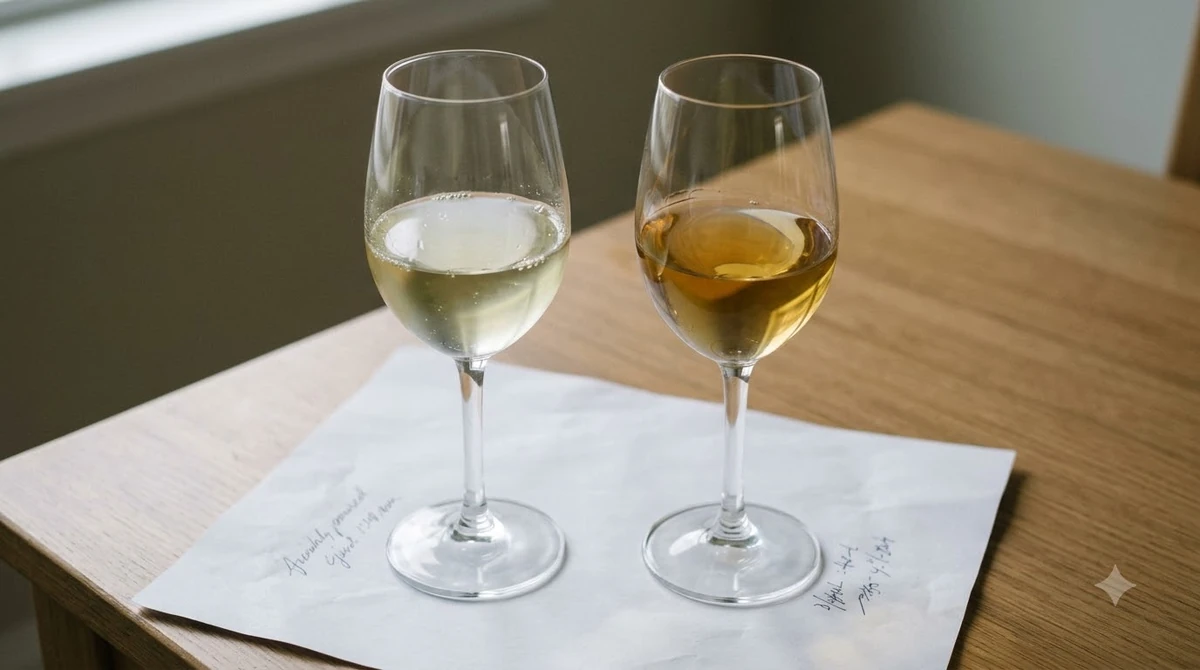
The producer describes the Chardonnay as gold-yellow with greenish highlights. Aromatically, the wine features tropical fruit, citrus and floral notes. On the palate, the stated flavor profile includes pear and fig, accompanied by soft vanilla and sweet spice characteristics.
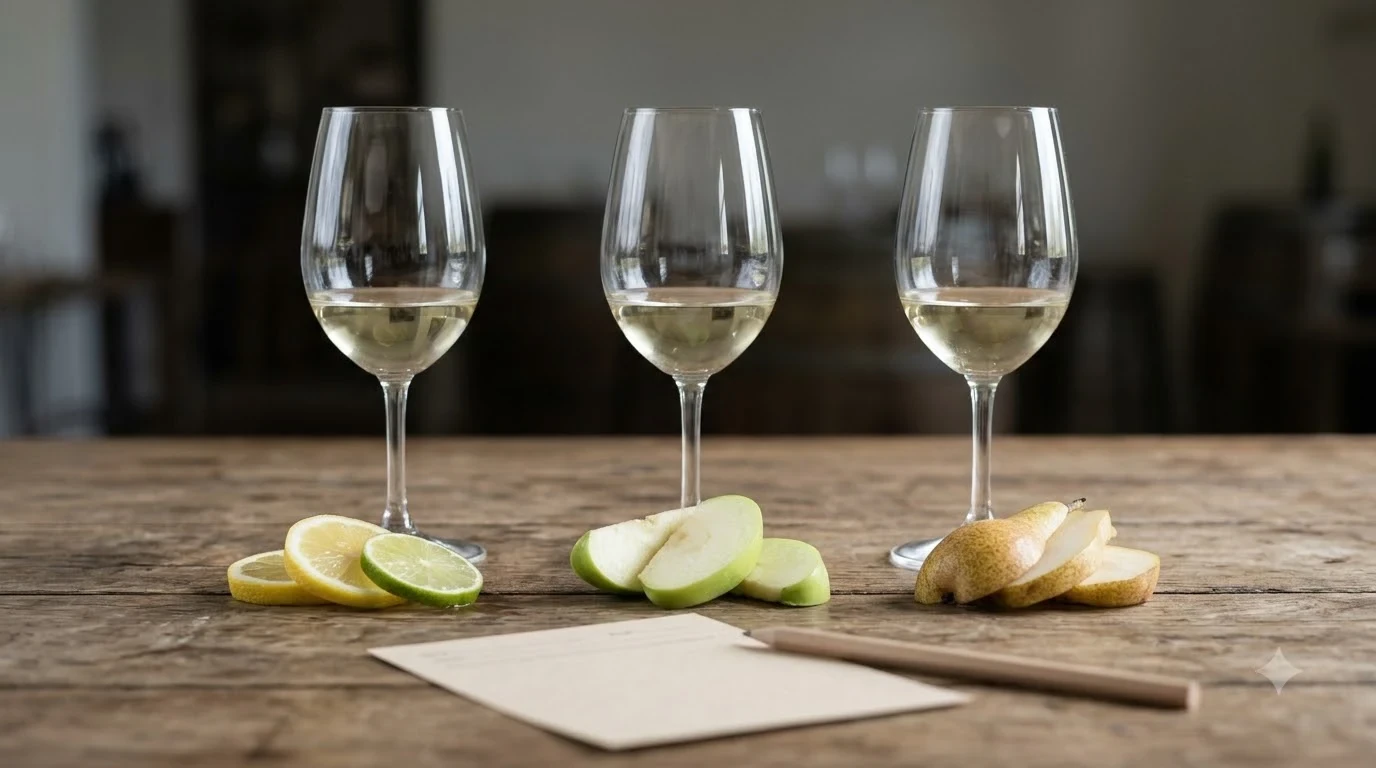
These flavors provide a useful starting point when tasting the wine. Pear and apple belong to the orchard-fruit category, while pineapple and other tropical notes can contribute a riper impression. Vanilla and sweet spice add another dimension, particularly when oak influence is noticeable.
Appearance and aroma
Begin by examining the wine in a clear glass against a white background. A pale gold or straw-yellow appearance is typical of Chardonnay, although the precise shade can change with the vintage and winemaking approach. Greenish reflections can also appear in younger white wines.
Next, smell the wine before taking a sip. Look for citrus peel, ripe pear, apple, tropical fruit and floral suggestions. If vanilla or sweet spice becomes noticeable, consider how those aromas interact with the fruit rather than treating them as separate characteristics.
Texture, acidity and finish
Chardonnay is naturally capable of producing wines with a range of textures. Some examples are lean and citrus-driven, while others have a fuller, rounder mouthfeel. Alamos describes its Chardonnay through concentrated fruit flavors and soft spice, suggesting a style that can appeal to drinkers who prefer more substance than an extremely crisp white wine.
Acidity is important because it keeps ripe fruit flavors from seeming heavy. A wine can taste round and generous while still maintaining enough freshness to accompany food. Its finish may emphasize citrus, orchard fruit or subtle spice depending on the bottle and vintage.
Wine Enthusiast’s historical review of Alamos 2001 Chardonnay identified lemon, citrus, pear and toasted oak, along with a spicy finish. That review describes a particular older vintage, not a guarantee that every current bottle will taste identical. It nevertheless illustrates how fruit and oak have featured in the wine’s recorded tasting history.
For a more structured comparison with the brand’s better-known red wine, see these Alamos Malbec tasting notes. Chardonnay and Malbec share an Argentine origin, but their grape characteristics, textures and food applications are quite different.
Grape Varieties and Argentine Growing Regions
Alamos Chardonnay and Torrontés offer two different ways to explore Argentine white wine. Chardonnay is associated with Mendoza, while Torrontés is particularly connected with Salta and the northwestern part of the country.
Chardonnay from Mendoza
Chardonnay is one of the world’s most widely planted white grapes because it adapts to a variety of climates and winemaking styles. In Mendoza, high-altitude vineyards provide a distinctive setting for its development.
Alamos identifies Valle de Uco and Luján de Cuyo as the origins of its Chardonnay grapes. Both are within Mendoza, where vineyards benefit from proximity to the Andes and irrigation supplied by mountain water. The region’s dry conditions and considerable sunlight help shape the ripeness and concentration of the fruit.
The producer’s technical information describes fermentation in stainless-steel tanks over 15–18 days at approximately 15–18°C. This corresponds to about 59–64°F. It also specifies 18–20 days of maceration and 65% partial malolactic fermentation. More details about the grape origins and winemaking process appear in the producer’s Alamos Chardonnay description and technical information.
Malolactic fermentation converts sharper malic acid into softer lactic acid. When used partially rather than throughout a wine, it can influence texture while retaining some of the grape’s original freshness. This helps explain why Chardonnay can combine a rounded mouthfeel with a lively finish.
Torrontés from Salta
Torrontés is an aromatic white grape closely associated with Argentina. Salta, particularly the Cafayate area, is one of its best-known growing locations. The vineyards in this part of the country can reach elevations of approximately 5,000–6,000 feet.
Alamos describes its Torrontés as having bright floral aromas, citrus and white-fruit flavors, and a crisp finish. This is a different aromatic profile from the pear, fig, vanilla and sweet-spice emphasis associated with the brand’s Chardonnay.
Torrontés is especially useful for people who enjoy expressive aromas. Its floral character can make it seem more perfumed than Chardonnay, while citrus and acidity help keep the wine refreshing. It can work particularly well with herbs, seafood and dishes featuring aromatic seasonings.
Comparing the white wine styles
The following table summarizes the main differences between the two styles. The alcohol figure for Chardonnay is taken from the producer’s published technical information; exact details can differ between vintages and markets.
| Characteristic | Alamos Chardonnay | Alamos Torrontés |
|---|---|---|
| Primary grape | 100% Chardonnay | Torrontés |
| Origin | Mendoza, Argentina | Salta, Argentina |
| Typical aromas | Pear, citrus, tropical fruit | Floral, citrus, white fruit |
| Additional flavor notes | Fig, vanilla, sweet spice | Fresh citrus and white fruit |
| Texture | Medium-bodied to fuller | Generally lighter and aromatic |
| Acidity | Medium | Fresh and crisp |
| Published Chardonnay alcohol | 13.5% | Varies by bottling |
| Suggested serving temperature | 50–55°F | 45–50°F |
These comparisons are useful when choosing between the two varieties. Chardonnay is generally the better starting point for someone who enjoys pear, apple, tropical fruit and a rounded texture. Torrontés is a natural alternative for someone who prefers aromatic wines with floral notes and a crisp finish.
Alcohol Content, Sweetness and Wine Structure
Alamos Chardonnay is generally a dry white wine with moderate acidity and a noticeable but balanced alcohol presence. The producer’s published technical information lists 13.5% alcohol, although other market listings and vintages can show slightly different figures.
For example, the SAQ lists an Alamos Chardonnay containing 13% alcohol and 2.2 grams of sugar per liter. That listing describes a specific product and should not be treated as a universal specification for every bottle. The producer’s technical information gives 13.5% for its published Chardonnay profile.
Understanding alcohol percentage
Alcohol by volume, usually written as ABV, measures the percentage of a wine’s volume made up of alcohol. A wine containing 13.5% ABV has 13.5% alcohol by volume.
In practical terms, Alamos Chardonnay sits within a familiar range for many full-flavored still white wines. Alcohol can contribute to the sensation of body and warmth, while acidity helps balance the impression of ripe fruit and texture.
Serving temperature also influences how alcohol is perceived. A white wine served too warm can seem heavier and more alcoholic, while excessive chilling can suppress aromas and make the fruit less expressive.
Is Alamos Chardonnay sweet or dry?
Alamos Chardonnay is best approached as a dry white wine rather than a dessert wine. Ripe pear, fig, tropical fruit and vanilla can create an impression of sweetness, but fruity aromas do not automatically mean that a wine contains substantial residual sugar.
This distinction is important for people choosing wine according to taste preferences. A dry Chardonnay can smell like ripe pineapple or pear while still tasting predominantly dry. Oak-derived vanilla and sweet spice aromas can also contribute to an impression of richness without making the wine sweet.
The SAQ’s listing of 2.2 grams of sugar per liter provides a concrete example of a dry Alamos Chardonnay bottling. However, sweetness and acidity can vary slightly between individual releases.
How the structure affects food pairing
Chardonnay’s medium acidity and fuller texture make it adaptable to dishes with moderate richness. Its fruit character can complement roasted chicken, seafood, creamy pasta and vegetables prepared with butter or olive oil.
Its structure also makes it more versatile than a very delicate white wine. A glass can accompany a meal without being overwhelmed by moderate seasoning, while its acidity helps refresh the palate between bites.
People who prefer a more aromatic and lighter style may find Torrontés more suitable. Its floral and citrus character provides a different experience, especially with herbs, fresh vegetables and lightly seasoned seafood.
Best Food Pairings for Alamos White Wine
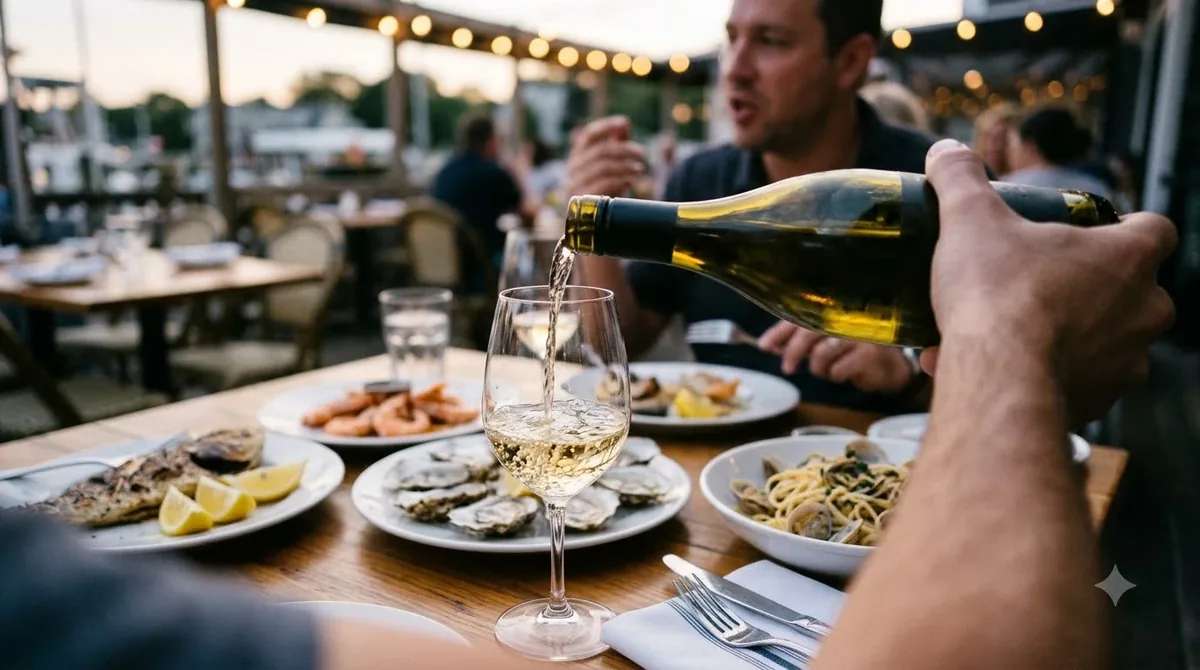
Alamos Chardonnay works particularly well with seafood, poultry, mushrooms and creamy dishes. Its pear and citrus flavors complement mild ingredients, while its rounded texture can match foods with butter, cream or moderate richness.
Seafood is one of the easiest places to start. Poached salmon with herb sauce, for example, is a suggested pairing on the SAQ’s Alamos Chardonnay product page. The fish’s richness works with Chardonnay’s body, while the herbs and sauce provide aromatic details that connect with the wine’s citrus and floral notes.
Seafood and fish
Try Alamos Chardonnay with grilled shrimp, baked cod, poached salmon or scallops served with lemon butter. The wine’s acidity provides freshness, and its orchard-fruit flavors can complement the naturally mild sweetness of seafood.
For a lighter meal, serve the wine with white fish, fresh herbs and a simple citrus dressing. Avoid pairing heavily tannic red wines with oily fish, since the combination can create an unpleasant metallic impression. Chardonnay is a more suitable choice for these preparations.
Chicken and turkey
Roast chicken is a reliable match for Chardonnay. The browned skin, tender meat and moderate richness of the dish complement the wine’s fruit and texture. Chicken with lemon, thyme or rosemary can provide additional aromatic connections.
Turkey breast, chicken Alfredo and chicken served with mushroom sauce are also good options. The wine’s moderate acidity can cut through some of the richness without overpowering the meat.
Pasta, mushrooms and creamy sauces
Creamy pasta is another strong pairing. Fettuccine Alfredo, mushroom risotto and penne with wild mushrooms can all work well with a fuller Chardonnay. Mushroom flavors add savory depth, while cream and butter provide a texture that complements the wine.
For tomato-based pasta, choose preparations with moderate acidity and avoid extremely sharp sauces that overwhelm the wine. A creamy mushroom sauce or a light garlic-and-olive-oil preparation will generally be easier to match.
Cheese and appetizers
Soft cheeses such as Brie and Camembert can accompany Chardonnay, particularly when served with plain crackers, fresh pear or lightly toasted bread. Young Gouda and mild cheddar are other practical options.
For appetizers, consider crab cakes, baked mushrooms, shrimp skewers or savory pastry filled with seafood. The wine’s fruit character and moderate acidity can handle these dishes without requiring strong seasoning.
Pairing Torrontés with food
Alamos Torrontés is a useful alternative when the meal emphasizes fragrance, herbs or fresh ingredients. Its floral aromas and citrus notes make it particularly suitable for dishes that might overpower a softer or more neutral white wine.
Try it with grilled shrimp, ceviche, herb-seasoned fish, fresh salads and lightly spiced chicken. Its aromatic qualities can complement cilantro, parsley, mint and citrus-based dressings.
For dishes containing chili, pay attention to the level of heat. Alcohol can amplify the sensation of chili spice, so very hot preparations may make a wine feel harsher. Moderately seasoned food is usually a safer match than extremely spicy dishes.
Tip: Match the wine’s body to the richness of the meal. Choose Alamos Chardonnay for buttery salmon, roast chicken or creamy mushroom pasta, and consider Torrontés for citrus-dressed seafood, fresh herbs and lighter dishes. If a sauce is particularly acidic, select a wine with enough acidity to match it.
For readers comparing Argentine red wines with these white wine pairings, the Alamos Malbec food pairing guide explains how the brand’s red wine works with grilled meat, savory dishes and other foods that generally call for more tannin and structure.
Serving Temperature, Storage and Drinking Tips
Serve Alamos Chardonnay chilled but not ice-cold, ideally at 50–55°F. This temperature range helps retain freshness while allowing the wine’s pear, citrus, tropical fruit and vanilla aromas to develop.
For Torrontés, a slightly colder serving temperature of 45–50°F is a practical starting point. Its floral aromas and crisp character can be particularly refreshing when served cool.
How to chill Alamos Chardonnay
If the bottle is at room temperature, refrigerate it for approximately 2–3 hours before serving. For faster chilling, place the bottle in an ice bucket filled with ice and water for around 20–30 minutes, checking periodically to avoid overcooling.
A wine thermometer can help maintain a consistent serving temperature, although it is not essential. If the wine becomes too cold, allow it to sit in the glass for a few minutes before assessing its aromas and texture.
Choosing the right glass
A standard white wine glass with a moderately sized bowl is appropriate for Chardonnay. The bowl provides room for aromas to collect, while the narrower opening helps direct them toward the nose.
For Torrontés, a conventional aromatic white wine glass is also suitable. There is no need to purchase specialized glassware to enjoy either variety.
Pour size and bottle yield
A standard 750 ml bottle contains approximately five traditional 5-ounce glasses of wine. For a dinner involving four adults, one bottle provides about one glass per person, while two bottles allow for more generous servings.
Smaller pours can be useful when serving several wines during a meal. A 3-ounce pour allows guests to compare Chardonnay and Torrontés without committing to a full serving of each.
Storing an opened bottle
After opening, reseal the bottle with its original closure or a suitable wine stopper and place it in the refrigerator. Even Chardonnay that is normally served at a warmer temperature should be refrigerated after opening to slow oxidation.
Most opened still white wines remain enjoyable for approximately 3–5 days when properly refrigerated. Their aromas and flavors gradually become less vibrant as they are exposed to oxygen, so earlier consumption generally provides the best experience.
For an unopened bottle, choose a cool, dark storage location with a relatively stable temperature. Around 55°F is a useful storage target. Bottles sealed with natural cork should generally be stored on their sides to keep the cork from drying out.
Alamos Chardonnay is generally best approached as an approachable white wine for relatively early drinking rather than a bottle that requires years of cellar aging. Proper storage nevertheless helps preserve its freshness until it is opened.
Frequently Asked Questions
Is Alamos white wine made in Argentina?
Yes. Alamos is an Argentine wine brand, and its Chardonnay comes from Mendoza. The brand also identifies Torrontés with Salta, a province in northwestern Argentina. These regions represent different climates and growing conditions within the country’s wine industry.
Does Alamos make white wine besides Chardonnay?
Yes. The producer’s wine portfolio also lists Torrontés. Its aromatic character differs from Chardonnay, with a stronger emphasis on floral aromas and fresh citrus. The range of wines offered can vary between markets and distributors.
What does 65% partial malolactic fermentation mean?
Malolactic fermentation is a secondary conversion in which malic acid becomes lactic acid through bacterial activity. It can soften a wine’s acidity and contribute to a rounder mouthfeel. A 65% partial figure means the process applies to part rather than all of the wine in the producer’s stated winemaking description.
What is the pH of Alamos Chardonnay?
The producer’s published technical information lists a pH of 3.32 for its Alamos Chardonnay. Wine pH is a measurement of acidity strength rather than a direct measurement of total acidity. Lower pH generally corresponds to greater perceived freshness and microbial stability, although the overall taste also depends on other components.
Who makes Alamos white wine?
Alamos identifies Lucía Vaieretti as its head winemaker. Her professional background includes viticulture and enology studies at Don Bosco in Argentina. The producer’s information also describes the winery as being located in Vista Flores, Mendoza.
Alamos white wine offers a straightforward way to explore Argentine Chardonnay and Torrontés without overlooking the differences between the two grapes. Choose Chardonnay for ripe orchard fruit, a rounded texture and versatile dinner pairings, or Torrontés for floral aromas and a crisper style. Serve either wine at an appropriate temperature and pair it with food that complements its acidity, body and aromatic character.
More in Wine Brands
 Underwood Wine Price: Compare Bottles, Cans, and Pack SizesUpdated Nov 21, 2026
 Zenato Wine Price: Compare Styles and Choose the Right BottleUpdated Nov 21, 2026
 Zuccardi Wine Price: Compare Bottles and Find the Right RangeUpdated Nov 21, 2026
 Yellow Tail Moscato Review: Taste, Sweetness and Serving TipsUpdated Nov 21, 2026
 Wolf Blass Yellow Label Review: Choose Your Best StyleUpdated Nov 21, 2026
 Wolffer Estate Rose Review: Choose the Right Bottle for Your TableUpdated Nov 21, 2026