

We may earn a commission when you buy through links on this page, at no extra cost to you. Learn more.
The alamos malbec price typically falls between $9 and $14 for a 750 ml bottle in the United States, depending on the retailer, location, and vintage. This puts Alamos Malbec in the accessible everyday red wine category, with dark berry fruit, soft tannins, and a medium-bodied style. Comparing a few established retailers before purchasing helps identify a reasonable price without confusing temporary local pricing with the wine’s usual retail range.
Alamos Malbec is an Argentine red wine from Mendoza that appeals to shoppers looking for an approachable bottle for weeknight dinners, casual gatherings, and everyday meals. Its combination of blackberry, plum, dark cherry, and gentle spice makes it versatile enough for several familiar dishes. Understanding the normal retail range, bottle size, wine style, and storage requirements makes it easier to decide whether a particular listing represents reasonable value.
Who This Price Guide Is For
This guide is for shoppers who want to know whether a retailer is charging a reasonable amount for Alamos Malbec before purchasing. A typical 750 ml bottle costs about $9 to $14 at US retailers, making it a practical option for buyers who want an Argentine Malbec without moving into premium-priced wine categories.
First-time Malbec buyers can use the price range as a starting point when comparing bottles. Alamos offers a fruit-forward interpretation of Mendoza Malbec, with black cherry, blackberry, and plum characteristics rather than an especially austere or aggressively tannic profile. Retailer descriptions also identify chocolate, vanilla, and spice notes that contribute to its accessible style.
The wine is particularly relevant to shoppers who regularly purchase red wine for home dinners. Its medium-bodied character and soft tannins make it a reasonable match for burgers, grilled chicken, roasted vegetables, and beef dishes. It also works for people who want a recognizable Argentine wine to bring to an informal dinner without spending heavily on a special-occasion bottle.
Budget-conscious shoppers should distinguish between the price of one bottle and the price of buying several bottles. Some retailers advertise multi-bottle pricing, while others show their standard individual-bottle listing. The lowest displayed figure may depend on a quantity requirement, store membership, or local availability, so the individual bottle price is the most useful starting point for comparison.
This guide is also useful for people comparing Alamos with other labels in the broader Wine Brands category. Different producers can offer similar fruit-forward Malbec styles, but their prices, grape compositions, and oak treatments may vary. The goal is not simply to find the lowest number on a shelf; it is to understand what the bottle offers at its usual retail level.
Shoppers who already know they enjoy this particular wine can also consult the Alamos Malbec overview for more information about its characteristics. That context helps determine whether a bottle’s price matches the style being sought.
Key Factors to Compare Before Paying
The most useful price comparison starts with bottle size and the actual individual-bottle cost. A standard 750 ml bottle is the main reference point for Alamos Malbec, and comparing the same size across retailers makes differences easier to understand.
US retail listings provide a practical picture of the market. Total Wine and H-E-B both list Alamos Malbec in a 750 ml format, while their displayed prices illustrate how store location and retail policies can affect what shoppers pay. Total Wine also specifically warns that price, vintage, and availability may vary by store.
| Comparison factor | Typical reference | Why it matters |
|---|---|---|
| Standard bottle | 750 ml | Provides a consistent comparison size |
| Typical US retail range | $9–$14 | Helps identify an ordinary shelf price |
| Approximate servings | 5 glasses | Based on 5 oz pours |
| Approximate bottle volume | 25.4 US fl oz | Useful when comparing unit pricing |
| Published alcohol level | 13.5% ABV | Provides a reference for the wine’s strength |
| Published grape composition | 85% Malbec, 10% Bonarda, 5% Syrah | Shows that the wine is a blend |
| Published oak aging | 6–8 months | Provides context for its oak-related characteristics |
For a concrete US retail comparison, Total Wine’s listing provides a reference around $11 to $12 for a 750 ml bottle, while H-E-B’s listing provides another reference around $9 to $10. These examples support a practical typical retail range of about $9 to $14, rather than suggesting that every store should charge the same amount. Prices vary by state and retailer, and local taxes, distribution costs, inventory, and delivery arrangements can change the final amount.
Both retailer pages are useful because they identify the actual product and standard bottle size. Read the Total Wine Alamos Malbec listing and compare its product information with the H-E-B listing before making a decision. A listed price is a retailer-specific reference, not a guaranteed nationwide price.
Vintage is another consideration. Wine retailers may carry different vintages at different times, and the wine’s availability can change as inventory moves. A price difference does not automatically indicate a meaningful difference in quality. Compare the bottle size, vintage, and retailer details before deciding that one listing is unusually expensive.
Finally, consider whether the advertised price is conditional. A retailer may display a multi-bottle price that applies only when purchasing six bottles, for example. Someone buying one bottle should compare the ordinary single-bottle figure instead of assuming that the lower quantity price applies to an individual purchase.
Step-by-Step: How to Find a Reasonable Bottle Price
A straightforward comparison process helps shoppers avoid overpaying for a familiar supermarket or wine-store bottle. Start with the standard 750 ml format, check at least two retailers, and compare the final individual-bottle cost rather than relying on promotional headlines.
-
Identify the correct wine.
Search for Alamos Malbec rather than simply searching for Argentine Malbec. Alamos also produces other wine styles, and a similarly named Cabernet Sauvignon or red blend is not the same product. Confirm that the listing identifies Malbec as the wine being purchased.
-
Confirm the bottle size.
Use 750 ml as the standard reference. A different bottle volume should not be compared directly with a standard bottle without accounting for the difference. The 750 ml format contains approximately 25.4 US fluid ounces.
-
Check two or three retailers.
Compare a national wine retailer with a supermarket or regional grocery store. Total Wine and H-E-B provide examples of two different retail channels. Their listings can help establish whether a local price is broadly consistent with the typical US range.
-
Separate standard pricing from quantity pricing.
Read the conditions attached to any multi-bottle offer. A displayed per-bottle figure may require a purchase of several bottles. Calculate the total amount due and divide by the number of bottles to understand the effective individual cost.
-
Check the final checkout amount.
Account for applicable taxes, delivery charges, and pickup arrangements. A lower shelf price may not result in a lower final purchase cost if delivery fees or other charges apply.
-
Compare the vintage and availability.
Look at the vintage information when retailers provide it. Inventory can differ between stores, and an older or newer listing should not automatically be treated as identical in every respect. Avoid assuming that a higher price necessarily indicates a superior bottle.
-
Make the purchase based on your intended use.
If the bottle is for a casual dinner, an ordinary retail price within the expected range is a sensible reference. For a larger gathering, compare the total cost of several bottles and consider whether a different bottle size or wine style better suits the occasion.
The process is deliberately simple because Alamos Malbec is an accessible retail wine rather than a collectible bottle requiring extensive provenance research. Consistent comparisons of size, vintage, and individual-bottle cost are usually more useful than searching for an unusually low advertised figure.
Tip: Use the 750 ml single-bottle price as your baseline. If a retailer advertises a lower per-bottle figure for a six-bottle purchase, calculate the total checkout amount before deciding that it represents better value.
Types and Styles Explained: What Are You Paying For?
Alamos Malbec is not simply a generic single-grape red wine. Its published technical information describes a blend containing 85% Malbec, 10% Bonarda, and 5% Syrah, with six to eight months of French oak aging. These production details help explain the wine’s fruit concentration, spice, and rounded character.
The dominant Malbec component gives the wine its recognizable dark-fruit profile. Blackberries, black cherries, and plums are common reference flavors in retailer descriptions. These fruit characteristics make the wine relatively straightforward to understand for shoppers who enjoy fuller-flavored reds but do not necessarily want an extremely tannic style.
The additional Bonarda and Syrah components contribute to the overall blend rather than making the wine a pure varietal Malbec. The exact sensory effect of each grape cannot be isolated from the finished wine simply by reading the blend percentages. However, the published composition is useful because it shows buyers what they are purchasing and distinguishes this bottling from a wine made entirely from Malbec.
Fruit and oak characteristics
The producer’s published winemaking notes describe cold soaking for three days before fermentation, followed by fermentation in upright conical tanks for one week at 85°F. The process also includes malolactic fermentation and aging in French oak barrels. The specified barrels have a capacity of 225 liters and receive a medium toast.
That oak treatment helps provide context for the chocolate, vanilla, toast, and spice characteristics mentioned in retailer descriptions. Total Wine identifies black cherry, cassis, black raspberry, chocolate, and sweet spice, while H-E-B describes plum, blackberry, dark cherry, brown spice, and vanilla.
These descriptions should be treated as typical tasting references rather than a guarantee that every drinker will identify precisely the same aromas. Serving temperature, glass shape, bottle condition, and individual perception can influence the way the wine seems to smell and taste.
Body, tannin, and acidity
H-E-B describes Alamos Malbec as medium-bodied, with soft tannins and a smooth finish. Total Wine emphasizes its full and rich mouthfeel. These descriptions are not necessarily contradictory: body and perceived richness are related but separate characteristics, and individual tasting impressions can differ.
For buyers who prefer gentle rather than aggressively drying tannins, the softer profile is relevant. Malbec generally offers more tannin than many light-bodied red wines, but its typical character can remain approachable alongside grilled meats and moderately rich dishes.
The published technical information also lists an acidity figure of 5.22 and a pH of 3.75. These are production measurements, not retail quality scores. They offer technical context but should not be interpreted as a direct prediction of how acidic the finished wine will seem to every drinker.
The price therefore reflects more than the grape name on the label. Buyers are paying for an Argentine Mendoza blend with a documented production process, oak aging, and a recognizable fruit-forward profile. Whether that represents good value depends on personal preference and the price available at the local retailer.
Common Mistakes When Comparing Alamos Malbec Prices
The biggest pricing mistakes involve comparing different bottle sizes, overlooking purchase conditions, and assuming that all retailer listings represent the same final cost. A little attention to the product description can prevent misleading comparisons.
One common mistake is treating every displayed price as the price of one bottle. Retailers sometimes advertise a per-bottle figure that requires purchasing six bottles or another specified quantity. A shopper buying only one bottle may have to pay the standard individual price instead.
Another mistake is comparing 750 ml bottles with larger formats without adjusting for volume. A larger bottle can cost more in total while offering a lower cost per fluid ounce. Conversely, a smaller bottle can look inexpensive even though its unit price is higher. Always use a consistent bottle size when comparing the ordinary retail range.
Shoppers can also mistake a temporary listing price for a permanent market value. A retailer’s inventory, regional pricing, and local distribution arrangements may change. Total Wine explicitly notes that price, vintage, and availability vary by store, while H-E-B distinguishes between in-store, curbside, and delivery pricing.
Another error is assuming that an expensive listing must contain a better wine. Alamos Malbec is an established, approachable retail wine, and a higher local price can reflect distribution costs, store location, or other retail factors rather than a meaningful improvement in the wine itself.
Confusing the grape composition is another avoidable problem. Alamos Malbec’s published blend is 85% Malbec, 10% Bonarda, and 5% Syrah. Buyers expecting a wine made exclusively from Malbec should understand that this particular bottling is a blend.
Finally, do not confuse price with suitability. A bottle that falls within the expected retail range may still be the wrong choice for someone who prefers delicate Pinot Noir or crisp white wine. A good purchase is one that matches both the budget and the intended drinking occasion.
It is also useful to distinguish between a product description and an independent assessment. Retailer descriptions explain the expected characteristics, but they are not a promise that every vintage or bottle will deliver an identical experience. Consider the stated origin, blend, and production details alongside the price rather than relying on one tasting adjective.
Care, Serving, and Storage Tips
Proper storage and serving help preserve the wine’s intended character after purchase. Alamos Malbec is best treated as an everyday still red wine, with cool storage, moderate serving temperature, and sensible handling after opening.
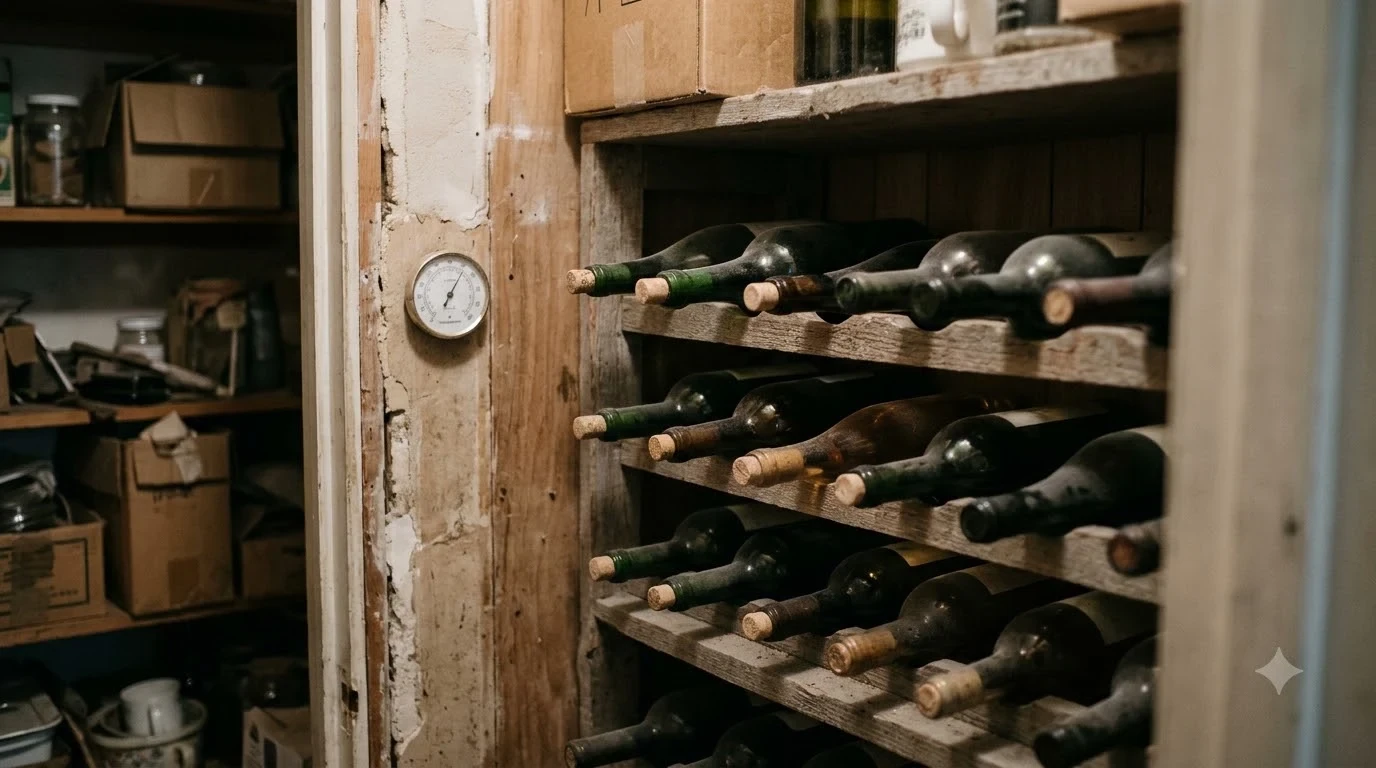
Store unopened bottles in a cool, dark location away from direct sunlight and large temperature changes. A storage temperature near 55°F is a useful reference for wine, and bottles with natural cork closures are generally stored on their sides to keep the cork from drying out. Avoid keeping wine next to ovens, radiators, or other heat sources.
Serving temperature matters because very warm red wine can seem heavier and more alcoholic, while excessively cold red wine can feel less expressive. For a medium-bodied Malbec, approximately 60°F to 65°F is a useful serving range. If the room is warm, a brief period in the refrigerator can bring the wine closer to the desired temperature.
Use a standard wine glass with enough space to swirl the wine without spilling. A typical pour is approximately 5 ounces, meaning a 750 ml bottle provides about five standard glasses. Smaller pours can be useful at a dinner where several wines are being served.
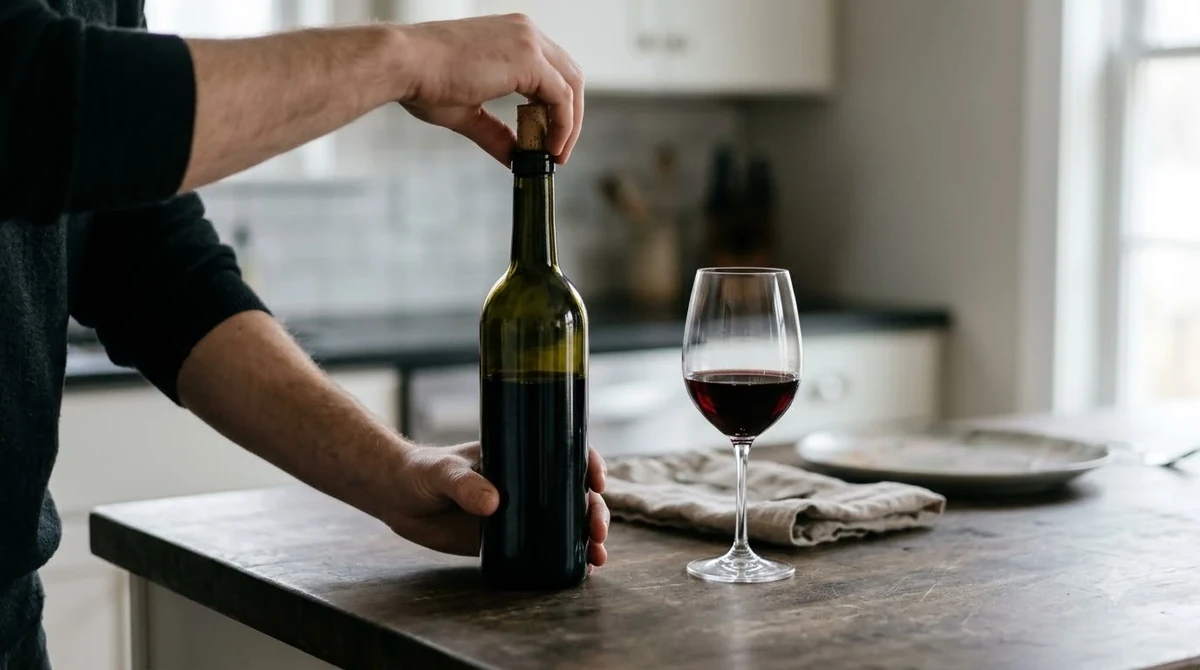
Decanting is optional for an everyday bottle like Alamos Malbec. Young, full-bodied red wines can benefit from approximately 30 to 60 minutes of aeration, although this is not a strict requirement. Opening the bottle shortly before dinner and allowing it to breathe in the glass is often sufficient for a casual meal.
Food pairing considerations
Alamos Malbec’s dark-fruit profile and relatively soft tannins make it a natural partner for beef, grilled chicken, and hearty dishes. H-E-B specifically identifies ribeye steak, grilled chicken, and broccoli as suitable pairings. Other practical choices include hamburgers, roasted pork, mushroom dishes, and tomato-based pasta.
Salt and fat can soften the perception of tannin, which explains why a moderately tannic red wine can work well with a juicy steak or a rich burger. For a particularly fatty cut of beef, the wine’s fruit and structure provide a useful contrast.
Tomato-based dishes require a little more attention to acidity. Foods with noticeable acidity generally pair better with wines offering equal or higher acidity. A tomato sauce with grilled vegetables or beef can work better than a very sweet sauce that makes the wine seem comparatively sharp.
For more meal-specific suggestions, see the Alamos Malbec food pairing guide. It can help match the wine with different preparations of meat, pasta, and vegetables.
After opening
Once opened, recork the bottle and keep it refrigerated. Most opened still wines retain reasonable drinking quality for approximately three to five days, although the fruit aromas and freshness gradually change as oxygen affects the wine.
Keeping the bottle cool slows this process. Allow the wine to approach its preferred serving temperature before pouring another glass. A vacuum stopper or suitable wine preservation system may also help limit oxygen exposure, although no preservation method completely stops wine from changing after opening.
For shoppers interested in understanding the relationship between alcohol strength and serving size, the Alamos Malbec alcohol content guide provides additional information. The published technical information identifies an alcohol level of 13.5%, which is useful context when comparing the bottle with other red wines.
Frequently Asked Questions
Is Alamos Malbec considered a single-varietal wine?
No. Its published composition is 85% Malbec, 10% Bonarda, and 5% Syrah. This makes it a Malbec-led blend rather than a wine made entirely from one grape variety.
Where does Alamos Malbec get its grapes?
The producer identifies Mendoza, Argentina, as the wine’s growing region and describes vineyards near the Andes foothills. Its published description highlights elevations of approximately 3,000 to 5,000 feet and irrigation supplied by mountain snowmelt.
Does Alamos Malbec contain residual sugar?
The technical information published on the producer’s wine page gives acidity and pH figures but does not provide a residual-sugar measurement. Retailer descriptions characterize the wine as a dry-style red with concentrated fruit flavors, which should not be confused with actual sweetness from added or residual sugar.
Does Alamos Malbec need to be decanted?
Decanting is optional rather than essential for this approachable red wine. A short period of exposure to air can help a young bottle become more expressive, but pouring it into a glass and allowing it to breathe can also work well for an ordinary dinner.
How many bottles should be purchased for a dinner party?
A 750 ml bottle provides approximately five standard 5-ounce servings. For eight adults having one glass each, two bottles provide ten servings and leave a small amount extra, assuming standard pours and no other wine options.
Alamos Malbec is a practical choice for shoppers seeking an approachable Mendoza red with dark fruit, soft tannins, and a versatile food-friendly style. A 750 ml bottle in the approximate $9 to $14 US retail range is a useful buying reference, although local pricing and availability vary. Compare individual-bottle prices, confirm the bottle size, and choose a retailer whose final price makes sense for your budget and dinner plans.
More in Wine Brands
 Underwood Wine Price: Compare Bottles, Cans, and Pack SizesUpdated Nov 21, 2026
 Zenato Wine Price: Compare Styles and Choose the Right BottleUpdated Nov 21, 2026
 Zuccardi Wine Price: Compare Bottles and Find the Right RangeUpdated Nov 21, 2026
 Yellow Tail Moscato Review: Taste, Sweetness and Serving TipsUpdated Nov 21, 2026
 Wolf Blass Yellow Label Review: Choose Your Best StyleUpdated Nov 21, 2026
 Wolffer Estate Rose Review: Choose the Right Bottle for Your TableUpdated Nov 21, 2026