

We may earn a commission when you buy through links on this page, at no extra cost to you. Learn more.
Alabama wine country is a collection of small, welcoming wineries producing distinctive Southern wines, particularly those made from native muscadine and Scuppernong grapes. Visitors can explore vineyard tasting rooms in North Alabama, discover central Alabama’s muscadine and fruit wines, and visit traditional farm wineries in the southern part of the state. Unlike Napa Valley or Sonoma, Alabama offers a more informal wine experience shaped by regional agriculture, family businesses, and the state’s warm, humid climate.
Wine enthusiasts looking beyond the country’s established wine regions will find something different in Alabama. Its wineries combine local fruit, distinctive grape varieties, scenic countryside, and approachable tasting experiences. Whether you prefer a sweet white muscadine, a dry Norton red, or a fruit-forward peach wine, the state offers opportunities to explore American winemaking outside the traditional West Coast and East Coast destinations. Understanding the state’s geography and signature grapes makes planning a rewarding visit much easier.
Understanding Alabama’s Wine Country and Its Southern Character
Alabama’s wine industry developed around grapes and agricultural products suited to the Deep South. Its wineries are scattered across several parts of the state rather than concentrated in one large, formally recognized wine-producing district. The result is a regional wine culture with different local specialties and independent tasting destinations.
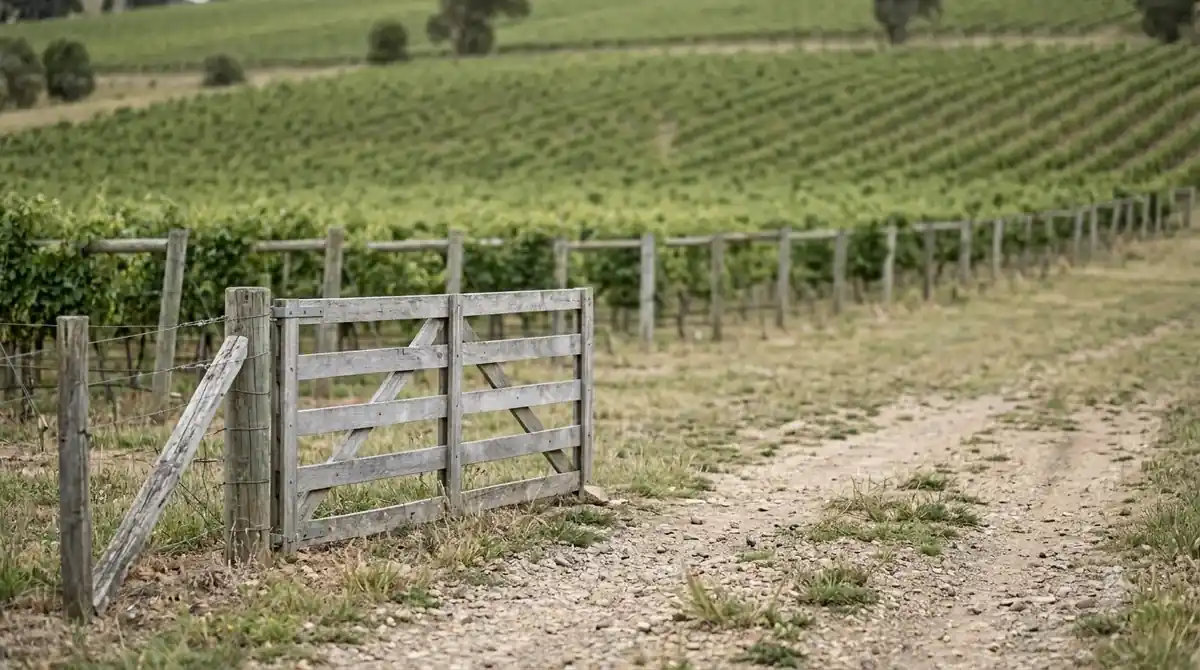
Unlike California’s Napa Valley, Alabama does not have a single dominant vineyard corridor defined by extensive commercial estates. Instead, visitors encounter small operations in communities such as Attalla, Jemison, Harpersville, Calera, and Perdido. North Alabama also has an established collection of wineries around Cullman, Albertville, Heflin, and surrounding communities. The scenery changes considerably between these areas, from the Appalachian foothills in the north to the flatter agricultural landscapes farther south.
The climate has played an important role in shaping this identity. Alabama experiences substantial summer heat, humidity, and rainfall. Those conditions can create significant disease pressure for grapevines, making some traditional European varieties difficult to cultivate consistently. Muscadine grapes are particularly well adapted to the region, while Norton and selected French-American hybrids provide additional winemaking possibilities. These varieties give Alabama wines a personality distinct from the Cabernet Sauvignon and Pinot Noir traditions associated with cooler or drier American wine regions.
Another defining feature is the scale of production. Many Alabama wineries are family-operated businesses where visitors can speak directly with the people responsible for growing grapes, making wine, or managing the tasting room. Tastings may include explanations of regional fruit, vineyard conditions, and traditional Southern wine styles. This personal approach is an important part of the experience.
For readers comparing American wine destinations, Wine Regions offers a useful starting point for understanding how geography, climate, and grape selection influence regional wine identities. Alabama demonstrates particularly clearly how local growing conditions can shape an entire state’s winemaking tradition.
For additional background on the state’s signature grapes and wine industry, WineAmerica’s Alabama wine country profile explains why muscadine is so important to local production. Its discussion of Alabama’s climate also helps explain the region’s preference for native and adaptable grape varieties.
Muscadine, Scuppernong, and the Grapes Behind Alabama Wine
Muscadine is the defining grape of Alabama wine country because it tolerates the region’s heat and humidity better than many traditional European wine grapes. Its thick skin, distinctive fruit character, and ability to grow in Southern conditions make it an important agricultural resource for local wineries.
Muscadine belongs to a grape species native to the southeastern United States. Unlike the European grape varieties commonly used for Bordeaux, Burgundy, and many other established wine styles, muscadine developed naturally in a different environment. It can produce wines with pronounced fruit aromas and flavors that may suggest ripe berries, tropical fruit, flowers, or fresh grapes. Depending on the producer and winemaking method, the finished wine can range from dry to sweet.
Scuppernong is one of the best-known muscadine varieties. It is traditionally associated with golden-colored grapes and wines with distinctive aromatic qualities. Red muscadine varieties provide another direction, often producing wines with deeper fruit characteristics. Some Alabama wineries also make wines from Norton, known as Cynthiana in certain growing regions, and other hybrids selected for their suitability to warm, humid conditions.
Fruit wines are another recognizable part of the state’s production. Depending on the winery, visitors may encounter peach, blueberry, blackberry, apple, and other locally inspired wines. These offerings reflect the agricultural diversity of Alabama rather than an attempt to imitate European wine traditions.
Common Alabama wine grapes and styles
| Grape or fruit | Typical wine character | Common style |
|---|---|---|
| Muscadine | Pronounced grape and ripe-fruit aromas | Dry, semi-sweet, or sweet |
| Scuppernong | Distinctive floral and golden-fruit character | Usually white or golden wine |
| Norton (Cynthiana) | Dark-fruit character and firmer structure | Dry or medium-bodied red |
| Chambourcin | Fresh red-fruit character | Dry or fruit-forward red |
| Peach | Ripe peach and orchard-fruit aromas | Sweet or semi-sweet fruit wine |
| Blueberry | Concentrated berry character | Sweet or semi-sweet fruit wine |
| Apple | Fresh orchard-fruit character | Dry, sweet, or dessert style |
These are broad style descriptions rather than fixed rules. Fermentation choices, residual sugar, acidity, and blending all influence the finished wine. Two bottles made from the same muscadine variety can taste quite different depending on when the grapes were harvested and how the winemaker handled them.
Traditional grape varieties are also available at selected producers. Corbin Farms Winery, for example, has offered Cabernet Sauvignon, Chardonnay, Pinot Noir, and Merlot alongside muscadine wines. This makes Alabama an interesting destination for visitors who want to compare locally adapted grapes with more familiar international varieties.
Tip: Start a tasting with a dry or semi-dry muscadine before moving to sweeter fruit wines. This progression makes it easier to recognize the grape’s natural aromatic character without allowing residual sugar to dominate your first impressions.
North Alabama Wineries and the Appalachian Foothills
North Alabama is one of the state’s most appealing areas for a wine-focused road trip because several wineries are connected through a regional tourism trail. Visitors can combine tastings with mountain scenery, lakes, small towns, and outdoor attractions. The area’s collection of independent producers also provides a useful introduction to the different styles made in Alabama.
The North Alabama wine trail includes destinations around Cullman, Toney, Albertville, Attalla, Fruithurst, and Heflin. Among its notable stops are Sipsey Vineyard and Winery, LaFamiglia Vineyards and Winery, Jules J. Berta Vineyards, Wills Creek Vineyards, Fruithurst Winery, and High Country Cellars. Each business offers its own selection, so a tasting itinerary can include several different interpretations of Southern wine.
Sipsey Vineyard and Winery is an interesting stop near Cullman. Its original winery opened in the Bankhead National Forest area, and its Cullman tasting room provides an accessible destination for visitors exploring the northern route. Its wine flights are served on boards made from bourbon whiskey staves, and its offerings include red blends and cider-based creations. The tasting-room experience provides an alternative to the traditional vineyard-only visit.
Jules J. Berta Vineyards in Albertville offers another distinctive experience. The winery combines traditional wine production with a selection that includes muscadine and fruit-based wines. Its wine slushies are especially appealing during Alabama’s hot summer months. Visitors interested in local winemaking traditions can also learn about the vineyard’s Hungarian family heritage.
Wills Creek Vineyards in Attalla is another worthwhile destination. Its location in Duck Springs Valley provides a scenic setting in the Appalachian foothills. The winery offers more than 20 wines, including dry and sweet selections, and its tasting experience includes wines made from muscadines and other grape varieties. Vineyard tours and a gift shop add to the visit.
High Country Cellars in Heflin offers a particularly broad selection of fruit wines. The North Alabama tourism organization describes a range of more than 45 wines made from different regional fruits. Its location near Cheaha Mountain also makes it a useful addition to an itinerary focused on mountain scenery.
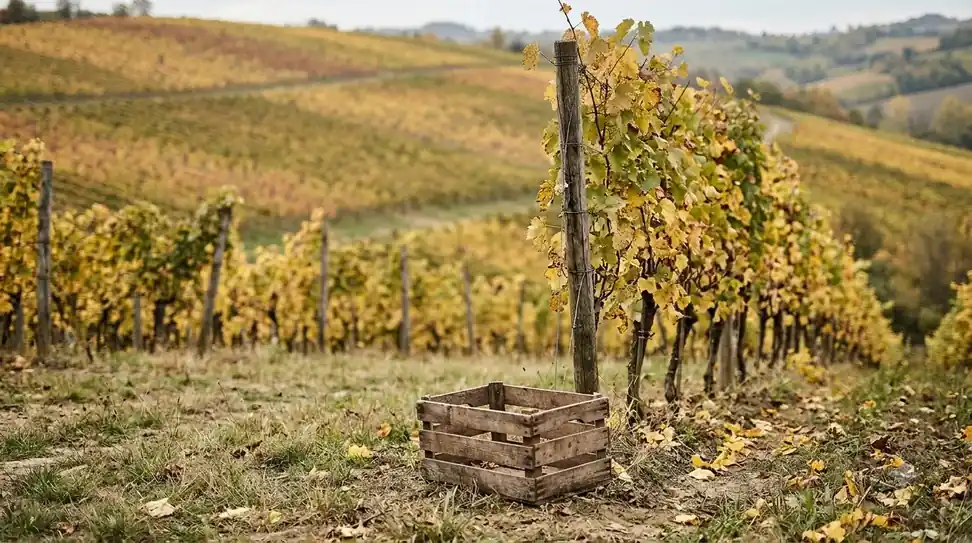
Travelers should think of North Alabama as a collection of individual winery stops rather than one continuous vineyard estate. The tourism organization recommends combining nearby wineries over a day or a long weekend. Allow time between appointments, particularly if the route includes destinations spread across several counties.
For current regional winery listings and trip-planning information, consult the North Alabama Wine Trail. Its regional overview identifies participating tasting destinations and provides a useful starting point for organizing a route.
For another American regional wine experience with an established rural vineyard culture, compare this area with Yadkin Valley wine country. Both destinations demonstrate how local geography and independent producers can create a recognizable regional identity.
Central Alabama Vineyards Around Birmingham and Calera
Central Alabama offers visitors an opportunity to discover wineries within reach of Birmingham and the surrounding agricultural communities. The area includes muscadine specialists, fruit-wine producers, and wineries that work with more familiar European grape varieties. Its mix of producers makes it particularly useful for travelers who want to compare different styles during one trip.
Hidden Meadow Vineyard in Jemison is an example of a producer whose vineyards reflect the local agricultural landscape. The operation has five acres of vines, with approximately 85 percent devoted to three varieties of muscadines. The remaining vines grow Cynthiana, also known as Norton. Its wine selection includes a peach wine made from local fruit and Smith Ridge White, produced from white Carlos muscadines.
Peach wine is a natural fit for this part of Alabama. Chilton County is known for its peaches, and using locally grown fruit gives the wine a direct connection to the surrounding agricultural economy. Visitors who usually associate wine exclusively with grapes may find this style an interesting introduction to regional fruit winemaking.
Another important stop is Corbin Farms Winery in Calera. The winery was founded by the Vizzini family in 2005 and has been owned and managed by the Corbin family since 2017. Its range includes Cabernet Sauvignon, Chardonnay, Pinot Noir, Merlot, and wines made from muscadines grown in Alabama.
That combination is useful for travelers who want to explore more than one wine tradition. A tasting can include familiar varietal names alongside locally distinctive Southern wines. The winery also has an on-site bistro that reflects the owners’ Italian heritage, with dishes such as antipasti, salads, pasta, and pizza.
Morgan Creek Vineyards in Harpersville is another notable central Alabama destination. The winery is associated with the Brammer family and has produced wines inspired by Birmingham’s industrial and mining history. Red Mountain Red is a semi-sweet muscadine wine, while Vulcan Red is a dry alternative. These wines demonstrate that muscadine production does not have to mean a single sweetness level.
Ozan Vineyard and Cellars in Calera is another destination identified along the Shelby County wine route. Together, Corbin Farms, Ozan, and Morgan Creek give visitors a practical starting point for exploring central Alabama’s wine scene.
Those interested in comparing regional American wineries can also explore Hill Country vineyards, where local growing conditions and producer traditions create a different regional wine experience. The comparison helps explain why American wine styles vary considerably from state to state.
South Alabama and the Tradition of Muscadine Farm Wineries
South Alabama has a long association with muscadine cultivation and farm-based winemaking. Its warmer conditions and agricultural heritage have helped preserve a style of production that emphasizes native grapes and fruit wines rather than relying exclusively on traditional European varieties.
Perdido Vineyards in Perdido is among the state’s historically significant wineries. Established in 1972, it is known for its muscadine table wines and represents an important part of Alabama’s modern farm-winery history. Its products include white, red, and rosé wines made from native Scuppernong and muscadine grapes.
Perdido also produces wines from other regional fruits. Its offerings include apple, blueberry, blackberry, and satsuma dessert wines. These varieties make the winery especially interesting for visitors who want to discover how local fruit can be transformed into different wine styles.
The production of fruit wine is an important part of the wider Southern agricultural tradition. Fruit varieties that grow successfully in local conditions can provide opportunities for small producers to diversify their offerings. Rather than treating these wines as substitutes for grape-based wines, visitors can approach them as distinct regional specialties with their own serving and food-pairing possibilities.
Whippoorwill Vineyards in Notasulga is another producer associated with muscadine and Scuppernong wines. Its vineyard produces several muscadine styles, including wines from traditional regional varieties. The winery has also worked with Norton and Lenoir grapes. Seasonal grape-picking opportunities have been part of its visitor experience.
Hodges Vineyards in Camp Hill is another name associated with Alabama’s southern and southeastern wine landscape. Its historical wine offerings have included Carlos, Noble, and Syrah muscadines, along with blueberry, blackberry, and apple wines.
South Alabama itineraries require a little more planning because wineries are not necessarily close together. Visitors should choose a starting town, identify nearby attractions, and avoid assuming that every winery will be open on the same days. The distance between Perdido and wineries in central or northern Alabama makes combining all three areas into one short trip impractical.
The broader lesson is that Alabama’s wine identity is not limited to one grape or one style. Muscadine remains central, but local producers have developed a wider collection of wines reflecting the fruit and agricultural traditions of their communities.
Planning an Alabama Wine Country Road Trip
A successful Alabama wine trip begins with choosing one geographic area rather than trying to visit the entire state. North Alabama is especially convenient for a multi-winery weekend, while central Alabama works well for visitors based around Birmingham. South Alabama is better approached as a separate agricultural and wine-focused excursion.
For a first visit, North Alabama is a practical choice. Begin around Cullman with Sipsey Vineyard and Winery, then plan a route toward Albertville and Attalla for Jules J. Berta and Wills Creek. Another trip can include Fruithurst and High Country Cellars. These destinations provide a mix of muscadine wines, fruit wines, regional scenery, and tasting-room experiences.
Central Alabama visitors can build an itinerary around Jemison, Calera, and Harpersville. Hidden Meadow Vineyard provides an introduction to local muscadine and peach wines, Corbin Farms combines varietal wines with dining, and Morgan Creek offers a different interpretation of muscadine production. These stops are particularly useful for travelers who want to compare sweet and dry styles.
Choosing the best season
Fall and spring are generally comfortable seasons for vineyard visits in Alabama. October and November often offer cooler temperatures than the height of summer, while spring brings green landscapes and pleasant conditions for outdoor activities. Summer visits can still be enjoyable, particularly in the morning or later afternoon, but heat and humidity deserve consideration when planning extended outdoor stops.
Harvest-related activities can provide another reason to visit during late summer and early fall. Some wineries organize seasonal events, grape-picking opportunities, or special tasting experiences. The exact schedule depends on the producer and the annual growing season.
Reservations, transportation, and local regulations
Before leaving, confirm tasting-room hours, tour availability, and reservation requirements directly with each winery. Small family-run operations may have limited opening schedules or require advance arrangements for groups. Special events can also affect normal tasting-room access.
Transportation deserves careful attention. A designated driver or professionally arranged transportation is a sensible choice when visiting multiple wineries. Tasting portions can vary, and sampling several wines at different stops requires a responsible plan. Visitors should also be aware that Alabama’s local alcohol regulations differ by county. Some counties have restrictions on alcohol sales, so local rules can affect where alcoholic beverages may be purchased.
Pack comfortable shoes for vineyard paths, bring a reusable water bottle, and allow enough time to enjoy each tasting without rushing. A small notebook or phone note can help record grape varieties, sweetness levels, and favorite bottles. Visitors planning to purchase wine should ask about transportation and storage recommendations, especially during warm weather.
How to Taste, Serve, and Pair Alabama Wines
Alabama wines are best appreciated by paying attention to their sweetness, acidity, body, and fruit character. Muscadine wines can be quite aromatic, while Norton-based reds and selected hybrid wines offer different structural qualities. Serving temperature and food pairing can make a noticeable difference to the experience.
Sweet muscadine wines are generally more enjoyable when served chilled. A temperature around 45 to 50 degrees Fahrenheit is a useful starting point for lighter white and rosé wines, while sweeter white wines can be served around 43 to 50 degrees. Light red wines are often best around 55 to 60 degrees, and fuller reds generally work well around 60 to 65 degrees.
For a more structured red made from Norton or a traditional varietal, avoid serving the bottle excessively warm. Room temperature in a modern home can be considerably warmer than the conditions traditionally associated with wine service. A short period of chilling can help preserve freshness and make the wine more balanced.
Food pairings for Southern wines
Sweet muscadine and Scuppernong wines can pair well with spicy Southern dishes because a little sweetness can soften the sensation of heat. They are also useful with barbecue sauces, glazed poultry, fruit-based desserts, and mild cheeses. For particularly sweet wines, choose desserts that are at least as sweet as the wine so the beverage does not taste unexpectedly sour or thin.
Dry muscadine wines offer more flexibility with savory food. Consider grilled chicken, roasted vegetables, mild pork dishes, or salads with fruit components. Wines with brighter acidity can work well with foods that include tomatoes, citrus, or vinegar-based dressings.
Fruit wines are natural companions for dishes that echo their ingredients. Peach wine can complement fresh peaches, mild desserts, and lightly spiced poultry. Blueberry wine can work with berry desserts and selected cheeses. Apple wine is a useful match for pork, baked apples, and dishes featuring warm spices.
Dry Norton wines and other structured reds can pair with smoked beef, grilled burgers, barbecue, and roasted meats. Protein and fat help soften the perception of tannin, while smoky and savory flavors complement many red-wine styles. Avoid pairing highly tannic reds with oily fish, and use caution with very spicy food because alcohol and tannin can intensify the sensation of chili heat.
For a tasting at home, use approximately 5-ounce pours and compare wines in a consistent order. A standard 750-milliliter bottle provides approximately five such servings. Begin with lighter and drier wines, move toward sweeter selections, and finish with dessert wines if they are available.
Once opened, store still wines in the refrigerator and generally aim to enjoy them within three to five days. Fortified wines can remain enjoyable for several weeks depending on style and storage. Keep unopened bottles away from direct sunlight and major temperature fluctuations; long-term storage is best in a cool location near 55 degrees Fahrenheit.
Frequently Asked Questions
Does Alabama have an official wine region or AVA?
Alabama does not have a federally designated American Viticultural Area comparable to Napa Valley or the Willamette Valley. Its wineries are distributed across different counties and agricultural communities. The term Alabama wine country is therefore a useful travel and cultural description rather than the name of one formally delimited appellation.
Can Alabama wineries ship wine to other states?
Direct-to-consumer wine shipping depends on the destination state’s laws, the producer’s licensing, and applicable shipping requirements. Alabama wineries may have different arrangements for shipping, local pickup, and retail sales. Contact the individual producer before placing an order for delivery outside Alabama.
What does the word muscadine mean on an Alabama wine label?
Muscadine identifies a grape species native to the southeastern United States rather than one particular wine sweetness level. Wines made from muscadines can be dry, semi-sweet, or sweet. The variety and winemaking approach determine the final character, so the word alone does not tell you how sugary the wine will taste.
Are muscadine grapes the same as ordinary table grapes?
No. Muscadines belong to the species Vitis rotundifolia, now commonly classified as Muscadinia rotundifolia, rather than the European wine grape species Vitis vinifera. Their distinctive skins, growing habits, and flavor characteristics make them particularly suited to the southeastern United States.
Can visitors buy non-grape wines at Alabama wineries?
Yes. Several Alabama producers make wines from fruits such as peaches, blueberries, apples, blackberries, and satsumas. These wines offer visitors an opportunity to explore the state’s agricultural produce beyond its traditional muscadine vineyards. Individual selections vary by producer and season.
Alabama wine country offers an appealing alternative to the country’s better-known vineyard destinations, with native muscadines, fruit wines, family-run tasting rooms, and distinctive Southern landscapes. Start with one region, explore its local producers, and leave time to discover the wines that best express the character of each community. For wine enthusiasts interested in regional American winemaking, Alabama provides a memorable reason to look beyond the familiar wine routes.
More in Wine Regions
 Willcox Wine Trail: Discover Arizona’s High-Elevation Wine CountryUpdated Nov 20, 2026
 Yakima Valley Wine Region: Find the Best Styles to TryUpdated Nov 20, 2026
 Vosne Romanee Wine Tasting: Identify Aromas and Choose Better PairingsUpdated Nov 20, 2026
 Yakima Valley Wine Festival: Find the Best Seasonal Wine EventsUpdated Nov 20, 2026
 Wales Vineyards: Discover Cool-Climate Wines and Where to VisitUpdated Nov 20, 2026
 Yountville Wine Festival: Discover Napa Wines and Local FoodUpdated Nov 20, 2026