
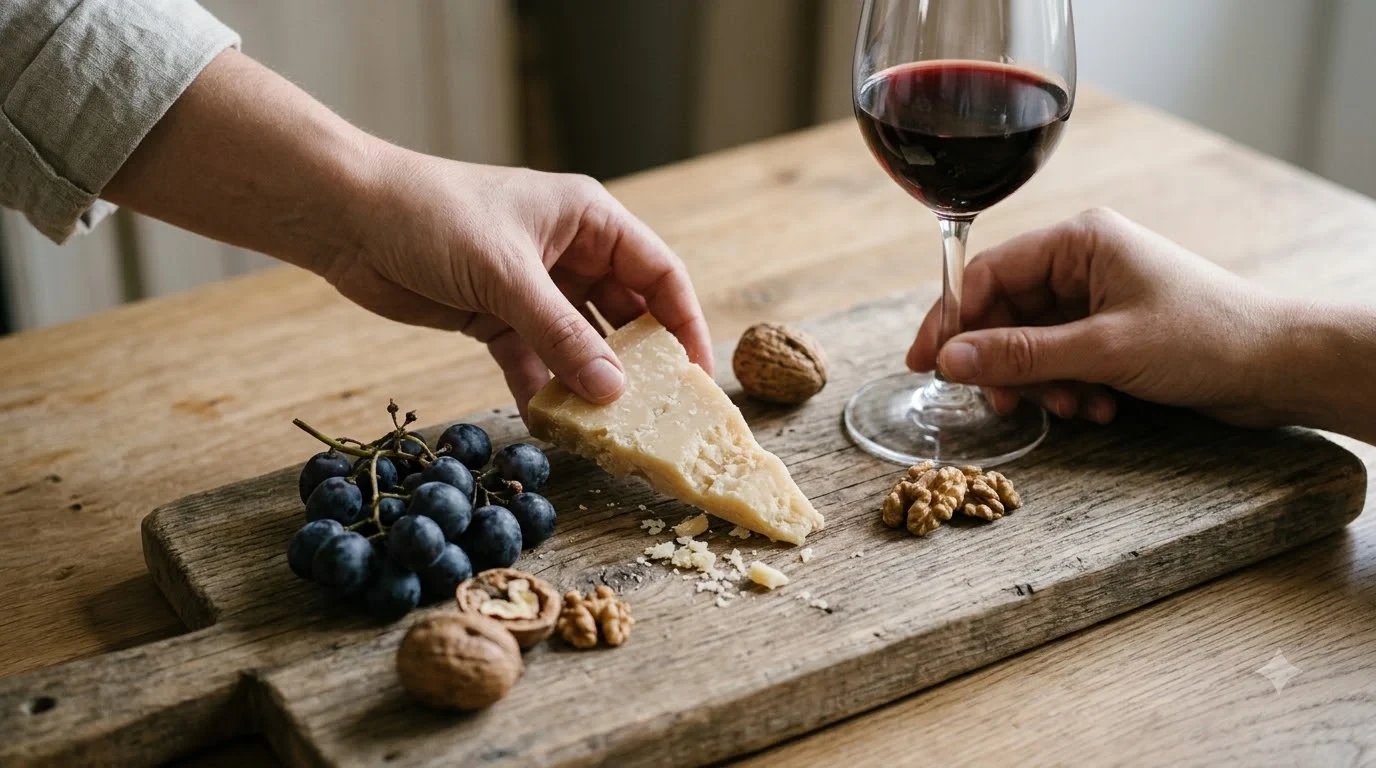

We may earn a commission when you buy through links on this page, at no extra cost to you. Learn more.
Aglianico food pairing works best with grilled red meat, slow-cooked ragù, roasted lamb, wild boar, and aged Italian cheeses. This full-bodied Southern Italian red has firm tannins, high acidity, and concentrated dark-fruit flavors that complement rich, savory dishes. Its structure also makes it a good match for tomato-based pasta, mushrooms, eggplant, and hearty vegetarian recipes.
Aglianico is one of Italy’s most distinctive red wine grapes, particularly associated with Campania and Basilicata. Its wines can range from approachable, fruit-forward reds to powerful, oak-aged Taurasi with substantial tannin and the capacity to develop in the bottle for years. Choosing the right food means considering both the wine’s structure and its maturity. A younger bottle often benefits from fatty meat, rich sauces, and slow-cooked dishes, while an older wine can bring more subtle earthy, savory, and dried-fruit characteristics to the table.
Understanding Aglianico’s Flavor and Structure
Aglianico pairs especially well with food that can stand up to its tannins and concentrated flavor. Its combination of high acidity, substantial tannin, and full body makes it particularly suited to savory dishes with fat, protein, and deep roasted or cooked flavors.
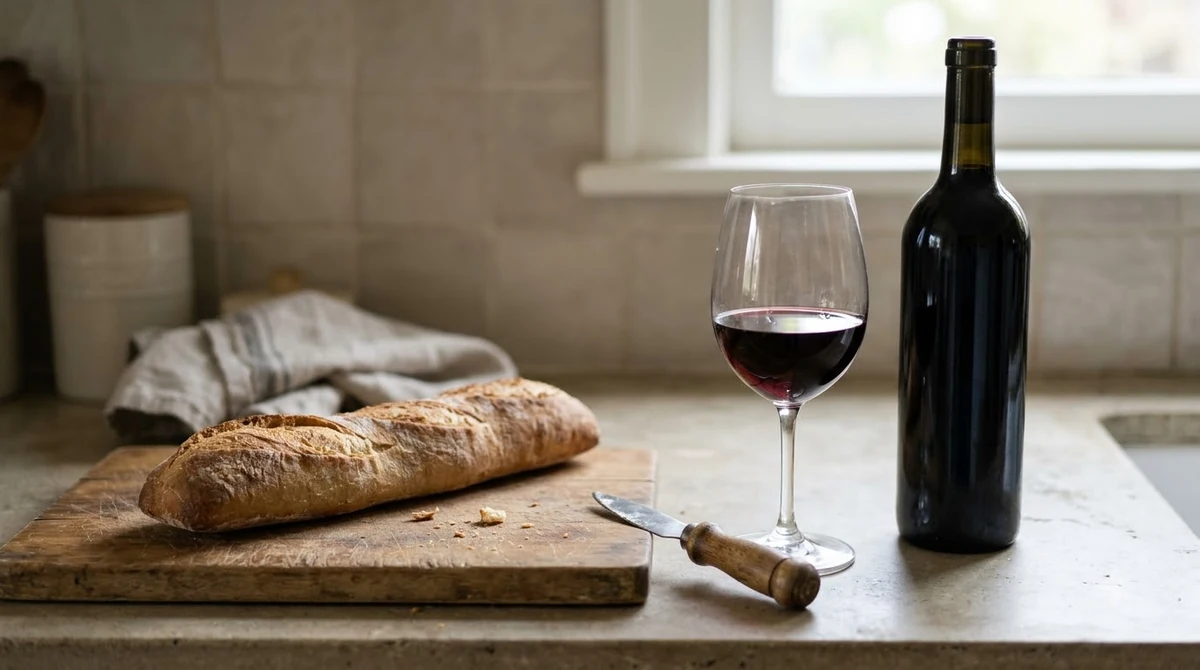
The grape is native to Southern Italy, with two especially important expressions found in Campania and Basilicata. Taurasi DOCG comes from Campania’s Calore Valley, while Aglianico del Vulture comes from Basilicata. Both can produce deeply colored wines with substantial structure, although individual producers, vineyards, and winemaking choices influence the finished style.
According to Wine Enthusiast, Aglianico’s thick-skinned grapes produce deeply pigmented, tannic wines. The grape ripens slowly, sometimes remaining on the vine until November. This extended growing season helps produce concentrated fruit while retaining the acidity that gives the wine its balance.
Typical aromas and flavors include black cherry, blackberry, plum, dark red fruit, violet, dried herbs, and spice. With age, some examples develop more pronounced notes of leather, tobacco, mushrooms, and forest floor. Oak-aged wines can also show toasted spice and other savory characteristics.
The most important structural qualities for food pairing are:
- Tannin: Firm tannins create a drying sensation, particularly when the wine is consumed without food. Fat and protein in meat and cheese help soften this sensation.
- Acidity: High acidity refreshes the palate after rich, fatty dishes and helps the wine work with tomato sauces.
- Body: Full-bodied Aglianico can match substantial portions, slow-cooked meat, and strongly flavored sauces.
- Fruit: Dark cherry, blackberry, and plum complement caramelized meat, roasted vegetables, and savory seasonings.
- Earthiness: Mushroom, dried herb, and mineral notes create natural connections with truffles, lentils, eggplant, and aged cheese.
Not every Aglianico tastes equally powerful. A younger Irpinia DOC bottling may have softer tannins and more immediate fruit than a structured Taurasi Riserva. This distinction matters at the table: lighter preparations can suit a more approachable bottle, while an intensely structured wine benefits from dishes with greater richness and flavor concentration.
Grilled Meats, Beef, and Lamb
Grilled and roasted meats are among the most reliable choices for Aglianico. Beef, lamb, and other richly flavored meats provide the protein and fat needed to balance the wine’s firm tannins, while their browned surfaces complement its dark-fruit and savory notes.
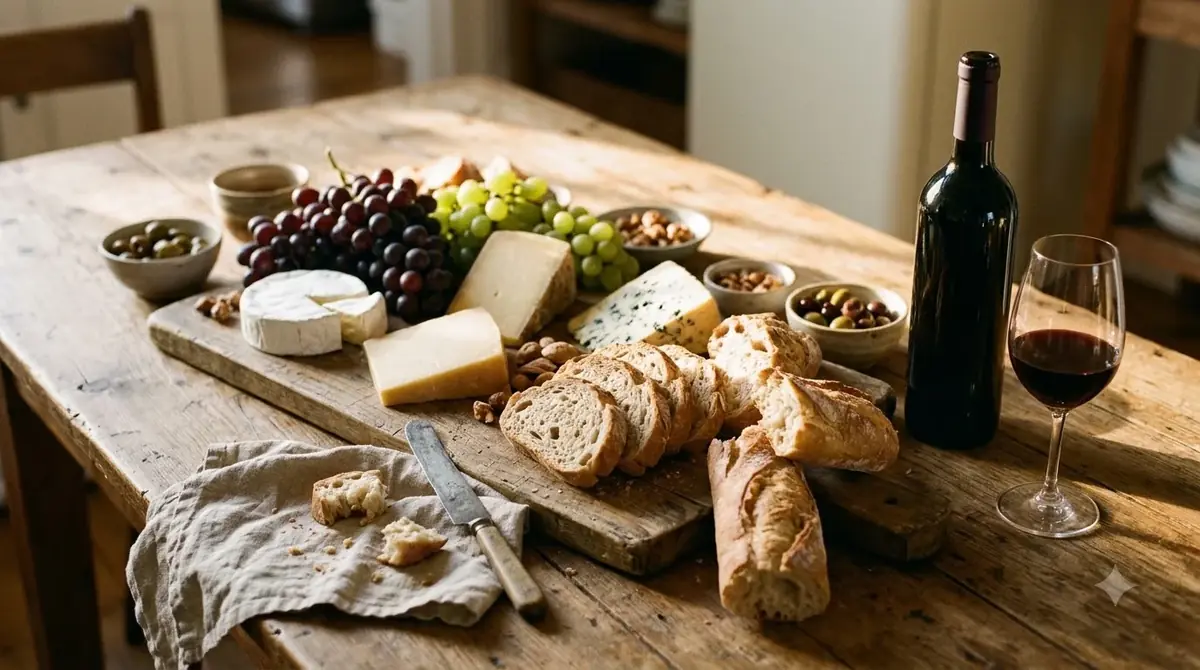
For beef, choose rib-eye steak, grilled sirloin, beef short ribs, or a slow-roasted beef joint. Rib-eye is particularly suitable because its marbling gives the wine a rich counterpart. A simple preparation with salt, black pepper, rosemary, and garlic allows the beef and wine to remain the focus. A peppercorn sauce or mushroom sauce can add complexity without overwhelming the pairing.
Roasted lamb is another excellent option. Lamb shoulder cooked slowly with rosemary, garlic, olive oil, and thyme develops a savory character that works with Aglianico’s herbal and earthy notes. Grilled lamb chops offer a more direct pairing, especially when the exterior is browned and the meat remains juicy inside.
For a stronger Southern Italian-inspired meal, serve Aglianico with braised lamb shanks. Cook them with tomatoes, onions, carrots, celery, garlic, and a little stock until the meat becomes tender. The concentrated cooking liquid creates a sauce with enough depth to match a structured red wine.
Other meat dishes worth considering include:
- Beef brisket: Slow cooking produces tender meat and concentrated savory flavors that complement Aglianico’s body.
- Grilled sausages: Italian pork sausages with fennel, garlic, and black pepper work particularly well with fruit-forward examples.
- Roasted pork shoulder: Its fat and browned exterior help soften tannins while supporting the wine’s spice notes.
- Venison: Its lean but distinctive flavor makes it a good partner for mature Aglianico with developed earthy characteristics.
- Beef meatballs: A tomato-based sauce and Parmesan topping connect the wine’s acidity and savory flavors.
For the best results, avoid serving heavily charred meat with an aggressively tannic young wine if the dish is also covered in a very bitter or burnt sauce. A clean sear, balanced seasoning, and enough fat in the meat provide a more harmonious combination.
Pasta, Ragù, and Tomato-Based Sauces
Aglianico is a natural partner for substantial Italian pasta dishes, especially recipes built around slow-cooked meat, tomato, and savory herbs. The wine’s acidity helps balance tomato-based sauces, while its tannins and body provide enough structure for rich ragù and meat-filled pasta.
Start with pappardelle al ragù, a broad-ribbon pasta served with a slowly cooked beef or pork sauce. The wide pasta holds the sauce well, and the meat provides enough richness to balance the wine. A finishing layer of grated Parmigiano-Reggiano adds salt and savory depth.
Lasagna with beef ragù is another strong choice. Layers of pasta, meat sauce, béchamel, and cheese create a rich dish that can handle the wine’s tannin. A younger Aglianico with fresh black-cherry fruit works particularly well with a tomato-forward preparation, while an aged Taurasi can suit a more concentrated ragù with a long cooking time.
Other pasta options include:
- Rigatoni with sausage ragù: The pasta’s ridges capture a rich sauce made with Italian sausage, tomato, garlic, and herbs.
- Orecchiette with pork sausage: Fennel sausage, olive oil, and a little tomato create a savory combination for fruit-forward Aglianico.
- Beef-stuffed ravioli: A light butter-and-sage sauce or reduced meat jus allows the wine to complement the filling.
- Baked ziti: Tomato sauce, ground meat, mozzarella, and Parmesan provide enough flavor and richness for a structured red.
- Eggplant ragù pasta: Roasted eggplant, tomatoes, garlic, and herbs create a satisfying vegetarian alternative.
Tomato acidity deserves particular attention. A wine with high acidity generally works better with acidic food than a low-acid wine, because the dish will not make the wine seem disproportionately flat. Aglianico’s naturally lively acidity makes it a practical choice for tomato sauces, particularly when they also contain olive oil, meat, or cheese.
For a more traditional approach, prepare a long-simmered ragù with beef, pork, onion, carrot, celery, tomato, and herbs. Allow the sauce to reduce until its flavors become concentrated. This gives a young Aglianico something substantial to complement and lets an older bottle connect with the sauce’s developed savory character.
Pizza, Roasted Vegetables, and Vegetarian Dishes
Aglianico can pair with vegetarian food when the dish has enough richness, roasted flavor, or concentrated seasoning. Eggplant, mushrooms, lentils, tomato, and aged cheese are particularly useful ingredients because they provide the savory depth that complements the wine’s structure.
Pizza is a straightforward option. A classic sausage pizza with tomato, mozzarella, and fennel sausage works well with younger Aglianico. The fat from the cheese and sausage softens the tannins, while the tomato sauce provides an acidic counterpart.
Other pizza combinations include:
- Mushroom and mozzarella: Roasted mushrooms contribute earthy flavor that complements the wine’s savory notes.
- Eggplant and tomato: Roasted eggplant and tomato sauce create a substantial vegetarian topping.
- Prosciutto and Parmesan: Salt, cured meat, and aged cheese provide a strong match for firm tannins.
- Roasted pepper and sausage: Sweet roasted peppers balance the savory meat and dark fruit.
Vegetarian main courses can be equally successful. Eggplant Parmesan is an especially good option because its fried or roasted eggplant, tomato sauce, and melted cheese provide both richness and acidity. A lentil stew with mushrooms, carrots, onions, and rosemary offers another substantial pairing. The lentils provide body, while mushrooms reinforce the earthy side of the wine.
Consider these additional dishes:
- Stuffed bell peppers: Fill them with rice, lentils, tomato, herbs, and Parmesan for a satisfying meal.
- Roasted portobello mushrooms: Garlic, thyme, olive oil, and a little aged cheese make the mushrooms more substantial.
- Mushroom risotto: A concentrated mushroom stock and Parmesan create an earthy dish that suits mature Aglianico.
- White bean stew: Cannellini beans with tomato, rosemary, and olive oil provide a hearty combination.
- Roasted root vegetables: Carrots, parsnips, and onions develop caramelized flavors that complement the wine’s fruit.
Preparation is important. Lightly steamed vegetables or delicate salads may not have enough intensity to match a powerful Taurasi. Roasting, browning, and adding ingredients such as olive oil, mushrooms, and aged cheese help build the depth needed for a successful pairing.
Cheese, Charcuterie, and Savory Appetizers
Aged cheeses and cured meats are excellent companions for Aglianico because their salt, fat, and concentrated flavors soften the wine’s tannins. Choose cheeses with substantial flavor and texture rather than very mild, fresh varieties.
Pecorino stagionato is one of the strongest choices. This aged sheep’s milk cheese has a firm texture and savory, salty flavor that works with the dark fruit and structure of Aglianico. Parmigiano-Reggiano is another dependable option, particularly when served in small pieces rather than melted into a mild dish.
Other cheeses to consider include:
- Aged provolone: Its concentrated dairy flavor and firm texture suit the wine’s structure.
- Gorgonzola: Its saltiness and creamy texture can complement a ripe, fruit-forward Aglianico.
- Aged caciocavallo: A Southern Italian cheese with a savory, concentrated character that works well with structured reds.
- Grana Padano: Its firm texture and savory notes make it suitable for an antipasto board.
- Mature cheddar: Its rich texture and developed flavor offer an accessible alternative when Italian cheeses are unavailable.
Charcuterie provides a similarly useful combination of salt, fat, and savory flavor. Serve prosciutto, salami, soppressata, and fennel-seasoned sausage with olives, roasted peppers, and crusty bread. The cured meats help soften tannins, while the olives and vegetables introduce additional savory elements.
For a simple appetizer spread, arrange three cheeses, two cured meats, roasted peppers, olives, and toasted bread. Aged pecorino, provolone, prosciutto, and salami make a particularly good combination. Avoid making the entire board overly spicy, since chili heat can become more pronounced alongside a wine with substantial alcohol and tannin.
Tip: When building an Aglianico cheese board, include at least one firm aged cheese, one creamy or blue cheese, and a cured meat. Salt and fat help soften tannins, making each sip feel more balanced.
Regional Italian Pairings and Food Styles
The best regional food pairings for Aglianico come from the same Southern Italian traditions that produce the wine. Campania and Basilicata offer a useful starting point, with dishes built around meat, tomato, herbs, slow cooking, and aged cheese.
Campania is home to Taurasi DOCG, one of Italy’s best-known Aglianico appellations. The Consorzio Tutela Vini d’Irpinia identifies 17 municipalities in the Calore Valley as part of the production area. The wines must contain at least 85 percent Aglianico and undergo a minimum of three years of aging, including at least one year in wood.
These requirements help explain why Taurasi can be such a strong partner for substantial food. Its firm tannins, acidity, and developed flavors work with roasted meat, braised dishes, and aged cheeses. A Riserva requires at least four years of aging, including 18 months in wood, and can offer additional complexity for more elaborate meals.
For the regional production requirements and characteristics, the Consorzio Tutela Vini d’Irpinia’s Taurasi DOCG guide provides details about the appellation, its 17 municipalities, and its aging rules.
Basilicata offers another important expression through Aglianico del Vulture. These wines can also have firm tannins and lively acidity, making them suitable for roasted meat, game, and the region’s hearty cooking traditions.
Consider these regional combinations:
- Taurasi with braised beef: Slow-cooked meat and concentrated sauce suit the wine’s structure and savory character.
- Aglianico del Vulture with roasted lamb: The meat’s richness balances tannin, while rosemary and garlic complement the wine’s herbal notes.
- Aglianico with wild boar ragù: The deep, savory flavor of game provides an excellent match for concentrated dark fruit.
- Taurasi with aged pecorino: Salt and fat help soften tannins and complement the wine’s developed flavors.
- Aglianico with sausage and bean stew: Beans, tomato, pork sausage, and herbs create a hearty combination.
Producer recommendations also demonstrate how flexible the grape can be. Terredora’s Fatica Contadina Taurasi is made from 100 percent Aglianico and is recommended with roasted meats, rib-eye steak, grilled lamb, game, mushrooms, truffles, and aged cheeses. Its Pago dei Fusi bottling is suggested with braised meat, wild boar, ragù, and similar substantial dishes.
Terredora’s Il Principio Irpinia DOC Aglianico is recommended with meat-based soups, sausages, roasted meat, boiled meat, and aged cheese. These examples show why it is useful to consider the specific bottle rather than assuming every Aglianico needs the same level of richness in its food pairing.
The producer’s Terredora wine selection and pairing descriptions offer additional examples of how individual Aglianico bottlings can suit different preparations and serving temperatures.
Serving Temperature, Decanting, and Pairing Mistakes
Aglianico generally shows best when served slightly cool rather than warm. A temperature of approximately 60 to 65 degrees Fahrenheit is a practical target for a full-bodied red, with lighter, fruit-forward examples sometimes benefiting from the cooler end of that range.
Wine Enthusiast lists 60 to 68 degrees Fahrenheit as a handling range for Aglianico. For a powerful Taurasi, start around 60 to 64 degrees Fahrenheit and allow the wine to warm gradually in the glass. Excessive warmth can make alcohol more noticeable and reduce the impression of freshness.
Decanting can also help, particularly with young, structured Taurasi. A young full-bodied red can benefit from approximately 30 to 60 minutes of aeration before serving. Older bottles may need less time, especially if they have already developed delicate aromas. If sediment is present, pour carefully and leave the deposit in the bottle.
Use these practical serving guidelines:
| Serving Detail | Recommended Guideline | Why It Matters |
|---|---|---|
| Serving temperature | 60-65°F | Maintains freshness and controls the impression of alcohol. |
| Initial decanting | 30-60 minutes | Helps young, tannic wines open up. |
| Standard pour | 5 ounces | Leaves room in the glass for aromas to develop. |
| Standard bottle | 750 ml | Provides approximately 5 standard glasses. |
| Opened still wine | 3-5 days refrigerated | Slows oxidation and helps preserve quality. |
| Long-term storage | About 55°F | Provides a cool, relatively stable environment. |
Some common pairing mistakes are easy to avoid:
- Choosing delicate fish: Aglianico’s tannins and body can overwhelm mild fish preparations. Oily fish can also clash with tannic red wines.
- Serving very spicy food: Chili heat can become more intense alongside alcohol and tannin. A mildly seasoned dish is usually more successful.
- Pairing with very light salads: Lettuce, cucumber, and delicate vinaigrettes rarely provide enough substance for a full-bodied red.
- Ignoring sauce acidity: Very acidic tomato preparations can make a less-acidic wine taste flat, although Aglianico’s natural acidity generally makes it a good candidate.
- Serving too warm: A bottle served at a warm room temperature may emphasize alcohol and make the wine feel heavy.
For readers comparing Italian reds, the food choices can change considerably depending on grape variety. Barbera food pairing is particularly useful for dishes where lively acidity and softer tannins are desirable. For a more structured alternative, Amarone food pairing offers ideas for matching concentrated, rich Italian red wines with substantial meals.
When planning a larger dinner, consider the complete menu rather than just the main course. A savory mushroom appetizer, beef ragù, roasted lamb, and aged pecorino can create a coherent sequence of dishes for a bottle of Aglianico. For other grape styles and meal combinations, the broader principles in this Wine Pairing guide can help with balancing acidity, tannin, sweetness, and richness.
Frequently Asked Questions
Does Aglianico need to be aged before drinking?
No, not every Aglianico needs extensive bottle aging. Some Irpinia DOC examples are intended for earlier drinking and can be enjoyed while their fruit is prominent. Taurasi is subject to longer minimum aging requirements, and many structured examples continue developing for years after release.
Can Aglianico be served with Thanksgiving dinner?
Yes, particularly with roasted turkey served alongside sausage stuffing, mushroom gravy, or roasted root vegetables. A younger, fruit-forward Aglianico is generally a more flexible choice than a very tannic Taurasi Riserva. Keep cranberry sauce and other sweet accompaniments separate from the main wine pairing.
Is Aglianico similar to Cabernet Sauvignon?
Both can produce full-bodied red wines with substantial tannin and dark-fruit flavors. However, Aglianico is an Italian grape with a distinctive combination of acidity, earthy character, and savory flavors. Cabernet Sauvignon often emphasizes blackcurrant, cedar, and herbal characteristics, depending on its growing region and winemaking style.
What glass shape is best for Aglianico?
A large-bowled red wine glass is a practical choice, particularly for Taurasi. A bowl holding approximately 20 to 25 ounces provides room to swirl a moderate pour and concentrate the wine’s aromas toward the rim. A standard Bordeaux-style glass also works well for many structured Aglianico bottlings.
Can Aglianico be used in cooking?
Yes. Aglianico can be used in beef braises, lamb stews, and slow-cooked tomato-based meat sauces. Its acidity and dark-fruit character contribute depth as the liquid reduces. A younger, reasonably balanced bottle is generally a sensible cooking choice rather than a mature, complex Taurasi reserved for serving.
Aglianico is a rewarding wine for meals built around grilled beef, roasted lamb, rich pasta, mushrooms, and aged Italian cheeses. Start with the richness of the dish, then consider the bottle’s tannin, acidity, and maturity when choosing the final combination. Whether serving an approachable Irpinia Aglianico or a structured Taurasi DOCG, well-seasoned Southern Italian cooking provides an excellent starting point.
More in Food & Wine Pairing
 Risotto With White Wine Recipe: Make a Creamy Dinner at HomeUpdated Nov 20, 2026
 Wassail With Wine Recipe for a Festive Spiced Holiday DrinkUpdated Nov 20, 2026
 Spritz Veneziano Recipe: Make a Classic Venetian Aperitivo at HomeUpdated Nov 20, 2026
 Summer Wine Punch Recipe for Easy Homemade EntertainingUpdated Nov 20, 2026
 Bishop Recipe: How to Make a Bright, Citrus-Forward Red Wine CocktailUpdated Nov 20, 2026
 Wine Cupcakes Recipe: Bake Rich Chocolate Cupcakes at HomeUpdated Nov 20, 2026