

We may earn a commission when you buy through links on this page, at no extra cost to you. Learn more.
Bota Box Wine Alcohol Content ranges from 8% ABV in Breeze wines to 14.5% in select Nighthawk bottlings; the familiar core varietals generally fall around 12% to 13.5%. The exact figure depends on the wine style, and the box format itself does not make the wine lower or higher in alcohol. A standard Bota Box 3-liter carton contains four 750-milliliter bottles’ worth of wine, so serving size matters as much as the percentage.
Bota Box is a broad range rather than one fixed wine recipe, which is why a Pinot Grigio and a barrel-aged Cabernet Sauvignon can have noticeably different alcohol levels. The useful comparison is the ABV printed for the specific varietal and style, not a single brand-wide number. The figures below separate the lighter Breeze range from standard varietals and the stronger Nighthawk example, then explain what each percentage means in a glass or a full 3-liter box. The wider Wine Brands section can also help readers compare a producer’s different ranges without treating all boxed wine as one style.
Bota Box wine alcohol content by varietal
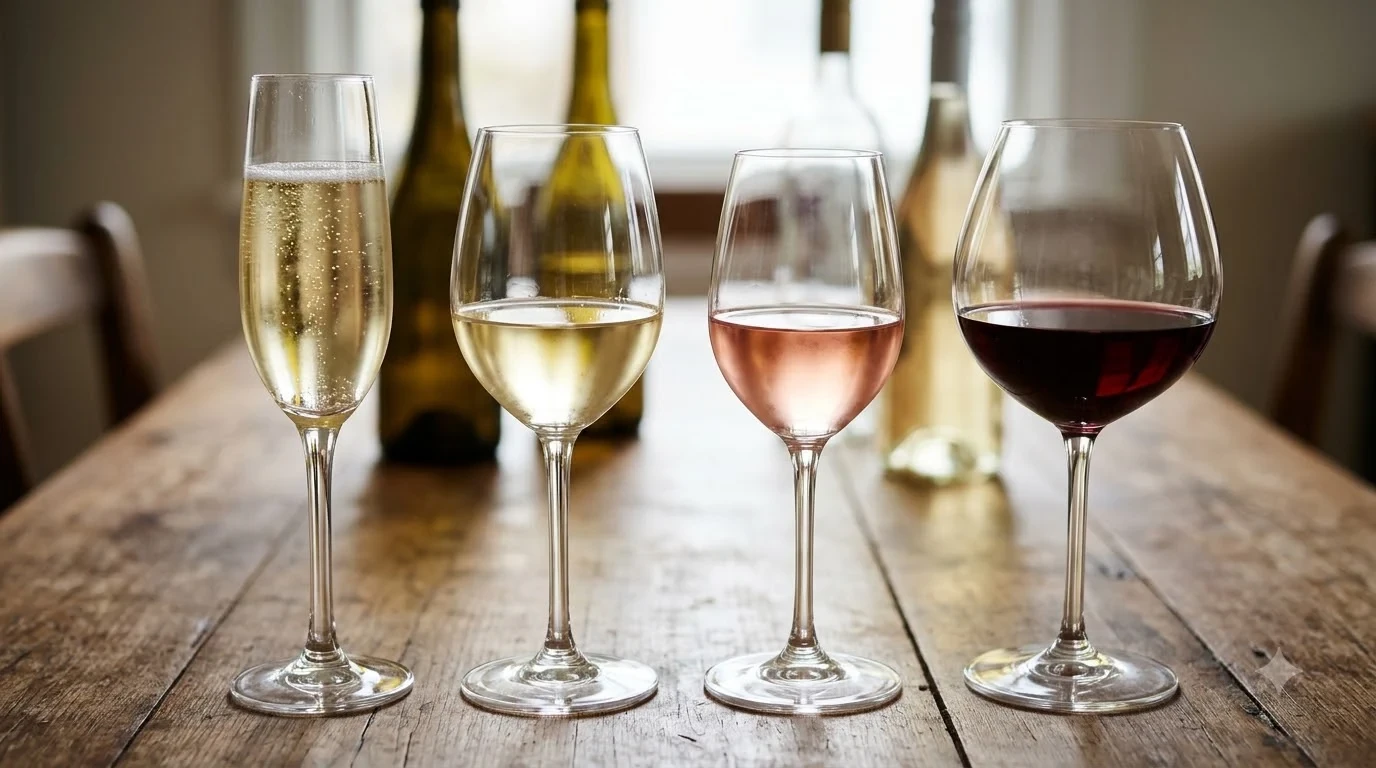
For the standard range, the clearest reference points are 12% ABV for Pinot Grigio, 13% for Cabernet Sauvignon and Chardonnay, and 13.5% for a reviewed Sauvignon Blanc. The lower-alcohol Breeze Pinot Grigio is 8%, while a Nighthawk Bourbon Barrel-Aged Cabernet Sauvignon has been listed at 14.5%.
Those numbers show why the question needs a varietal name attached. Bota Box’s official Pinot Grigio page gives an alcohol level of 12.0%, while Wine Enthusiast lists its reviewed Bota Box Cabernet Sauvignon at 13% in a 3-liter format. In a separate review, the publication lists Bota Box Chardonnay at 13% and Sauvignon Blanc at 13.5%. These figures are useful examples, not a promise that every future batch of a wine will carry the same number.
The top end is represented by a different product style, not by every Bota Box red. Wine Enthusiast lists the Nighthawk Bourbon Barrel-Aged Cabernet Sauvignon at 14.5% ABV, compared with 13% for its standard Cabernet Sauvignon listing. That half-step between the reviewed Cabernets demonstrates why it is better to identify the exact label before comparing alcohol levels.
For a direct varietal check, the Bota Box Pinot Grigio alcohol content page focuses on that white wine, while the Bota Box Cabernet alcohol content page addresses the red counterpart. The official Bota Box Pinot Grigio product details are a useful starting point because they state 12.0% ABV directly, rather than asking readers to infer the figure from the grape variety.
Core varietals and their listed ABV
The published examples cluster around 12% to 13.5% for familiar Bota Box varietals, but the full range is wider once Breeze and Nighthawk are included. The table compares listed ABV with the amount of pure alcohol in a five-ounce pour and the calculated amount in a full 3-liter box.
| Wine style | Listed ABV | Pure alcohol in a 5 oz pour | Pure alcohol in 3 L |
|---|---|---|---|
| Bota Box Breeze Pinot Grigio | 8% | 0.40 fl oz | 240 ml |
| Bota Box Pinot Grigio | 12% | 0.60 fl oz | 360 ml |
| Bota Box Cabernet Sauvignon | 13% | 0.65 fl oz | 390 ml |
| Bota Box Chardonnay | 13% | 0.65 fl oz | 390 ml |
| Bota Box Sauvignon Blanc | 13.5% | 0.675 fl oz | 405 ml |
| Nighthawk Bourbon Barrel-Aged Cabernet Sauvignon | 14.5% | 0.725 fl oz | 435 ml |
The last two columns are arithmetic comparisons, not separate label claims. A five-ounce pour contains five fluid ounces of wine, so the pure-alcohol volume is the pour size multiplied by the ABV fraction. For a 12% wine, that is 5 × 0.12, or 0.60 fluid ounces of ethanol. The same calculation gives 0.40 fluid ounces for an 8% wine and 0.725 fluid ounces for a 14.5% wine.
The 3-liter figures use the same method with 3,000 milliliters of wine. At 12% ABV, the carton contains 360 milliliters of pure alcohol in total; at 14.5%, it contains 435 milliliters. This total is not a recommended serving amount. It simply shows why package volume and concentration answer different questions: ABV measures the proportion of alcohol, while liters measure how much wine is in the container.
Published ABV records can refer to a specific reviewed bottling rather than every future production run. The Wine Enthusiast entries for Bota Box Cabernet and Nighthawk Cabernet are useful reference points, but they describe two separate products. Its Bota Box Cabernet Sauvignon listing records 13% ABV and a 3-liter size; the Nighthawk entry is a separate 14.5% wine.
Breeze uses a lighter alcohol target
Bota Box Breeze is the lower-alcohol branch of the range, with the brand stating 8% alcohol for its Breeze Pinot Grigio analysis per five-fluid-ounce serving. That is substantially below the 12% listed for standard Bota Box Pinot Grigio and below the 13% example for standard Cabernet Sauvignon.
The producer explains that Breeze grapes are harvested earlier in the season, at a lower Brix level. Brix measures the sugar concentration in grape juice; picking earlier can mean less sugar is available to ferment, which supports a wine with lower alcohol. Bota Box describes Breeze as having lower alcohol, lower sugar, and fewer carbohydrates than its traditional wines. This is a production choice for that specific line, not an effect of cardboard packaging.
The brand’s Breeze information gives the Pinot Grigio analysis as 80 calories, 3 grams of carbohydrates, and 8% alcohol per five-ounce serving. Those details are a useful example of how the brand presents the style, but the same figure should not automatically be assigned to every Breeze varietal. The Breeze page names Cabernet Sauvignon, Pinot Grigio, Sauvignon Blanc, Chardonnay, Dry Rosé, and a Red Wine Blend; the specific alcohol percentage can differ among those wines.
That difference matters when shopping by style. Someone choosing a lighter white for a warm afternoon may compare Breeze Pinot Grigio with the standard Pinot Grigio, while a drinker seeking more weight may prefer a core Cabernet or a Nighthawk red. To compare labels beyond this one producer, the Black Box Pinot Grigio alcohol content breakdown offers a brand-to-brand reference for the same grape. Keep the comparison varietal-to-varietal whenever possible rather than assuming every box wine sits at the same strength.
A 3-liter box changes total volume, not ABV
A standard 3-liter Bota Box holds 3,000 milliliters of wine, the same volume as four 750-milliliter bottles. Using a five-ounce pour, that works out to about 20 glasses, so a large carton contains much more wine than a single bottle even when both carry the same ABV.
The distinction is simple: a 12% ABV wine remains 12% whether it is packaged in a 750-milliliter bottle, a 1.5-liter carton, or a 3-liter box. The 3-liter package has more total alcohol only because it contains four times as much wine as a standard 750-milliliter bottle. The concentration does not rise just because the container is larger, and the spout does not dilute the wine.
Pour size is the next part of the calculation. A five-ounce serving is a practical comparison point, while a large home pour can be six, seven, or more ounces without looking dramatically different in a wide glass. At 13% ABV, a five-ounce pour contains 0.65 fluid ounces of pure alcohol; a seven-ounce pour contains 0.91 fluid ounces. The wine’s ABV has not changed, but the larger serving puts more alcohol in the glass.
A helpful habit is to use a measuring cup or marked wine glass once to see what five ounces looks like in the glassware used at home. After that, it becomes easier to recognize whether a pour is close to five ounces or closer to a restaurant-sized generous serving. This is especially useful with a 3-liter box because the wine is dispensed directly from the spout and it is easy to pour without seeing how much has left the package.
Alcohol percentage affects mouthfeel and pairing
ABV is one clue to a wine’s weight, but it is not a complete tasting description. Alcohol can contribute warmth and body, while acidity, tannin, residual sugar, fruit ripeness, and oak also shape how a wine feels and tastes.
For example, a 12% Pinot Grigio with bright acidity can feel crisp and light, while a 13% Chardonnay may seem rounder because of its fruit profile and oak treatment. A 13% Cabernet Sauvignon can feel firmer because Cabernet has high tannin, even though the difference in alcohol from the Pinot Grigio is only one percentage point. The varietal matters alongside the number.
Food pairing can make those structural differences clearer. High-tannin Cabernet Sauvignon tends to work better with rich foods such as grilled steak, where fat and salt soften the drying sensation of tannin. A high-acid Sauvignon Blanc is a better match for foods with lemon, vinegar, or other sharp flavors because the wine’s acidity can meet the dish’s acidity. Pinot Grigio can suit grilled chicken, light seafood, or salads when the dressing is not sharply acidic. Be more careful with spicy dishes: alcohol and tannin can amplify chili heat, so a 13% Cabernet with firm tannins may make a hot pepper sauce feel more intense. Oily fish can also be a difficult match for tannic reds; a crisper white such as Pinot Grigio or Sauvignon Blanc is often a more comfortable choice.
Sweetness and alcohol are separate measures
ABV does not tell you whether a wine is sweet. A dry wine can have 13.5% alcohol, while a sweet wine can have a lower percentage if fermentation stops before all the grape sugar has been converted. If sweetness is important to the pairing, treat sweetness and alcohol as separate details rather than using one to predict the other.
Serve and store each style at the right temperature
Serving temperature changes how alcohol and other flavors register. A light white such as Pinot Grigio is generally best around 45–50°F, while a fuller Chardonnay is more comfortable around 50–55°F; lighter reds can be served at 55–60°F and fuller reds at 60–65°F.
For Bota Box, that means chilling Pinot Grigio and Sauvignon Blanc well before pouring, then allowing Chardonnay to warm slightly if it comes straight from a very cold refrigerator. A full Cabernet or Nighthawk red should not be served warm at room temperature in a hot kitchen. A cool serving range can keep alcohol warmth from dominating the fruit and structure, especially in a wine at 13% or 14.5% ABV.
The box format also changes how the wine is stored after opening. Keep the carton refrigerated once opened, particularly for white and rosé styles, and use the spout to dispense the amount needed without removing the wine bag. Bota Box says its packaging limits light and air and keeps wine fresh for up to one month after opening; a general bag-in-box guideline can extend to four to six weeks, so the producer’s shorter one-month advice is the better target for this brand. Once poured, use clean glassware, close the spout properly, and avoid leaving a glass in direct sun or near a hot stove.
Tip: Write the opening date on the carton and keep it chilled after the first pour. For Bota Box, plan to finish the wine within the brand’s stated one-month freshness window.
Frequently Asked Questions
These quick answers clarify five details that often get mixed up: sweetness, proof, serving calories, packaging, and the meaning of an 8% label. They help distinguish the number on a wine carton from other information about how the wine is made or presented.
Does ABV tell me whether a Bota Box wine is sweet?
No. ABV measures the volume of ethanol, not the amount of residual grape sugar left in the wine. A dry wine and a noticeably sweet wine can share the same ABV, so sweetness needs to be assessed separately from alcohol percentage.
Is 12% ABV the same as 12 proof?
No. In the United States, proof is a spirits measurement calculated as twice the ABV, so 12% ABV would correspond mathematically to 24 proof. Wine labels normally state alcohol by volume rather than proof.
Does an 8% Breeze wine count as alcohol-free?
No. An 8% ABV Breeze wine contains alcohol; it is lower in alcohol than the standard Bota Box Pinot Grigio at 12%, but it is not a zero-alcohol product. The percentage still represents ethanol in the finished wine.
Does the ABV alone tell me how many calories are in a glass?
No. Alcohol contributes calories, but residual sugar and other parts of the wine also affect the total. Bota Box’s Breeze Pinot Grigio is specifically listed at 80 calories per five-ounce serving, but that number should not be applied to every Bota Box wine.
Will a 3-liter box taste stronger than the same wine in a bottle?
Not because of its size. If both packages contain the same wine at the same ABV, the alcohol concentration is the same; the 3-liter box simply holds four times the volume of a 750-milliliter bottle. A bigger pour from the box can contain more alcohol, but the wine itself is not stronger.
The most useful way to compare Bota Box wines is to start with the exact varietal and style, then read the ABV and serving size together. Standard wines often sit near 12% to 13.5%, Breeze offers an 8% example, and select Nighthawk wines reach 14.5%. That range gives shoppers a clearer picture than treating every Bota Box as if it had one fixed alcohol level.
More in Wine Brands
 Meerlust Wine Price: Compare Bottles and Find Your FitUpdated Nov 21, 2026
 Macari Wine Price: Compare Bottles by Style and TierUpdated Nov 21, 2026
 Marchesi Di Barolo Wine Review: Find The Right Piedmont BottleUpdated Nov 21, 2026
 Marqués de Riscal Wine Price: Compare Bottles and Find the Right RiojaUpdated Nov 21, 2026
 Mateus Rose Price: What to Expect for a 750 ml BottleUpdated Nov 21, 2026
 Kim Crawford Rose Price: Find a Fair 750 ml Bottle RangeUpdated Nov 21, 2026