


We may earn a commission when you buy through links on this page, at no extra cost to you. Learn more.
Bota Box red wine is a boxed red from Bota Box Vineyards in Manteca, California, sold in a 3-liter box that the brand says holds four bottles of wine. Its red lineup spans a Cabernet Sauvignon in the Breeze line, a Rich Red Wine Blend and a Bourbon Barrel Aged Cabernet Sauvignon under the Nighthawk name, all in a format built for easy pouring and transport.
Boxed wine has a reputation problem, and Bota Box is the brand many shoppers think of first when they hear the phrase. This guide explains what the brand’s red wines are, how the box and mini formats compare, which varieties are offered, and how to serve and pair them. It draws on the brand’s own product pages and on general wine reference material.
What Bota Box red wine is
Bota Box describes its wines as “effortlessly portable and pourable,” which is the core of the pitch. The brand’s copyright line places the company in Manteca, California, in the Central Valley rather than in a famous Napa or Sonoma appellation. The brand sells under four product lines: Bota Box, Nighthawk, Bota Box Breeze and Limited Reserve. Each line uses a different name to signal a different style, from easygoing everyday reds to bolder limited bottlings.
The packaging is the main difference from a bottle. The wine sits in a sealed bag inside the box, which the brand describes as environmentally friendly. You pour from a spout, and the bag collapses as you drain it, so the wine is not exposed to air in the way an opened bottle is. For many households that means a single box can serve several evenings rather than being finished in one sitting.
It is also worth knowing what the format is not. A box is not a premium bottle, and it is not meant to be cellared or compared with a wine that has spent years in oak. The brand’s own language stresses ease and portability, and that is the standard a buyer should judge it by. Judged that way, the box does what it promises: a red that pours easily and lasts longer than a single open bottle.
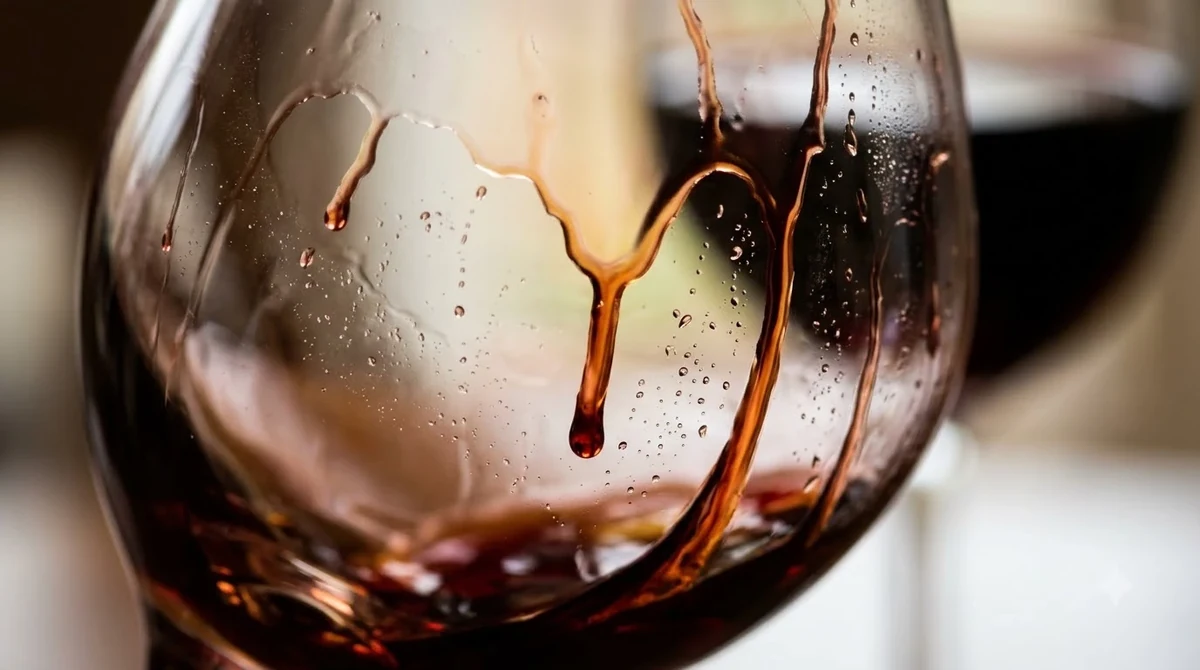
The trade-off is that the wine is designed to be bought in volume and used steadily, not kept for years. Read the box as a fresh, everyday red, and you will be closer to what the producer intended.
Red varieties in the Bota Box lineup
The red wines on the brand’s product pages fall into three groups: Cabernet Sauvignon, a red blend, and a barrel-aged Cabernet. Each one fits a different taste, so it helps to know which name matches which style before you buy.
| Name on the box | Line | Variety or style |
|---|---|---|
| Bota Box Breeze Cabernet Sauvignon | Bota Box Breeze | Cabernet Sauvignon |
| Rich Red Wine Blend | Nighthawk | Red blend |
| Bourbon Barrel Aged Cabernet Sauvignon | Nighthawk | Cabernet Sauvignon with barrel-aged character |
| Napa Valley Cabernet Sauvignon | Limited-time offering | Cabernet Sauvignon, listed as a seasonal release |
A Cabernet Sauvignon usually tastes of dark fruit, with firmer tannin than a red blend. A red blend tends to be softer and more approachable, which is why many people choose it for a casual dinner. The barrel-aged Cabernet is the most distinctive of the group, because the oak adds spice and a rounder finish. If you are new to the brand, the blend or the Breeze Cabernet is a sensible place to start.
Box and mini formats
The 3-liter box is the format most shoppers know. The brand states that each box holds four bottles of wine, which makes it a practical choice for a group or a week of drinking. The brand also sells a 500 mL single-serve format it calls the Mini, which it says contains three glasses of wine. Minis are useful for a single glass when you do not want to open a box.
Compare the formats by how often you will drink. A box suits regular use, because the bag keeps the wine from oxidizing as quickly as an open bottle would. A Mini suits occasional drinking or travel. Neither format is meant to age, so buy for the next few weeks rather than the next few years.
How to serve Bota Box red
Serve the red slightly cooler than room temperature. Most boxed reds show their best when they are not warm, and a few minutes in the refrigerator before pouring is enough. Use a standard wine glass rather than a tumbler, so the aromas have room to show. There is no need to decant a boxed wine, because it is meant to be drunk young.
Once the bag is part-empty, pour a glass at a time and keep the spout closed between pours. The wine keeps its character better this way than it would in a bottle that has been open for several days.
Food pairings for Bota Box red
Match the Cabernet Sauvignon with grilled burgers, roasted vegetables and mild cheeses. The tannin in the wine works well with fat and protein, so a simple steak or a sausage plate is a natural partner. The red blend is the easier choice for pizza, pasta with tomato sauce or a weeknight stew.
The barrel-aged Cabernet can handle richer food, including slow-cooked meats and smoked dishes. Lighter fare such as salads or fish will taste thin next to any of these reds, so save the fish for a white.
Think about the meal as a whole rather than the wine alone. A rich red works best when the food has some fat or char, while a bright tomato dish suits the softer blend. If you are cooking for a crowd, set out the red blend for the main course and keep the Cabernet for the grilled plates, so each glass has a clear partner.
Tip: If you cook with the wine, use the same red you plan to drink. A wine that tastes good in the glass will also taste good in a sauce, and a box makes it easy to keep enough on hand.
Who Bota Box red wine suits
Bota Box red is a good fit for people who want a reliable, low-fuss red for everyday meals and gatherings. It is also useful for hosting larger groups, where a box can stand in for several bottles. Wine enthusiasts who look for complexity or a specific vineyard may find the range too simple, and they will usually reach for a bottle from a single estate instead.
The format also suits people who drink a small amount but want a red on hand at all times. A box stays fresh for a reasonable stretch once opened, so it can cover a quiet week without the waste of a bottle that goes off after two nights. For a household that drinks only at weekends, the Mini may be the more sensible choice, since each one covers a single glass and travels well.
Frequently Asked Questions
How many bottles are in a Bota Box red wine box?
The brand states that its 3-liter box holds four bottles of wine. That makes it a good choice for regular drinking or for a small gathering, since you can pour as needed without opening several bottles.
Is Bota Box red wine a Cabernet Sauvignon?
Some of the red wines are. The Breeze line and the Napa Valley offering are Cabernet Sauvignon, and the Bourbon Barrel Aged bottling is a barrel-aged Cabernet. The Nighthawk Rich Red Wine Blend is a blend rather than a single variety, so check the label before you buy.
Does boxed red wine go bad faster than bottled wine?
The sealed bag limits contact with air, so a box often keeps its quality longer than an open bottle does. Still, boxed wine is made to be drunk within weeks, not years, so store it somewhere cool and finish it in a reasonable time.
What is the difference between a Bota Box and a Mini?
The Mini is a 500 mL single-serve format that the brand says holds three glasses. The standard box is 3 liters and holds four bottles. Choose the Mini for a single glass or travel, and the box for regular use at home.
Bota Box red wine is easy to find and simple to use. For more on boxed wine, see Black Box wine alcohol content, or compare the white side of the range in Bota Box white wine. The brand’s own product pages, at botabox.com, list the current lineup and formats.
More in Wine Brands
 Underwood Wine Price: Compare Bottles, Cans, and Pack SizesUpdated Nov 21, 2026
 Zenato Wine Price: Compare Styles and Choose the Right BottleUpdated Nov 21, 2026
 Zuccardi Wine Price: Compare Bottles and Find the Right RangeUpdated Nov 21, 2026
 Yellow Tail Moscato Review: Taste, Sweetness and Serving TipsUpdated Nov 21, 2026
 Wolf Blass Yellow Label Review: Choose Your Best StyleUpdated Nov 21, 2026
 Wolffer Estate Rose Review: Choose the Right Bottle for Your TableUpdated Nov 21, 2026