

We may earn a commission when you buy through links on this page, at no extra cost to you. Learn more.
Opus One Overture wine is the second label of Opus One Winery, the Oakville, Napa Valley partnership founded by Baron Philippe de Rothschild and Robert Mondavi, and it has been produced since 1993. It sits beside the flagship Bordeaux-style blend and gives drinkers a way to explore the same house at a different point in the lineup.
If you are looking at Opus One Overture on a wine list or a shop shelf and wonder how it relates to the famous flagship, this guide explains the partnership behind the estate, what the second label is, and how to think about serving and buying it. Where the sources give a specific fact, such as a year or a grape list, this guide uses it. Where they do not describe a detail, such as the Overture blend itself, the guide says so instead of inventing one.
The Partnership Behind Opus One
Opus One is a joint venture, not a single family’s estate. Baron Philippe de Rothschild of Château Mouton Rothschild and Robert Mondavi created the winery as a partnership, and the two families’ names are part of the brand’s story. The winery’s own website refers to its founders’ vision and attributes quotes and signatures to both men.
The estate is in Oakville, in the heart of Napa Valley. Reference works put the founding year at 1978, with 1979 as the first vintage and a joint-venture announcement in 1980. Those dates matter for collectors because they explain why the flagship is often described as a relatively young Napa icon compared with some older family estates in the valley.
For a buyer, the partnership is the key to reading the brand. Opus One was set up to make a single Bordeaux-style blend from Napa Valley fruit, and the second label grew out of the same effort to offer a wider range under one roof.
What Overture Is and Where It Fits
Overture is the second label. Reference sources note that it has been produced since 1993, which places it a decade and a half after the flagship’s first vintage. On the winery’s website, Overture appears in the “Acquire Our Wines” section as a category, with no description attached, so the site itself does not spell out the blend or the style.
That gap is worth knowing about. Many buyers assume a second label is simply a lighter version of the top wine, but that is not something the sources confirm for Overture specifically. If you want to know the blend for the vintage in your hand, read the back label and check the producer’s current release notes rather than relying on a general assumption.
What the flagship shows is the house approach. The winery’s site says each vintage reflects its “time and place,” with a balance between “power and finesse, structure and texture.” Those are the same principles a second label would be expected to follow, which makes Overture a useful way to see how the estate’s style travels across its lineup.
The Bordeaux-Style Blend Behind the House
The flagship blend is built on Cabernet Sauvignon, and the estate’s reference sources list Cabernet Franc, Merlot, Malbec and Petit Verdot among the grapes used in Bordeaux-style blending. That mix of varieties explains why Napa Bordeaux blends can taste rich and structured at the same time: the Cabernet gives backbone, and the supporting varieties add color, aroma and softness.
Blend composition changes from vintage to vintage, which is true of most Bordeaux-style wines. A single label can lean more on Merlot in one year and more on Cabernet in another. For Overture, the public sources do not give a fixed percentage or grape list, so this guide does not assign one. The practical step is to compare vintages within the same label rather than trusting a generic description.
| Item | What the sources say | What to check |
|---|---|---|
| Estate | Opus One Winery in Oakville, Napa Valley | Estate name on the front label |
| Partners | Baron Philippe de Rothschild and Robert Mondavi | Joint-venture history on the producer’s site |
| Second label | Overture, produced since 1993 | Vintage and bottling year on the back label |
| Flagship style | Bordeaux-style blend from Napa Valley fruit | Blend notes in the current release information |
How to Serve and Pair Opus One Overture
Serve Overture a little below room temperature, and give it time to open in the glass before you judge it. A Napa red from a warm vintage can taste hot and heavy if it is served too warm, while a short rest in a cool room brings the fruit and structure into balance. If the bottle is young, a brief decant can help the tannins soften.
The pairing rule for a Bordeaux-style red is to match the wine’s structure with food that has fat and protein. Grilled beef, roast lamb, mushroom dishes and aged cheeses all work well. A simple roast with herbs suits a younger bottle, while a more developed wine can handle a richer sauce. For a comparison from a different American estate, Pedernales wine offers another example of how a US red can be served with a similar meal.
Tip: If you cannot decide between the flagship and the second label, buy one bottle of each from the same vintage and taste them side by side with the same meal. That is the clearest way to see how the two relate on your own table.
Buying and Cellaring Opus One Overture
Buying a second label is easiest when you know where to look. Start with the producer’s current release information and then check a reputable wine retailer or a well-stocked shop that lists the vintage clearly. Because the winery’s website does not describe Overture in detail, reliable retail descriptions and critic notes are the best places to learn about a specific year.
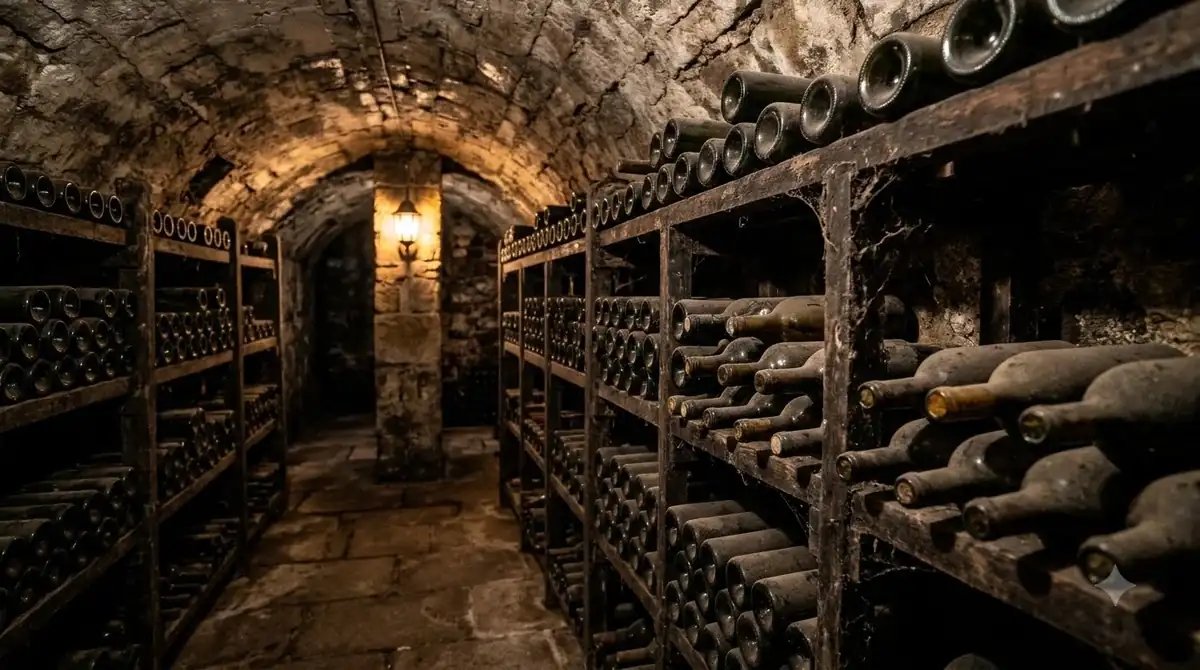
Cellaring follows the same logic as most structured Napa reds. Store bottles on their side in a cool, dark place with steady temperature, away from heat and light. A young bottle can be enjoyed with a good meal, but many structured reds open up with a few years of rest. Check the vintage before you decide how long to keep it, because a warm year and a cool year can call for different timing.
Keep the label and the release year on record when you buy. If you collect, that information helps you compare bottles across years, and it helps you spot a difference in style when the blend changes from one vintage to the next.
Frequently Asked Questions
Is Opus One Overture the same as the flagship Opus One wine?
No. Overture is the second label, produced since 1993, while the flagship is the estate’s main Bordeaux-style blend. Both come from the same winery, but they are separate bottlings with their own profiles.
Where is Opus One Winery located?
The winery is in Oakville, in Napa Valley, California. Reference sources note that it sits across State Route 29 from the Robert Mondavi Winery.
What grapes go into the Opus One blend?
The flagship is a Bordeaux-style blend based on Cabernet Sauvignon. Reference sources list Cabernet Franc, Merlot, Malbec and Petit Verdot among the varieties used in the blend. The exact mix changes by vintage.
Should I decant Overture before serving?
A short decant can help a young Napa red open up, especially if it still has firm tannins. An older bottle usually needs gentler handling and a careful pour so any sediment stays in the bottle.
Opus One Overture gives you a way into one of Napa Valley’s best-known partnerships without committing to the flagship price point or style. Read the vintage, compare it with the flagship when you can, and let the bottle tell you what the estate is trying to do. For more context on how wine brands and estates are grouped, the Wine Brands guide is a useful next step, and the producer’s own site at opusonewinery.com has the current release information.
More in Wine Brands
 Underwood Wine Price: Compare Bottles, Cans, and Pack SizesUpdated Nov 21, 2026
 Zenato Wine Price: Compare Styles and Choose the Right BottleUpdated Nov 21, 2026
 Zuccardi Wine Price: Compare Bottles and Find the Right RangeUpdated Nov 21, 2026
 Yellow Tail Moscato Review: Taste, Sweetness and Serving TipsUpdated Nov 21, 2026
 Wolf Blass Yellow Label Review: Choose Your Best StyleUpdated Nov 21, 2026
 Wolffer Estate Rose Review: Choose the Right Bottle for Your TableUpdated Nov 21, 2026