
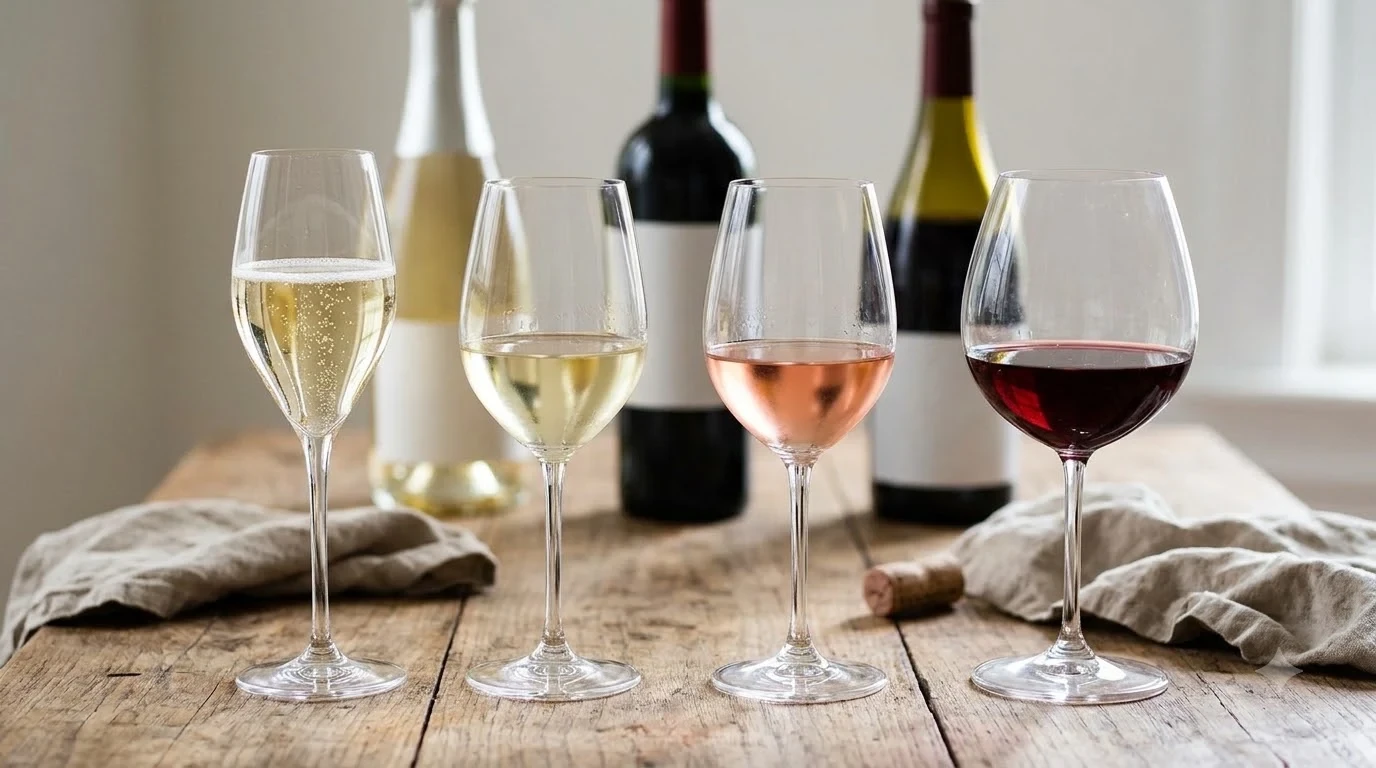

We may earn a commission when you buy through links on this page, at no extra cost to you. Learn more.
Pinot noir wine is a light to medium-bodied red with bright acidity, soft tannins, and flavors that range from cherry and raspberry to earth and mushroom. It is usually best served slightly cooler than room temperature, around 55 to 60 degrees Fahrenheit, and it pairs easily with salmon, roast chicken, duck, and mushroom dishes. Styles differ widely by region, so the label often matters more than the grape name.
Many people start with pinot noir because it is easier to drink than a big cabernet, yet it can be harder to choose a bottle that you will enjoy. This guide focuses on the wine in the glass: the main styles, how to read a label, how to serve and decant it, how long to keep it, and what to eat with it.
What Pinot Noir Wine Tastes Like
Pinot noir is light to medium in body, with high natural acidity and soft tannins. The wine usually shows red fruit such as cherry, raspberry, and strawberry, and the best examples add a layer of earth, forest floor, or tea leaves. Oak aging can bring vanilla and a little smoke, and older bottles often develop mushroom and leather notes.
The balance of fruit, acid, and earth is what makes pinot noir appealing to so many drinkers. Because it is not heavy, it can be enjoyed with a meal or on its own, and because it has a lot of subtle aroma, it rewards slow sipping. Alcohol is usually between about 12 and 14 percent, which keeps the wine feeling lighter than many reds with similar fruit.
The Main Pinot Noir Styles
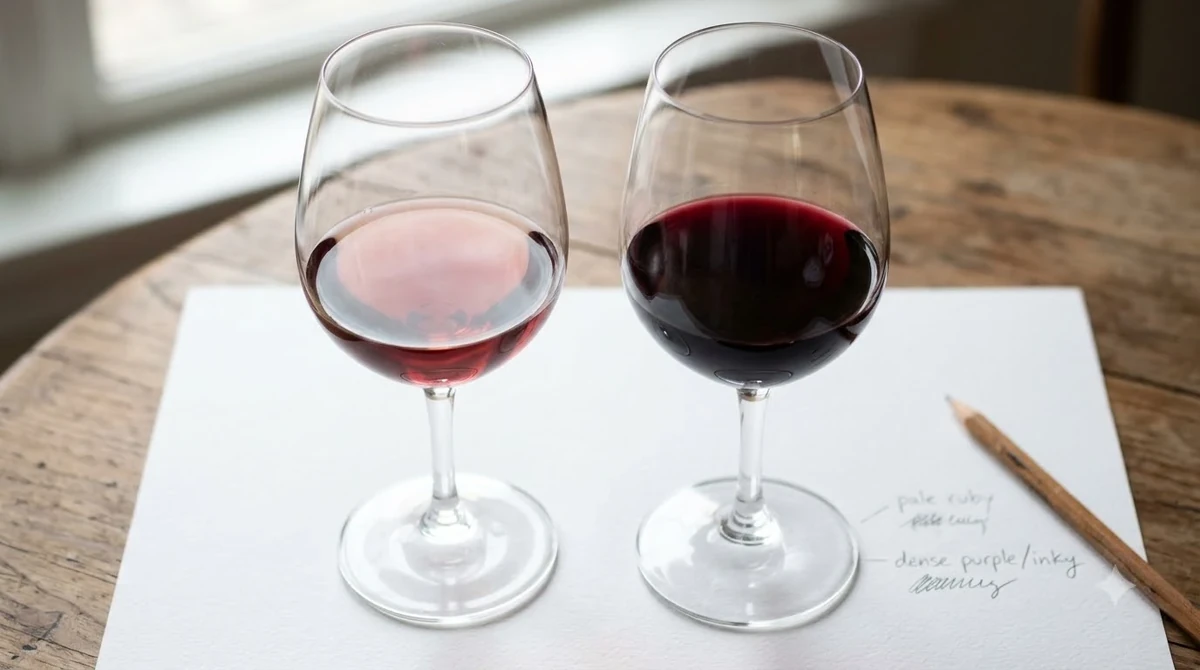
Pinot noir styles fall roughly into two camps. Fruit-forward wines, especially many from California, are riper and rounder, with black cherry, black raspberry, and sometimes vanilla, clove, or caramel from oak. Earthy, savory wines, especially from Burgundy in France, are more floral and mineral, and they often show less obvious fruit. Neither style is better; they simply suit different meals and moods.
Oregon sits between these two. Oregon pinot noir is usually a few steps lighter in color and texture than California wine, with cranberry, cherry, and sometimes truffle notes, and it is often the closest in style to Burgundy. If you are not sure which way to go, a bottle from a cooler region is a good place to start, because its acidity and freshness are easy to enjoy.
| Style | Typical flavors | Good with |
|---|---|---|
| Fruit-forward (often California) | Black cherry, black raspberry, vanilla | Grilled salmon, roast pork |
| Earthy and savory (Burgundy) | Red cherry, forest floor, mushroom | Mushroom dishes, roast chicken |
| Lighter and tart (Oregon) | Cranberry, Bing cherry, truffle | Salmon, duck, vegetable plates |
How to Read a Pinot Noir Label
Start with the region, because it usually tells you the style more clearly than the grape name. A Burgundy label often names a village, such as Gevrey-Chambertin, Chambolle-Musigny, or Pommard. Gevrey-Chambertin tends to be structured and firm, Chambolle-Musigny is usually elegant and aromatic, and Pommard is often fuller and more tannic. Each name gives a hint about what to expect. The Wine Folly pinot noir guide describes these regional differences in more detail.
Look for alternative names on the bottle too. Pinot noir is also labeled as Pinot Nero in Italy, Spätburgunder in Germany, and Blauburgunder in parts of Austria and Switzerland. Cool-climate regions such as the Pacific Coast and northern areas are often good places to look for lighter, fresher bottles. Vintage matters as well, since a cool year can produce brighter wine than a hot one.
How to Serve Pinot Noir
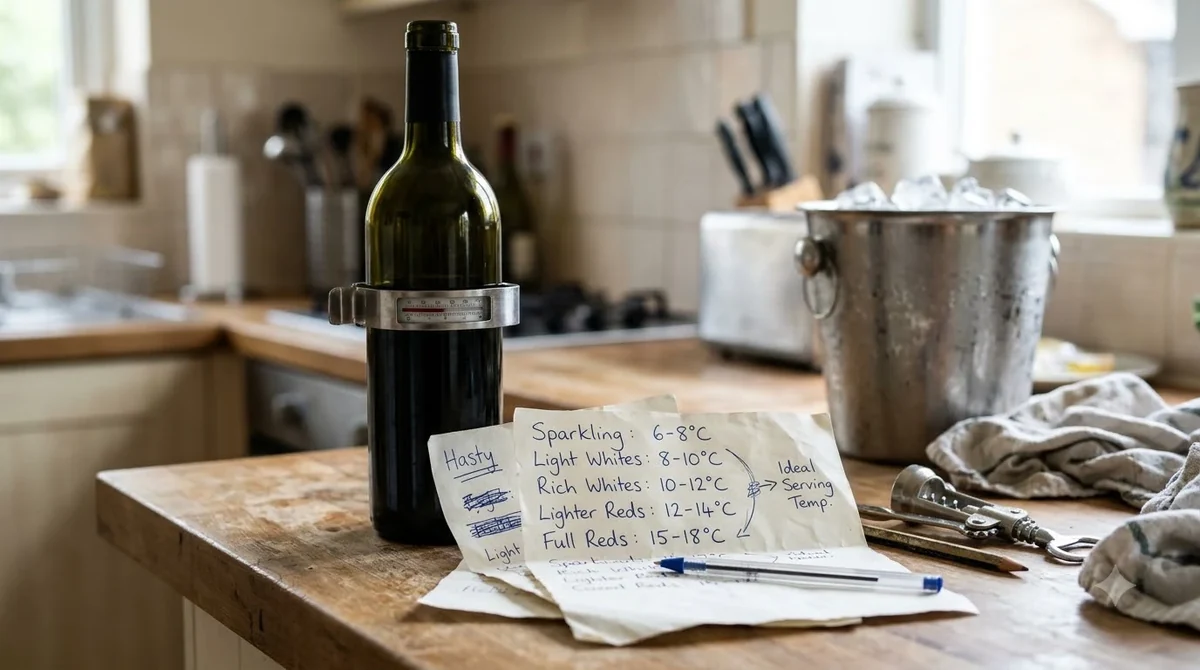
Pinot noir is best served a little cooler than room temperature, ideally around 55 to 60 degrees Fahrenheit. Many people keep their reds on the counter, which is often too warm for this wine. Put the bottle in the refrigerator for 15 to 20 minutes before pouring, and the fruit and acid will show more clearly.
Glassware helps too. An aroma collector glass has a wide bowl and a slightly narrower rim, which lets the scent gather and gives the wine room to open. Pour a moderate amount so there is space to swirl, and enjoy the wine over the next hour or two as it warms in the glass.
Decanting and Aging
Decanting is optional with pinot noir, and opinions differ. Many young bottles benefit from about 30 minutes in a decanter, which softens the first impression and lets the aromas develop. Older bottles, especially very old Burgundy, should be opened with more care, because they can be fragile and may throw sediment. If a bottle looks clear and tastes fresh, you can skip the decanter and pour directly.
Most pinot noir is ready to drink within a few years of the vintage, but many bottles evolve well over five to ten years. Top-tier examples from Burgundy and other serious regions can keep maturing for up to twenty years. Store bottles on their side in a cool, dark place, and check the producer’s guidance if it is provided.
Tip: If you have a bottle that tastes flat at first, give it 20 to 30 minutes in the glass before you decide. Pinot noir often opens up as it warms slightly.
Food Pairing for Pinot Noir
Pinot noir is one of the most food-friendly red wines. Its acidity lets it stand up to fatty foods, and its light tannins avoid clashing with fish. Salmon is a classic partner, and so are chicken, pork, and mushroom dishes. Duck is another favorite, because the acidity cuts through the fat and a spiced sauce brings out the wine’s fruit.
Be careful with heavily charred or smoky grilled meats, since the earthy character of pinot noir can clash with intense smoke. A simpler preparation, such as roasted vegetables with herbs or a mushroom risotto, lets the wine show its best side. For a simple dinner, try a seared salmon with a cherry or cranberry glaze and a bottle from Oregon.
Choosing a Bottle for Your Table
When you pick a bottle, decide first whether you want something bright and easy or deeper and more complex. A lighter, cooler-climate pinot noir is a good everyday choice that works with many meals. A richer, earthier bottle is better for a special dinner or a slow evening. Compare two or three bottles from different regions to see which style you enjoy most.
If you are interested in the grape itself, our guide to the pinot noir grape explains where it grows and how the thin skin shapes the wine. For a lighter white option from a related family, see pinot grigio wine. You can also browse the wine by type section to compare pinot noir with other reds and whites.
Frequently Asked Questions
Should pinot noir be served chilled?
Pinot noir is usually served slightly cool rather than chilled. A temperature of about 55 to 60 degrees Fahrenheit brings out the fruit and acid without making the wine taste flat.
Does pinot noir need to be decanted?
It is not required. Many young bottles benefit from about 30 minutes in a decanter, while older bottles should be opened carefully. Taste the wine first and decide from there.
What is the difference between Burgundy and Oregon pinot noir?
Burgundy tends to be earthier and more floral, while Oregon pinot noir is often brighter and more tart with cranberry and cherry notes. Oregon is often described as the closest New World style to Burgundy.
How long can I keep an unopened bottle of pinot noir?
Many bottles are ready within a few years, and most evolve well for five to ten years. Top-tier examples can last longer, but the best timing depends on the producer and vintage.
Pinot noir rewards a little curiosity. Try a few bottles from different regions, serve them slightly cool, and pair them with food that suits their freshness. Over time you will learn which style fits your table best.
More in Wine Types & Grapes
 Zinfandel Sugar Content: Dry Red vs. White Zinfandel GramsUpdated Nov 21, 2026
 Best Zinfandel Substitute Options for Sipping and CookingUpdated Nov 21, 2026
 Zweigelt Food Pairing: Best Dishes, Cheeses, and Serving TipsUpdated Nov 21, 2026
 Zinfandel Tannins Explained: How Structure Shapes Every BottleUpdated Nov 21, 2026
 Zinfandel Sweetness Level: Dry Red vs. Sweet White Zin ExplainedUpdated Nov 21, 2026
 Xinomavro Food Pairing: Best Dishes, Styles, and Serving TipsUpdated Nov 21, 2026