


We may earn a commission when you buy through links on this page, at no extra cost to you. Learn more.
Harlan Estate wine is a Napa Valley red, associated with structured, Cabernet-based wines that are built to age. The winery’s address places it in Oakville, in the heart of Napa Valley, and its wines are usually described as full-bodied and serious rather than light and easy. Serve them at cellar-style temperatures, give them time to open, and pair them with rich, well-seasoned meat dishes.
Harlan Estate is one of the names collectors and serious red wine drinkers ask about, and the label can look intimidating if you are new to fine Napa wines. This guide explains what the brand is known for, what a Napa Cabernet-style red generally tastes like, how to serve and store these wines, and what to eat with them. It also points out where a bottle like this fits compared with more approachable options.
Where Harlan Estate fits in Napa Valley
Harlan Estate is located in Oakville, California, according to the address on the winery’s website, which also lists a phone line and a contact email for visitors and trade customers. Oakville is one of the best-known growing areas in Napa Valley, and it is widely recognized for red wines built around Cabernet Sauvignon. Being in the valley’s central appellations places the estate in the middle of the region’s most discussed vineyard land.
Napa Valley as a whole is one of the reference points for California red wine. The Wine Folly guide to Cabernet Sauvignon notes that Napa’s Cabernet is part of the North Coast AVA, which also includes Sonoma County, and that Californian Cabernet won the 1976 blind tasting known as the Judgment of Paris. That history explains why so many producers in the valley aim for the same kind of concentrated, structured red.
What a Harlan-style Napa red tastes like
Because the producer’s site is light on tasting detail, it helps to start with the grape. Wine Folly describes Cabernet Sauvignon as dry and full-bodied, with medium-high tannins and acidity and a typical alcohol range of 13.5% to 15% ABV. Its primary flavors are black cherry, black currant, cedar, baking spices and graphite. Napa examples in particular often show blackberry, pencil lead, tobacco and mint, according to the same guide.
A bottle from an estate like this one is usually more about structure and length than about bright, quick fruit. Expect a wine that feels firm on the palate at first and then opens with time in the glass. The fruit tends to sit beneath layers of oak, tannin and earthy spice, which is why these wines reward patience. Younger bottles can taste tight, so a little air or a short decant can make a big difference.
| Aspect | What to expect |
|---|---|
| Style | Napa Valley red, Cabernet-based and structured |
| Body | Full, dry |
| Tannin and acidity | Medium-high |
| Typical flavors | Black cherry, black currant, cedar, graphite |
| Alcohol | Usually 13.5% to 15% ABV for Cabernet |
| Aging | Often a decade or more in good vintages |
How to serve these wines
Serve big Napa reds a little cooler than most people expect. Wine Folly recommends about 60 to 68°F (15 to 20°C) for Cabernet Sauvignon, which keeps the wine from tasting hot or flabby. Use a large glass with room to swirl, since the aromas take time to open. Wine Folly also suggests decanting for about an hour, which softens the tannins and lets the fruit and oak integrate.
Storage matters just as much. Keep bottles on their side in a cool, dark place with steady temperature, and avoid heat near the kitchen or a sunny window. If a bottle has been stored well, give it a sniff and a taste before a special dinner, since older bottles can develop sediment and need to be poured carefully.
Food pairings for a bold Napa red
Structured reds pair best with food that has enough richness and seasoning to match the tannin. Wine Folly points to grilled meats, peppery sauces and boldly flavored dishes as the natural partners for Cabernet Sauvignon. A grilled ribeye with a simple salt and pepper crust, a braised short rib, or lamb with rosemary all work well because the fat softens the tannins and the herbs echo the wine’s savory side.
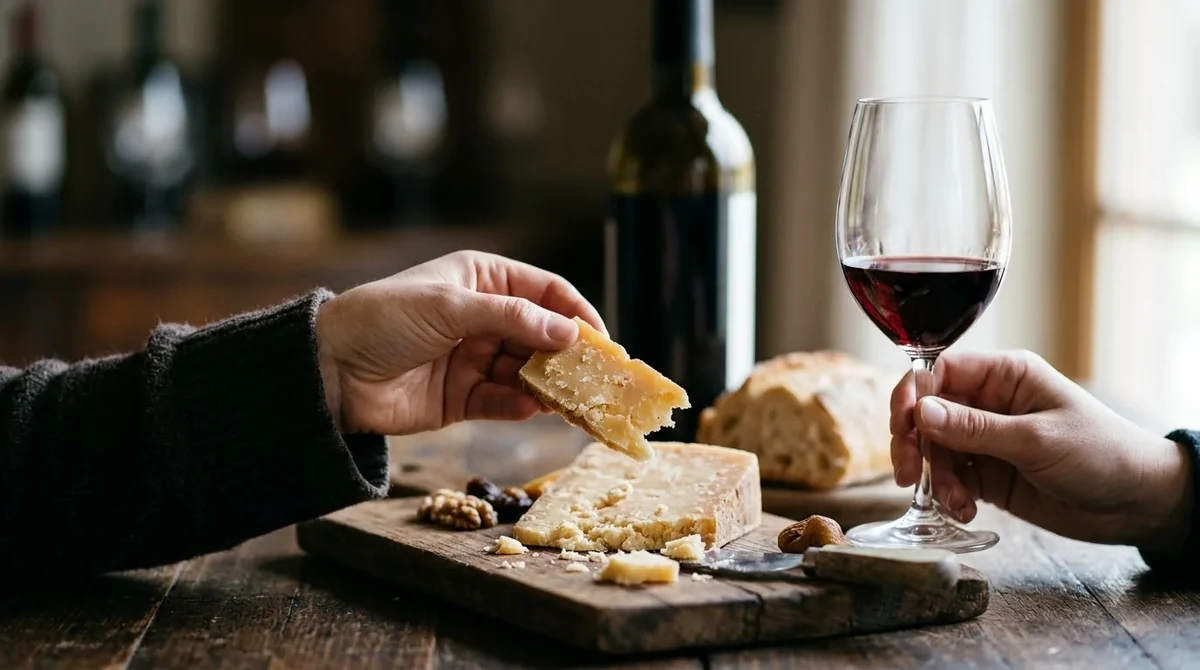
Hard cheeses such as aged cheddar or Parmigiano-Reggiano are another good match. They have enough salt and fat to balance the wine’s structure, and they make a satisfying finish to a long dinner. Avoid pairing a big Napa red with delicate fish or light salads, since the wine will overpower the food and leave both tasting flat.
Tip: Pour the wine into a large glass only about a third full. That leaves room to swirl, which is the easiest way to pull out the aromas of a structured red.
Buying and cellaring a bottle
Estate wines from Napa are often sold through allocation lists, retailers that specialize in fine wine, or the winery itself. If you are buying a bottle to open soon, look for a recent vintage and ask the shop how it has been stored. Bottles that have sat in a warm shop window or a hot delivery van may already be past their best, even if the label looks fine.
If you plan to hold a bottle for years, the cellar conditions matter more than the price tag. Stable temperature, low light and a little humidity protect the cork and keep the wine’s structure developing gently. Write the purchase date on the bottle or in a cellar log, so you can plan when to open it. A structured Napa red often rewards a waiting period, but there is no fixed date that suits every vintage, so tasting one bottle from a case before opening the rest is a sensible habit.
Who this kind of wine suits
A Harlan Estate-style red is best for drinkers who enjoy full-bodied, age-worthy wines and are happy to wait for a bottle to open up. It suits special dinners, collectors who want to hold bottles for several years, and anyone who likes the classic Napa Cabernet profile. Its structure also makes it a good match for rich, slow-cooked food on a cold evening.
It may be less appealing to people who want a light, easy-drinking red for everyday meals or who prefer fruity, low-tannin wines. For a more approachable option from another producer, the Pedernales wine page offers a different style to compare. If you are building a shortlist of brands, the wine brands guide is a useful next step.
Frequently Asked Questions
What kind of wine is Harlan Estate?
Harlan Estate is a Napa Valley winery, and its reds are generally described as structured, full-bodied and Cabernet-driven. The winery’s own site gives its address in Oakville, California, which is in the heart of Napa Valley.
Should I decant Harlan Estate wine?
For a young, firmly structured red, decanting for about an hour is a sensible step, since it softens the tannins and opens the aromas. Older bottles should be decanted more carefully, because they may carry sediment.
What temperature should I serve it at?
Serve Napa Cabernet-style reds around 60 to 68°F, a little cooler than many people expect. The cooler temperature keeps the wine’s structure in balance and prevents it from tasting hot.
What foods go best with a Napa Cabernet?
Grilled steak, braised short ribs, lamb with rosemary and aged hard cheeses are classic matches. The fat and salt in these dishes soften the tannins and bring out the wine’s savory side.
Harlan Estate wine rewards patience, good food and a large glass. If you want to see how a different Napa producer approaches the same grape, the Spottswoode wine page is a helpful comparison, and the wine brands guide covers other names worth knowing.
More in Wine Brands
 Underwood Wine Price: Compare Bottles, Cans, and Pack SizesUpdated Nov 21, 2026
 Zenato Wine Price: Compare Styles and Choose the Right BottleUpdated Nov 21, 2026
 Zuccardi Wine Price: Compare Bottles and Find the Right RangeUpdated Nov 21, 2026
 Yellow Tail Moscato Review: Taste, Sweetness and Serving TipsUpdated Nov 21, 2026
 Wolf Blass Yellow Label Review: Choose Your Best StyleUpdated Nov 21, 2026
 Wolffer Estate Rose Review: Choose the Right Bottle for Your TableUpdated Nov 21, 2026