

We may earn a commission when you buy through links on this page, at no extra cost to you. Learn more.
Concord wine is an off-dry red wine made from the Concord grape, a native American variety that is grown mainly for juice and flavoring. The wine has a noticeably fruity, grape-forward character with notes of plum sauce and musky spice, and it is usually served slightly cool. Because of its gentle sweetness, Concord works well with barbecue, aged cheeses, and other strongly flavored foods.
Concord is one of the most recognizable grapes in the United States, but it sits outside the European wine tradition that most wine guides describe. Its wines taste different from the dry reds people usually buy from Bordeaux or California, and that difference is the reason many drinkers either love it or avoid it. This guide explains where the grape comes from, what the wine tastes like, how to serve it, and what to eat with it.
What Concord Grape Is
The Concord grape is a dark-skinned variety of the species Vitis labrusca, which is native to North America. It was developed in Concord, Massachusetts, and it has a strong, distinctive aroma that sets it apart from the Vitis vinifera grapes used in most European wines. That aroma is one of the first things people notice, and it is why the grape became a household favorite for grape juice and jam long before it became a wine grape.
In practice, the grape is most closely tied to New York, which is the state where it is planted most widely. Most of that crop goes into juice and flavoring rather than into wine. Wine made from Concord is therefore a specialty product, usually made by smaller producers who want to show the grape’s character in a bottle.
Flavor and Style of Concord Wine
Concord wine is described as off-dry, which means it has a little residual sugar that makes it taste softer than a fully dry wine. According to Wine Folly’s guide to the Concord grape, the typical aromas and flavors include grape, plum sauce, musk, potting soil, and cumin. Those earthy and spicy notes are part of what makes the wine feel distinctive.
The body is listed as medium-full, which gives the wine more weight than a light red. Tannins are medium, and acidity is also medium, so the wine feels balanced rather than sharp. The overall impression is of a fruity, round red that can feel warm and generous on the palate.
| Characteristic | Typical Concord wine | What it means for you |
|---|---|---|
| Sweetness | Off-dry | Softer than a dry red, good with sweet sauces |
| Body | Medium-full | More weight than Pinot Noir, a good match for hearty food |
| Tannins | Medium | Gentle grip that does not dry out the mouth |
| Acidity | Medium | Balanced, so the wine feels round rather than tart |
| Alcohol | 13.5% to 15% ABV | Typical for a table red |
| Main flavors | Grape, plum sauce, musk, cumin | Fruity and spicy, with earthy notes |
Tip: If you are not sure whether you will like the style, pour a small glass first and smell it before tasting. The strong grape aroma is the feature most people either enjoy or find unfamiliar.
Where Concord Grows and How It Is Made
Concord grows well in cold climates, which is one reason it is common in the Northeast and Great Lakes regions. The vines handle winter conditions that would stress many European varieties, and the grape ripens reliably in these areas. That hardiness is also why the grape has such a long history in home gardens and community vineyards.
Winemakers who work with Concord have to make decisions about sweetness and structure. Because the grape’s natural character is bold, many producers keep some sugar in the finished wine so the fruit stays in balance. Others ferment it nearly dry, but that approach shows the grape’s strong aroma more clearly, and it is a less common choice.
How to Serve Concord Wine
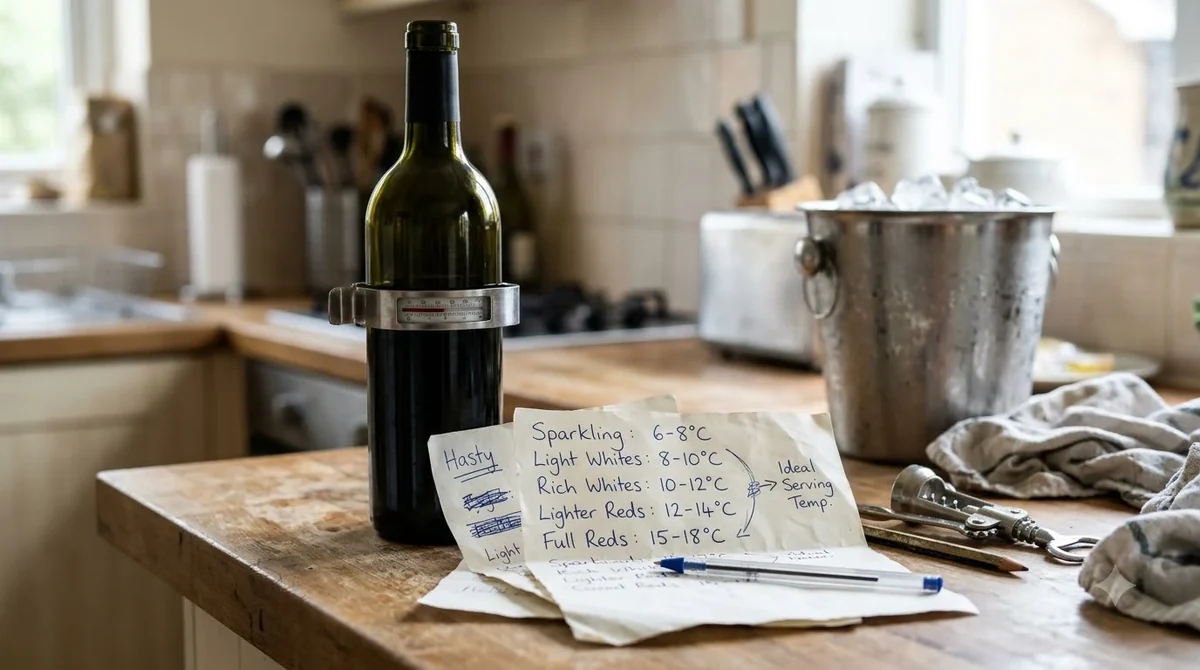
Concord is best served slightly cool, in the range of 12 to 15 degrees Celsius, or about 55 to 60 degrees Fahrenheit. At that temperature the fruit stays fresh and the sweetness feels balanced rather than heavy. If the bottle has been sitting in a warm room, a short time in the refrigerator is enough to bring it into range.
Decanting is optional, but Wine Folly suggests letting the wine breathe for about 30 minutes. That gives the aromas time to open and can soften any sharp edges in a young bottle. A universal glass works well, because its shape lets you catch the plum and spice notes without losing them to the air.
Concord is not usually a wine to store for decades. The same guide suggests cellaring it for about one to three years, so it is best enjoyed fairly young while the fruit is at its peak.
Food Pairings for Concord Wine
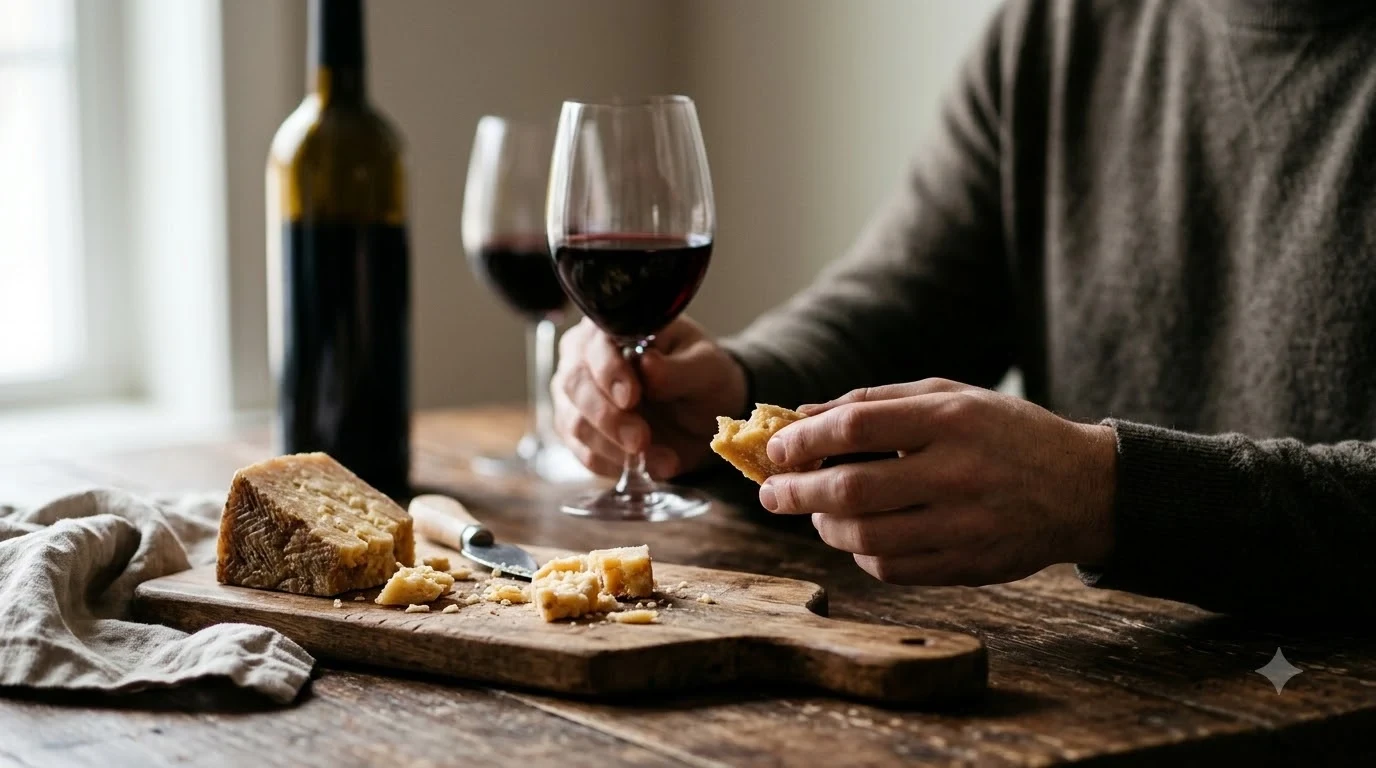
Strongly flavored food is where Concord shines. Barbecue with a sweeter sauce is a classic match, because the wine’s fruit and gentle sweetness echo the sauce and the smoky char of the meat. Aged cheeses also work well, especially firm, nutty varieties that can stand up to the wine’s body and spice.
For a simple dinner, try Concord with pork ribs glazed in a fruit-based barbecue sauce, or with a plate of sausages and roasted peppers. The wine’s acidity keeps the richness in check, and its sweetness helps tame heat from spicy seasonings. Concord is also a good choice for a casual cheese board with sharp cheddar and crackers.
Lighter dishes, such as delicate fish or fresh salads with citrus dressing, are harder to match. The wine’s bold aroma can overpower them, so save Concord for food with some weight and spice.
How to Choose a Concord Wine
Read the label for the sweetness level and the producer’s notes. Because Concord is an off-dry style, the label may describe the wine as sweet, semi-sweet, or off-dry, and those words tell you how the bottle will taste. If you prefer a drier wine, look for a version that is described as dry, or compare it with a more familiar red such as cabernet franc wine, which gives a similar sense of structure with a different flavor profile.
Check the vintage as well. Because most Concord wines are meant to be drunk within a few years, a recent bottle is usually a better choice than an older one. If the producer’s website lists tasting notes or serving suggestions, those details can help you decide whether the style suits your table.
For a broader look at how sweetness and grape character shape the glass, the Wine by Type section of this site compares many red and white styles side by side.
Frequently Asked Questions
Is Concord wine sweet?
Concord wine is usually described as off-dry, which means it has some residual sugar and tastes softer than a fully dry red. The exact sweetness varies by producer, so check the label or the producer’s notes.
What does Concord wine taste like?
Concord wine typically tastes of grape, plum sauce, and musky spice, with earthy notes of potting soil and cumin. The aroma is strong and fruity, which is what most people notice first.
Should Concord wine be served chilled?
Serve it slightly cool, around 12 to 15 degrees Celsius, or about 55 to 60 degrees Fahrenheit. A short time in the refrigerator is enough if the bottle has been sitting in a warm room.
What food goes well with Concord wine?
Concord pairs well with barbecue that has a sweeter sauce, aged cheeses, and well-seasoned sausages or pork. Its gentle sweetness and acidity balance rich and spicy dishes.
Concord wine is a distinctive American red that rewards an open mind. Start with a small glass served slightly cool, pair it with barbecue or a firm cheese, and see whether its fruit and spice suit your table. For more on how grape character shapes the wine in the glass, visit Wine by Type.
More in Wine Types & Grapes
 Zinfandel Sugar Content: Dry Red vs. White Zinfandel GramsUpdated Nov 21, 2026
 Best Zinfandel Substitute Options for Sipping and CookingUpdated Nov 21, 2026
 Zweigelt Food Pairing: Best Dishes, Cheeses, and Serving TipsUpdated Nov 21, 2026
 Zinfandel Tannins Explained: How Structure Shapes Every BottleUpdated Nov 21, 2026
 Zinfandel Sweetness Level: Dry Red vs. Sweet White Zin ExplainedUpdated Nov 21, 2026
 Xinomavro Food Pairing: Best Dishes, Styles, and Serving TipsUpdated Nov 21, 2026