

We may earn a commission when you buy through links on this page, at no extra cost to you. Learn more.
To estimate how much wine for a wedding, plan about half a 750 ml bottle of still wine per adult wine drinker for a moderate reception with other drinks available. Increase that allowance if wine is the main bar option or the reception runs long. A standard bottle provides five 5-ounce servings, so the math is straightforward once you choose a realistic per-person estimate.
Wedding wine is easiest to plan when you separate the still wine served through dinner and the reception from any dedicated sparkling toast. Count the adults who will actually drink wine, estimate how many hours the bar is open, and account for other drinks before ordering. The goal is a realistic supply with a modest reserve, not automatically one bottle for every name on the guest list.
A Practical Starting Point for Wedding Wine
For a three- to four-hour reception with dinner and other drink choices, start with one 750 ml bottle of still wine for every two adult wine drinkers. That is about two and a half 5-ounce glasses per person; raise the allowance for a longer, wine-focused event.
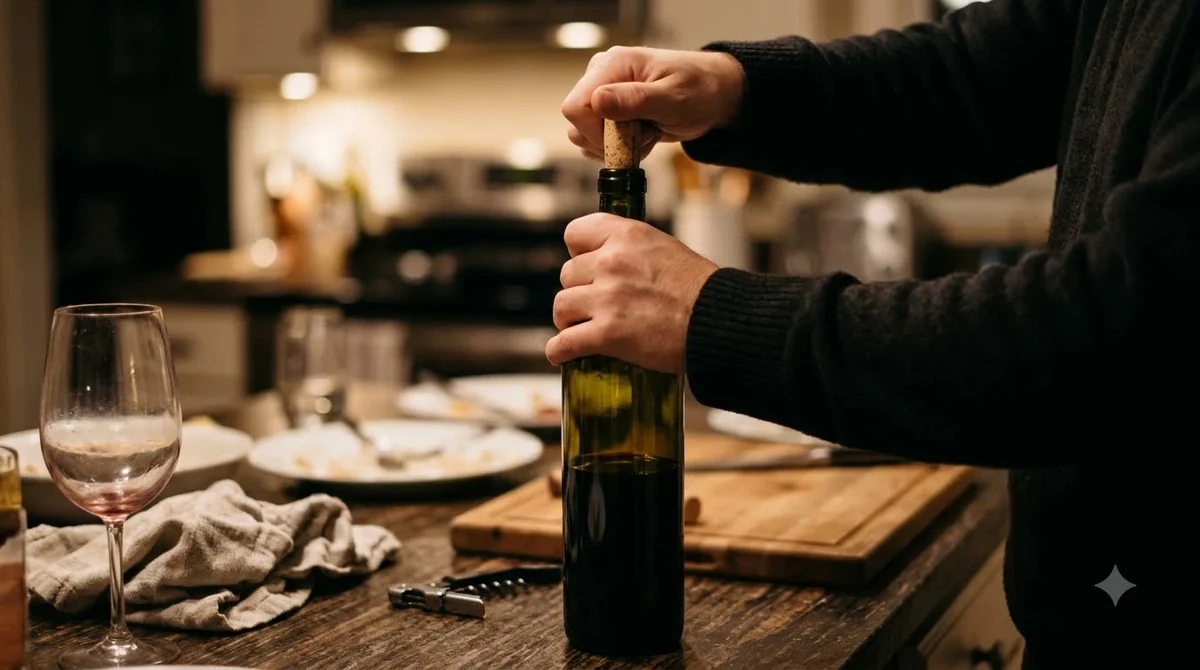
This is a planning baseline, not a prediction for every guest. Wine Cellar HQ also uses about half a bottle per adult as a moderate-reception starting point, while noting that duration and bar format change the total. A seated dinner with wine on the tables is different from a short afternoon reception with beer, cocktails, and a brief toast.
For 100 adult wine drinkers at a four-hour event, the baseline gives 50 bottles before reserve, or 55 with 10 percent added. This assumes wine is one of several choices, not the drink most guests choose every hour.
A one-bottle-per-adult rule is a more conservative option for a long, wine-led reception with roughly one wine serving per hour. It is not a universal minimum: for a four-hour full bar, calculate wine’s share of all drinks rather than ordering one bottle for every adult by default.
The site’s Wine Basics resource reviews serving sizes and wine styles before you choose labels.
Calculate Bottles From Guest Count and Reception Length
Estimate the number of wine servings, then convert servings into bottles. Use five 5-ounce glasses per 750 ml bottle, adjusting for larger venue pours or a bar where wine is only one option.
Count adults who are likely to drink wine, not the total invitation list. If 140 people attend, including 18 children and 12 adults who do not drink alcohol, the planning count is 110 potential wine drinkers. Reduce it further when you know some adults will choose beer, cocktails, or soft drinks.
For a more precise bar-mix estimate, use this formula:
Still-wine bottles = (adult drinking guests × reception hours × expected alcoholic drinks per guest per hour × wine’s share of the bar) ÷ 5.
Tip: Ask your caterer to confirm the actual pour size before placing the order. A 6-ounce pour yields about four glasses per 750 ml bottle, not five, and can materially change a large wedding order.
The hourly drink rate and wine share are assumptions, not fixed averages. One model uses one alcoholic drink per guest per hour, with wine at 50 percent for a full bar, 60 percent for beer and wine, or 100 percent for wine only. Adjust the shares to fit your guests.
For 100 adult drinking guests at a four-hour full-bar reception, assume one alcoholic drink per guest per hour and a 50 percent wine share: 100 × 4 × 1 × 0.50 ÷ 5 = 40 bottles. A 10 percent reserve brings the order to 44. With a beer-and-wine bar and a 60 percent wine share, the same calculation gives 48 bottles before reserve, or 53 after rounding.
For a wine-only four-hour reception, the same assumptions produce 80 bottles before reserve and 88 after a 10 percent allowance. The same 100 people can therefore require very different orders depending on whether wine is the only alcoholic option or one of several.
Some planners use four servings per bottle and one wine glass per adult per reception hour, a cautious model for larger pours. The WSJ Wine wedding-planning guide outlines that approach and suggests one sparkling bottle per six toast guests. Choose the pour assumption your caterer will use and apply it consistently.
Bottle Estimates for Common Guest Counts
A quick table is useful once you have chosen the moderate-reception baseline. The following counts assume half a bottle of still wine per adult wine drinker, then add a 10 percent reserve; they do not include a separate sparkling toast, beer, cocktails, or wine for vendors.
| Adult wine drinkers | Still wine before reserve | With 10% reserve | 12-bottle cases to cover total |
|---|---|---|---|
| 50 | 25 bottles | 28 bottles | 3 cases |
| 100 | 50 bottles | 55 bottles | 5 cases |
| 150 | 75 bottles | 83 bottles | 7 cases |
| 200 | 100 bottles | 110 bottles | 10 cases |
Figures are rounded up to whole bottles and 12-bottle cases. Mixed cases let you combine red and white while keeping close to the total; buying full cases of one wine can leave extra. For example, an order of 55 bottles requires five cases, supplying 60.
Use the table as a quick estimate, then apply the hourly formula for events longer than four hours or when wine supplies most of the bar. A 150-person afternoon reception lasting two hours may need less; a six-hour dinner serving wine with each course may need more.
For a closer look at the 100-person version, use the site’s companion guide to how much wine for 100 guests. It is especially useful when you already know the final headcount and want to compare a simple guest-based allowance with a more tailored estimate. Keep the number of adult wine drinkers consistent across your notes, spreadsheet, and venue order so the same people are not counted twice.
A 10 percent reserve covers spills, uneven preferences, and extra pours. Ask about returns before choosing a larger buffer; venues with measured pours and a clear return policy may need less.
Plan Sparkling Wine for the Toast Separately
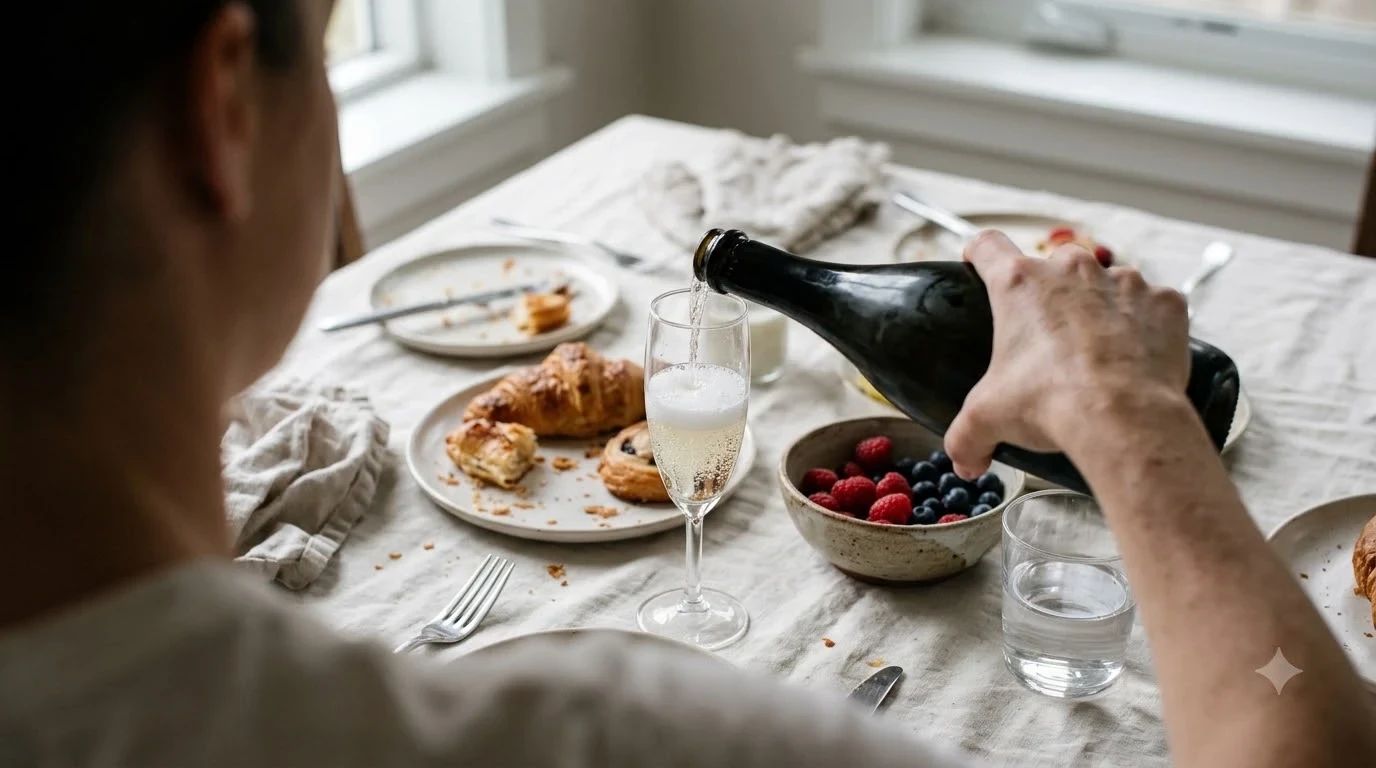
A dedicated toast is simpler to estimate as its own line item. For a 4-ounce sparkling pour, plan on roughly six guests per 750 ml bottle; for a larger 5-ounce pour, use five guests per bottle. This prevents the toast from being missed, while keeping you from adding the same servings twice if sparkling wine is already included in the bar calculation.
For 100 toast participants, the six-per-bottle method calls for 17 bottles, or 19 with a 10 percent reserve. A toast for 150 takes 25 bottles before reserve, or 28 after. These counts do not cover guests who keep drinking sparkling wine afterward.
Confirm whether staff pour for every guest or only those who want wine. If a nonalcoholic toast option is available, count sparkling bottles only for guests expected to take them. Ask whether staff pour at tables, hand out glasses at the entrance, or serve from a bar; the setup changes how many bottles need to be open at once.
Sparkling wine is often poured in smaller servings than still wine. WSET describes a typical U.S. sparkling portion as about 4 ounces, with at least six servings from a standard bottle; its explanation of wine serving sizes and decanting is a useful reference when confirming your caterer’s pour. Flutes and other glass shapes do not by themselves tell you how much wine the server will pour, so ask for the actual serving size.
Also decide whether the sparkling toast should be Brut, Extra Dry, or a sweeter style. Brut is a dry, versatile choice for a broad reception menu, while Prosecco can work well for a casual welcome pour. The sweetness category matters less to the bottle count than the pour size, but it affects whether the wine suits the guests and the food.
Choose Red, White, and Rosé for the Menu
Once the total still-wine quantity is set, split it into a small number of styles that match the meal and likely preferences. A half-red, half-white split is an easy starting point when you have no reliable guest preference data; adjust toward white or rosé for a warm outdoor reception, seafood menu, or daytime event.
For a 55-bottle order, an even starting split is 28 bottles of white and 27 bottles of red. If the reception is in July, outdoors, and serves grilled fish or chicken, you might instead choose 30 bottles of white, 15 bottles of rosé, and 10 bottles of lighter red. A cool-weather dinner with beef, lamb, or mushroom dishes may call for a larger red share. The exact split should follow the menu rather than a rule that every wedding needs the same number of each color.
Keep the list concise: one white and one red cover many receptions, with rosé added for a reason and toast wine counted separately. Pinot Grigio or Sauvignon Blanc offers a crisp white; Chardonnay is fuller.
Choose an approachable red rather than a highly tannic style that may not suit every dish. Pinot Noir is lighter in tannin and works with poultry, salmon, and mushrooms; Merlot has softer, medium tannins and suits beef or roasted vegetables. Cabernet Sauvignon is firmer and fits richer meat dishes when guests enjoy bold reds.
Match acidity with acidity; salt and fat can soften tannin, while spicy food can make alcohol and tannin feel more pronounced. Oily fish can clash with strongly tannic reds. For a multi-course menu, choose wines that work with several dishes instead of assigning a different bottle to every plate.
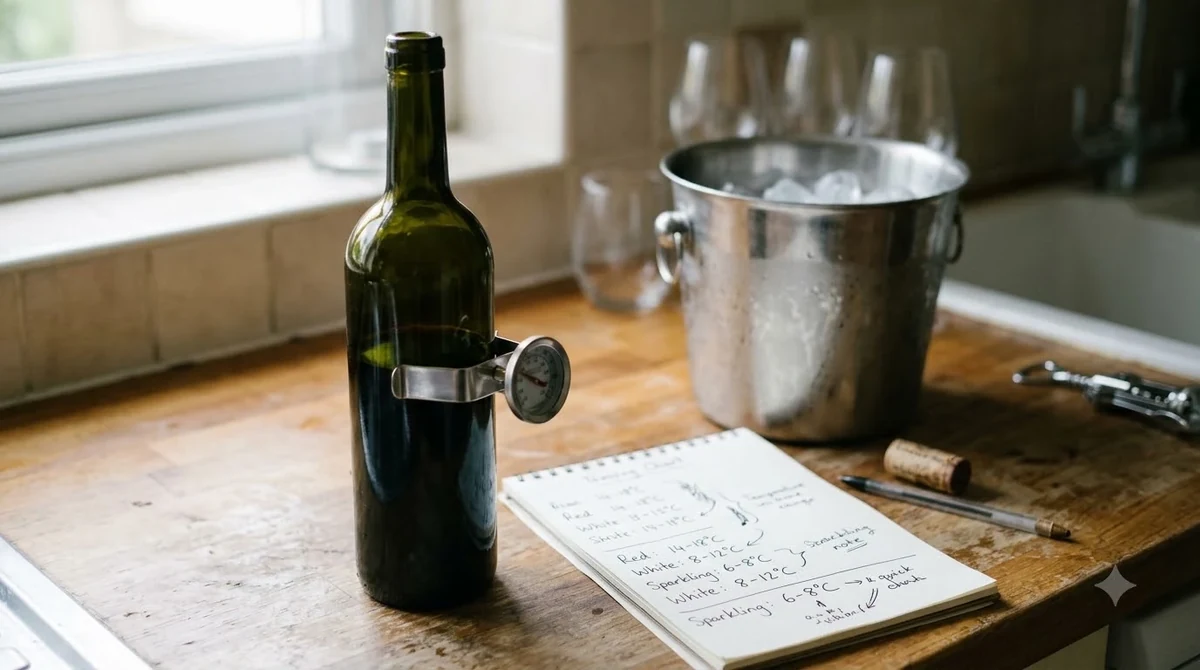
Serve sparkling wine around 40–50 F, light whites and rosé at 45–50 F, fuller whites at 50–55 F, light reds at 55–60 F, and fuller reds at 60–65 F. Ask the venue to plan refrigeration, ice buckets, and when reds should be brought into the dining room.
Coordinate Service, Storage, and Venue Rules
The bottle count is only one part of a successful wine order. Confirm the venue’s service rules, delivery window, glassware, chilling space, and staffing before purchasing; a 100-bottle order needs a different storage and opening plan from a 25-bottle dinner.
Ask whether you may bring your own wine and whether corkage is charged per bottle brought in, opened, or served. Review the guide to how much is corkage fee and compare it with the venue contract. Some venues require all alcohol to come through their bar; others allow outside bottles with advance approval.
Arrange delivery several days before the wedding so someone can count cases and report damage. Keep bottles in a cool, dark place near 55 F; avoid a hot garage, direct sun, or a vehicle. Sealed bottles with natural cork are best stored on their sides.
Make a service schedule: chill white and sparkling bottles the day before, stage toast bottles in advance, and bring reds out shortly before dinner. If staff pour at tables, confirm whether they use measured 5-ounce servings or a larger house pour, which reduces the number of glasses per bottle.
Confirm glassware for cocktail hour, dinner, and sparkling, including whether staff wash and reuse it. Ensure backup bottles can stay chilled and reserve cases are easy to locate.
Assign one person to communicate with the bar captain and track unopened stock. At a 150-person reception, keeping reserve cases in a separate marked area helps staff avoid opening them too early.
Confirm the unopened-bottle return policy in writing, including case condition and deadline. If returns are not allowed, keep the reserve modest and choose bottles you would serve again. Ask staff to close and store opened bottles the couple plans to keep.
Frequently Asked Questions
These five details can help refine the order after the guest count and reception schedule are set. They cover bottle formats, leftovers, and small service decisions that are easy to overlook while planning a 4-hour or 5-hour celebration.
How many glasses are in a magnum of wine?
A standard magnum holds 1.5 liters, exactly twice the volume of a 750 ml bottle. At five ounces per pour, it provides about 10 glasses. It reduces the number of containers staff handle, but it does not reduce the total wine volume needed for the guest count.
How many servings come from a half-bottle?
A 375 ml half-bottle holds about 2.5 standard 5-ounce servings. It can be useful for a small private dinner, a gift basket, or a table that needs a limited quantity of a less-popular style. For a large reception, standard 750 ml bottles are usually easier to count and manage.
How long can leftover still wine be kept?
Re-corked still wine generally keeps for about 3–5 days in the refrigerator, although freshness depends on the wine and how much air remains in the bottle. Sparkling wine usually loses its fizz sooner, often within 1–3 days when properly stoppered and chilled. Ask the venue to close bottles promptly and send them home upright in a secure carrier.
Can boxed wine work for a wedding reception?
Bag-in-box wine can be practical for informal service because the tap limits repeated air exposure after opening. A typical box format may keep for roughly 4–6 weeks after opening when stored as directed, which is longer than an opened bottle. Check whether the venue permits it and whether the style is appropriate for the formality of the event.
Should wedding wine be stored on its side?
For sealed bottles with natural cork, side storage keeps the cork in contact with the wine and helps prevent it from drying out during longer storage. Screw-cap bottles do not need the same cork contact, so they can be stored upright. For a wedding order held only a few days, the bigger priority is a cool, dark, stable place away from heat and sunlight.
The best wedding wine order starts with the adults who will drink wine, the number of reception hours, and the share of the bar assigned to wine. Use five 5-ounce servings per standard bottle, add a modest reserve, and count any sparkling toast separately so the estimate stays clear. Confirm the pour size and venue rules before placing the order, then choose a short list of wines that suits the menu and your guests.
More in Wine Basics
 Which Rose Is Best for Your Taste, Budget, and Food PairingsUpdated Nov 21, 2026
 Is Cheap Wine Bad? How to Find Bottles Worth DrinkingUpdated Nov 21, 2026
 What To Write On A Wine Gift Tag: Thoughtful Messages For Every OccasionUpdated Nov 21, 2026
 Which Wine Is Best For Weight Loss? Compare Lower-Calorie ChoicesUpdated Nov 21, 2026
 What Is The Best Wine For Mimosas? Choose Bubbly That Balances Orange JuiceUpdated Nov 20, 2026
 Which Prosecco Is Best for Your Taste and OccasionUpdated Nov 20, 2026