

We may earn a commission when you buy through links on this page, at no extra cost to you. Learn more.
Knowing how to make wine from grapes means harvesting ripe fruit, crushing it, letting yeast turn the sugar into alcohol, pressing off the solids, then aging and bottling the result. Each stage shapes the final bottle. The choices about skin contact, temperature, and oak decide whether the wine ends up red, white, dry, or soft and rounded. The same basic sequence applies to a small home batch and a large commercial winery, though the scale and equipment are very different.
Wine is one of the oldest fermented drinks, and the core process has changed far less than the tools used to carry it out. This guide walks through each stage in order, shows where red and white winemaking split apart, and explains the numbers that producers use to judge when a wine is ready to move on to the next step.
Start With the Harvest
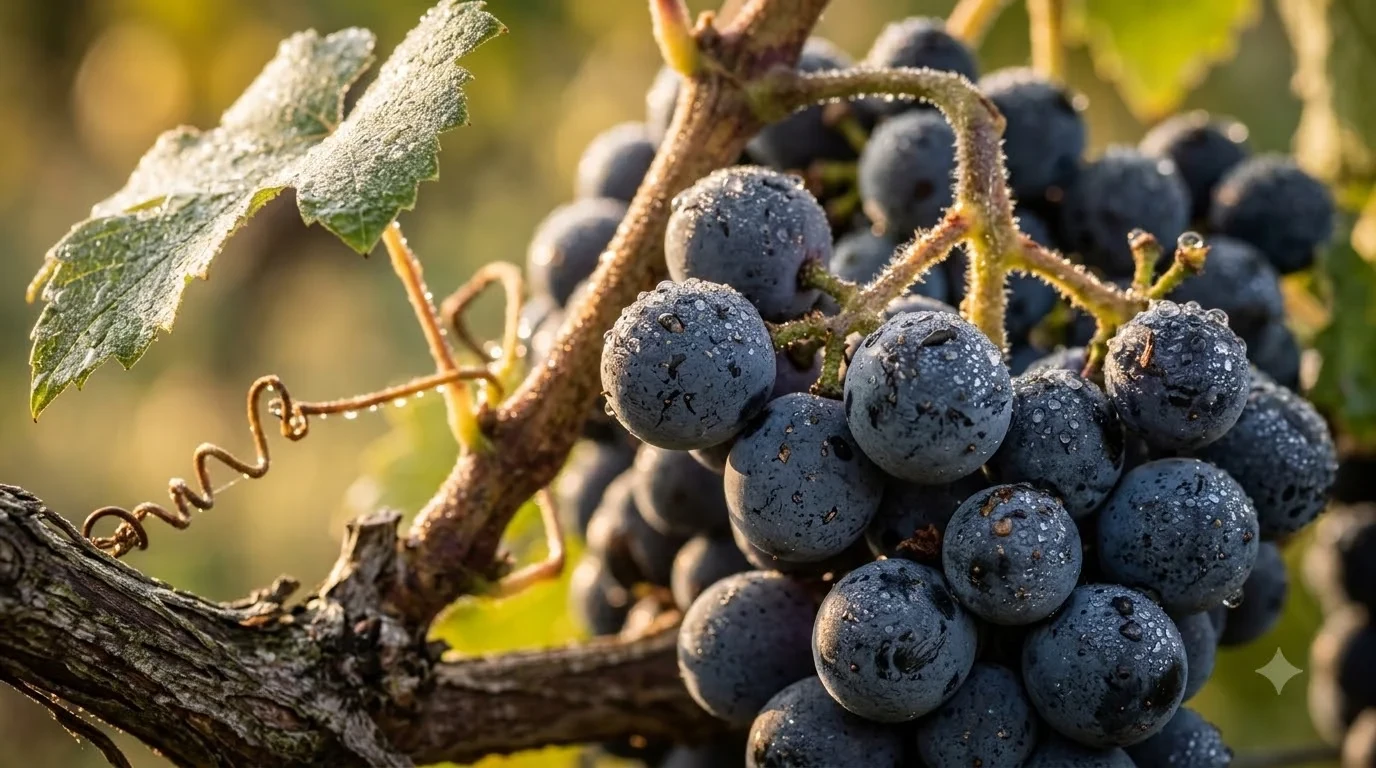
Harvest timing is the first decision and one of the most important. Winemakers measure sugar level in degrees Brix, along with acidity and pH, and pick when those numbers match the style they want. Picking too early gives sharp, thin wine, while picking too late can produce a wine that is heavy and high in alcohol.
In the northern hemisphere, harvest usually runs from early September to early November, depending on the variety and the climate. Grapes can be picked by hand or by machine. Hand picking lets workers drop damaged or unripe clusters, while machines are faster and cheaper on large vineyards.
Crushing and Destemming: Red Versus White
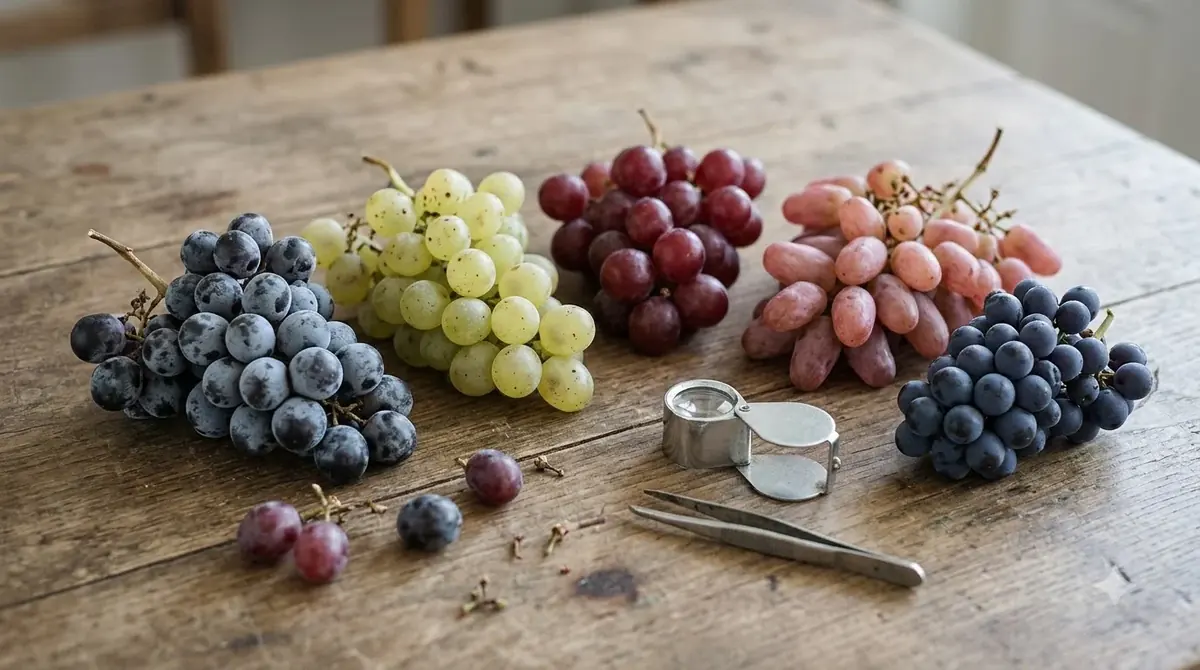
After picking, the grapes move to the crusher, and the first real split between red and white winemaking happens here. Red grapes are usually destemmed and crushed before fermentation, so the skins sit in contact with the juice. White grapes are usually pressed whole or only lightly crushed, which keeps the skins apart from the liquid.
That difference matters because the skins hold the color, tannin, and many aromatic compounds. Red wine gets its deep hue and grip from skin contact. White wine stays pale and fresher when the juice is separated from the skins early.
Fermentation Turns Sugar Into Alcohol
Primary fermentation is where most of the alcohol forms. Yeast eats the sugar in the juice and releases alcohol and carbon dioxide. This usually takes one to two weeks, and the temperature during that window has a large effect on flavor. Winemakers commonly keep red fermentations warmer than white ones.
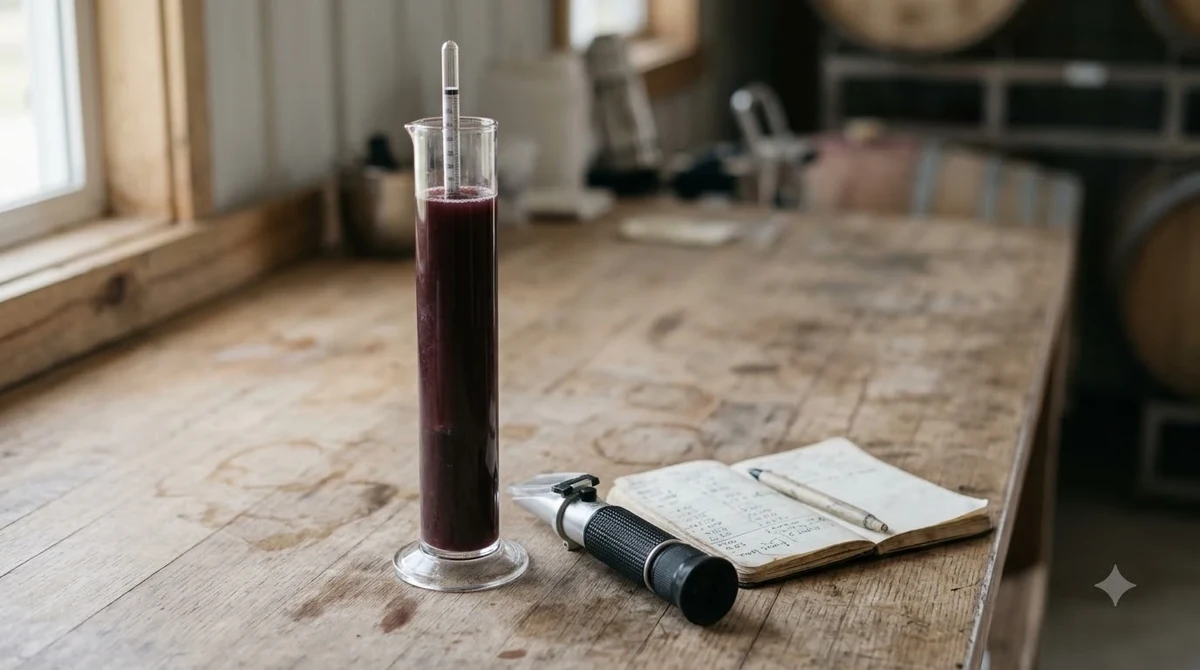
For reds, the mixture of juice and skins ferments at about 22 to 25 degrees Celsius, which pulls color and tannin out of the skins. White juice is fermented on its own at a cooler 15 to 18 degrees Celsius, which helps keep fresh fruit character. A rough rule of thumb is that about 24 percent sugar in the juice yields a wine near 12 percent alcohol, since each gram of sugar produces about half a gram of alcohol.
| Step | Red wine | White wine |
|---|---|---|
| Skin contact | Skins ferment with the juice | Juice is separated from the skins |
| Fermentation temperature | About 22 to 25 °C | About 15 to 18 °C |
| When it is pressed | After primary fermentation | Before fermentation |
| Typical result | Deeper color, firmer tannin | Paler color, lighter body |
Once fermentation finishes, the wine is still young and often cloudy. That is why the next steps focus on separating the liquid from the solids and smoothing out its acidity.
Pressing and Malolactic Fermentation
Pressing separates the liquid from the solid skins, seeds, and stems. The timing differs by color. Red wine is usually pressed after primary fermentation, and the press wine is often blended back with the free-run wine so the most concentrated liquid is kept. White wine is pressed before fermentation, so the juice that ferments is clear and light.
After pressing, many wines go through malolactic fermentation. Here bacteria convert sharp malic acid into softer lactic acid, which makes the wine feel rounder and less tart. Most reds undergo this step. Whites vary: some are encouraged to go through it for a creamy texture, while lighter styles such as Riesling often skip it to keep a crisp edge. Winemakers also watch pH closely, aiming for a level below about 3.55 for whites and about 3.80 for reds.
Clarifying, Stabilizing, and Aging
The wine now needs time to clear and settle. Particles and spent yeast, called lees, drop to the bottom of the tank or barrel. Many producers also use cold stabilization, holding the wine close to freezing for one to two weeks so that tartrate crystals form and can be removed before bottling. Without this step, crystals can appear in a bottle on a cold shelf.
Aging follows. Secondary aging commonly lasts three to six months in a sealed tank under an airlock. Red wine is often matured in oak barrels for weeks or months, which adds vanilla, spice, and firmer tannins. Some reds age much longer, but many everyday wines are ready to bottle after a few months.
Bottling and Sealing the Wine
Bottling is the final stage. A last dose of sulfite is usually added to protect the wine from oxidation and unwanted microbes, then the bottles are filled and sealed with a cork or a screw cap. Corks suit wines meant to age, while screw caps are common on wines intended for drinking young.
Home winemakers can reuse bottles, but the old labels need to come off first. Our step-by-step guide on how to remove a label from a wine bottle covers the simplest methods for that task.
Making Wine at Home Compared With a Winery
A home batch follows the same sequence as a commercial wine, but the tools are simpler. A food-safe fermenting vessel, an airlock, a hydrometer for reading sugar, and sanitizer cover most of the basics. Wineries add temperature-controlled tanks, presses, and lab testing for acidity and pH. The steps stay the same, so a home maker who understands the stages can make sound decisions without the full equipment list.
Cleanliness matters more at home than many beginners expect. Equipment that touches the juice should be cleaned and sanitized before use, since unwanted microbes can spoil a batch. Keeping notes on sugar readings, temperatures, and dates helps you repeat a good result or correct a poor one. For a fuller walk-through of the home process, see our guide on how to make wine at home.
Frequently Asked Questions
How long does it take to make wine from grapes?
Primary fermentation usually takes one to two weeks. Aging adds months more, commonly three to six months for everyday wines, and some reds mature much longer in oak or the bottle.
Do you need to remove the skins to make white wine?
Usually yes, or at least keep the juice apart from the skins early. White winemaking typically presses the grapes whole or lightly crushed, so the juice ferments without the color and tannin that skins would add.
What temperature should wine ferment at?
Red fermentations with skins are often kept around 22 to 25 degrees Celsius, while white juice commonly ferments cooler, around 15 to 18 degrees Celsius. Those ranges help control extraction and fresh fruit character.
What is the difference between primary and malolactic fermentation?
Primary fermentation turns sugar into alcohol. Malolactic fermentation comes later and converts sharp malic acid into softer lactic acid, which makes the wine feel smoother and less tart.
Making wine from grapes rewards patience and careful notes more than any single trick. Start with good fruit, pay attention to temperature and pH, and give the wine time to settle and age. For background on the grape-to-glass process from a reference source, the Wikipedia article on winemaking lays out the stages in order, and the Wine Q&A section covers more of the basics.
More in Wine Basics
 Which Rose Is Best for Your Taste, Budget, and Food PairingsUpdated Nov 21, 2026
 Is Cheap Wine Bad? How to Find Bottles Worth DrinkingUpdated Nov 21, 2026
 What To Write On A Wine Gift Tag: Thoughtful Messages For Every OccasionUpdated Nov 21, 2026
 Which Wine Is Best For Weight Loss? Compare Lower-Calorie ChoicesUpdated Nov 21, 2026
 What Is The Best Wine For Mimosas? Choose Bubbly That Balances Orange JuiceUpdated Nov 20, 2026
 Which Prosecco Is Best for Your Taste and OccasionUpdated Nov 20, 2026