

We may earn a commission when you buy through links on this page, at no extra cost to you. Learn more.
What is St Laurent? It is a red wine grape with thin skins and small berries, most often grown in Austria and valued for soft, cherry-like red wines. The wines are medium-bodied, with low tannins, medium-high acidity and flavors of raspberry, blackberry, sweet tobacco and baking spices. Many drinkers compare St Laurent with Pinot Noir, though it usually has a deeper color and a little more body.
St Laurent is one of those names that turns up on wine lists and in shops without much explanation. It is not as widely planted as Pinot Noir or Merlot, but it has a loyal following among people who want a light red with real character. This guide covers where the grape comes from, what its wines taste like, how to serve them, what to eat with them and how to choose a bottle.
Where St Laurent comes from
Wine Folly notes that St Laurent is likely of Austrian origin, and that is where most of the grape’s reputation is built. The vine is described as a small-berried variety, and the wines it makes are often compared with a deeper, beefier version of Pinot Noir. The grape is also grown in other central European countries, but the Austrian examples are the ones most often cited as the benchmark for the style.
Because the vine is sensitive and the berries are small, growers tend to work with it carefully. Ripening and the balance of acid and fruit depend a lot on the vintage. Warm, dry years tend to produce deeper and more concentrated wines, while cooler seasons give lighter, brighter bottles. That variation is one reason to look at the vintage year as well as the producer.
What St Laurent wine tastes like
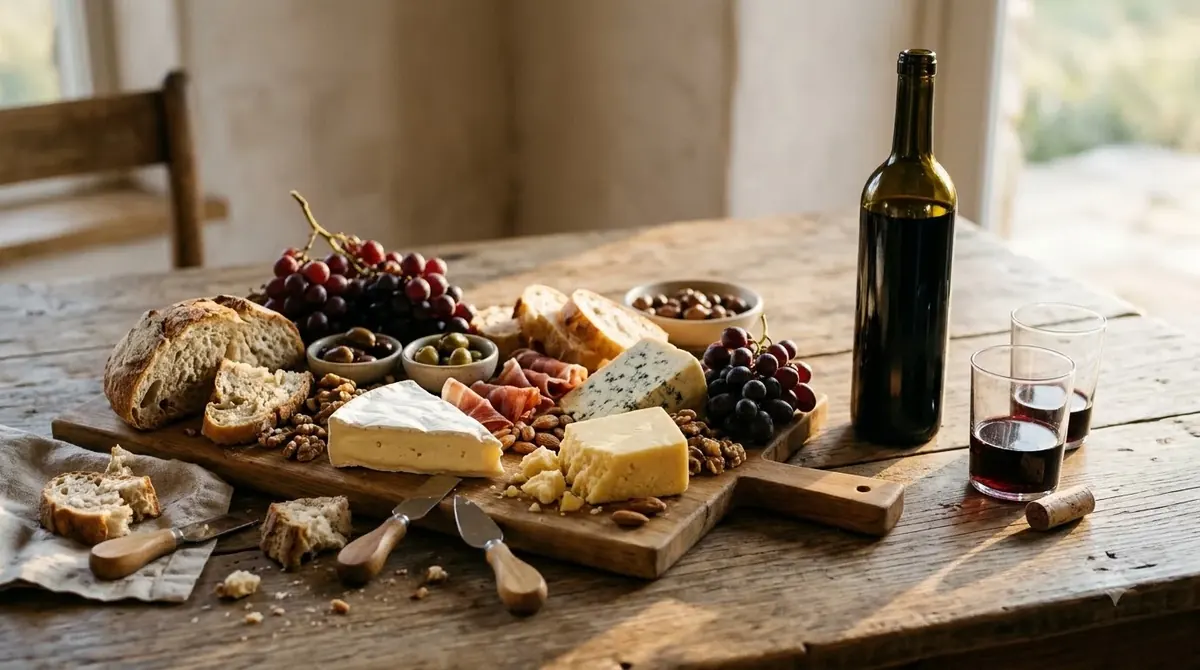
Most St Laurent wines show red fruit first. Raspberry and blackberry lead, with cherry-like notes in lighter styles and darker plum and dark cherry in fuller ones. Wine Folly also lists sweet tobacco, baking spices and a touch of chocolate, which give the wine a warm, slightly savory finish. The aromas are generous without being heavy, so the wine feels approachable even when it has some depth.
The structure is what sets it apart from many everyday reds. Tannins are low and described as soft, so the wine does not dry the mouth the way a young Cabernet Sauvignon can. Acidity is medium-high, which keeps the wine fresh and makes it easier to pair with food. Body is medium, which places it between a light Pinot Noir and a fuller Merlot.
For a clear reference, the Wine Folly St Laurent guide gives a concise profile of the grape, including its typical fruit, tannin and acidity levels. It is a useful starting point before you compare bottles from different producers.
| Feature | St Laurent | Pinot Noir (for comparison) |
|---|---|---|
| Body | Medium | Light to medium |
| Tannins | Low, soft | Low |
| Acidity | Medium-high | High |
| Main flavors | Raspberry, blackberry, sweet tobacco, spice | Cherry, strawberry, earth, mushroom |
| Serving temperature | 55 to 60°F (12 to 15°C) | Slightly cool, below room temperature |
How St Laurent differs from Pinot Noir
The comparison with Pinot Noir is useful, but it is not a perfect match. St Laurent usually has a darker color and a slightly deeper, more concentrated fruit profile. Pinot Noir tends to be lighter and more delicate, with a silkier texture and a stronger earthy or mushroom character. Drinkers who enjoy Pinot Noir but want something with more color and body often find St Laurent a natural next step.
In the glass, the difference is most visible in the color and the finish. St Laurent generally shows a deeper ruby or purple tone and a warmer, spicier finish, while many Pinot Noirs look paler and finish more quickly. Neither is better, and the best choice depends on whether you want something light and aromatic or fuller and more savory.
How to serve St Laurent
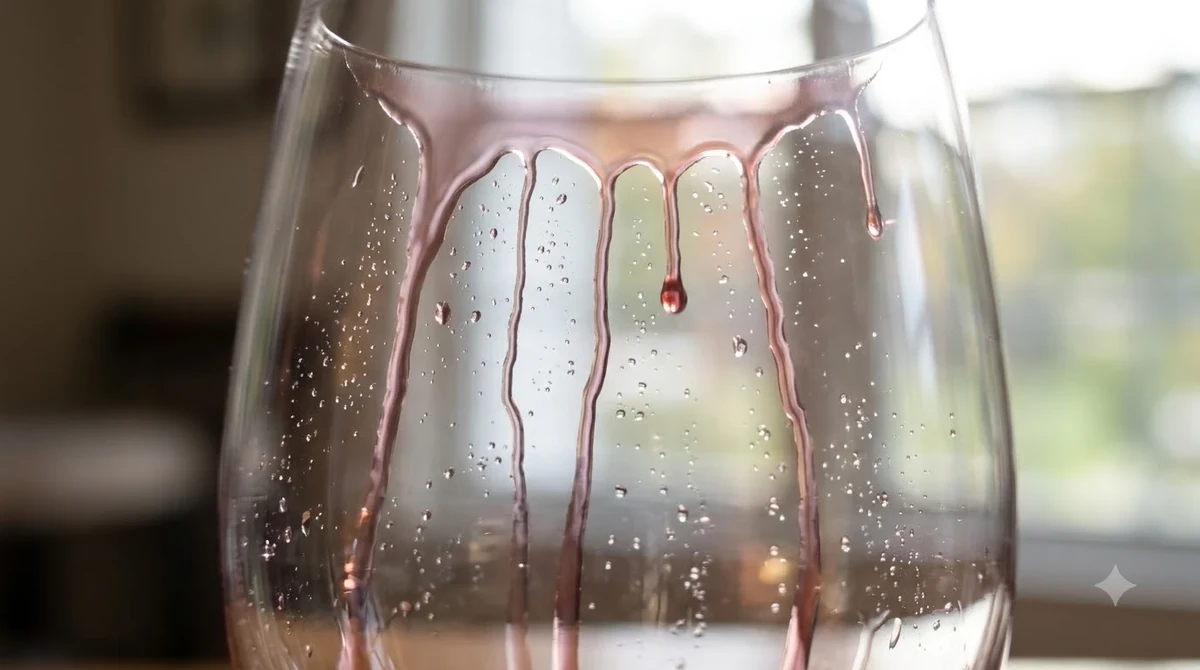
Serve St Laurent slightly cooler than room temperature. Wine Folly recommends 55 to 60 degrees Fahrenheit (12 to 15 degrees Celsius), which keeps the fruit bright and stops the alcohol from feeling hot. A standard red wine glass with a generous bowl gives the aromas room to open, and a short rest in the glass after pouring helps the flavors settle.
Decanting is optional for most bottles. Younger wines are typically fresh and fruity enough to drink as soon as they are opened. An older bottle with more structure can benefit from 30 minutes in a decanter, which softens any tightness and lets the spice come forward.
Tip: If the bottle has been stored in a warm room, give it 20 to 30 minutes in the refrigerator before serving. It is easier to bring a red down in temperature than to cool it once it has warmed up.
Foods that pair well with St Laurent
Wine Folly suggests richly flavored foods, such as roast duck, mushroom risotto and cured meats, as good partners. The wine’s soft tannins and medium-high acidity make it flexible with dishes that have some fat and savory depth, but the fruit is not so heavy that it overwhelms lighter food.
Roast chicken, grilled pork chops, pasta with a tomato and herb sauce and aged cheeses like Gruyère or Comté all work well. For vegetable dishes, mushroom and root vegetable preparations match the wine’s earthy notes. Avoid very spicy food, because the heat will tend to exaggerate the alcohol and dull the fruit.
How to choose a bottle of St Laurent
St Laurent is not sold in the same volume as the most common red grapes, so bottles can be harder to find at a large retail chain. Specialty wine shops and online merchants that focus on European wines usually carry a better range. Look for the grape name on the label, along with the producer and the vintage year.
Start with a current vintage from a producer that clearly describes its style. A bottle that says it is fruit-forward and easy-drinking will suit people who want a light, approachable red, while one described as structured or aged in oak will suit drinkers who want more depth. If you are new to the grape, a middle-of-the-range bottle from a recognized producer is a sensible first purchase.
Frequently Asked Questions
Is St Laurent a red or white wine?
St Laurent is a red wine grape. It makes red wines with a medium body, soft tannins and red-fruit flavors. There is no common white version of the grape.
Is St Laurent similar to Pinot Noir?
The two are often compared. Both are light to medium reds with bright acidity and red-fruit flavors. St Laurent usually has a deeper color and a little more body, and it often shows warmer spice notes than most Pinot Noir.
Is St Laurent sweet?
Most St Laurent wines are dry. The fruit flavors can taste rich, but the wines are not sweet in the way a dessert wine is. Check the producer’s description if you are looking for a softer, rounder style.
Should I decant St Laurent?
Decanting is not required for most bottles. Older wines with more structure can benefit from about 30 minutes in a decanter. Younger wines are usually fresh enough to serve as soon as they are opened.
St Laurent is a good choice for anyone who likes Pinot Noir but wants a little more color and warmth. To see how it sits among other red styles, read the Wine by Type guide. If you are looking at lighter French reds, cabernet franc wine is another option with fresh fruit and soft structure, and St. Croix wine is worth a look for a different style of red from a cooler climate.
More in Wine Types & Grapes
 Zinfandel Sugar Content: Dry Red vs. White Zinfandel GramsUpdated Nov 21, 2026
 Best Zinfandel Substitute Options for Sipping and CookingUpdated Nov 21, 2026
 Zweigelt Food Pairing: Best Dishes, Cheeses, and Serving TipsUpdated Nov 21, 2026
 Zinfandel Tannins Explained: How Structure Shapes Every BottleUpdated Nov 21, 2026
 Zinfandel Sweetness Level: Dry Red vs. Sweet White Zin ExplainedUpdated Nov 21, 2026
 Xinomavro Food Pairing: Best Dishes, Styles, and Serving TipsUpdated Nov 21, 2026