

We may earn a commission when you buy through links on this page, at no extra cost to you. Learn more.
banfi white wine includes several Italian styles, from crisp San Angelo Pinot Grigio and coastal La Pettegola Vermentino to Principessa Gavia Gavi and barrel-aged Fontanelle Chardonnay. These wines offer different combinations of fruit, acidity, body, and texture. San Angelo is a straightforward choice for refreshing white wine, while La Pettegola offers a more aromatic Mediterranean character. Fontanelle is the richer option for people who prefer Chardonnay with oak influence. Understanding the grapes and their origins makes choosing the right bottle much easier.
Banfi is strongly associated with Tuscan wine, particularly its red wines from Montalcino, but its white portfolio deserves attention too. The producer works with several varieties across Tuscany and Piedmont, offering styles suited to seafood dinners, casual lunches, appetizers, and richer meals. This guide explains the main white wines, their flavor differences, winemaking methods, food pairings, alcohol levels, and the best ways to serve them.
The Main Banfi White Wine Bottles
Banfi’s principal Italian white wine selection includes four recognizable bottles: San Angelo Pinot Grigio, Principessa Gavia Gavi, La Pettegola Vermentino, and Fontanelle Chardonnay. They cover a useful range of white wine styles, from light and refreshing to fuller-bodied and barrel-aged.
These wines belong to the producer’s Banfi Estate Whites & Rosé category. Although that category also includes a rosé, the four bottles discussed here are still white wines. Other sections of Banfi’s wider Italian portfolio include additional bottles, such as Placido Pinot Grigio, so the estate selection should not be confused with every wine carrying the Banfi name.
The following comparison uses the technical alcohol and acidity figures published in Banfi’s U.S. product information. They are useful reference points rather than permanent specifications because wine composition can change between vintages.
| Wine | Main grape | Alcohol | Total acidity | General style |
|---|---|---|---|---|
| San Angelo | Pinot Grigio | 12.5% | 5.3 g/L | Fresh, fruity, crisp |
| Principessa Gavia | Cortese | 12.0% | 6–6.5 g/L | Dry, delicate, refreshing |
| La Pettegola | Vermentino | 13.0% | 6.13 g/L | Aromatic, crisp, savory |
| Fontanelle | Chardonnay | 14.5% | 6.3 g/L | Fuller, textured, oak-influenced |
The most noticeable distinction is the difference between the lighter options and Fontanelle. San Angelo and Principessa Gavia suit people who enjoy uncomplicated, fresh white wines. La Pettegola provides more aromatic intensity and Mediterranean character, while Fontanelle delivers additional weight and a different texture through its barrel-aging process.
Those differences also make the range useful for entertaining. Rather than serving the same type of white wine throughout a meal, a host can select a more delicate bottle for appetizers and a richer Chardonnay for a substantial main course. The variety of grapes also gives people who normally buy international varieties an opportunity to explore Italian white wine styles.
Flavor Profiles of the Four White Wines
The grape variety is the simplest starting point for understanding what each Banfi white wine brings to the glass. Pinot Grigio emphasizes fresh fruit, Cortese highlights delicate freshness, Vermentino introduces herbal and coastal notes, and Chardonnay offers more richness and texture.
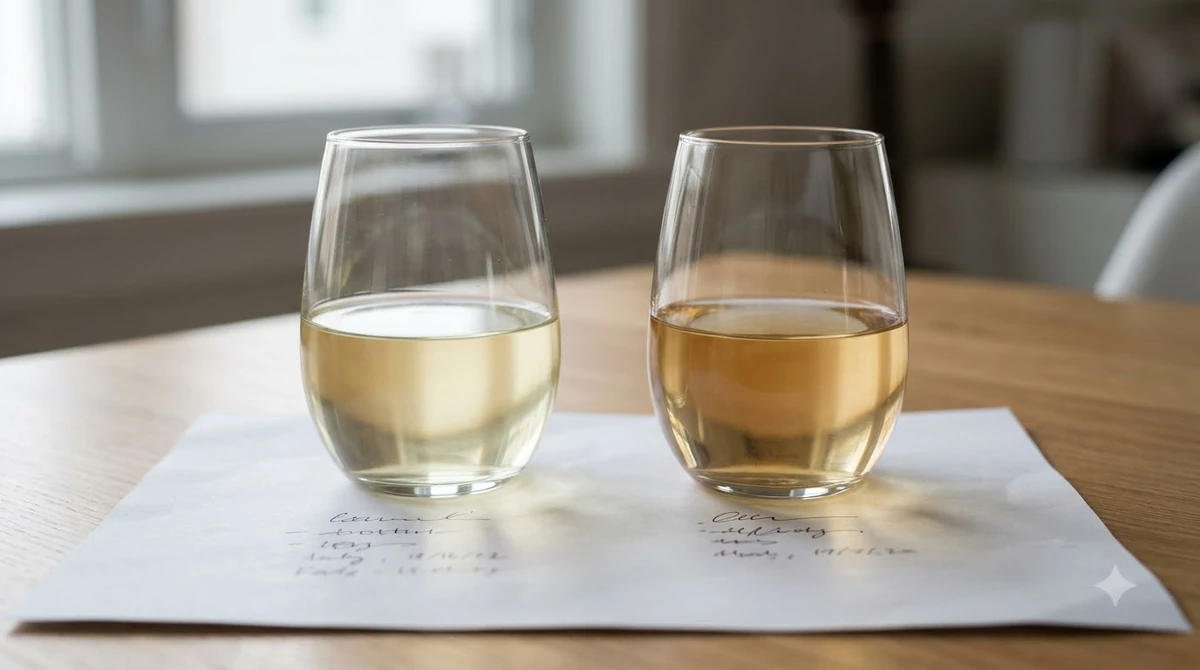
San Angelo Pinot Grigio is the most approachable starting point for someone who enjoys fresh, fruit-forward white wine. Banfi describes aromas of pear, peach, anise, and honey, with citrus notes helping balance the fruit. Its palate is fruity and crisp rather than particularly heavy, making it suitable for drinking before a meal or alongside relatively light dishes. The wine is made entirely from Pinot Grigio, and its 12.5% listed alcohol level places it toward the lower end of this four-wine selection. Banfi’s San Angelo product information provides additional details about its grape composition and production.
Principessa Gavia Gavi has a different personality despite being similarly easy to serve. Made from Cortese, it offers pineapple and green apple aromas, followed by gentle acidity and a dry finish. The result is an understated Italian white that does not rely on heavy oak or intense tropical fruit. It is particularly appealing to people who like subtle flavors, freshness, and an elegant finish rather than an especially powerful aroma.
La Pettegola Vermentino brings more aromatic expression. Banfi describes exotic fruit and Mediterranean spices, while its dedicated technical description also identifies apricot, grapefruit, and sage. Vermentino is especially associated with fresh, saline, citrus-driven characteristics in Italian coastal regions. Wine Enthusiast similarly describes the grape as fresh, saline, and citric, with the versatility to work both as an aperitif and throughout a meal. La Pettegola is therefore a useful choice for people who want more personality than a straightforward Pinot Grigio.
Fontanelle Chardonnay is the most substantial wine in the group. Its aromatic profile includes apple, peach, and apricot, accompanied by vanilla from its barrel treatment. The texture is smoother and fuller than the other three wines, with a lingering impression of acidity that helps balance its weight. Someone who normally enjoys richer Chardonnay styles may find Fontanelle the most appealing bottle in the selection.
Remember that the grape variety describes a general direction rather than a guarantee of identical flavor. Harvest conditions, vineyard location, fermentation, aging, and vintage all influence the finished wine. Even within the same Banfi label, the balance between fruit, acidity, and texture can shift slightly from one release to another.
Italian Regions Behind the Wines
Banfi’s principal whites come from two important Italian wine areas: Tuscany and Piedmont. Tuscany supplies three distinct estate styles, while Piedmont is the home of Principessa Gavia Gavi and its Cortese grape.
Montalcino in southern Tuscany is the source of San Angelo Pinot Grigio and Fontanelle Chardonnay. Although the area is particularly famous for Sangiovese-based red wines, its vineyards also produce white varieties. The contrast between these two Banfi whites shows how differently Pinot Grigio and Chardonnay can be handled in the same broader Tuscan wine-producing area. San Angelo focuses on freshness and fruit, whereas Fontanelle uses barrel aging to create additional texture and complexity.
Maremma, also in Tuscany, is the home of La Pettegola Vermentino. Its Mediterranean character is a useful reminder that Tuscany is not a single wine style. The region has coastal areas, hills, and inland vineyards, and their conditions can produce different expressions of the same variety. Vermentino works particularly well with the fresh, savory character associated with coastal Italian food.
Gavi in southeastern Piedmont provides a different regional identity. The Gavi DOCG appellation covers 11 municipalities in the Province of Alessandria and is associated with 100% Cortese wine. Principessa Gavia comes from a single vineyard in the Novi Ligure area, where Banfi identifies rocky clay and marl soils. The region’s geography and soil variation contribute to differences in the expression of Cortese. Decanter’s coverage of Gavi’s wines and vineyards explains how the area’s different soil zones influence body, fruit character, and structure.
The distinction between Toscana IGT and Gavi DOCG is useful when reading the bottle labels. Toscana IGT identifies a broad geographical designation in Tuscany, whereas Gavi DOCG identifies a more specifically regulated appellation in Piedmont. Neither classification automatically tells you which wine will taste better. Instead, the grape, production choices, and personal preference provide better clues about the drinking experience.
How Banfi Makes Its White Wines
Winemaking is a major reason these four wines taste different even though they share the same producer. Banfi uses temperature-controlled fermentation and stainless steel for several of its whites, while Fontanelle receives extended barrel aging and additional time in bottle.
San Angelo begins with selectively harvested Pinot Grigio. Banfi describes fermentation of the free-run juice at 59–64°F, followed by low-temperature storage that preserves a light natural effervescence. The wine is bottled a few months after harvest, before the end of the calendar year. This approach supports the fresh, fruit-driven style that makes Pinot Grigio suitable for relatively early drinking rather than long-term cellaring.
Principessa Gavia also uses temperature-controlled fermentation. Banfi describes a 20-day fermentation at approximately 64°F, followed by clarification and bottling. The purpose of this approach is to maintain the wine’s delicate aromas and fresh character without introducing the pronounced vanilla or toast flavors associated with barrel aging. Cortese’s natural freshness gives the wine its dry, balanced personality.
La Pettegola begins with gentle pressing and spends approximately 13–16 days fermenting in temperature-controlled stainless-steel tanks. Its dedicated technical information also describes approximately three months of aging on the lees. Lees aging involves keeping the wine in contact with spent yeast cells after fermentation. This can help build texture and add depth without requiring oak barrels. It is one reason a stainless-steel Vermentino can feel more substantial than a very light, simple white wine.
Fontanelle receives the most elaborate aging treatment in this selection. Banfi chills the whole grape bunches before pressing and clarifies the free-run juice through cold sedimentation. Fermentation takes place in barriques, and the wine then spends seven months aging on the lees in barrels, with weekly stirring. After bottling, it receives another eight to ten months of bottle aging. These steps help explain its vanilla notes, fuller mouthfeel, and more layered fruit character.
How to Choose the Right Bottle
The best choice depends on how much body, aroma, and texture you enjoy. Rather than selecting a Banfi white only because the grape name is familiar, consider the occasion and whether you prefer citrus freshness, aromatic herbs, delicate fruit, or a richer finish.
Choose San Angelo Pinot Grigio if you want a refreshing everyday white. It is an especially sensible option for people who already enjoy Italian Pinot Grigio or lighter European whites. Its pear and peach character makes it approachable without needing a complex food pairing. It also works well as a first bottle at a gathering because its relatively light profile can appeal to a broad range of preferences.
Choose Principessa Gavia if you enjoy dry wines with restrained aromas and a fresh finish. It offers a way to explore Cortese and the Gavi region without moving into a heavy or strongly oaked style. Someone who enjoys delicate seafood, light appetizers, or uncomplicated white wines may prefer this bottle over a more aromatic Vermentino.
Choose La Pettegola if you want freshness with more aromatic complexity. Its exotic fruit, citrus, and sage characteristics give it a more expressive profile than San Angelo. It is a strong candidate for outdoor lunches, seafood-centered meals, or occasions when a white wine needs to accompany several dishes rather than remain only an aperitif.
Choose Fontanelle if you prefer Chardonnay with more weight and oak influence. Its 14.5% listed alcohol level is higher than the other three wines, and its barrel treatment contributes additional texture. It makes more sense beside grilled fish, creamy pasta, or white meat than beside delicate appetizers that could be overshadowed by its fuller structure.
Alcohol percentages can also help distinguish the bottles, especially when comparing wines made from the same grape. For example, readers comparing Italian Pinot Grigio with a familiar American-market bottle can also consult the explanation of Black Box Pinot Grigio alcohol content. Alcohol level is not a measurement of sweetness, however. A higher-alcohol wine is not necessarily sweeter, and the balance of fruit, acidity, and residual sugar also affects how a wine feels.
It can also be helpful to look beyond one producer when exploring Italian whites. The site’s broader Wine Brands coverage provides a starting point for comparing different producers, grapes, and wine regions. This helps put Banfi’s Tuscan and Piedmontese selections into a wider context.
Food Pairings for Banfi White Wine
Banfi’s four principal whites offer different pairing opportunities. The most reliable approach is to match the wine’s body and acidity to the weight, seasoning, and texture of the food.
San Angelo Pinot Grigio works particularly well with lighter dishes. Try it with grilled shrimp, steamed white fish, lemon chicken, vegetable pasta, or a simple salad with mild dressing. The fresh fruit and crisp character help the wine complement these dishes without overwhelming their flavors. It is also a natural choice for appetizers such as bruschetta, mild cheeses, and seafood canapés.
Principessa Gavia is well suited to delicate seafood and light Italian dishes. Pair it with grilled sole, scallops, shrimp risotto, or vegetable fritters. The dry finish makes it particularly useful with dishes that have some richness but do not require a very powerful wine. Its acidity also helps it work with lemon-seasoned fish, although strongly acidic sauces should be balanced with a wine of comparable or higher acidity.
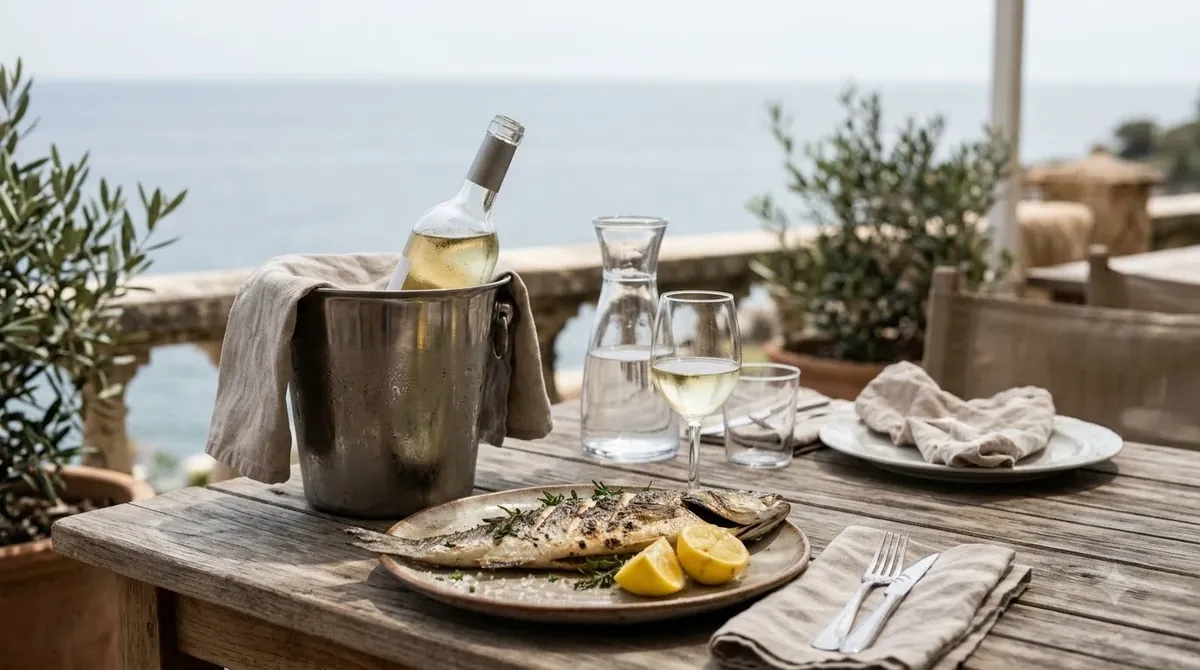
La Pettegola Vermentino is a natural partner for Mediterranean cooking. Consider grilled sea bass, calamari, seafood salads, roasted zucchini, artichokes, and herb-seasoned vegetables. The citrus and savory notes complement olive oil, fresh herbs, and simple seasoning. Its freshness is also useful with dishes featuring tomatoes or lemon, provided the overall acidity of the food does not overwhelm the wine.
Fontanelle Chardonnay can handle richer dishes. Grilled chicken, roasted turkey, salmon with a creamy sauce, mushroom pasta, and dishes featuring butter or light cream are all sensible choices. Its fuller body and barrel-derived vanilla notes provide more presence than the lighter Banfi whites. When serving it with seafood, choose preparations with enough texture to match the wine.
Salt and fat can soften the perception of tannin in wines, but these Banfi whites are not tannic red wines. For white wine pairing, acidity and body usually matter more. Fatty dishes can pair well with fresh acidity, while extremely delicate foods may be better suited to San Angelo or Principessa Gavia than to Fontanelle.
Chili heat deserves extra attention. Alcohol can make spicy foods seem hotter, so Fontanelle’s higher alcohol level may make it less comfortable beside strongly chili-seasoned dishes. A fresh, lower-alcohol white such as Principessa Gavia is often a more practical direction, although very spicy foods can challenge almost any dry wine.
For a dinner built around beef or lamb rather than seafood or white meat, a red wine may be more suitable. The overview of Campo Viejo red wine offers an alternative direction for guests who prefer a red with a substantial main course.
Serving Temperatures and Proper Storage
Temperature has a direct effect on how much aroma and texture you notice in a white wine. Lighter bottles generally benefit from cooler serving temperatures, while fuller Chardonnay is more expressive when served slightly warmer.
For San Angelo, Principessa Gavia, and La Pettegola, a practical serving target is approximately 45–50°F. This keeps their fresh fruit and acidity lively without making them so cold that their aromas become difficult to appreciate. Fontanelle is fuller and benefits from approximately 50–55°F, which gives its apple, peach, and vanilla notes more room to develop.
Avoid serving a bottle straight from a very cold refrigerator without considering its style. Extremely cold temperatures can mute the aromas of Vermentino and Chardonnay. If a wine seems too cold, allow it to warm slightly in the glass before deciding whether its flavors are limited. Conversely, a warm bottle can seem heavy and less refreshing than intended.
For a typical dinner, a standard 750 ml bottle provides approximately five 5-ounce glasses. This makes it easy to estimate how many bottles to prepare for a gathering. When serving two different Banfi whites, consider beginning with San Angelo or Principessa Gavia and moving toward La Pettegola or Fontanelle as the food becomes richer.
Store unopened bottles in a cool, dark place with a reasonably stable temperature near 55°F. Keep cork-sealed bottles on their sides so the cork does not dry out. Avoid locations near ovens, radiators, sunny windows, or other sources of repeated temperature changes. The same general storage principles apply to all four wines, although their individual drinking windows may differ.
Tip: Once opened, reseal the bottle and place it in the refrigerator, even if it is a fuller Chardonnay. Most opened still wines are best enjoyed within three to five days. Remove a white wine from the refrigerator shortly before serving if it has become too cold.
These wines are generally designed to be enjoyed for their fresh fruit and individual varietal character. That does not mean every bottle must be consumed immediately, but extended cellaring is not necessary to appreciate the main characteristics of San Angelo, Principessa Gavia, or La Pettegola. Fontanelle’s barrel aging gives it additional structure, but proper storage remains important for maintaining its quality.
Frequently Asked Questions
What does the name La Pettegola mean?
Banfi explains that La Pettegola has a double meaning. It refers both to coastal seabirds and to a person who enjoys gossiping. The name reflects the playful character of the wine’s presentation and its association with social occasions.
Does Gavi DOCG come only as a still wine?
No. The Gavi DOCG designation also recognizes frizzante, sparkling, and Riserva styles. The sparkling category includes traditional-method wine, offering consumers alternatives to the familiar still white version.
What is another local name for the Cortese grape?
The Piemonte regional agricultural information service identifies Courteis as a local name for Cortese. The variety is the defining grape of Gavi DOCG and is required to make the appellation’s wines entirely from Cortese.
What are the minimum acidity and alcohol requirements for Gavi?
The Piemonte regional agricultural information service specifies minimum total acidity of 5.0 grams per liter and minimum alcohol of 10.50% by volume for Gavi. These are appellation requirements, not the exact measurements of every individual bottle.
Does La Pettegola come in different bottle sizes?
Yes. Banfi’s dedicated La Pettegola technical information lists three formats: 375 ml, 750 ml, and 1.5 liters. The smaller bottle is suitable for a more limited serving, while the magnum provides a larger format for sharing.
Banfi’s white wines offer several ways to experience Italian white wine, from the refreshing fruit of San Angelo to the savory character of La Pettegola and the fuller structure of Fontanelle. Principessa Gavia adds a distinctive Piedmontese Cortese option to the selection. Choosing according to grape, body, food pairing, and serving temperature makes it easier to find the right bottle for each occasion.
More in Wine Brands
 Underwood Wine Price: Compare Bottles, Cans, and Pack SizesUpdated Nov 21, 2026
 Zenato Wine Price: Compare Styles and Choose the Right BottleUpdated Nov 21, 2026
 Zuccardi Wine Price: Compare Bottles and Find the Right RangeUpdated Nov 21, 2026
 Yellow Tail Moscato Review: Taste, Sweetness and Serving TipsUpdated Nov 21, 2026
 Wolf Blass Yellow Label Review: Choose Your Best StyleUpdated Nov 21, 2026
 Wolffer Estate Rose Review: Choose the Right Bottle for Your TableUpdated Nov 21, 2026