

We may earn a commission when you buy through links on this page, at no extra cost to you. Learn more.
Pinot meunier vs pinot noir comes down to a contrast between supple, fruit-forward freshness and more structured, perfumed red-fruit character. Pinot Meunier is especially important in Champagne, where it brings roundness and youthful fruit to blends; Pinot Noir contributes body, structure, and red-berry depth. Both grapes can make sparkling wine and still red wine, so the label and the producer’s approach matter as much as the grape name.
These two Pinot-family grapes are close relatives, but they do different jobs in the vineyard and cellar. Knowing how they differ makes it easier to choose a Champagne, recognize a single-variety bottling, or decide which red wine will suit dinner.
The Core Difference Between Pinot Meunier and Pinot Noir
Pinot Meunier generally gives a wine a softer outline and expressive fruit, while Pinot Noir is prized for its perfume, body, and firmer structure. In Champagne, their vineyard shares and regional roles reflect that distinction: Pinot Noir accounts for 38% of plantings and Meunier for 31%, according to Champagne’s official industry body.
| Comparison | Pinot Meunier | Pinot Noir |
|---|---|---|
| Champagne vineyard share | 31% | 38% |
| Common Champagne home | Marne Valley | Montagne de Reims and Côte des Bar |
| Role in a blend | Roundness, supple texture, fruit | Body, punch, structure, red-fruit character |
| Typical fruit emphasis | Yellow fruit, orchard fruit, red berries | Raspberry, strawberry, cherry, other red berries |
| General impression | Open, generous, fruit-led | Perfumed, layered, structured |
Those figures describe Champagne vineyard plantings, not the recipe in every bottle. A Champagne labeled with a grape name may be a single-variety wine, while a standard non-vintage bottling can combine Meunier, Pinot Noir, and Chardonnay in proportions chosen by the producer. The share of a grape planted across the region does not tell you how much of it appears in an individual blend.
The grapes are related: Decanter describes Pinot Meunier as a genetic mutation of Pinot Noir, and both have dark skins and pale juice. That shared family resemblance explains why they can work together in sparkling wine, but it does not make them interchangeable. For a broader framework for comparisons like this, see our guide to Wine vs Wine.
Growing Conditions in Champagne and Burgundy
The clearest vineyard distinction is timing: Meunier buds later in spring than Pinot Noir, which gives it a useful measure of protection from spring frost. Pinot Noir ripens early and can produce outstanding wines, but its early growth makes it more vulnerable to cold snaps and makes site selection especially important.
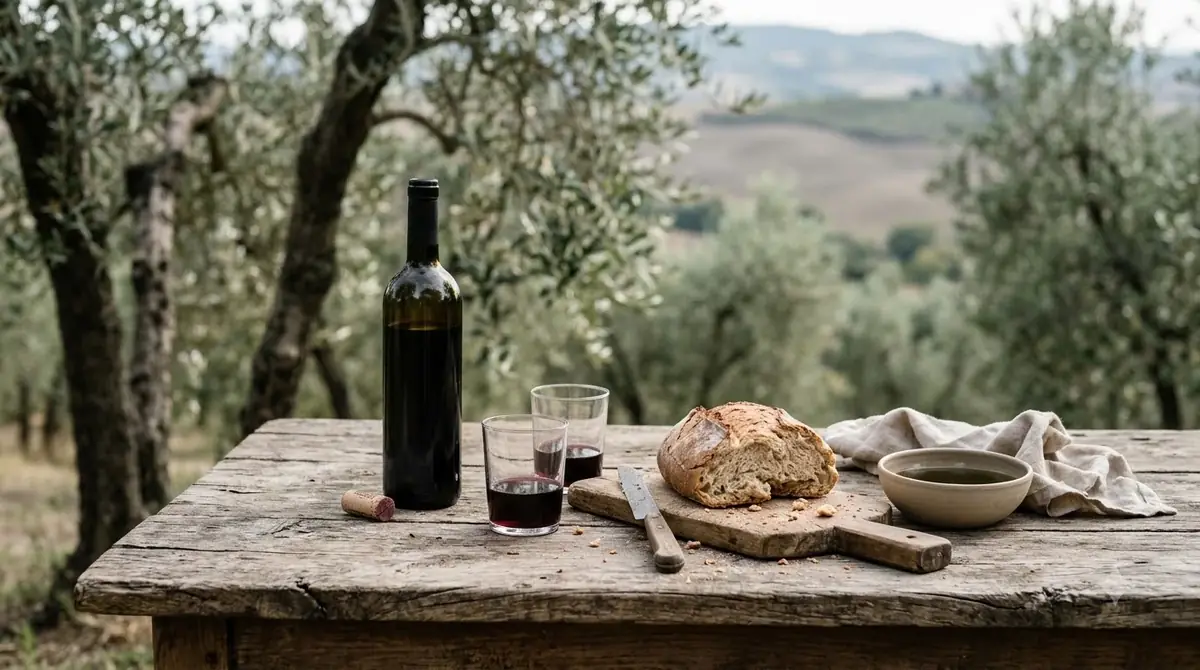
Meunier is strongly associated with the Vallée de la Marne, where clay-rich slopes and a cooler, frost-prone climate suit its later budbreak. The grape’s name means “miller” in French, a reference to the flour-like white dust on the underside of its leaves. It is a hardy, vigorous vine, and its ability to crop in more challenging conditions helped establish its place in Champagne’s vineyards.
Pinot Noir is prominent in the Montagne de Reims and Côte des Bar. Champagne’s official grape-variety information describes it as an early-ripening variety that thrives on cool, chalky soils and gives wines body, punch, and structure. Outside Champagne, its classic home is Burgundy, particularly the Côte d’Or, where the grape’s sensitivity to climate and soil has made vineyard site and vintage central to its identity.
Neither grape has a universal advantage in every climate. Meunier’s late budbreak can reduce frost risk, but it does not make the vine immune to disease, poor weather, or careless vineyard work. Pinot Noir is more exacting about its site, yet the right combination of exposure, soil, canopy management, and harvest timing can yield wines with exceptional aromatic detail. The local growing season matters more than a simple ranking of one grape as “better” than the other.
Taste, Aroma, Body, and Acidity
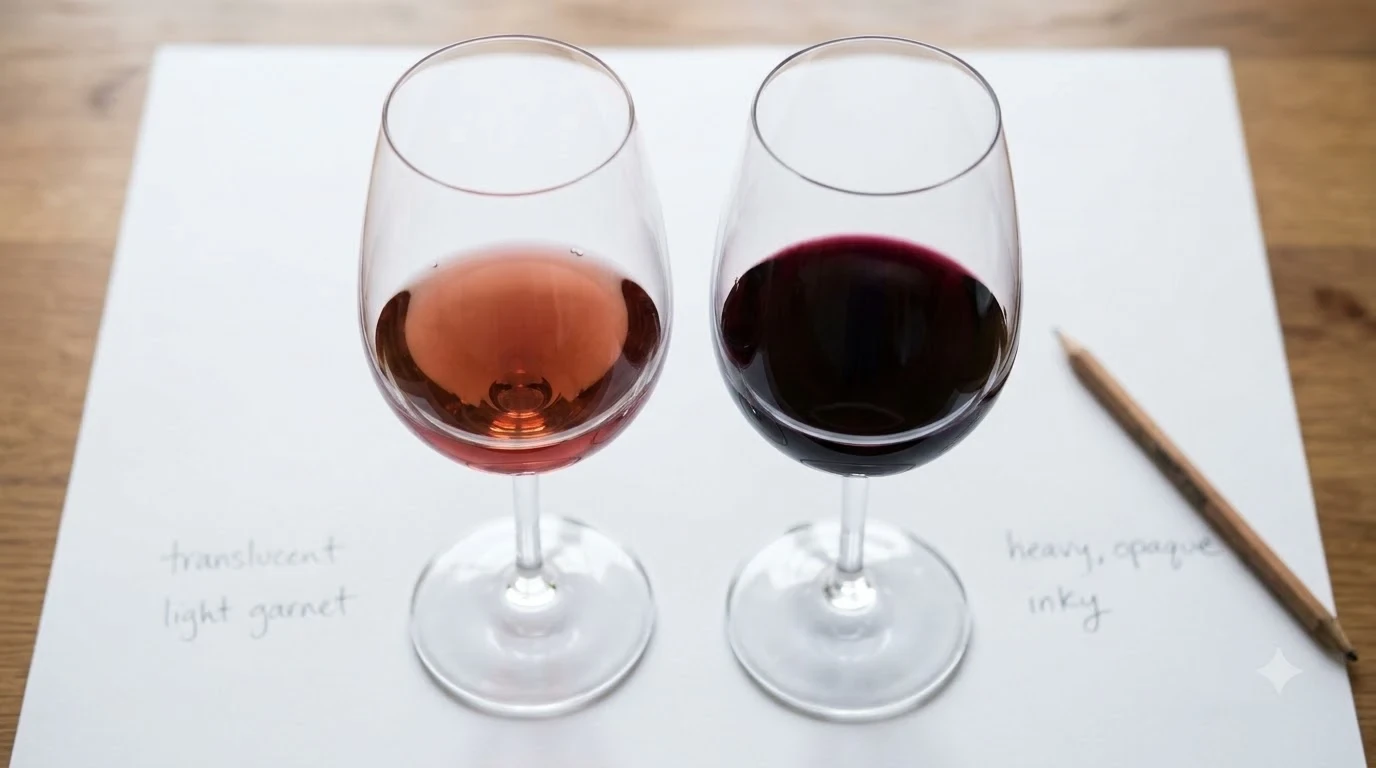
In the glass, Pinot Meunier tends to lead with immediate fruit and a supple, broadly textured feel; Pinot Noir is often more perfumed and layered, with red berries and a more defined sense of structure. The distinction is clearest in still wines, although the same grape traits can influence the base wines used for sparkling blends.
Meunier can show yellow plum, apricot, apple, peach, and red-fruit notes. Champagne bottlings often emphasize roundness and fruit, while grower wines may add floral aromas, mineral freshness, or a savory edge. Decanter’s Pinot Meunier profile also notes the grape’s expressive fruit character, while Wine Enthusiast has described Marne Valley examples with peach and green-apple character.
Pinot Noir more often suggests raspberry, strawberry, cherry, and darker berries. With bottle age, it may develop truffle, game, and leather notes. It is generally high in acidity with low-to-medium tannin, giving it freshness and fine texture rather than a heavily grippy finish. Its body ranges from light to medium according to climate, ripeness, extraction, and winemaking.
Decanter notes that Meunier can show higher acidity than Pinot Noir, although alcohol and sugar levels are generally similar. Its rounder texture should not be mistaken for sweetness: a wine can taste generous and fruit-forward while remaining fully dry. These are tendencies, not guarantees; a cool-climate Pinot Noir can be tart, and a carefully farmed Meunier parcel can be taut and mineral. Fermentation, extraction, oak, lees contact, and bottle age all help shape the final wine.
How the Grapes Shape Champagne
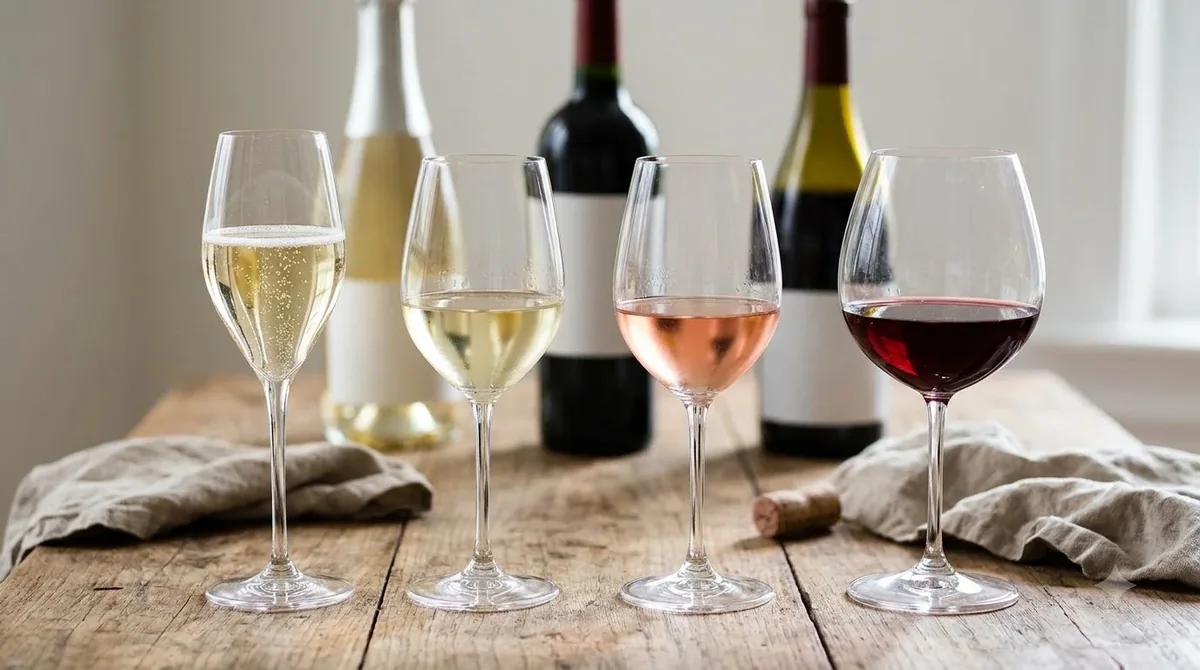
Champagne is the setting where the contrast between these grapes is most familiar: Pinot Noir supplies much of the blend’s frame, while Meunier adds supple texture and accessible fruit. Chardonnay is the third major variety, bringing freshness and citrus or floral character to the traditional trio.
Pinot Noir is the most widely planted grape in Champagne, at 38% of vineyard area; Meunier accounts for 31%, according to the Comité Champagne. Pinot Noir is associated with Montagne de Reims and Côte des Bar, while Meunier is strongly linked to the Marne Valley. A Pinot Noir-led blend may feel broader and more structured; a Meunier-led wine may seem rounder and more immediately expressive.
Both grapes can make Blanc de Noirs, a white sparkling wine produced from dark-skinned grapes. Red skins do not automatically make a red wine: pressing and production choices limit color extraction. Pinot Noir and Meunier can also contribute to rosé Champagne, with the producer controlling the color through the chosen method and amount of skin contact or red-wine blending.
Variety is only one factor in Champagne’s style. Base wine, reserve wines, fermentation, blending, lees aging, and dosage all influence the final balance. Wine Enthusiast describes a 100% Meunier Champagne from Gosset that remained fresh and aromatic after 12 years, showing that Meunier’s tendency toward earlier development is not an absolute aging limit. For regional details, see Champagne’s official grape-variety overview.
Still Wines Beyond the Champagne Blend
Pinot Noir is widely recognized as a still red-wine grape, while varietal Pinot Meunier is less common but increasingly visible. A single-variety Meunier can be pale, light-bodied, bright in acidity, and gently savory, offering a useful alternative for drinkers who enjoy Pinot Noir but want a different expression.
Pinot Noir is a familiar still red in Burgundy and cool-climate regions worldwide. Its thin skins and sensitivity to growing conditions make site important: cooler vineyards can emphasize raspberry, strawberry, and tart cherry, while warmer sites may yield riper fruit and a fuller impression. Oak can add spice and texture, and bottle age may bring earthy complexity.
Still Meunier is less common, but it is made in parts of Germany, the Loire Valley, California, and New Zealand. Producers bottle pale reds and rosés as well as sparkling wines. VinePair has reported examples from Oregon, New York, and England, showing how the grape is moving beyond its traditional Champagne role. Its still-wine form is a useful way to explore the variety without Champagne blending or extended lees aging.
Winemaking makes a difference: gentle extraction and neutral vessels preserve bright fruit and a light frame, while longer skin contact, barrel aging, or whole-cluster fermentation can add texture and savory detail. Early pressing can produce rosé. For shoppers, varietal labeling helps: a bottle named Pinot Meunier is intended to show the grape more directly than a multi-variety Champagne blend, while Pinot Noir may appear in either still or sparkling wine.
Food Pairings for Each Style
Pinot Meunier’s supple fruit and bright acidity make it a natural match for roast poultry, pork, mushrooms, and dishes with a little cream. Pinot Noir is equally flexible, particularly with roast chicken, duck, salmon, and earthy vegetable dishes, because its acidity refreshes the palate without the heavy tannin of a more forceful red.
For a Meunier-led Champagne, try gougères, mild charcuterie, roast turkey, chicken pot pie, or a savory mushroom tart. The wine’s bubbles and acidity cut through buttery pastry, while its fruit complements poultry and mushrooms. A Brut or Extra Brut bottling is a good starting point for these savory dishes; richer, more mature styles can work with roasted vegetables and dishes that have browned or toasted flavors.
Pinot Noir pairs well with roast chicken, duck breast, pork tenderloin, and mushrooms. Its red-fruit character complements cranberry or cherry sauces, while acidity refreshes the palate alongside roasted meat. A lighter Pinot Noir can also work with grilled or roasted salmon; very tannic reds are a less natural match for oily fish, but Pinot Noir usually has low-to-medium tannin.
Consider sauce and cooking method as well as the main ingredient. Mushroom risotto can suit still Pinot Noir or Meunier-led Champagne, although bubbles make the Champagne pairing feel lighter. A pork chop with cherry glaze may favor Pinot Noir, while chicken-and-leek pie can work especially well with fruit-led Meunier. The wine’s weight and acidity should fit the dish.
Acidity is often decisive: sharp lemon, vinegar, and tomato need a wine with matching or higher acidity. Salt and fat soften tannin, while chili heat is amplified by alcohol and tannin. Our guides to Grenache vs Pinot Noir and Nebbiolo vs Pinot Noir explain how structure affects pairings.
Serving Temperature, Buying, and Storage
Serve Champagne cold enough to keep its bubbles lively but not so cold that its aromas disappear; serve still Pinot Meunier and Pinot Noir slightly cool so their fruit and freshness remain clear. A useful starting point is 40–50°F for sparkling wine and 55–60°F for light-bodied reds.
A 750 ml bottle provides about five 5-ounce pours. A tulip-shaped glass concentrates sparkling-wine aromas while leaving room for bubbles; for still reds, choose a bowl that lets the wine open without warming it too quickly. A moderate pour makes it easier to assess aroma and temperature as the wine changes.
For Champagne, consider more than the grape proportion. Harvest choices, reserve wines, aging, and dosage all shape the bottle. Meunier-led wines suit drinkers who prefer generous fruit and a softer feel; Pinot Noir-led blends tend to offer more body and structure. For still wines, climate and producer matter too: cool-climate Pinot Noir often emphasizes tart red fruit and savory detail, while still Meunier suits fans of lighter reds, bright acidity, and understated tannin. For a side-by-side tasting, pour both Champagnes at 40–50°F or both still reds at 55–60°F, then compare fruit, acidity, texture, and finish with roast chicken or mushrooms.
Tip: Chill light-bodied red wines for about 20–30 minutes before serving if the room is warm, then let the glass warm gradually. Store unopened bottles on their sides in a cool, dark place near 55°F, away from vibration and direct light.
Once opened, refrigerate still wine with a stopper and aim to finish it within 3–5 days. Sparkling wine is more delicate and is generally best within 1–3 days with a sparkling-wine stopper. These are practical freshness windows, not strict deadlines.
Frequently Asked Questions
These quick answers cover a few details that can help identify the grapes on a wine list or in a bottle shop. They also explain some names and growing regions that are easy to confuse with other Pinot varieties.
Is Pinot Meunier also called Schwarzriesling?
Yes. Schwarzriesling is a name used for Pinot Meunier, particularly in German-speaking wine contexts. The name can be confusing because it contains the word Riesling, but it refers to a red-skinned Pinot-family grape rather than the Riesling white-wine variety.
How old is Pinot Meunier as a documented grape?
Decanter reports that Pinot Meunier was acknowledged in the 1500s. That historical record helps explain why it is not a recent Champagne invention, even though single-variety Meunier bottlings have become more visible to modern drinkers.
Where can Pinot Meunier be found outside Champagne?
In addition to Champagne, plantings and wines are found in the Loire Valley, Germany’s Württemberg and Baden regions, California, and New Zealand. Those regions make both sparkling and still expressions, depending on local tradition and producer preference.
Does Pinot Noir have local names in Champagne?
Yes. WSET notes local names including Pinot d’Aÿ and Pinot d’Ecueil. These names refer to Pinot Noir in particular Champagne contexts and are not separate grape varieties.
Which part of Burgundy is most closely associated with Pinot Noir?
Decanter identifies the Côte d’Or as the heartland of classic red Burgundy, especially its east- and southeast-facing limestone hills. The region’s famous sites show how strongly Pinot Noir responds to slope, exposure, and soil.
Pinot Meunier is the softer, fruit-led partner that gives Champagne roundness and can make appealing still reds, while Pinot Noir is the more widely recognized source of perfumed red fruit and structure. Try both as sparkling wines or still reds, and let the texture, acidity, and food pairing guide your choice.
More in Wine vs Wine
 Chenin Blanc vs Pinot Gris: Acidity, Body, and Pairing DifferencesUpdated Nov 20, 2026
 Chianti vs Lambrusco: How Tuscany and Emilia-Romagna Reds CompareUpdated Nov 20, 2026
 Chianti vs Primitivo: Key Differences in Taste, Body, and PairingUpdated Nov 20, 2026
 Chianti vs Rioja: Key Differences in Taste, Aging, and PairingUpdated Nov 20, 2026
 Chianti vs Shiraz: How Acidity, Body, and Food Pairings CompareUpdated Nov 20, 2026
 Chianti vs Syrah: Key Differences in Taste, Body, and Food PairingUpdated Nov 20, 2026