

We may earn a commission when you buy through links on this page, at no extra cost to you. Learn more.
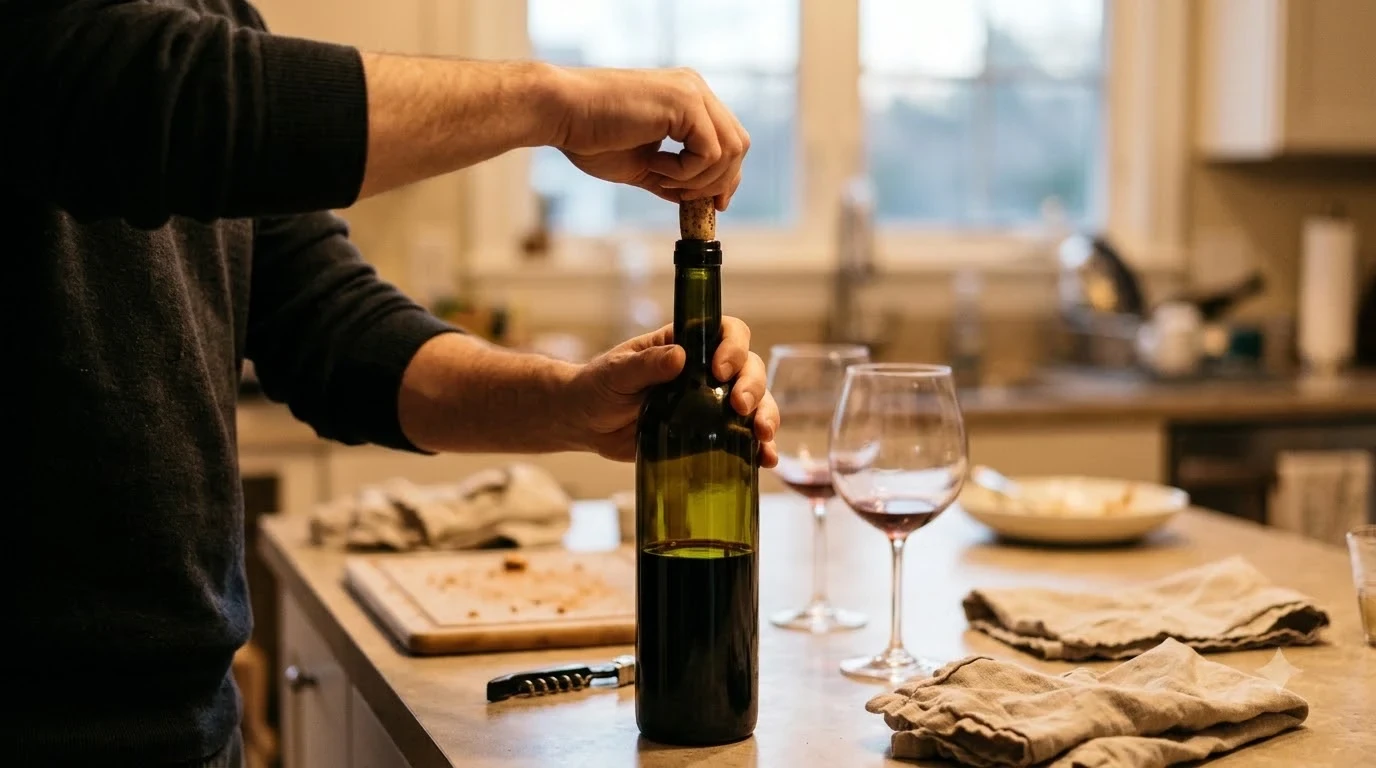
Alpha Omega wine is a Napa Valley producer whose reds are built mostly around Cabernet Sauvignon, the grape that gives Napa its best-known style. Expect a full-bodied wine with dark fruit, firm tannins, and enough structure to age for years. The label is a good starting point for anyone who wants a classic California Cabernet-style red without going to the top end of the price range.
If you have seen the Alpha Omega name on a restaurant list or a wine shop shelf and wondered what sets it apart, this guide covers what the wine tastes like, how the style is built, which bottles to look for, and how to serve and pair it. It also explains how to read the grape and region clues on the label so you can compare it with other Napa bottles.
What Alpha Omega Wine Is
Alpha Omega is a winery in Napa Valley, and its name is most often linked with red wines made from Cabernet Sauvignon. Napa producers of this kind usually blend the main grape with smaller shares of other Bordeaux varieties, which adds color, softness, or aromatic lift to the final wine. Because the house style leans toward ripe fruit and structure, the bottles tend to suit people who like bold reds with some oak character.
The label name tells you the producer, but the grape and vintage tell you most of what to expect in the glass. When you check a bottle, look for the grape listed on the front, the vintage year, and the appellation, which in this case is Napa Valley.
Many shoppers are surprised by how much the label can hide. A bottle may say Napa Valley and still vary in ripeness, oak, and blend depending on the vintage. Paying attention to the vintage year, the grape, and any tasting notes from reputable critics gives you a clearer picture than the name alone. When you buy a few bottles from the same producer over several years, the house style usually becomes easy to spot.
Flavor and Style
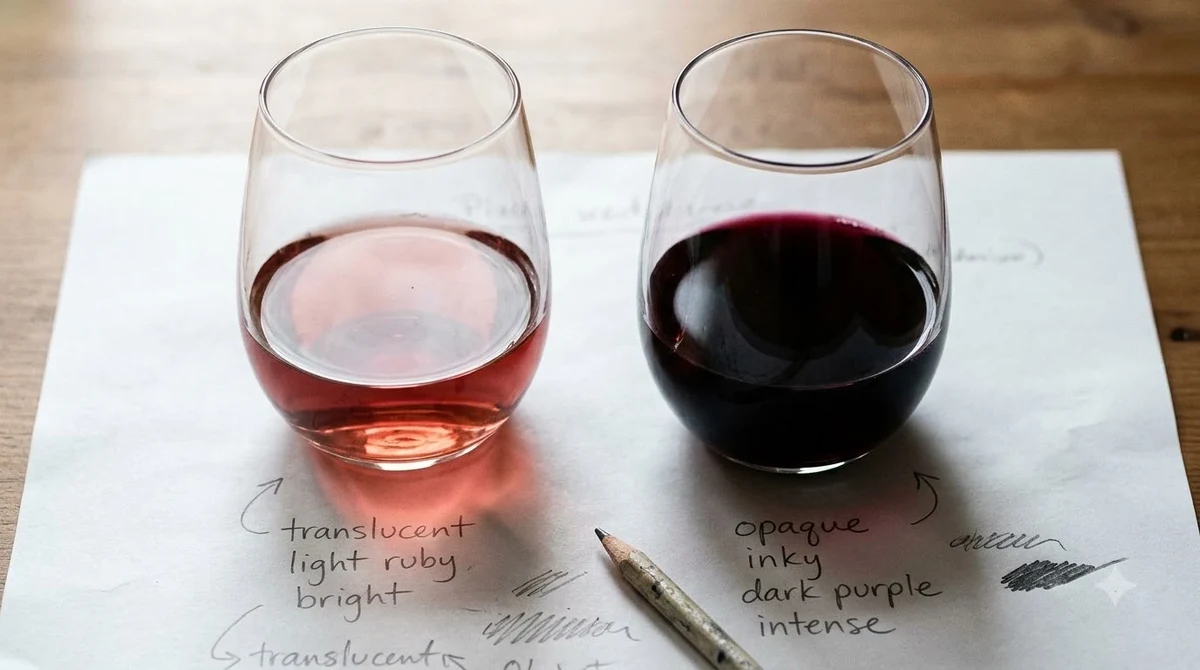
Cabernet Sauvignon from a warm region like Napa usually shows black cherry, black currant, and dark plum on the palate, with notes of cedar, baking spices, and sometimes graphite. Wine Folly’s Cabernet Sauvignon guide describes the grape as having full body, medium-high tannins, and medium-high acidity, with alcohol commonly between 13.5% and 15% ABV. The combination of ripe fruit and structure is what gives these wines their backbone.
Oak aging is one of the biggest differences between styles. Some Napa Cabernets are aged in new oak for a more toasty, vanilla-leaning profile, while others use older barrels to keep the fruit forward. Reading the back label or the producer’s technical sheet is the easiest way to tell which approach a bottle took.
Where the Grape Grows and Why It Matters
Cabernet Sauvignon has a long history in Bordeaux, France, where it is widely planted and often blended. According to Wine Folly, the grape’s name is said to mean “wild Cabernet,” and genetic research at UC Davis has linked it to a cross between Sauvignon Blanc and Cabernet Franc. That history explains why the grape travels so well: it adapts to many climates, and Napa Valley’s warm days and cooler nights help it keep acidity while building ripe flavor.
For a Napa-labeled wine, the region matters as much as the grape. The valley’s microclimates vary from one district to the next, so two bottles of Cabernet can taste quite different even when they share the same label style. Checking the sub-appellation on the back label, if one is listed, helps you compare like with like.
| Feature | What to expect |
|---|---|
| Main grape | Cabernet Sauvignon, often with Bordeaux blending partners |
| Body | Full |
| Tannins | Medium-high, softening with age |
| Acidity | Medium-high |
| Typical flavors | Black cherry, black currant, cedar, baking spices |
| Cellar life | Often 10 years or more for well-made examples |
Tip: If you want to compare Napa producers side by side, start with a few bottles from the same vintage and grape. Differences in oak and ripeness will show up quickly.
How to Serve Alpha Omega Wine
Serving temperature and glassware change how a big red tastes. Most full-bodied Cabernets show best slightly below room temperature, around 60 to 65 degrees Fahrenheit, which keeps the alcohol from dominating. A large-bowled glass gives the aromas space to open.
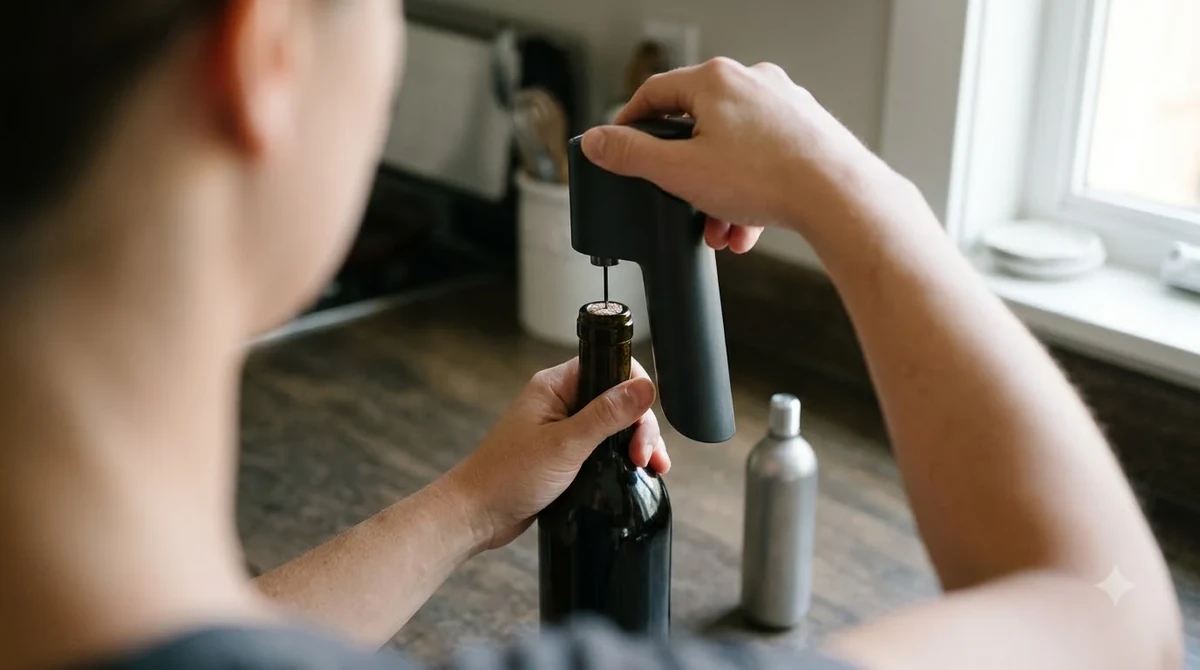
Decanting is worth doing for younger bottles. Wine Folly recommends decanting Cabernet Sauvignon for about one hour before serving, which softens the tannins and lets the fruit and oak integrate. Older bottles with sediment usually need a shorter, gentler decant so the wine does not fade too fast.
Food Pairing Ideas
Because Cabernet Sauvignon is rich and tannic, it pairs best with food that has enough fat and flavor to balance it. Grilled steak, lamb chops, and roasted meats with peppery sauces are classic matches. Hard aged cheeses and mushroom dishes also work well, since their savory notes mirror the wine’s earthy edge.
Lighter dishes can overwhelm this style. Delicate fish or simple salads tend to taste thin next to a full Napa red, so save the big bottle for dinners built around meat or bold sauces.
How to Choose a Bottle
Start with the vintage and the producer’s technical information if it is available. A recent vintage will be more vibrant and approachable, while a bottle from a strong older year can show more complexity. If you are buying for a special meal, pick a wine that has had time to settle in the bottle.
If you want a bottle for everyday dinners, look for a younger wine with clear fruit and moderate oak. If you are building a collection, a few years in the cellar will show you how the tannins soften and the flavors develop. For broader context on how wine brands are grouped and compared, the Wine Brands section collects more guides on producers and their styles.
Comparing a Napa Cabernet with other reds from the same family can also help you understand the house style. Many shoppers like to line up a Napa Cabernet against a Cabernet from another region, such as Spottswoode, to see how climate and winemaking shape the result.
Frequently Asked Questions
Is Alpha Omega wine a Cabernet Sauvignon?
The winery’s name is most often associated with Cabernet Sauvignon-based reds from Napa Valley. Always check the label for the specific grape and vintage, since blends and single-variety bottlings can differ.
How long can I keep an Alpha Omega Cabernet?
Cabernet Sauvignon is built for aging, and many well-made examples improve for a decade or more in a cool, dark cellar. Younger bottles can be opened sooner and decanted for about an hour.
What should I drink with Alpha Omega wine?
Grilled steak, roasted lamb, and rich mushroom dishes are classic pairings. Aged cheeses also work well with the wine’s structure and tannins.
How is a Napa Cabernet different from one from Bordeaux?
Napa wines often show riper fruit and a more pronounced fruit profile, while Bordeaux examples usually lean toward earthier, more restrained styles. Both can age well, so the choice comes down to the flavor you prefer.
The Alpha Omega style is a good fit for anyone who enjoys a bold, structured red and wants to learn how Napa Cabernet differs from wines made in other regions. Start with a younger bottle to get the fruit, then try an older vintage to see how the tannins soften. If you want a lighter, lower-alcohol option for a different occasion, the Stella Rosa Red page covers a very different style of red, which can help you see how much the grape and winemaking shape a bottle.
More in Wine Brands
 Underwood Wine Price: Compare Bottles, Cans, and Pack SizesUpdated Nov 21, 2026
 Zenato Wine Price: Compare Styles and Choose the Right BottleUpdated Nov 21, 2026
 Zuccardi Wine Price: Compare Bottles and Find the Right RangeUpdated Nov 21, 2026
 Yellow Tail Moscato Review: Taste, Sweetness and Serving TipsUpdated Nov 21, 2026
 Wolf Blass Yellow Label Review: Choose Your Best StyleUpdated Nov 21, 2026
 Wolffer Estate Rose Review: Choose the Right Bottle for Your TableUpdated Nov 21, 2026