

We may earn a commission when you buy through links on this page, at no extra cost to you. Learn more.
Woodbridge Chardonnay is a California white wine made under the Woodbridge by Robert Mondavi label, offered in three styles: a standard Chardonnay, a Buttery Chardonnay, and a Lightly Oaked Chardonnay. The brand is built for everyday drinking, so the wines are usually smooth, fruity, and easy to pair with simple meals. This guide explains what to expect in each style, how the wine is typically served, and what to pair it with.
Woodbridge is one of the most recognizable names in the affordable California Chardonnay category. Before choosing a bottle, it helps to know a little about the grape behind it and how oak and winemaking shape the final taste.
What Chardonnay Tastes Like in General
Chardonnay is the most widely planted white grape in the world, and it originated in Burgundy, France. According to Wine Folly’s Chardonnay guide, the grape adapts to many climates, so the same variety can taste quite different from one region to the next. Cooler sites tend to produce citrus and green apple, while warmer sites lean toward peach, apricot, and pineapple.
Winemaking choices matter just as much as climate. Malolactic fermentation converts sharp malic acid into softer lactic acid, which gives many Chardonnays a creamy, rounded texture. Aging in oak adds notes of vanilla, butter, and toast, and the amount of oak is one of the main differences between a crisp bottle and a rich one.
The Woodbridge Chardonnay Lineup
Woodbridge sells its Chardonnay in three versions, and each one sits at a different point on the crisp-to-creamy scale. The brand describes its wines as well balanced, flavorful, and approachable, and the labels make it easy to choose the style you prefer.
The standard Chardonnay is the most straightforward choice. Customer reviews on the brand site describe it as a crisp version with a bit of zing, which suits people who want a lighter style. The brand notes that the wines are made to be enjoyed without a special occasion, so the standard bottle often ends up on weeknight tables rather than in a cellar. The Buttery Chardonnay is aimed at drinkers who enjoy the richer, creamier profile that comes from malolactic fermentation and oak. The Lightly Oaked Chardonnay sits in between, with some of the vanilla and toast character but without a heavy finish.
Taste Profile and How Each Style Differs
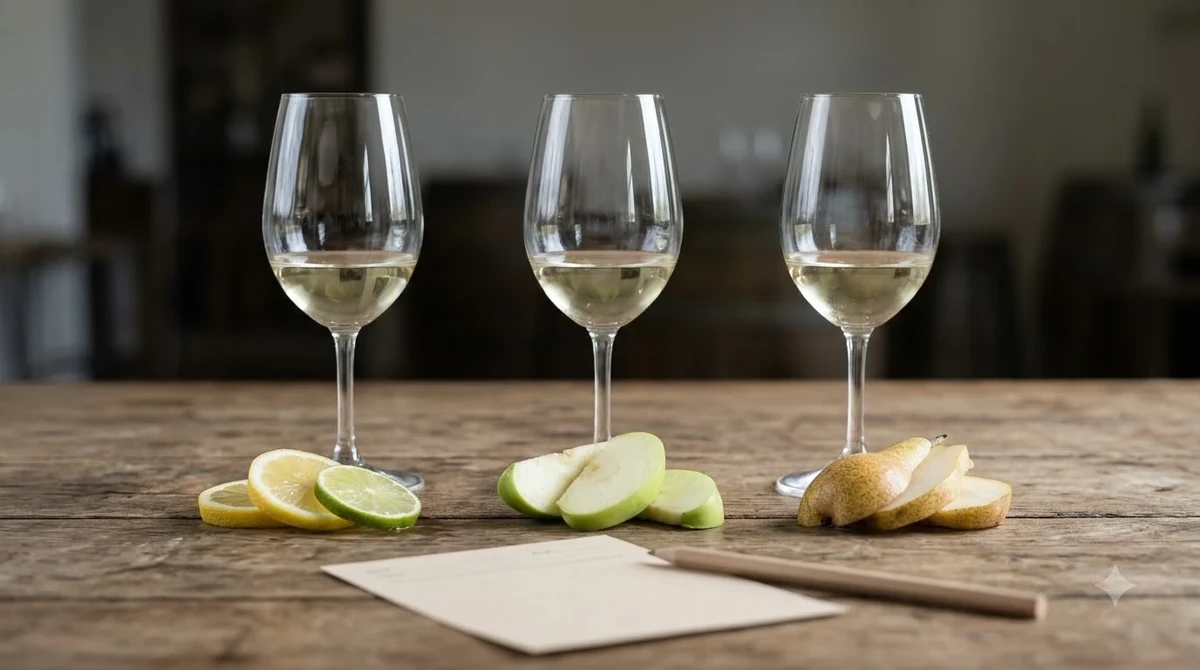
The difference between styles is easiest to notice side by side. A lightly oaked wine carries a touch of vanilla and warm spice from barrel aging, but its acidity still leads the palate. A buttery wine reverses that balance, with the creamy, rounded texture taking over and the fruit sitting behind it.
Most Woodbridge customers describe the wines as smooth, not too sweet, and easy to drink. A citrus character comes through in several reviews, and that fits the general pattern for California Chardonnay made in a fresh style. These are customer testimonials rather than professional tasting notes, so treat them as a guide to what everyday drinkers tend to enjoy.
| Style | What to expect | Good with |
|---|---|---|
| Chardonnay (standard) | Crisp, citrusy, a little zing | Salads, grilled chicken, soft cheeses |
| Lightly Oaked Chardonnay | Balanced, mild vanilla, soft finish | Roast chicken, pasta with cream sauce |
| Buttery Chardonnay | Round, creamy, buttery and toasty | Lobster, crab cakes, buttery popcorn |
How to Serve Woodbridge Chardonnay
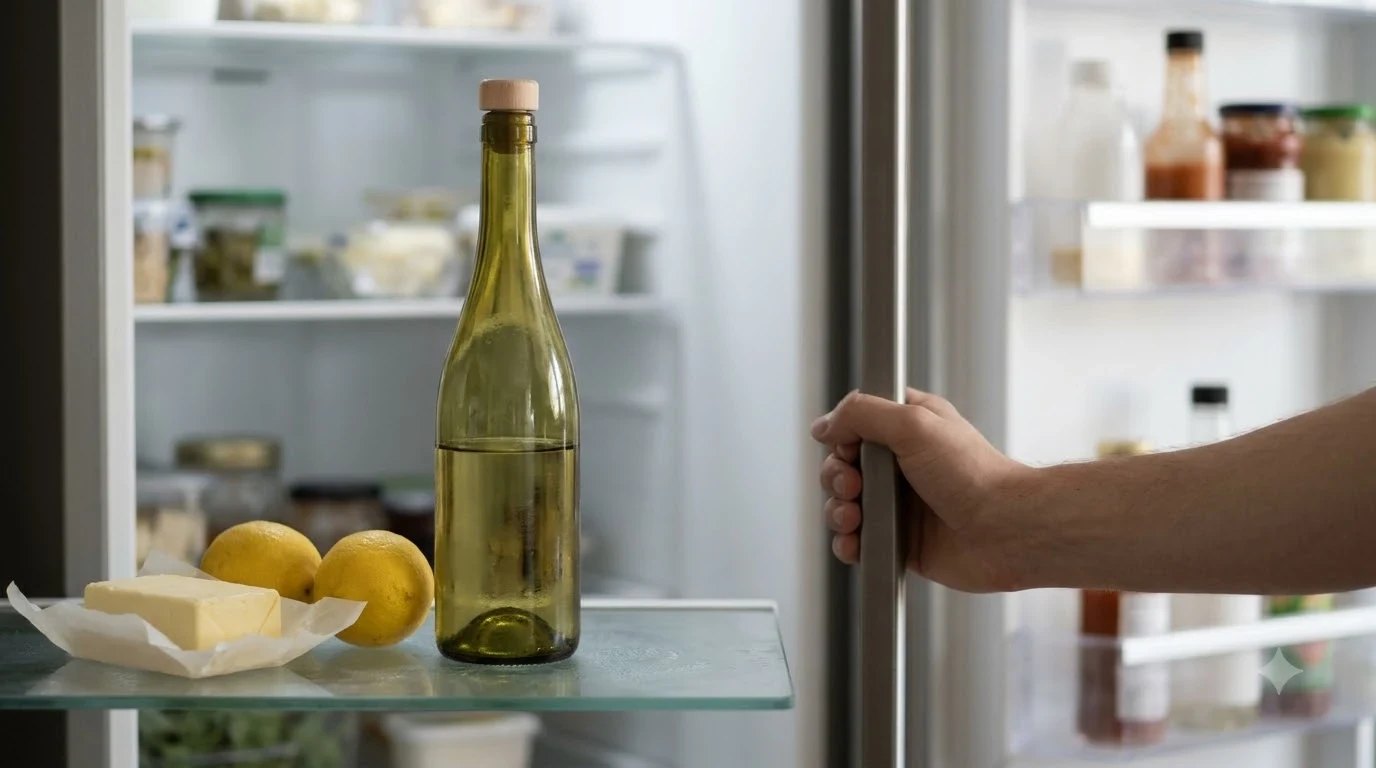
Temperature and glassware are simple levers that change how any Chardonnay tastes. Wine that is too cold hides its aromas and can make the acidity feel sharp, while wine that is too warm can taste heavy and alcoholic. Aim for a middle range and adjust by style.
Serving temperature has a visible effect on how a Chardonnay tastes. Wine Folly suggests about 48°F (9°C) for unoaked styles and about 54°F (12°C) for oaked styles. A standard or lightly oaked bottle is best chilled a little more than a richer, buttery one, which keeps its fruit lively instead of letting it taste flat.
A white wine glass with a moderately wide bowl gives the aromas room to open, and it keeps the wine from warming too quickly in the hand. Chilling the bottle in the refrigerator for a few hours before pouring usually brings it into the right range without much effort, and an ice bucket works well if the bottle is already cold but you want it to stay that way through dinner.
Tip: If a Buttery Chardonnay tastes heavy when it is too warm, chill it for 20 to 30 minutes before serving. The creaminess will feel smoother and the fruit will come forward.
Food Pairings That Work Well
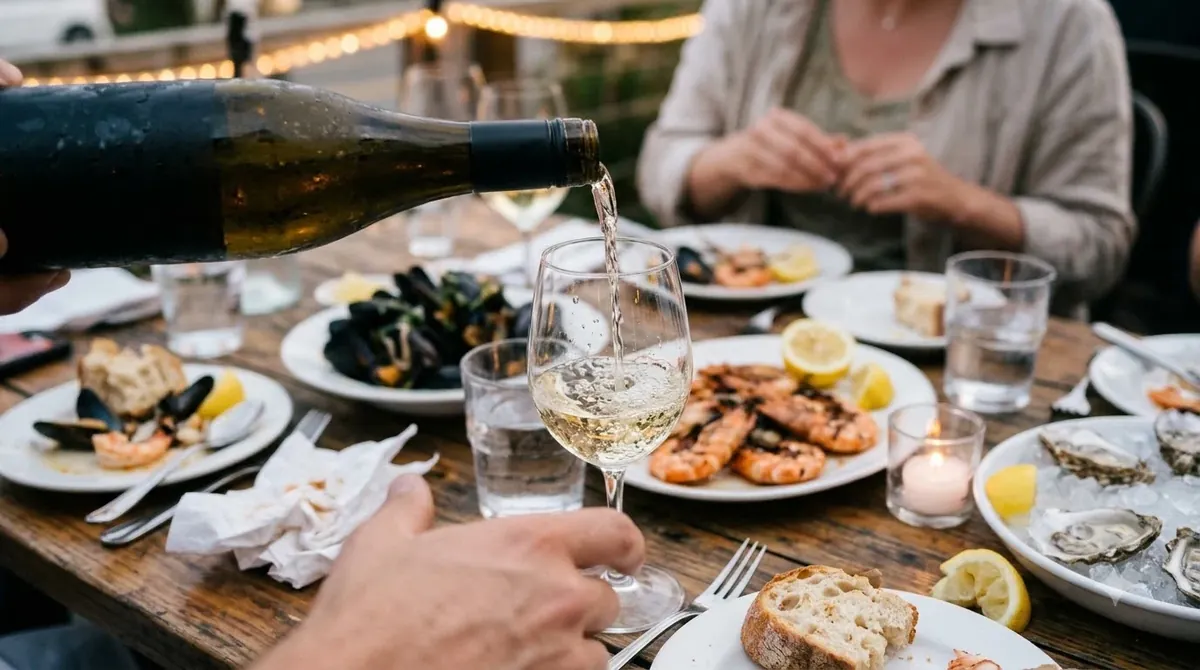
Pairing depends on which style you open. Lean and crisp Chardonnays go well with lighter foods that share their acidity, such as shellfish, sautéed fish, and vegetable dishes. Richer, oaked styles can stand up to dishes with more fat and body, including roasted poultry, creamy pasta, and crab.
For a simple dinner, the standard Chardonnay pairs well with grilled chicken and lemon-herb vegetables, while the Buttery Chardonnay is a good match for seafood in butter sauce. The Lightly Oaked style works across a wider range of meals, which makes it a practical choice when you are serving several dishes at once.
Where Woodbridge Fits Among Other Chardonnays
Shoppers who want to read more about the producer can start with the official Woodbridge website, which covers the brand story and the current lineup. Keep in mind that the site describes wines, not vintages or prices, so check the label on the bottle you find in a store for the exact bottling and year.
The Chardonnay category is broad, and the difference between a crisp bottle and a rich one can be large. Woodbridge positions its wines in the approachable middle, which is why many shoppers reach for it when they want a reliable white for everyday meals rather than a special-occasion bottle.
If you already enjoy the brand, you may want to compare its Chardonnay with other popular California bottlings. Brand-level context is useful here, and the wine brands guide explains how producers differ in style and approach. For a richer comparison, look at J. Lohr Chardonnay, which is also a California white with a fruit-forward profile.
Frequently Asked Questions
Is Woodbridge Chardonnay dry or sweet?
The brand describes its Chardonnay as well balanced and approachable, and customer reviews often call it smooth and not too sweet. Most drinkers find it on the dry side with a soft, fruity finish.
What is the difference between the Chardonnay and the Buttery Chardonnay?
The standard Chardonnay is lighter and crisper, while the Buttery Chardonnay has a rounder, creamier texture from malolactic fermentation and oak. If you want a fresh white, choose the standard bottle. If you prefer a richer style, the Buttery version is the better fit.
Should Woodbridge Chardonnay be served chilled?
Yes. Wine Folly suggests about 48°F (9°C) for unoaked styles and about 54°F (12°C) for oaked styles. Chilling the bottle slightly keeps the fruit clean and the texture balanced.
What foods go best with Woodbridge Chardonnay?
Lighter styles pair well with chicken, salads, and vegetable dishes. Richer styles go with crab, creamy pasta, and roasted poultry. Matching the body of the wine to the weight of the food is the simplest rule.
Woodbridge Chardonnay is a practical choice for everyday drinking, with three styles that cover crisp, lightly oaked, and buttery preferences. Start with the bottling that matches the meal you are planning, serve it at the right temperature, and you will get the most from it. For more options from the same family of wines, browse the wine brands guide.
More in Wine Brands
 Underwood Wine Price: Compare Bottles, Cans, and Pack SizesUpdated Nov 21, 2026
 Zenato Wine Price: Compare Styles and Choose the Right BottleUpdated Nov 21, 2026
 Zuccardi Wine Price: Compare Bottles and Find the Right RangeUpdated Nov 21, 2026
 Yellow Tail Moscato Review: Taste, Sweetness and Serving TipsUpdated Nov 21, 2026
 Wolf Blass Yellow Label Review: Choose Your Best StyleUpdated Nov 21, 2026
 Wolffer Estate Rose Review: Choose the Right Bottle for Your TableUpdated Nov 21, 2026