

We may earn a commission when you buy through links on this page, at no extra cost to you. Learn more.
What is primitivo? It is a dark-skinned red wine grape best known in Puglia, southern Italy, where it makes ripe, richly flavored wines with dark fruit, spice, and often generous alcohol. Primitivo is genetically the same grape as California Zinfandel and Croatia’s Crljenak Kaštelanski, but its Italian growing areas give it a range of expressions. A bottle may be plush and powerful from the coastal vineyards around Manduria, or fresher and more savory from the higher terrain near Gioia del Colle.
Primitivo is a useful grape to know if you enjoy red wines built around blackberry, cherry, plum, and warm spice. Its name, regional labels, and relationship to Zinfandel can be confusing at first, so the best way to understand it is to look at the grape, the places where it grows, and the rules behind the most famous wines.
Primitivo’s Identity and Grape Character
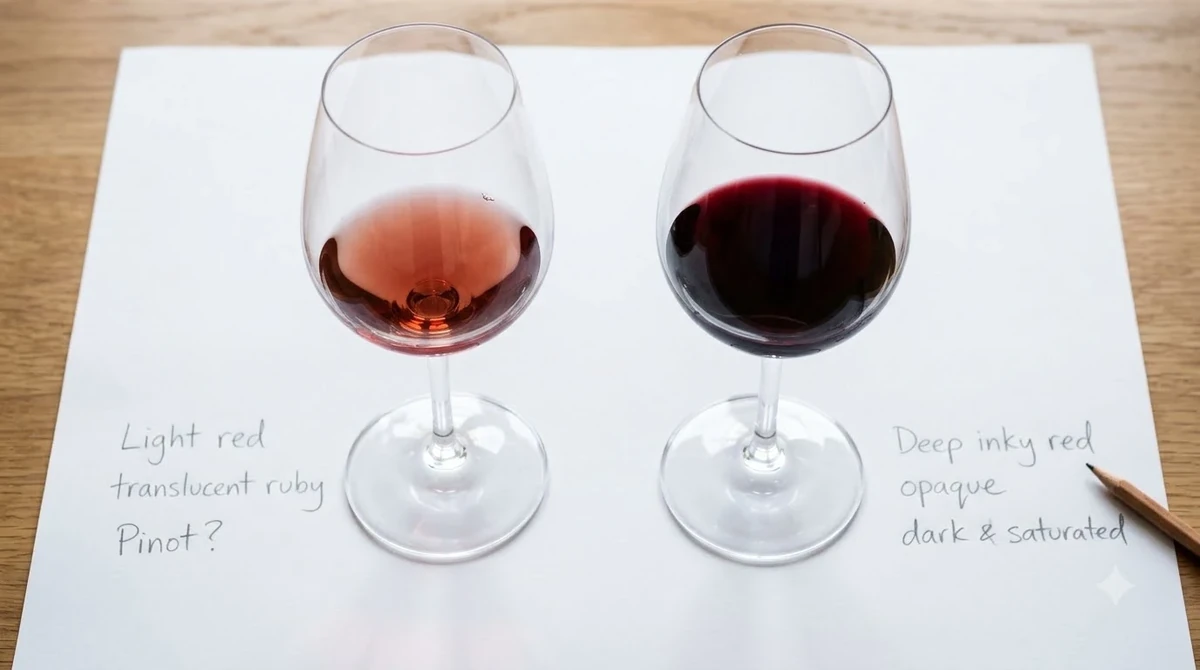
Primitivo is a red wine grape associated most strongly with Puglia, the long region that forms the heel of Italy’s boot. The berries have dark skins, ripen early, and can accumulate substantial sugar in warm, sunny conditions. In the glass, that combination often translates into concentrated color, ripe fruit, a rounded texture, and a noticeable level of alcohol.
Typical aromas and flavors include black cherry, blackberry, ripe plum, raspberry, fig, and baking spices such as black pepper, cinnamon, and clove. Some bottlings add notes of dried herbs, licorice, cocoa, vanilla, or orange peel, especially when oak aging is part of the winemaking. These are tasting possibilities rather than a checklist: fruit ripeness, vineyard altitude, harvest timing, fermentation, and barrel use all influence the final profile.
Primitivo is commonly medium- to full-bodied, with medium tannins and enough acidity to keep ripe fruit from feeling entirely heavy. The grape can make red wine, rosato, and sweet dessert wine, so the name alone does not tell you whether a particular bottle is red and dry. Most bottles encountered in US wine shops are red, but it is useful to recognize the wider range.
Origins, Early Ripening, and the Zinfandel Connection
Primitivo and Zinfandel are not merely similar grapes: DNA research identifies them as the same variety. The grape is also known in Croatia as Crljenak Kaštelanski and by the older name Tribidrag. Those names reflect different wine histories and local traditions, not different grape varieties.
The Italian name points to the grape’s early-ripening habit. It is linked to the word primaticcio, meaning first or early fruit, and Puglia’s growing season can bring harvest forward compared with later-ripening varieties. Wine Enthusiast traces Primitivo’s traditional Italian roots to the eighteenth century and notes its Croatian origin; regional history also records Don Filippo Indelicati selecting the variety in the Gioia del Colle area toward the end of that century.
Although the grape is genetically the same, Primitivo and California Zinfandel do not have to taste alike. Climate, harvest choices, and oak treatment can produce different results: Italian examples often show cherry and plum with savory spice, while some California Zinfandels lean toward jammy fruit and higher alcohol. Producer style still matters more than the grape name alone.
If you want to say the Italian name confidently before ordering, use this guide to how to pronounce primitivo. The pronunciation is much simpler once you break it into syllables: pri-mi-TI-vo.
Puglia’s Three Main Primitivo Areas
Puglia is not one uniform growing site, and the differences between Manduria, Gioia del Colle, and Salento can be clear in the glass. The warm coastal plains tend to give fuller, riper wines, while inland elevation and cooler nights can preserve freshness and bring herbal or spicy notes forward.
Primitivo di Manduria is the best-known name. Its vineyards lie mainly in Taranto, with the denomination extending into parts of Brindisi. Sandy-clay, iron-rich red soils are often called terra rossa, and breezes from the Ionian Sea help reduce stagnant humidity and cool vines at night. Wines commonly show dense blackberry, plum, and fig, a velvety texture, and high alcohol; some reach around 16% ABV.
Gioia del Colle, in the province of Bari, lies inland near the Murgia plateau. Wine Enthusiast describes vineyards ranging from roughly 320 to 1,600 feet above sea level, with summer nights that can be up to 35°F cooler than daytime highs. That greater day-to-night temperature swing helps preserve freshness. The wines often feel more lifted and energetic than the richest Manduria examples, with cherry, blackberry, pepper, herbs, and a more noticeable mineral or earthy edge.
Salento covers a broader southern part of the peninsula, including Taranto, Brindisi, and Lecce. Primitivo bottled under Salento IGP can offer a middle ground: generous ripe fruit without always reaching the density associated with Manduria, and often less restraint than the fresher examples from Gioia del Colle. Salento is a useful starting point when you want an expressive, fruit-forward wine but do not necessarily want the most powerful style.
Flavor, Body, Tannin, and Alcohol
Primitivo’s signature is ripe dark fruit supported by spice and a warm, rounded palate. The grape can produce a substantial wine, but it is not automatically massive: altitude, crop levels, harvest date, and cellar decisions can shift the body and alcohol noticeably.
Expect a spectrum from juicy, medium-bodied bottlings to full-bodied reds with a velvety feel. Fruit may suggest black cherry, blackberry, plum, or raisin, while savory details include black pepper, dried thyme, licorice, and earth. Oak can add vanilla, toast, cocoa, or sweet spice, but it need not dominate the wine.
Its tannins are generally medium rather than as forceful as those in Cabernet Sauvignon or young Syrah. That makes Primitivo feel broad and softly grippy instead of sharply drying, although a concentrated Riserva can have a firmer frame. Acidity varies, too. The warmest sites can produce very ripe fruit, but good examples retain enough freshness to balance the richness; Gioia del Colle often makes that freshness easier to notice.
| Feature | Typical impression | What can change it |
|---|---|---|
| Color | Deep ruby to purple when young | Age and extraction during winemaking |
| Fruit | Black cherry, blackberry, plum, fig | Climate, harvest date, and ripeness |
| Body | Medium-full to full | Vineyard altitude, yield, and alcohol |
| Tannin | Usually medium and rounded | Skin contact, extraction, and oak |
| Alcohol | Often generous; Manduria examples may approach 16% ABV | Natural grape sugar and fermentation choices |
Alcohol is an important part of the style: warm Puglian conditions can bring grapes to high sugar levels and produce powerful wines. A wine that smells like blackberry jam and feels warm on the finish is not necessarily sweet; ripe aromas and high alcohol can create that impression in a dry red. For more detail, see is primitivo full bodied.
Primitivo Labels, DOC Rules, and Sweet Wine
The words on the label tell you more than the grape name alone. Puglia’s classifications set geographical and production conditions, while terms such as Riserva and Dolce Naturale point to different styles and requirements.
For Primitivo di Manduria DOC, the official production rules require at least 85% Primitivo; up to 15% may come from other permitted non-aromatic red grapes grown in the specified provinces. The base DOC wine must reach at least 13.5% total alcohol by volume. The Consorzio’s Primitivo di Manduria DOC production rules also set a maximum grape yield of 9 metric tons per hectare and define the permitted production area in Taranto and Brindisi. Riserva is a more structured, longer-aged version: it requires 24 months of aging, including at least 9 months in wood, and a minimum total alcohol level of 14% ABV. This does not mean every Riserva tastes heavily oaked; barrel size, age, and time in wood vary by producer, and some wines use oak to support the fruit rather than dominate it.
| Label | Grape requirement | Key rule |
|---|---|---|
| Primitivo di Manduria DOC | At least 85% Primitivo | Minimum 13.5% total ABV; residual sugar no more than 18 g/L |
| Primitivo di Manduria Riserva | At least 85% Primitivo | 24 months aging, including at least 9 months in wood; minimum 14% total ABV |
| Primitivo di Manduria Dolce Naturale DOCG | 100% Primitivo | At least 50 g/L residual sugar; minimum total alcohol 16% ABV |
Dolce Naturale is the important exception to the assumption that Primitivo is always dry. This is a sweet red wine made from 100% Primitivo in the designated Manduria area. The Consorzio states that it must have at least 50 grams of residual sugar per liter; its minimum total alcoholic strength is 16% ABV, with at least 13% actual alcohol. It is a distinct DOCG category, not simply a regular dry Primitivo with a sweet flavor note.
For a first bottle, Salento IGP is a flexible introduction, while Primitivo di Manduria DOC gives you the best-known place name. Choose Riserva for regulated aging, and Dolce Naturale when you want a dessert wine. The rules are useful clues, but producer and vintage still matter.
Food Pairings for Primitivo
Primitivo’s ripe fruit, moderate tannin, and generous body make it a natural match for savory foods with enough flavor and texture to meet the wine. Grilled meats, tomato-based pasta, roasted vegetables, and aged cheeses are especially reliable choices.
Try a medium-bodied Salento Primitivo with orecchiette and sausage ragù, baked pasta, fennel-sausage pizza, or grilled eggplant. Tomato sauce has pronounced acidity, so choose a wine with enough freshness to stand alongside it. Gioia del Colle can work well with tomato, herbs, and a little char without adding too much weight.
For richer dishes, reach for Primitivo di Manduria with grilled lamb, braised short ribs, pork shoulder, beef meatballs, or Puglian-style bombette, which are small stuffed pork rolls. Salt and fat soften the perception of tannin, so charcuterie, aged pecorino, and grilled sausages can make a firm wine seem smoother. A more concentrated Riserva can stand up to slow-roasted meat and strongly flavored hard cheese.
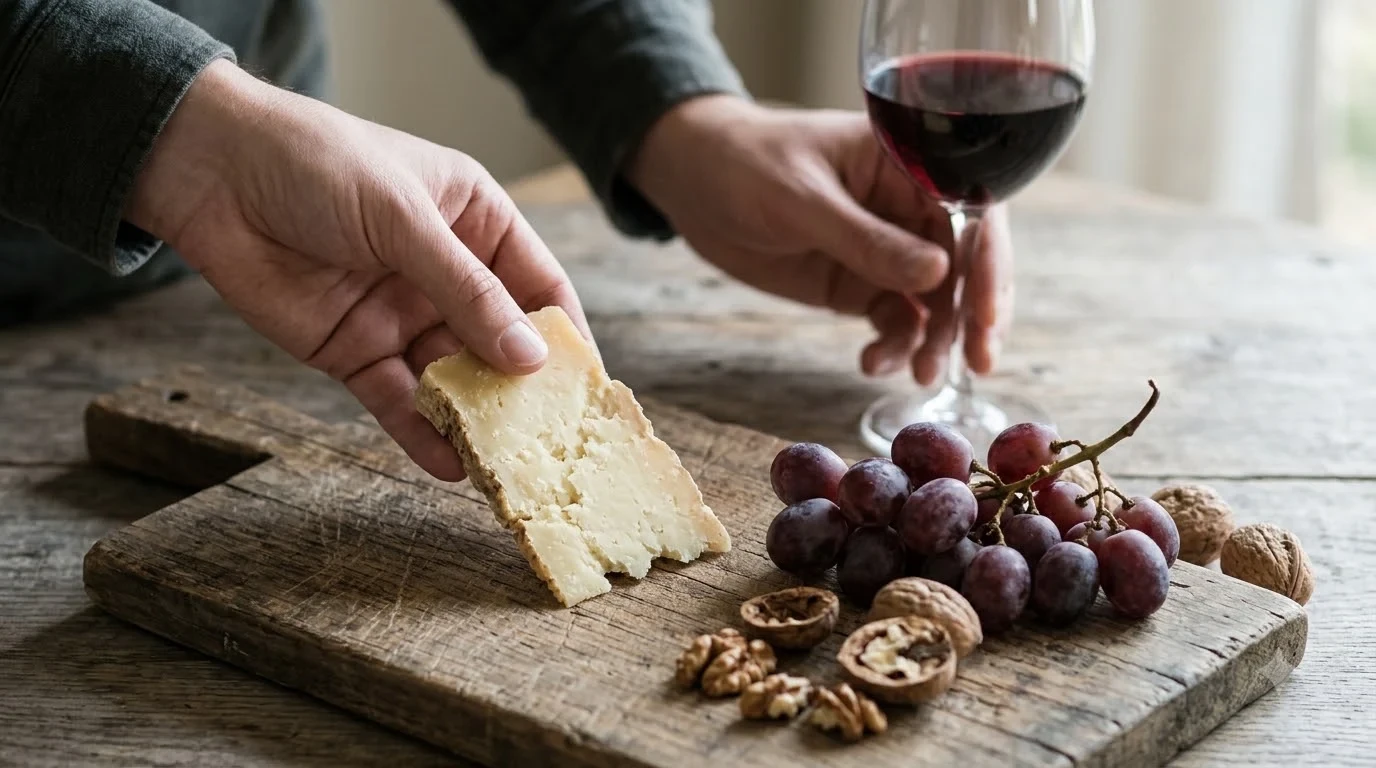
Be more careful with chili heat and delicate seafood. Alcohol and tannin can make hot pepper seem stronger, so a fiery dish may make a high-alcohol Primitivo harsher. Tannic reds also tend to clash with oily fish; for salmon, sardines, or grilled tuna, a white wine or lighter red is usually safer. Primitivo can also move to a cheese board, especially when it has bright acidity and moderate oak. For a very sweet Dolce Naturale, choose a dessert at least as sweet as the wine, such as a dried-fruit pastry, dark-fruit tart, or blue cheese.
Tip: Match the wine’s weight to the dish, not just its color. A fresh Gioia del Colle Primitivo can suit tomato pasta or grilled vegetables, while a concentrated Manduria Riserva is better suited to lamb, braised beef, or aged cheese.
How to Serve, Store, and Choose a Bottle
Serve a full-bodied Primitivo slightly cooler than a warm room, around 60–65°F. That range helps keep alcohol from seeming too hot while allowing blackberry, cherry, and spice aromas to show. A lighter, fresher example can be served toward the lower end of the range; a powerful Manduria Riserva can benefit from the upper end.
Young, concentrated reds may open up with air. Give a young full-bodied bottle 30–60 minutes in a decanter if its aromas initially seem muted or its tannins feel tight. Older bottles are more delicate, so pour carefully and taste before deciding whether they need decanting. A standard 750 mL bottle provides about five 5-ounce glasses, which is a practical serving guide for a dinner with four or five guests.
Store unopened bottles on their sides in a cool, dark place near 55°F. Once opened, recork and refrigerate; most still wines keep for about 3–5 days, though fruit and freshness gradually fade. Let the wine warm in the glass rather than leaving it on a hot counter.
When choosing, start with the place name and then consider the producer’s style. Manduria is a good fit for a plush, powerful red; Gioia del Colle is a strong option for more freshness and savory detail; Salento often falls between those poles. The word Primitivo identifies the grape, while DOC, IGP, and Riserva give further clues about origin and production. For more grape and style comparisons, browse Wine by Type.
Frequently Asked Questions
These quick answers cover common points that can be hard to read from the front label, including the grape’s name, its relationship to Zinfandel, and the difference between dry and sweet Manduria wines.
Is Primitivo the same grape as Zinfandel?
Yes. DNA analysis identifies them as the same variety. Other recorded synonyms include Morellone, Uva di Corato, and Primaticcio, names that appear in older Italian grape references.
Is Primitivo always a dry red wine?
No. The Dolce Naturale category was formally recognized as a DOCG in 2011 and was the first DOCG classification in Puglia. Its name distinguishes it from the area’s standard red DOC wines.
Does Primitivo need to be aged before drinking?
No. Many straightforward bottlings are made for early drinking. Under the DOC rules, standard Primitivo di Manduria may be released after March 31 following the harvest, so it does not require a long cellar wait.
Can Primitivo be made into rosé?
Yes. Single-variety Primitivo rosato is produced in different parts of Puglia, including the inland Murgia area and the Salento peninsula. These wines are usually bottled as rosato rather than being labeled as a red Primitivo.
What does the word “Riserva” guarantee on Primitivo di Manduria?
The designation also requires the vintage year to appear on the bottle. That lets buyers identify the harvest year, which is useful when comparing a younger release with an older Riserva.
Primitivo is a rewarding choice for drinkers who like ripe red and black fruit, warm spice, and a generous texture, but the region on the label matters. Try Manduria for power, Gioia del Colle for freshness, and Salento for an approachable middle ground; comparing the three is one of the clearest ways to understand the grape.
More in Wine Types & Grapes
 Zinfandel Sugar Content: Dry Red vs. White Zinfandel GramsUpdated Nov 21, 2026
 Best Zinfandel Substitute Options for Sipping and CookingUpdated Nov 21, 2026
 Zweigelt Food Pairing: Best Dishes, Cheeses, and Serving TipsUpdated Nov 21, 2026
 Zinfandel Tannins Explained: How Structure Shapes Every BottleUpdated Nov 21, 2026
 Zinfandel Sweetness Level: Dry Red vs. Sweet White Zin ExplainedUpdated Nov 21, 2026
 Xinomavro Food Pairing: Best Dishes, Styles, and Serving TipsUpdated Nov 21, 2026