

We may earn a commission when you buy through links on this page, at no extra cost to you. Learn more.
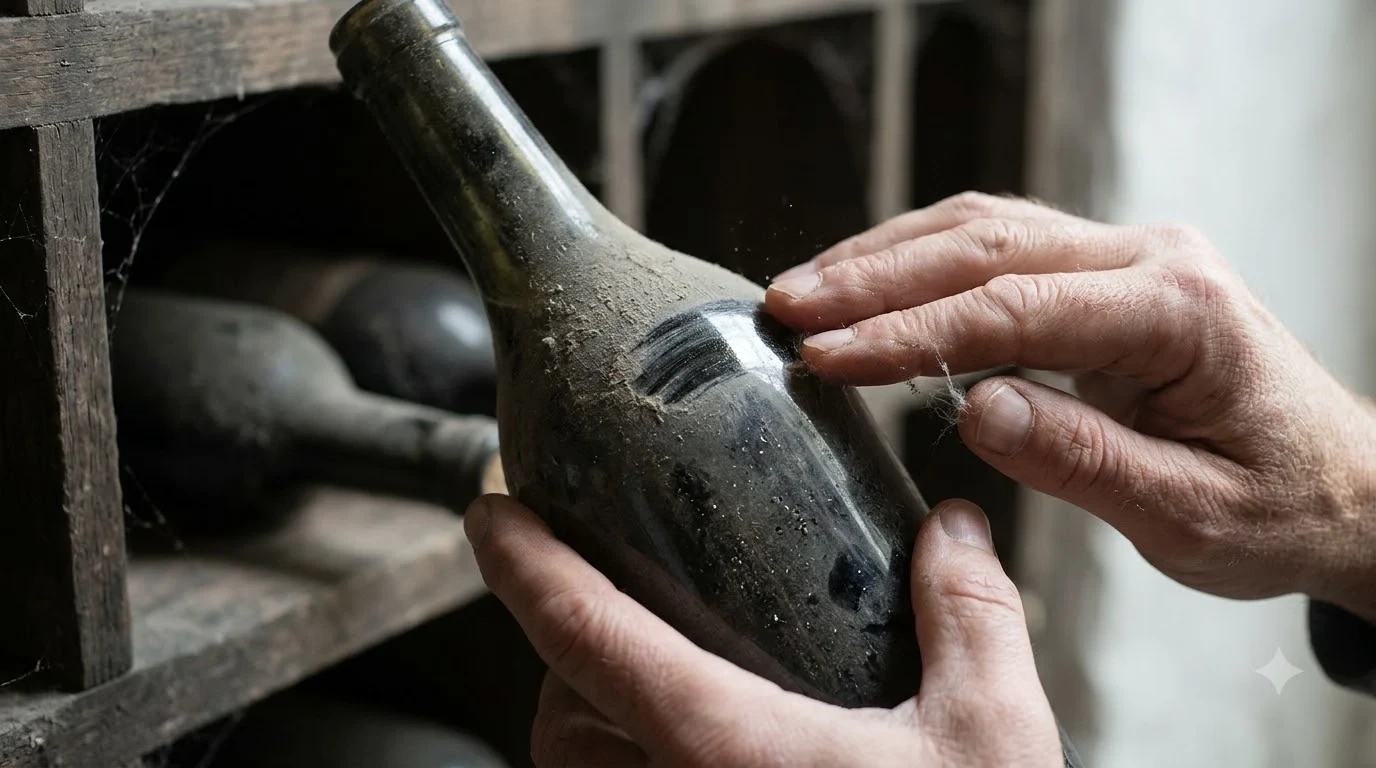
Blandy’s Madeira is made by Blandy’s, a family company on the Portuguese island of Madeira that the brand says is the only founding family of the Madeira trade still running its original firm. The company’s website describes a legacy dating back to 1811 and a range of wines grouped by age, including blends of three to fifty years, single-harvest Colheitas and special editions. This guide covers the history behind the brand, the main styles on offer, how to serve Madeira at home and how to choose a bottle.
Madeira is one of the more unusual wines on the shelf. It is a fortified wine that is heated and aged in a way few other wines are, and its bottles can keep for decades after opening. Blandy’s is one of the best-known names in the category, so it makes a good starting point for anyone curious about the style. The sections below rely on the brand’s own description and on general knowledge of Madeira as a category.
The Family Behind Blandy’s Madeira
According to the company’s website, Blandy’s is a family business and the only founding family of the Madeira trade that still owns and runs its original company. The brand is now led by Chris Blandy, who represents the seventh generation of the family. The wines are made under the guidance of enologist Francisco Albuquerque, a detail the site presents as part of the company’s continuity between tradition and new work.
The website says the company’s legacy dates back to 1811 and speaks of more than two centuries of history. The brand also highlights its certification as a B Corporation, a designation for companies that meet standards for social and environmental performance. These facts help frame Blandy’s as an established house rather than a newer label trading on the Madeira name.
The Main Styles and Age Categories
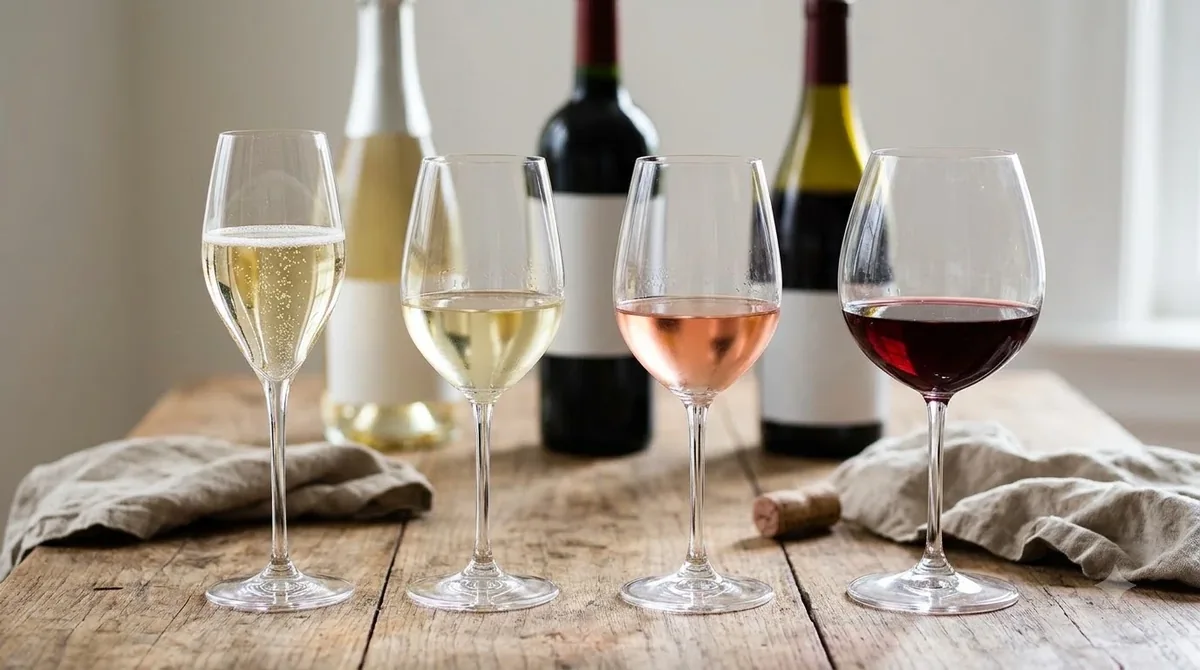
Blandy’s organizes its wines by age and by type. The blends are aged for three, five, ten, fifteen, twenty, thirty and fifty years, which gives drinkers a clear ladder of intensity and complexity. Younger blends tend to be brighter and fresher, while older examples show deeper caramel, nut and dried fruit notes.
The house also produces Colheitas, which are single-harvest wines. The company says Colheitas are aged a minimum of five years, and a single vintage year on the label tells you the year the grapes were harvested. Heritage wines are described as single-selection bottlings, and the special editions include releases tied to historic dates and anniversaries. The site also mentions a Vinho Fundador special edition marking America’s 250th anniversary.
| Category | What the site states |
|---|---|
| Blends | Aged 3, 5, 10, 15, 20, 30 and 50 years |
| Colheitas | Single-harvest, aged at least 5 years |
| Heritage | Single-selection wines |
| Special editions | Limited releases, including anniversary bottlings |
Why Madeira Tastes the Way It Does
Madeira’s character comes from its winemaking. The wines are fortified, meaning a spirit is added during fermentation, and they are typically heated in a process that gives them a distinctive cooked, nutty flavor. That heating and long aging make the wines more stable than most table wines. The result is a range that runs from dry, savory styles to rich, sweet ones.
The company’s website does not list the grape names used in its wines, so this guide does not attribute specific varieties to particular bottlings. Readers who want that detail should check the label or the producer’s technical sheets. What the site does make clear is the emphasis on tradition and on wines that feel timeless in character.
How to Serve Blandy’s Madeira
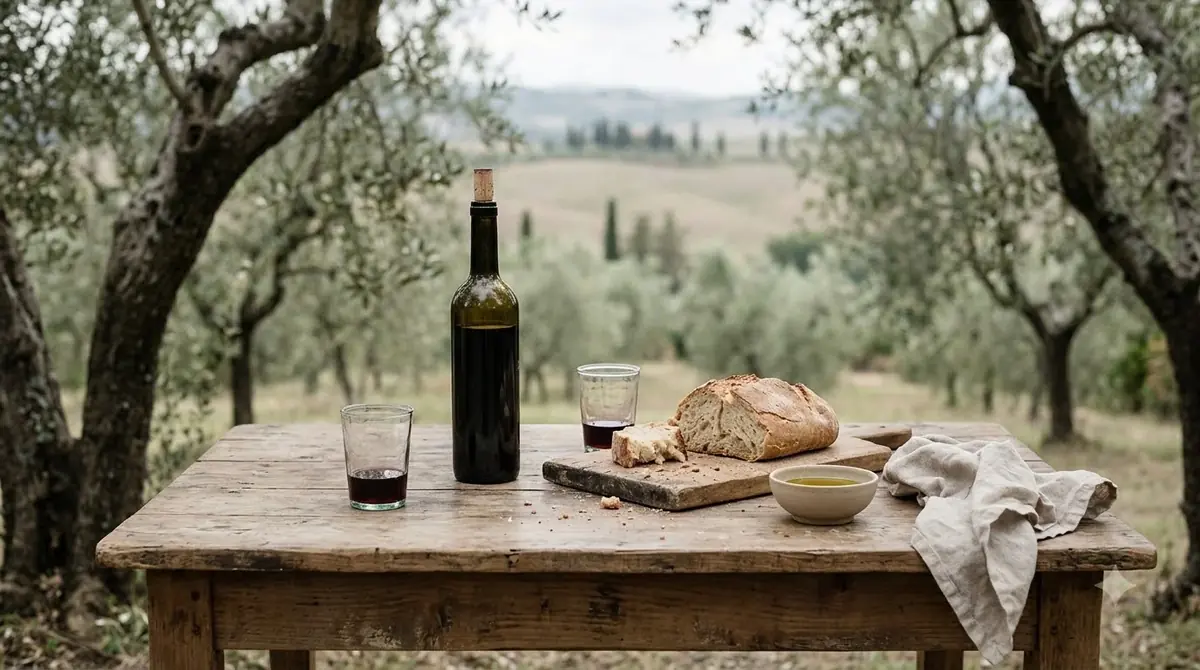
Serving Madeira is more flexible than serving most wines, because the bottle keeps well after opening. Dry styles are often served slightly chilled as an aperitif, while richer and older wines suit room temperature or a small glass after dinner. Pour a small amount, since Madeira is intense and a little goes a long way.
Glassware matters for enjoying the aromas. A small, tulip-shaped glass concentrates the nose, which helps with the complex notes in older blends. Many drinkers also keep an opened Madeira for a few weeks, because the wine is fortified and handles air better than a typical unfortified red or white.
Tip: Start with a younger blend if you are new to the style. It will show the core Madeira character without the intensity of the oldest bottles.
Because the company describes its wines as premiated and of excellent quality, many buyers take that as a starting point and then compare bottles by style. A family estate with a long record tends to have a consistent house character across its range, so tasting several categories side by side can show how the same producer handles youth, age and harvest year. That comparison teaches more about Madeira than any single label.
Food Pairings for Madeira
Madeira pairs well with foods that share its nutty, caramel or savory character. Aged cheeses, roasted nuts and dried fruit are classic matches, as are desserts with caramel or dark chocolate. Drier styles can accompany soups, olives and cured meats, which makes them useful at the start of a meal.
For a more unusual pairing, try a richer Madeira with a dish that has some sweetness and salt together, such as a glazed ham or a cheese plate. The wine’s acidity cuts through rich food, which keeps the pairing from feeling heavy.
How to Choose a Blandy’s Madeira
Begin with the style you want. A younger blend is a good everyday choice and a useful way to learn the category. An older blend or a Colheita offers more depth and suits a slow tasting or a special occasion. Heritage bottlings and special editions are best for collectors or as gifts.
Consider how often you will drink the wine. Because Madeira keeps after opening, a single bottle can last a long time, which makes it a practical choice for a small household. Reading the age statement and the vintage on the label helps you understand the style before you buy.
Gift buyers often choose a Madeira for its long life and its story. A bottle from a recognized family house, with a clear age statement or a Colheita vintage, makes an easy gift for someone who enjoys wine but may not know the category. Including a short note on how to serve it, such as a small pour after dinner, helps the recipient enjoy it from the first glass.
Frequently Asked Questions
How long does Blandy’s Madeira keep after opening?
Madeira is fortified, so it handles air better than most wines and can keep for weeks after opening. Storing the bottle upright and tightly closed in a cool place helps it last.
What do the age numbers on Blandy’s Madeira mean?
The company groups its blends by age, from three to fifty years. The number describes the age of the blend, so a 10-year wine is a blend of wines aged around ten years.
What is a Colheita Madeira?
A Colheita is a single-harvest Madeira. According to the company, these wines are aged at least five years, and the vintage on the label shows the harvest year.
Is Blandy’s Madeira sweet?
Madeira ranges from dry to sweet, depending on the style. Check the bottle’s description, since the range includes savory and rich wines.
Madeira is a different experience from the everyday red or white, so it can be useful to compare it with other styles. Our Wine Brands guide covers the broader category of producers, and for a lighter, sweeter contrast see the Stella Rosa Red page. For current releases and company information, visit the Blandy’s website.
More in Wine Brands
 Underwood Wine Price: Compare Bottles, Cans, and Pack SizesUpdated Nov 21, 2026
 Zenato Wine Price: Compare Styles and Choose the Right BottleUpdated Nov 21, 2026
 Zuccardi Wine Price: Compare Bottles and Find the Right RangeUpdated Nov 21, 2026
 Yellow Tail Moscato Review: Taste, Sweetness and Serving TipsUpdated Nov 21, 2026
 Wolf Blass Yellow Label Review: Choose Your Best StyleUpdated Nov 21, 2026
 Wolffer Estate Rose Review: Choose the Right Bottle for Your TableUpdated Nov 21, 2026