

We may earn a commission when you buy through links on this page, at no extra cost to you. Learn more.
A typical answer to what does pinot gris taste like is a crisp, fruit-forward white wine with flavors of pear, apple, lemon, and peach, while fuller examples can add honey, ginger, smoke, and a rounded, almost oily texture. Its exact character depends on where the grapes grow, how ripe they are at harvest, and how the wine is made. A light, dry Italian-style Pinot Grigio and a rich Alsace Pinot Gris can taste like two quite different white wines, even though they come from the same grape.
Pinot Gris is a flexible white wine rather than a single fixed flavor. Use the fruit, acidity, body, and finish as clues: they help explain whether the bottle will feel zippy and refreshing, broad and savory, or gently sweet at the table.
The Core Flavors in a Glass of Pinot Gris
Most Pinot Gris has a clean fruit profile built around pear, apple, citrus, and stone fruit. The lighter end of the spectrum tastes bright and refreshing; riper or fuller-bodied versions can feel more rounded, with peach, melon, honey, and spice.
Green apple and lemon are common in crisp examples, often joined by lime zest or a faint mineral impression. These flavors tend to be more prominent in wines made to emphasize freshness, especially those from cooler growing areas. The fruit is generally easy to recognize rather than intensely perfumed: Pinot Gris usually does not have the highly aromatic, grassy character associated with some Sauvignon Blanc.
As grapes ripen further, the fruit profile can move toward ripe pear, white peach, apricot, and cantaloupe. A warmer or more concentrated style may suggest baked apple, dried fruit, or tropical fruit. These descriptors do not mean the wine contains fruit or flavoring; they describe aromas and tastes that develop naturally from the grapes and winemaking.
Some Pinot Gris has a savory edge that makes it more interesting than a simple fruit-forward white. Depending on the region and production choices, you may notice almond, ginger, beeswax, smoke, or a stony note. In Alsace, the regional wine organization describes dried fruit, apricot, honey, beeswax, gingerbread, and smoke, while a Wine Enthusiast feature on Alsace Pinot Gris also highlights floral, flinty, smoky, spicy, and honeyed expressions. Those are reference points for a more layered style, not a checklist every bottle must meet.
How Pinot Gris Tastes in Italy, Alsace, and Oregon
Place is one of the clearest clues to the style in your glass. Northern Italian Pinot Grigio is often light, dry, and lively; Pinot Gris from Alsace can be broader and more richly textured; and Oregon bottlings often sit between crisp citrus and ripe pear or peach.
In northeastern Italy, particularly in regions such as Veneto, Trentino-Alto Adige, and Friuli-Venezia Giulia, the familiar name is Pinot Grigio. A typical example emphasizes lemon, lime, green apple, and a clean mineral finish. Earlier picking helps preserve freshness, so the wine often feels brisk and uncomplicated, with a relatively light body that works well as an aperitif or alongside seafood.
Alsace in northeastern France is associated with the name Pinot Gris and with a more generous style. These wines can show ripe pear, apricot, dried fruit, honey, spice, and smoky notes, supported by enough acidity to keep the palate from feeling flat. The Alsace wine region’s Pinot Gris profile describes a full-bodied, ample wine with a long, balanced finish. Some examples are dry, while others have noticeable sweetness, particularly when grapes are harvested late or affected by noble rot.
Oregon, especially the Willamette Valley, has developed a recognizable American expression. The wines often show pear, peach, and citrus, with more body and fruit weight than a very lean Italian Pinot Grigio but without necessarily reaching the richness of an Alsace bottling. California and Washington also produce the grape, so a U.S. label is not a guarantee of one flavor profile. Producer choices and the specific growing site matter as much as the country name.
Sweetness, Acidity, Body, and Alcohol
Pinot Gris can be dry, off-dry, or sweet, but a dry, fruit-forward wine is a useful starting expectation. Acidity ranges from brisk in lighter styles to more moderate in richer ones, while body can shift from light to full without changing the grape variety.
Fruit flavor is not the same thing as sweetness. A wine that smells of ripe pear or peach may still finish dry, because sweet-fruit aromas can be vivid even when little residual sugar remains; a late-harvest Pinot Gris, by contrast, may taste genuinely sweet, with honeyed or tropical notes. Acidity supplies the freshness that keeps the wine balanced: lemon and green-apple notes often accompany a more energetic style, while fuller examples can feel softer but still have enough structure to support their weight.
Pinot Gris has no meaningful red-wine tannin in its usual white-wine form, so texture comes mainly from body, alcohol, ripeness, lees contact, and, in skin-contact wines, some grip from the skins. For a broad point of reference, Wine Folly gives a typical alcohol range of 11.5 to 13.5 percent ABV and describes a spectrum from dry and medium-light-bodied to fuller and richer. Treat those figures as a general guide, not a promise for an individual bottle.
| Style | Typical taste and structure | Useful serving range |
|---|---|---|
| Light, crisp Pinot Grigio | Dry; lemon, lime, green apple; light body and lively acidity | 45–50°F |
| Riper, fuller Pinot Gris | Pear, peach, melon; medium to full body and softer-feeling acidity | 50–55°F |
| Sweet or late-harvest Pinot Gris | Honey, tropical or dried fruit; noticeable residual sweetness | 43–50°F |
The temperature ranges are practical serving targets for light whites, fuller whites, and sweet whites, respectively. They help the wine show its balance: too much chill can mute aroma and texture, while excessive warmth can make alcohol feel more prominent and the finish less refreshing.
How Harvest and Winemaking Shape the Flavor
Pinot Gris is especially responsive to ripeness and winemaking choices. Picking earlier tends to preserve citrus and green-apple freshness, while later harvesting can build riper fruit, more body, and, in some cases, real sweetness.
In a cool-climate, early-picked wine, the aim is often a clean and bright profile. Fermentation and storage in stainless steel help preserve fruit and acidity without adding obvious oak flavors. That is one reason many simple Pinot Grigio bottlings taste direct and refreshing, with citrus, apple, and mineral notes rather than vanilla, toast, or coconut.
Riper grapes create a different balance. Peach, pear, apricot, and melon become more noticeable, and the wine may feel broader across the middle of the palate. In Alsace, late-harvest fruit and botrytis, also called noble rot, can concentrate sugars and flavors. These conditions can produce wines with honeyed aromas, dried fruit, and a lingering sweet finish, though not every Alsace Pinot Gris is sweet.
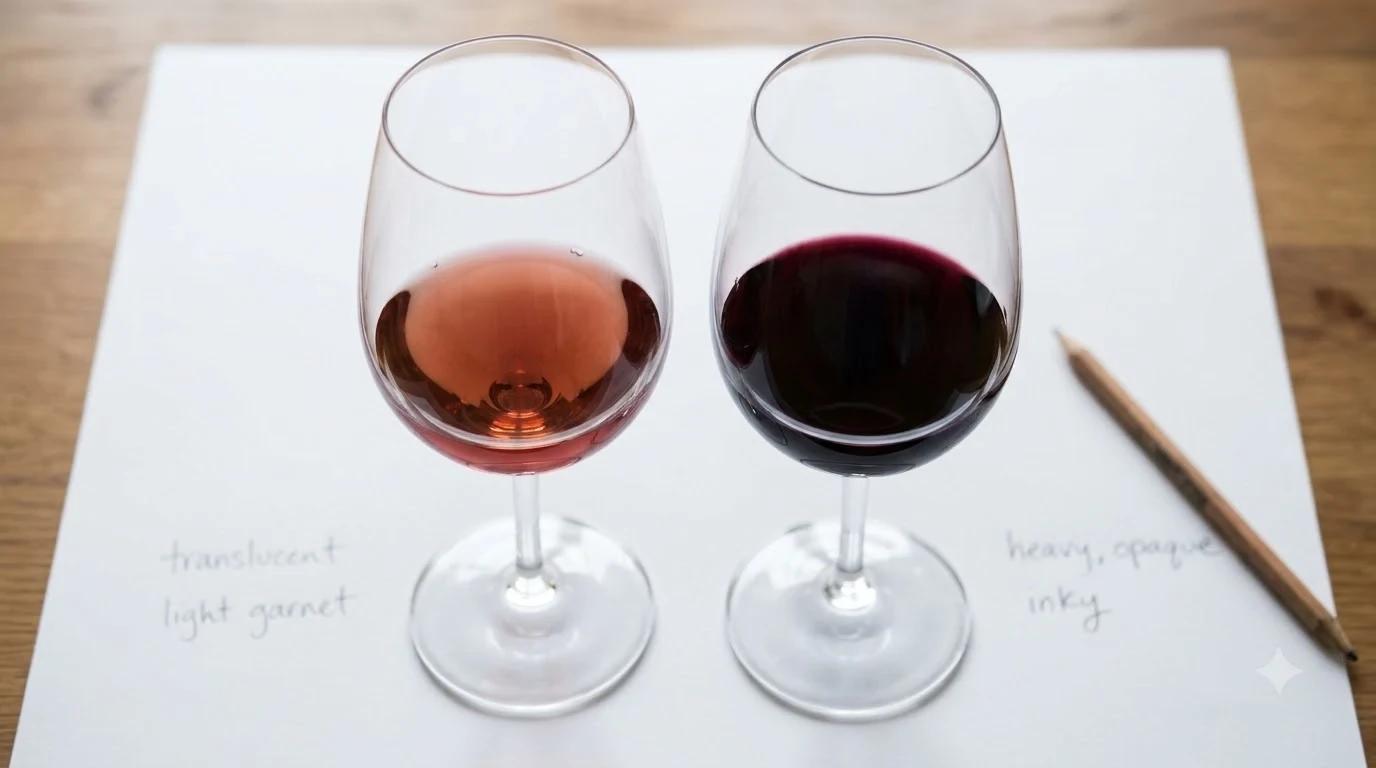
Skin contact is another route to a more distinctive style. Pinot Gris grapes have gray-blue to pinkish-copper skins, and leaving the juice with those skins can create a copper-colored wine often called ramato. The additional contact may bring deeper aromas, a little more texture, and a subtle grip that is not typical of a straightforward white Pinot Gris. Some producers also use lees aging or oak to broaden the palate, so a bottle can taste creamy, savory, or lightly smoky rather than purely crisp.
Food Pairings for Crisp and Rich Pinot Gris
Match the weight and sweetness of the wine to the food. Crisp Pinot Grigio suits delicate seafood, salads, and mild cheeses, while a fuller Pinot Gris can handle pork, roast chicken, mushrooms, richer sauces, and dishes with gentle sweetness.
For a light, zesty style, try shrimp, scallops, fried calamari, grilled white fish, or a simple seafood pasta. Lemon dressing and fresh herbs make natural partners because they echo the wine’s citrus and keep the meal lively. Caprese salad, antipasto, and mild fresh cheeses also work well, especially when the wine is served cool and the food is not heavily spiced.
Riper Pinot Gris can stand up to roast chicken, pork tenderloin, veal, or turkey with pan juices. Mushroom risotto, roasted squash, and dishes with browned butter bring out the wine’s savory or nutty side. Alsace Pinot Gris is also a good match for richer regional foods such as foie gras, aged Gruyère, or dishes that include apricot or prune. The wine needs enough body to meet the richness of the food rather than disappearing beside it.
For a sweet or late-harvest bottle, choose food that is equally sweet or a little less sweet than the wine. Fruit tart, poached pear, apricot desserts, and gently spiced pastries can work well. For savory dishes with a sweet element, such as pork with apple or a mild sweet-and-sour glaze, the wine’s fruit and acidity can bridge the flavors. Be cautious with very hot chili: alcohol can amplify the sensation of heat, so a lower-alcohol, fresher style is usually a better choice than a powerful, high-alcohol bottle.
Tip: Choose the wine by body as well as flavor. Serve a lemony, light Pinot Grigio with shellfish, but pour a fuller Alsace Pinot Gris with roast pork, mushrooms, or a creamy sauce.
How to Serve Pinot Gris and Choose a Bottle
Serve Pinot Gris chilled, but do not make every style ice-cold. A light, crisp bottle is best around 45–50°F, while a fuller white can show more aroma and texture closer to 50–55°F; a sweet style can be served around 43–50°F.
If the wine is too cold, pear, peach, honey, and spice aromas become harder to detect; if it is too warm, the wine may feel heavier and its alcohol more noticeable. Refrigerate the bottle ahead of time, then let it sit briefly at room temperature if it tastes muted. Use a regular white-wine glass and pour a modest amount so there is room to swirl and smell the wine as it warms slightly in the bowl. Once opened, keep it sealed in the refrigerator; most still wines retain freshness for about 3–5 days, although delicate aromas fade over time.
When choosing a bottle, start with the name and region. Pinot Grigio from northeastern Italy is a sensible choice for a dry, crisp, citrus-led white; an Alsace Pinot Gris is a better starting point for more body, spice, or possible sweetness; and Oregon is worth exploring if you like ripe pear and peach but still want a dry table wine. Because producers vary, the region is a helpful first filter, not a guarantee. To compare styles, read about what does pinot blanc taste like for a softer pear-and-apple profile, or what does chenin blanc taste like for pronounced acidity and a broader dry-to-sweet range. For a wider overview, browse Wine by Type and narrow your next bottle by body, sweetness, and acidity.
Frequently Asked Questions
These quick answers cover details that often come up after the first sip, from how to say the name to whether Pinot Gris needs special glassware or cellar time. They also clarify the grape’s relationship to Pinot Noir and its names in Germany and Italy.
How do you pronounce Pinot Gris?
Pinot Gris is commonly pronounced “pee-noh GREE,” with the final sound of Gris close to “gree.” The Italian name Pinot Grigio is usually said “pee-noh GREE-zhee-oh.” Knowing both pronunciations helps when a restaurant list uses the regional name rather than the grape name you recognize.
Is Pinot Gris related to Pinot Noir?
Yes. Pinot Gris is a color mutation of Pinot Noir, which is why its berries can show gray-blue or pinkish-copper skins rather than the green-gold color many people expect from white grapes. The wine is still made as a white wine in most cases, because the juice is separated from the skins early in production.
What glass should you use for Pinot Gris?
A standard white-wine glass is suitable for Pinot Gris, including most rosé and skin-contact examples. A bowl that is a little wider with a narrower opening gives pear, citrus, and spice aromas space to collect while directing them toward the nose. You do not need a special regional glass to enjoy the wine.
Can Pinot Gris age in the bottle?
Most Pinot Gris is made for relatively early enjoyment, but some late-harvest and sweeter examples can age gracefully. Their concentrated fruit and sweetness can develop additional complexity over time, so they are not all intended to be opened immediately. A simple, crisp Pinot Grigio is generally better treated as a fresh-drinking white.
What is Pinot Gris called in Germany?
German labels commonly use Grauburgunder, and Ruländer is another traditional name associated with the grape. The style can range from crisp and dry to richer and sweeter, so the local name alone does not tell you exactly how the wine will taste. The same grape is known as Pinot Grigio in Italy.
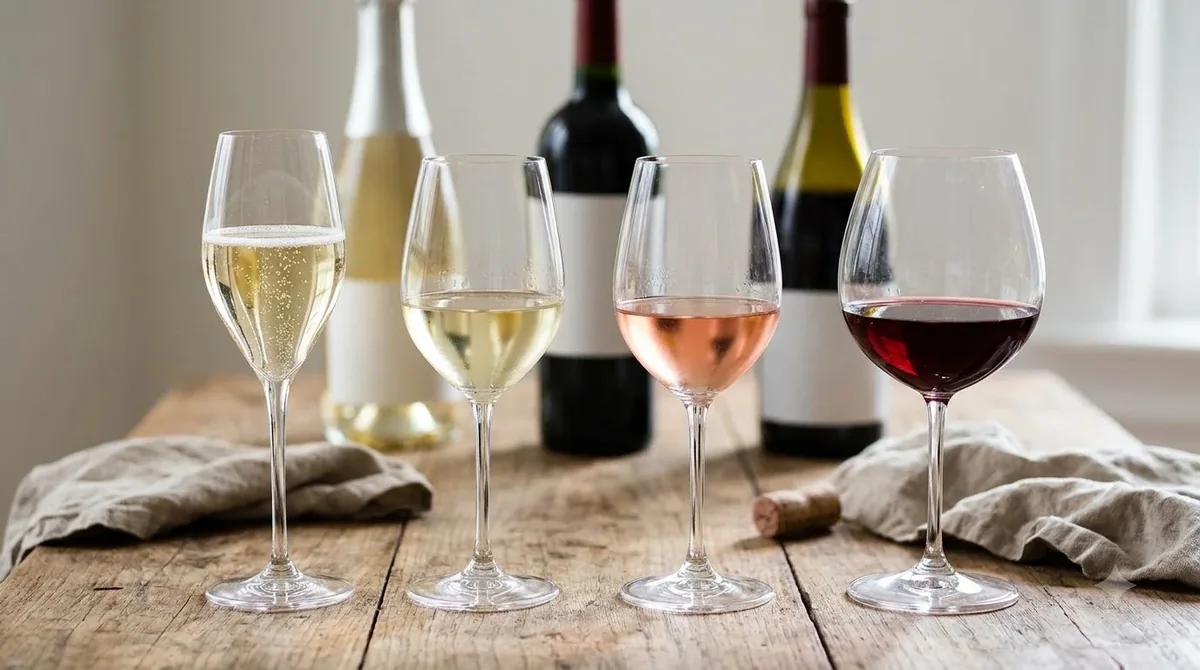
Pinot Gris can be a crisp, citrusy white or a richly textured wine with ripe fruit, spice, and honeyed depth. Start with the style you want, then use the region, sweetness, and body to guide your choice; tasting wines from Italy, Oregon, and Alsace side by side makes the range especially clear.
More in Wine Types & Grapes
 Zinfandel Sugar Content: Dry Red vs. White Zinfandel GramsUpdated Nov 21, 2026
 Best Zinfandel Substitute Options for Sipping and CookingUpdated Nov 21, 2026
 Zweigelt Food Pairing: Best Dishes, Cheeses, and Serving TipsUpdated Nov 21, 2026
 Zinfandel Tannins Explained: How Structure Shapes Every BottleUpdated Nov 21, 2026
 Zinfandel Sweetness Level: Dry Red vs. Sweet White Zin ExplainedUpdated Nov 21, 2026
 Xinomavro Food Pairing: Best Dishes, Styles, and Serving TipsUpdated Nov 21, 2026