

We may earn a commission when you buy through links on this page, at no extra cost to you. Learn more.
What does pinot blanc taste like? Pinot Blanc typically tastes dry, fresh, and gently fruity, with flavors of green apple, pear, peach, lemon, and subtle white flowers. It generally has moderate acidity, a smooth texture, and a light to medium body, although richer examples can feel fuller and creamier. Depending on where it grows and how it is made, Pinot Blanc can also show almond, hazelnut, mineral, herbal, and lightly toasted notes. It is an approachable white wine that pairs particularly well with seafood, chicken, eggs, creamy sauces, and mild cheeses.
Pinot Blanc deserves attention from anyone who enjoys refreshing white wine without the aggressive acidity of some Sauvignon Blancs or the pronounced oak character of certain Chardonnays. Its restrained fruit, balanced freshness, and adaptable texture make it suitable for casual lunches, seafood dinners, and more elaborate meals. Understanding its flavor profile also makes it easier to distinguish from familiar relatives such as Pinot Grigio and Pinot Gris.
Pinot Blanc Flavor Profile: Fruit, Flowers, and Freshness
Pinot Blanc generally tastes like a combination of crisp orchard fruit, gentle citrus, and delicate floral notes. Its defining characteristic is balance: the fruit is noticeable without becoming overly sweet, while the acidity keeps each sip refreshing.
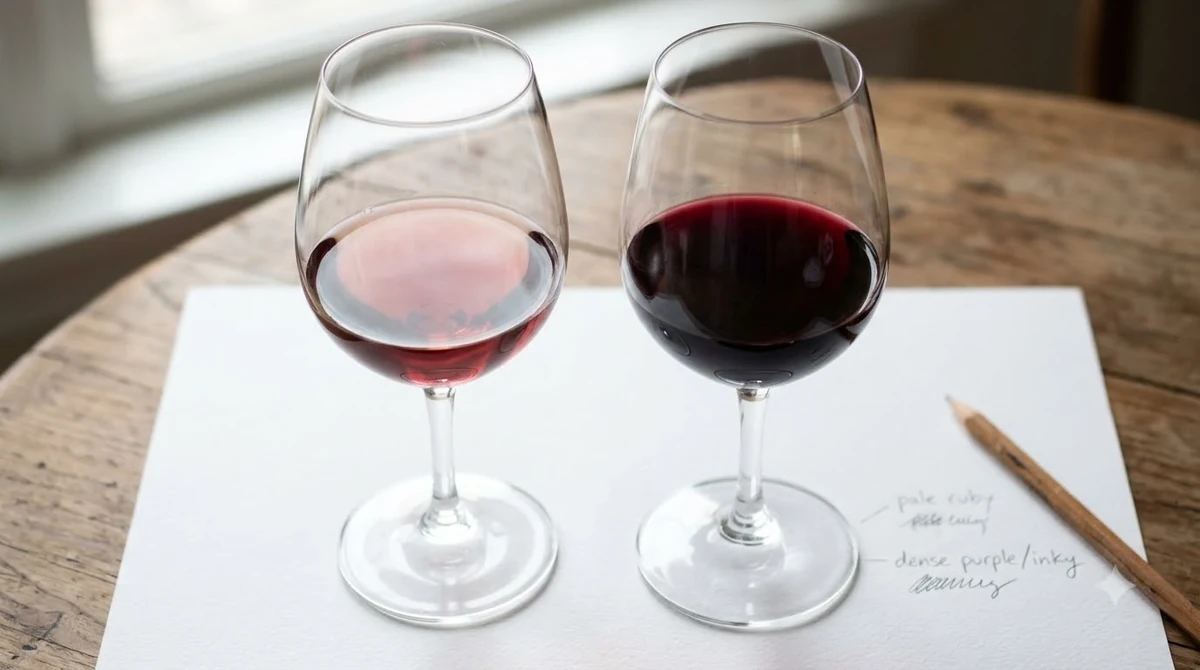
The first aromas are commonly green apple, ripe pear, peach, and lemon. Depending on the growing conditions and ripeness of the grapes, some wines lean toward crisp apple and citrus, while others show softer flavors of yellow apple, nectarine, and apricot. These are natural fruit impressions rather than evidence that fruit juice or flavoring has been added.
Floral aromas may include white blossoms, honeysuckle, and delicate spring flowers. They are usually understated, making Pinot Blanc less perfumed than varieties such as Gewürztraminer or Muscat. Instead of overwhelming the senses with intense aromatics, it offers a quieter combination of fruit and freshness.
On the palate, expect a clean opening, moderate acidity, and a finish that can range from simple and refreshing to slightly mineral and lingering. Some examples have a faint almond or hazelnut character, particularly as they mature or develop additional texture through winemaking.
Here is a practical overview of the flavors and structural characteristics commonly associated with the grape:
| Wine characteristic | Typical Pinot Blanc profile |
|---|---|
| Sweetness | Usually dry |
| Body | Light to medium, sometimes fuller |
| Acidity | Moderate and refreshing |
| Tannin | Negligible |
| Primary fruit | Apple, pear, peach, nectarine |
| Citrus | Lemon and occasionally lime |
| Floral notes | White flowers and delicate blossoms |
| Secondary notes | Almond, hazelnut, herbs, and toast |
| Serving temperature | 50–55°F for most styles |
These characteristics are useful starting points rather than strict rules. A stainless-steel-fermented bottle may emphasize fresh apple and lemon, while a wine with lees aging or oak influence can have a broader palate and more noticeable nutty or creamy qualities.
Is Pinot Blanc Dry, Sweet, or Fruity?
Most Pinot Blanc sold as everyday table wine is dry, meaning fermentation has converted most of the grape sugar into alcohol. Its apple, pear, and peach flavors can create an impression of sweetness, but fruity aromas do not necessarily mean that the wine contains significant residual sugar.
For many drinkers, the distinction becomes clear after the first sip. A dry Pinot Blanc may smell of ripe peaches and pears but finish cleanly without a sugary sensation. Its acidity provides freshness, helping the fruit flavors feel balanced rather than heavy.
However, Pinot Blanc is capable of producing several sweetness levels. Some producers make off-dry or sweeter expressions, while others produce concentrated wines with noticeable richness. The grape’s versatility also extends to sparkling wine, where sweetness depends on the production style and final dosage.
There are three broad styles worth recognizing:
- Dry Pinot Blanc: The most familiar style, with apple, pear, lemon, and a refreshing finish. It works well as an aperitif and alongside everyday meals.
- Off-dry Pinot Blanc: A softer expression with a touch of perceptible sweetness. Ripe orchard-fruit flavors become more prominent, making it suitable for dishes with gentle sweetness or mild spice.
- Sweet Pinot Blanc: A richer style that may feature concentrated apricot, peach, honey, and other ripe-fruit characteristics. It is particularly suitable for desserts when its sweetness matches or exceeds the sweetness of the dish.
Sweetness and fruit intensity are separate characteristics. A wine can smell strongly of ripe peaches while remaining completely dry. Similarly, a fuller-bodied Pinot Blanc can feel creamy and rounded without necessarily having much residual sugar.
When selecting a bottle, consider the style you want rather than assuming that all Pinot Blanc tastes identical. A dry Italian Pinot Bianco may be an excellent choice for grilled fish, while a richer Alsatian expression can work better with creamy chicken or a more substantial meal.
How Pinot Blanc Tastes in Different Wine Regions
Pinot Blanc’s flavor profile changes with climate, vineyard conditions, ripeness, and winemaking. Alsace in France and Alto Adige in northern Italy are two particularly useful regions to explore because they demonstrate different expressions of the same grape.
Alsace, France: Delicate Fruit and Supple Texture
Alsace is one of the best-known regions for Pinot Blanc. The regional wine council describes its typical expression as light-bodied, delicate, supple, and balanced by measured acidity. Apple, peach, and subtle floral aromas are characteristic, rather than intense tropical fruit or heavy perfume.
One interesting feature of Alsace Pinot Blanc is its frequent association with Auxerrois. The two grapes may be blended, with Auxerrois contributing roundness and additional body to Pinot Blanc’s delicate character. These wines may be labeled Pinot Blanc or Pinot, depending on the regional labeling conventions. An Auxerrois-only wine is labeled separately.
The result is often a balanced, easygoing white wine that works with a wide range of meals. Alsace Pinot Blanc is particularly appealing to people who prefer restrained fruit, gentle texture, and enough acidity to refresh the palate.
The Alsace wine council’s Pinot Blanc profile provides a useful description of the region’s characteristic peach, apple, and floral aromas, along with its traditional food pairings.
Alto Adige, Italy: Apple, Pear, and Mineral Character
In Alto Adige, Pinot Blanc is known as Pinot Bianco. The regional wine organization describes aromas of apple, pear, lemon, hay flowers, and hazelnut, supported by lively acidity and fruity finesse. Some examples also show a more pronounced mineral quality.
Pinot Bianco is an important grape in this mountainous northern Italian region. According to Alto Adige Wines, it occupies 611 hectares, representing 10% of the area’s cultivated vineyard land. Its presence across the region makes it an important reference point for understanding Italian Pinot Blanc.
These wines are particularly suitable for aperitifs, light appetizers, fish, and traditional South Tyrolean dishes. The regional organization recommends serving them between 50°F and 54°F to preserve freshness while allowing their aromas to develop.
For regional growing conditions, grape characteristics, and serving guidance, consult Alto Adige Wines’ Pinot Blanc information.
Germany, Austria, and the United States
In Germany and Austria, Pinot Blanc is commonly called Weissburgunder. These wines can range from straightforward, crisp whites to more substantial expressions with greater texture. Apple, pear, citrus, and delicate floral aromas remain useful tasting reference points.
In the United States, Pinot Blanc is produced in regions including California. Climate, vineyard conditions, and cellar decisions influence whether a bottle emphasizes bright orchard fruit, a rounder palate, or more complex savory notes.
Some examples use oak or lees aging to add texture, while others rely on stainless steel to preserve fresh fruit aromas. This regional variety makes Pinot Blanc an interesting grape for comparing different winemaking approaches without moving too far away from its recognizable core flavor profile.
What Makes Pinot Blanc Taste Creamy, Mineral, or Nutty?
Although Pinot Blanc is commonly associated with fresh fruit and moderate acidity, winemaking can significantly change its texture and secondary flavors. Fermentation vessels, lees contact, oak maturation, and bottle aging all contribute to the final experience.
Stainless Steel and Fresh Fruit
Stainless-steel fermentation generally helps preserve the grape’s fresh, primary fruit characteristics. These wines often emphasize green apple, pear, lemon, and subtle floral aromas.
The texture tends to feel clean and direct, with a refreshing finish. This style is particularly appealing as an aperitif or with delicate seafood because the wine does not compete with subtle food flavors.
Lees Aging and Creamier Texture
Lees are the spent yeast cells left behind after fermentation. Allowing wine to remain in contact with them can contribute additional texture and complexity.
Depending on the winemaking technique, Pinot Blanc may develop a fuller mouthfeel, subtle bread-like notes, and a creamy impression. These characteristics can make it particularly appealing alongside lobster, creamy pasta, and roasted chicken.
Oak Aging and Nutty Flavors
Oak maturation can introduce additional flavors such as toast, vanilla, and gentle spice. It may also soften the overall impression of the wine by contributing a broader texture.
Oak influence should not be confused with the grape’s natural fruit profile. An oak-influenced Pinot Blanc can still display apple, pear, and citrus, but those flavors may sit alongside more noticeable toasted or nutty notes.
Minerality and Bottle Development
Some Pinot Blanc wines have a stony, saline, or slightly flinty impression. These descriptions refer to sensory characteristics rather than literal tastes of rocks or minerals dissolved in the wine.
With additional bottle age, certain examples develop hazelnut, almond, honey, and more savory characteristics. This is particularly interesting in wines made with sufficient structure and concentration to develop beyond their youthful fruit profile.
Tip: If you want to understand Pinot Blanc’s natural fruit character, start with a young, unoaked bottle. Then compare it with a lees-aged or oak-influenced example. The difference in texture and secondary aromas makes the influence of winemaking much easier to recognize.
Pinot Blanc vs. Pinot Grigio, Chenin Blanc, and Other White Wines
Pinot Blanc is sometimes confused with Pinot Grigio because the grapes belong to the same family. However, they produce wines with different typical flavor profiles, textures, and levels of intensity. Comparing them with Chenin Blanc and Grenache Blanc also helps identify where Pinot Blanc fits among popular white wines.
Pinot Blanc vs. Pinot Grigio
Pinot Blanc and Pinot Grigio are closely related grape varieties, but their usual expressions are different. Pinot Blanc tends to show gentle apple, pear, peach, and floral flavors, with a rounded or supple texture.
Pinot Grigio, particularly in its lighter Italian style, often emphasizes citrus, green apple, and a crisp, straightforward finish. Some Pinot Grigio examples can be richer and more textured, so the distinction is not absolute.
If you enjoy the refreshing qualities of Pinot Grigio but want a wine with slightly more rounded fruit and a softer impression, Pinot Blanc is a natural alternative. For a closer look at the other grape, see our explanation of what does Pinot Gris taste like.
Pinot Blanc vs. Chenin Blanc
Chenin Blanc can also display apple, pear, and citrus, but it generally has a broader range of sweetness and acidity. Depending on its origin and production style, it may taste bone-dry, off-dry, sweet, or sparkling.
Pinot Blanc is generally more restrained in aroma and is commonly encountered as a dry, approachable white. Chenin Blanc may have more pronounced acidity and can develop distinctive quince, honey, and wool-like notes.
For another perspective on orchard-fruit flavors, explore what does Chenin Blanc taste like.
Pinot Blanc vs. Grenache Blanc
Grenache Blanc typically has a broader, rounder profile, with flavors that can include pear, citrus, melon, herbs, and ripe stone fruit. It often feels fuller than a straightforward Pinot Blanc, particularly in warmer-climate expressions.
Pinot Blanc generally has a more delicate flavor profile and a fresher, lighter impression. If you prefer richer whites with herbal complexity, Grenache Blanc is worth exploring. Our guide to what does Grenache Blanc taste like explains its characteristic flavors.
Quick Comparison
The following comparison provides a practical starting point for choosing among these four white wines.
| Grape | Typical fruit flavors | Acidity | Body |
|---|---|---|---|
| Pinot Blanc | Apple, pear, peach | Moderate | Light to medium |
| Pinot Grigio | Lemon, apple, pear | Moderate to high | Light to medium |
| Chenin Blanc | Apple, quince, pear | High | Light to full |
| Grenache Blanc | Pear, melon, citrus | Moderate | Medium to full |
These are general tendencies rather than fixed characteristics. Climate, ripeness, blending, and winemaking can create exceptions, but the comparison helps explain why Pinot Blanc is often appreciated for its balance and understated fruit.
Best Food Pairings and Serving Temperature for Pinot Blanc
Pinot Blanc is a versatile food wine because its moderate acidity, gentle fruit, and relatively low tannin allow it to accompany many dishes without overpowering them. It is particularly successful with seafood, poultry, eggs, vegetables, and creamy preparations.
Seafood and Fish
Lightly grilled white fish, cod, halibut, sole, and trout are excellent matches. Their delicate flavors complement Pinot Blanc’s restrained fruit rather than competing with its aromas.
Shellfish also works well, especially shrimp, scallops, crab, and lobster. The acidity helps balance butter-based preparations, while the wine’s fruit character complements the natural sweetness of seafood.
Avoid pairing Pinot Blanc with heavily spiced seafood dishes if the wine is particularly delicate. Strong chili heat can make alcohol feel more pronounced and can overwhelm subtle fruit flavors.
Chicken, Turkey, and Pork
Roast chicken, grilled turkey, and simply prepared pork tenderloin are reliable choices. The wine’s moderate body suits the relatively gentle flavors of white meat, while its acidity provides freshness alongside roasted or lightly browned ingredients.
Chicken with a cream sauce is particularly appealing with a fuller Pinot Blanc. A preparation involving parsley, thyme, lemon, or mushrooms can bring out the wine’s herbal and earthy secondary notes.
Eggs, Vegetables, and Cheese
Pinot Blanc is an especially useful choice for egg-based dishes. Omelets, quiche, scrambled eggs, and savory tarts work well because the wine’s acidity provides contrast to their soft, rich textures.
Vegetable dishes such as asparagus risotto, roasted cauliflower, sautéed zucchini, and lightly dressed salads can also make good pairings. Avoid overly acidic vinaigrettes that may make the wine seem flat.
For cheese, consider young, mild varieties such as ricotta, fresh goat cheese, mozzarella, and soft cow’s-milk cheeses. Richer Pinot Blanc can also accompany moderately aged cheeses without overwhelming their flavor.
Serving Temperature
Temperature makes a noticeable difference to Pinot Blanc. Serve most bottles at approximately 50–55°F. Lighter and fresher examples can be served toward the cooler end, while fuller, lees-aged wines benefit from slightly warmer temperatures that allow their aromas to develop.
Serving the wine too cold can suppress its peach, pear, and floral notes. Serving it too warm can make its alcohol more apparent and reduce the refreshing impression of its acidity.
A standard white wine glass or universal wine glass is suitable. Fill a typical 750 ml bottle into approximately five 5-ounce servings, leaving enough room in each glass to swirl and appreciate the aromas.
Food Pairing Reference
| Food | Why It Works |
|---|---|
| Grilled trout | Matches the wine’s delicate fruit and fresh acidity |
| Butter-poached lobster | Acidity balances the richness of butter |
| Roast chicken | Gentle flavors complement the wine’s moderate body |
| Quiche Lorraine | Freshness balances egg, cream, and savory pastry |
| Asparagus risotto | Soft texture and herbal flavors suit a fresh Pinot Blanc |
| Fresh goat cheese | Moderate acidity complements creamy cheese |
| Light pasta with herbs | Herbal flavors complement the wine’s delicate aromas |
For broader pairing ideas across white, red, rosé, and sparkling styles, browse our Wine by Type section.
Frequently Asked Questions
Is Pinot Blanc the same grape as Pinot Noir?
No. Pinot Blanc and Pinot Noir are distinct varieties within the Pinot family. Pinot Blanc produces white wine, while Pinot Noir is a red grape variety that produces wines with red and dark berry flavors. Their relationship comes from the genetic variation within the Pinot grape family.
Does Pinot Blanc have a high alcohol content?
Pinot Blanc does not have one fixed alcohol level. The finished wine’s alcohol depends on grape ripeness, fermentation, and the producer’s decisions. Some examples are relatively moderate, while riper wines can have noticeably higher alcohol.
Can Pinot Blanc be made into sparkling wine?
Yes. Pinot Blanc is used to produce sparkling wines, including Crémant d’Alsace. In Alsace, it is an important grape in white Crémant, contributing freshness and delicacy. Traditional-method versions undergo their second fermentation inside the bottle.
Does Pinot Blanc have a green or yellow color?
Most Pinot Blanc appears pale yellow or pale straw in the glass, sometimes with subtle green highlights. The precise shade depends on grape ripeness, winemaking, and bottle development. Older or more concentrated examples can appear deeper gold than youthful, stainless-steel-fermented wines.
Can Pinot Blanc be aged for several years?
Yes, although aging potential varies considerably between bottles. Simple, fresh examples are generally intended for drinking while their primary fruit is lively. More concentrated wines with suitable acidity, structure, and winemaking can develop additional honeyed, nutty, and savory characteristics over several years.
Pinot Blanc is an excellent choice if you enjoy dry white wines with gentle fruit, refreshing acidity, and a smooth, approachable texture. Start with an Alsatian Pinot Blanc or an Alto Adige Pinot Bianco to discover two distinctive regional interpretations of the grape. Whether served with grilled fish, roast chicken, creamy pasta, or a simple cheese plate, it offers a balanced and versatile alternative to more familiar white wines.
More in Wine Types & Grapes
 What Does Mourvèdre Taste Like? Flavor Profile, Regions, and PairingsUpdated Nov 20, 2026
 What Does Marsanne Taste Like? Flavors, Styles, and Food PairingsUpdated Nov 20, 2026
 What Does Malvasia Taste Like? Styles, Flavors, and Food PairingsUpdated Nov 20, 2026
 What Does Grenache Blanc Taste Like? Flavor Profile, Styles, and PairingsUpdated Nov 20, 2026
 What Does Garnacha Taste Like? Key Flavors, Styles, and Pairing TipsUpdated Nov 20, 2026
 What Does Fruit Wine Taste Like? A Complete Flavor and Style BreakdownUpdated Nov 20, 2026