

We may earn a commission when you buy through links on this page, at no extra cost to you. Learn more.
How to open champagne comes down to a few steps: chill the bottle first, remove the foil and wire cage, hold the cork firmly, and turn the bottle slowly while easing the cork out. The goal is a soft release with a quiet sigh, not a loud pop. Done slowly, the wine keeps more of its bubbles and the cork stays under control, which matters because the bottle holds considerable pressure.
Opening Champagne looks intimidating, but the method is simple once you understand the pressure inside the bottle. Champagne is made with a second fermentation in the bottle, and that process keeps carbon dioxide dissolved in the wine. This guide walks through the steps for how to open Champagne safely, what to prepare beforehand, and how to pour so the bubbles last.
Why Champagne Is Under Pressure
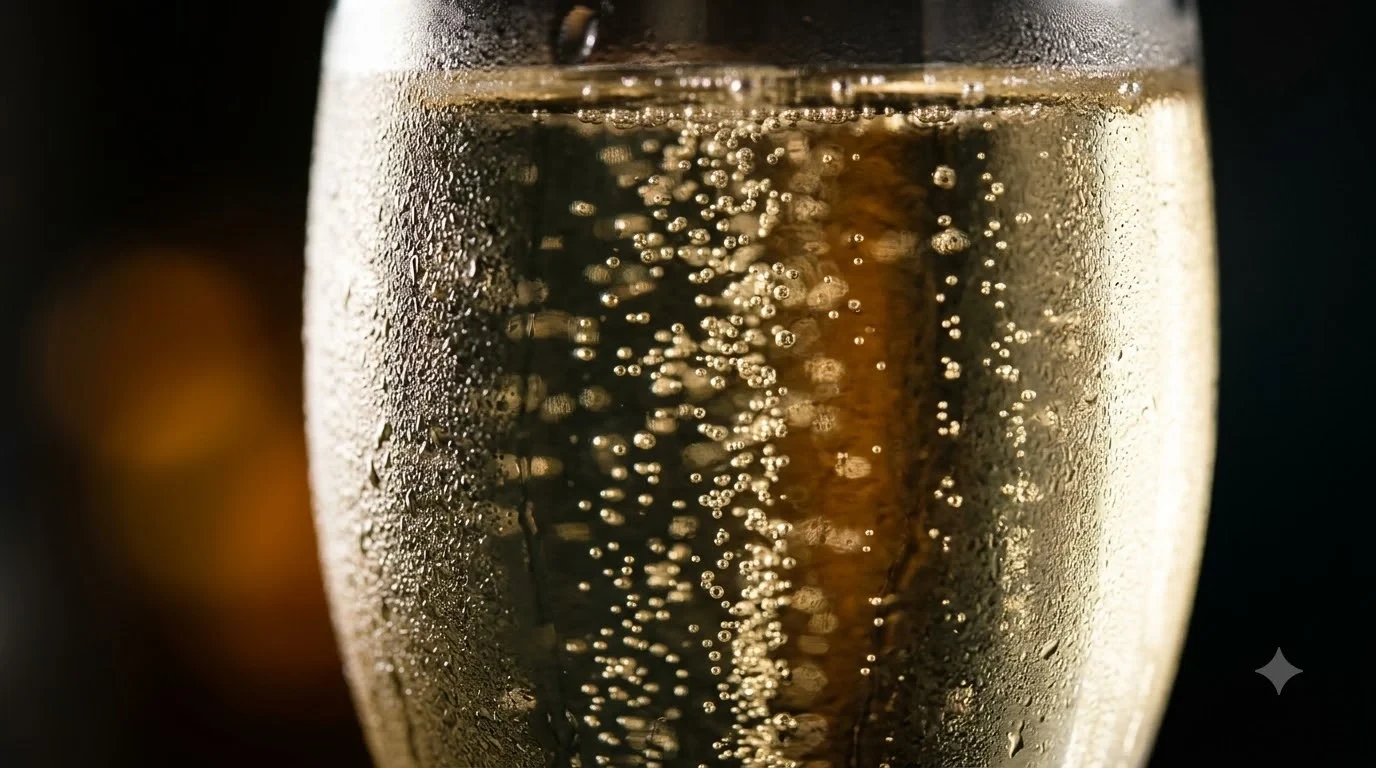
Champagne undergoes a second alcoholic fermentation in the bottle. Yeast and a small amount of sugar are added, and the carbon dioxide produced stays trapped in the wine. According to a detailed overview of Champagne production, the pressure inside the bottle is about six bars, or roughly 90 psi. That is much higher than the pressure in a car tire, which is why the cork has to be handled with care.
The cork is also held in place by the wire cage and the foil, and it is wider than the bottle opening before it is inserted. When you remove the wire and hold the cork, you are controlling a force that wants to push it out quickly. The steps below are designed to let the pressure escape gradually instead of all at once.
| What to prepare | Why it helps |
|---|---|
| A cold bottle, chilled for about 30 minutes | Colder wine holds gas better, so the cork is less likely to spray wine |
| A clean dish towel | Gives you a firm grip on the cork and catches drips |
| Flutes or tulip glasses | Keep the bubbles longer than a wide, open glass |
| Space and an open direction | Point the bottle away from people, lamps, and windows |
Step-by-Step: How to Open Champagne
Start by chilling the bottle. Champagne is best served cold, and a bottle chilled in an ice and water bucket for about half an hour is less gassy when it opens. Cold wine also loses less gas when it is poured, so the glass stays bubbly for longer. Keep the bottle in the bucket or the refrigerator until you are ready to open it.
- Remove the foil by pulling the tab or cutting it below the wire cage.
- Loosen the wire cage by turning the twist at the top. Leave the wire on the cork until you are ready to remove the cork, since it keeps the stopper secure.
- Hold the bottle at a 45-degree angle, pointed away from people. Keep one hand on the cork and the other on the base.
- Cover the cork with a towel and hold it firmly. Do not let the cork go.
- Turn the bottle slowly, not the cork. Rotate the base while keeping the cork steady, and let the pressure ease the cork out with a soft release.
- Let the cork come out with a gentle sigh. If it begins to fly, press down on the cork to slow it and keep the bottle angled away.
The method works because the cork stays firm while the bottle turns, which lets the gas escape gradually. Many people think the goal is a loud pop, but a silent or quiet release keeps more wine in the bottle and more bubbles in the glass.
How to Pour Champagne Without Losing the Bubbles
Pouring is the second part of opening Champagne well. Tilt the glass at an angle and pour the wine slowly down the side. Pouring straight into an upright glass causes the foam to rise quickly and spill over. A slow pour preserves the most bubbles and gives you a cleaner glass.
Fill the glass about two-thirds full, which leaves room for the aromas to gather. Pour the next glass in smaller amounts if you are serving a group, and keep the bottle chilled between pours. If you open the bottle and do not finish it, reseal it with a Champagne stopper and keep it in the refrigerator.
What Temperature and Glass to Use
Serving temperature changes how Champagne tastes. Wine Folly’s Champagne guide recommends serving Champagne between 38 and 45°F (3 to 7°C). Cold temperatures keep the wine crisp and make the bubbles feel finer on the palate, while warm Champagne tastes flat and heavy.
The flute is the standard glass for Champagne. Its tall, narrow bowl reduces the surface area, which helps the bubbles last. A tulip glass is a good alternative because it keeps the bubbles while giving the aromas more room. A wide coupe is a classic glass, but it lets the bubbles escape faster, so it is better for a special occasion than for daily drinking.
Tip: Hold the flute by the stem rather than the bowl. Your hand warms the wine when it touches the bowl, and warm wine loses its freshness quickly.
Common Mistakes When Opening Champagne
The most common mistake is shaking the bottle before opening it. Shaking mixes the wine and the gas, which causes the cork to release foam and spray the wine. Another mistake is opening a warm bottle, since the pressure is higher and the cork is harder to control. Avoid pointing the bottle at people, and never try to pull the cork out with force.
Some people also remove the wire cage too early. Keep the wire in place until you are ready to open the bottle, then remove it and keep your hand on the cork. Finally, do not decant Champagne. Wine Folly advises against decanting it, since the bubbles should stay in the bottle until serving.
Opening Champagne for a Group
When you are serving a group, open the bottle right before the first toast rather than long before guests arrive. Champagne that sits open loses its bubbles quickly, so it is better to open the bottle when you are ready to pour. Have the glasses lined up on a tray, poured in one round so each guest gets a similar amount. If you are opening several bottles, chill them all in advance and set out a towel for each one, so the process stays calm and steady.
Keep the bottles in a cool place between servings, and avoid leaving them in direct sun or near a heat source. A cooler or an ice bucket on the table keeps the wine at a good temperature while guests refill their glasses. A small amount of Champagne in each glass is enough for a toast, which keeps the bottle lasting through the evening.
Frequently Asked Questions
How do you open Champagne without it spraying?
Chill the bottle well, hold the cork firmly with a towel, and turn the bottle slowly while easing the cork out. A cold bottle and a slow turn keep the gas controlled and reduce spray.
Should you shake Champagne before opening?
No. Shaking mixes the wine and the gas and makes the bottle more likely to foam and spray when opened. Chill the bottle and open it gently instead.
How long should Champagne chill before opening?
About 30 minutes in an ice and water bucket is a common guideline. A colder bottle is less gassy and loses less gas when it is poured.
Can you open Champagne with a sabre?
Yes. Sabrage is a traditional method that uses a blade to strike the bottle neck and send the cork flying. It is a dramatic technique, but it should be practiced carefully and is not the safest choice for a casual dinner.
Opening Champagne is easy once you chill the bottle, control the cork, and turn the bottle slowly. Pour down the side of a flute, keep the glass cold, and avoid shaking the bottle. For more on how the wine is made, read about how Champagne is made, or browse the wine basics guide for more serving tips.
More in Wine Basics
 Which Rose Is Best for Your Taste, Budget, and Food PairingsUpdated Nov 21, 2026
 Is Cheap Wine Bad? How to Find Bottles Worth DrinkingUpdated Nov 21, 2026
 What To Write On A Wine Gift Tag: Thoughtful Messages For Every OccasionUpdated Nov 21, 2026
 Which Wine Is Best For Weight Loss? Compare Lower-Calorie ChoicesUpdated Nov 21, 2026
 What Is The Best Wine For Mimosas? Choose Bubbly That Balances Orange JuiceUpdated Nov 20, 2026
 Which Prosecco Is Best for Your Taste and OccasionUpdated Nov 20, 2026