

We may earn a commission when you buy through links on this page, at no extra cost to you. Learn more.
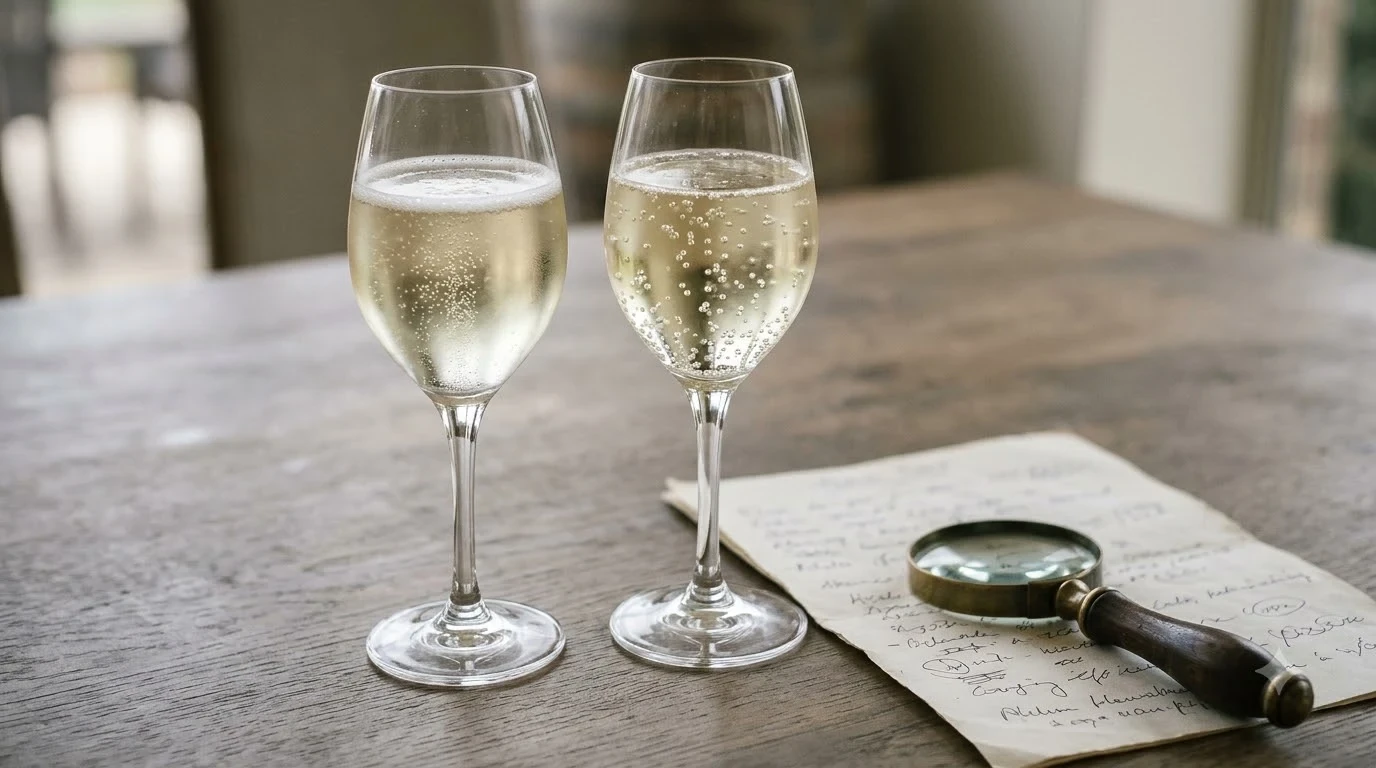
What is franciacorta? Franciacorta is a premium Italian sparkling wine from Lombardy, made using the traditional method of secondary fermentation in the bottle, just like Champagne. It carries Italy’s highest wine classification, DOCG, and is produced primarily from Chardonnay, Pinot Nero, and Pinot Bianco grapes. Known for its fine bubbles, refreshing acidity, and flavors of citrus, orchard fruit, toasted bread, and nuts, Franciacorta comes in several styles, including Brut, Satèn, and Rosé.
Italian sparkling wine is often associated with Prosecco, but Franciacorta offers a different experience. Its extended bottle aging, carefully regulated production, and distinctive regional character create wines that can be enjoyed as an aperitif, alongside seafood, or throughout a full meal. Understanding its origin, grape varieties, production method, and sweetness classifications makes choosing the right bottle much easier.
Franciacorta’s Origin and Italian DOCG Classification
Franciacorta comes from a defined wine-producing area in Lombardy, northern Italy, within the province of Brescia. The region lies near Lake Iseo, between Milan and Verona, where glacial hills, varied soils, and the influence of the lake contribute to conditions suited to producing high-quality sparkling wine.

The name Franciacorta refers to three connected things: the geographical production area, the regulated winemaking method, and the sparkling wine itself. This distinction matters because a sparkling wine made elsewhere in Italy cannot simply use the Franciacorta name. The designation is protected by strict production requirements that cover grape varieties, vineyard practices, and cellar procedures.
Franciacorta holds DOCG status, meaning Denominazione di Origine Controllata e Garantita, or Controlled and Guaranteed Designation of Origin. DOCG is Italy’s highest traditional wine classification. It establishes geographical boundaries and requires producers to follow legally defined production standards rather than relying solely on a wine’s reputation or marketing.
The denomination was first approved as DOC in 1967 and received DOCG status in 1995. Its regulatory framework is maintained through official production rules, while the Franciacorta Consortium works to protect the designation and monitor standards. The consortium was established in 1990, providing a coordinated structure for producers in the area.
The landscape also helps explain the wine’s character. According to the Michelin Guide, glacial activity shaped the region’s rolling hills and morainic soils, which include sand and silt. Lake Iseo moderates temperatures, while local breezes contribute to the vineyard environment. These conditions help preserve the acidity needed for sparkling wine.
Franciacorta should not be confused with other wines from the same geographical area. Curtefranca DOC, for example, is a separate denomination that includes still white and red wines. Franciacorta specifically refers to the sparkling wine made under its own DOCG regulations.
For readers exploring Italian sparkling wines more broadly, the Wine by Type resource provides useful context for understanding the differences between sparkling, still, red, and white wine categories.
The Grapes Used to Make Franciacorta
Franciacorta is made primarily from Chardonnay and Pinot Nero, with Pinot Bianco and Erbamat also permitted under the denomination’s production rules. Each variety contributes different characteristics, allowing producers to build wines with freshness, structure, fruit expression, and complexity.
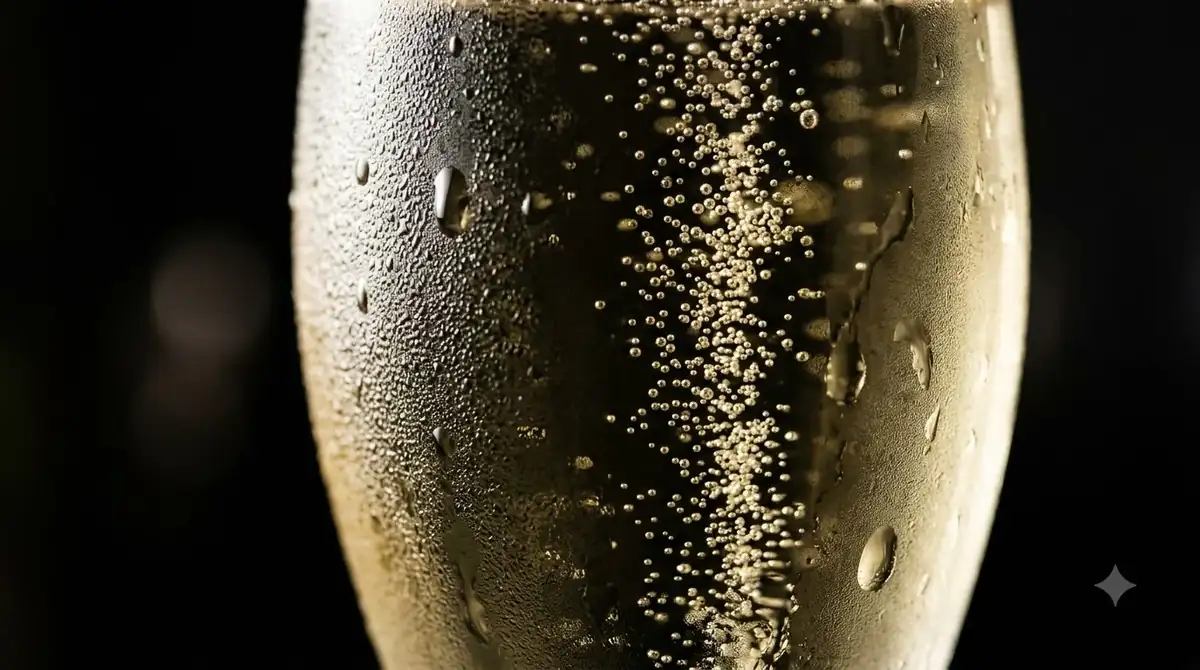
Chardonnay is one of the most important varieties in the region. It contributes freshness, acidity, and flavors that can include lemon, green apple, pear, white peach, and citrus zest. With extended bottle aging, Chardonnay-based Franciacorta can develop additional aromas of toasted bread, pastry, and hazelnut.
Pinot Nero, known internationally as Pinot Noir, provides structure and depth. It can contribute red berry flavors, body, and a more substantial palate. Its role is particularly important in Franciacorta Rosé, where the variety supplies the color and much of the wine’s red-fruit character.
Pinot Bianco, or Pinot Blanc, offers a complementary option for blending. Under the denomination’s rules, it can account for up to 50 percent of a standard Franciacorta blend. It contributes fruit and balance without changing the fundamental identity of the wine.
Erbamat is a less familiar local grape that has also been admitted into the production rules. Its permitted maximum is 10 percent. It is particularly interesting because it can contribute natural acidity, making it useful in blends where producers want to maintain freshness.
The permitted proportions depend on the style being produced. Standard Franciacorta can use Chardonnay and/or Pinot Nero, with Pinot Bianco and Erbamat allowed within their respective limits. Rosé requires at least 35 percent Pinot Nero, while Satèn is restricted to white grapes and requires at least 50 percent Chardonnay.
These distinctions explain why Franciacorta does not have one universal flavor profile. A Chardonnay-focused wine may emphasize citrus, apple, and creamy texture, while a Pinot Nero-rich Rosé can show raspberry, strawberry, and more pronounced body.
Readers interested in the varieties behind this sparkling wine can learn more about the Franciacorta grape and how its permitted varieties contribute to the finished blend. The how to pronounce Franciacorta guide is also useful for discussing the wine confidently.
How the Traditional Franciacorta Production Method Works
Franciacorta is produced using the traditional method, called metodo classico in Italy. This means the wine undergoes its second fermentation inside the same bottle in which it will eventually be sold, creating natural carbonation and allowing the wine to develop additional complexity during lees aging.
Production begins with hand-harvested grapes. The Franciacorta regulations limit yields to 10 metric tons per hectare, and the official harvest period generally runs from the first ten days of August to the first ten days of September, depending on the growing season.
After harvest, producers gently press the grapes to obtain juice for the base wines. The first alcoholic fermentation takes place in tanks, producing still wines from individual grape varieties or vineyard parcels. These base wines can then be blended to create the desired cuvée.
Blending is an important part of the process. Producers may combine Chardonnay, Pinot Nero, Pinot Bianco, and reserve wines from previous vintages, depending on the intended style. The objective is to create a balanced base wine with sufficient acidity and structure to develop during the second fermentation and subsequent aging.
Once the cuvée is prepared, producers add yeast and sugar before bottling. This stage is known as tirage. The yeast consumes the added sugar during the second fermentation, producing alcohol and carbon dioxide. Because the carbon dioxide remains trapped inside the sealed bottle, it dissolves into the wine and creates the characteristic bubbles.
The bottles then rest horizontally on their lees, which are the spent yeast cells left after fermentation. This period is important because contact with the lees contributes aromas and texture. Depending on the wine, these characteristics may include bread crust, brioche, pastry, toasted nuts, and a creamy impression on the palate.
After the required aging period, producers perform remuage. Bottles are gradually tilted and rotated so that the yeast sediment collects in the neck. During disgorgement, the neck is chilled, and the temporary closure is removed to expel the accumulated sediment.
Producers then add the dosage, a mixture that determines the wine’s final residual sugar level. The bottle is sealed with its final cork and wire cage before receiving the official designation marking.
This method is labor-intensive and requires substantially more cellar time than the typical tank fermentation method used for Prosecco. The extended contact with yeast helps explain why Franciacorta often has more pronounced bread-like and nutty aromas than simpler, fruit-driven sparkling wines.
The official Franciacorta production method explains each stage, from hand harvesting and pressing to bottle fermentation, remuage, and disgorgement.
The Main Franciacorta Styles and Their Differences
Franciacorta is available in three principal wine styles: standard Franciacorta, Franciacorta Satèn, and Franciacorta Rosé. Each has different grape requirements, aging periods, and sensory characteristics, giving drinkers several ways to experience the denomination.
Standard Franciacorta
Standard Franciacorta is the most versatile expression of the denomination. It can be made from Chardonnay and/or Pinot Nero, with permitted additions of Pinot Bianco and Erbamat. It requires at least 18 months of aging on the lees.
Typical examples show straw-yellow color, persistent bubbles, and aromas of lemon, apple, pear, white peach, and toasted bread. Depending on the blend and dosage, the palate can range from particularly crisp and dry to rounder and slightly sweet.
Standard Franciacorta is a useful starting point for anyone unfamiliar with the denomination because it demonstrates the balance between fruit, acidity, and traditional-method complexity.
Franciacorta Satèn
Satèn is a distinctive white-only style made primarily from Chardonnay, with Pinot Bianco also permitted. The rules require at least 50 percent Chardonnay and prohibit Pinot Nero in this category.
Its defining characteristic is lower bottle pressure. Standard Franciacorta generally has pressure of approximately 5 to 6 atmospheres, whereas Satèn has a maximum pressure of 5 bars. This produces a softer impression of carbonation and a more delicate mousse.
Satèn must age for at least 24 months on the lees. Its texture is often creamy and rounded, with flavors of ripe pear, apple, white flowers, almond, and subtle pastry. It is especially appealing to people who prefer a less aggressive bubble sensation.
Satèn is sold exclusively in the Brut dosage category, which means it remains a dry sparkling wine despite its softer mouthfeel.
Franciacorta Rosé
Franciacorta Rosé is produced with at least 35 percent Pinot Nero. This variety provides the wine’s pink color through contact between the grape skins and juice during winemaking. Chardonnay, Pinot Bianco, and Erbamat may also be used within the permitted limits.
Rosé requires at least 24 months of lees aging. Its aromas often include wild strawberry, raspberry, red currant, and floral notes, sometimes accompanied by toasted or pastry-like characteristics from bottle aging.
Compared with many white Franciacorta wines, Rosé can offer greater body and a more noticeable red-fruit profile. It works particularly well with richer seafood, roasted poultry, cured meats, and dishes containing tomatoes.
Millesimato and Riserva
Millesimato means vintage-dated. At least 85 percent of the wine must come from the stated harvest year, and the wine requires a minimum of 30 months of lees aging. It offers a more direct expression of the conditions of a particular growing season.
Riserva represents an extended-aged category. It requires at least 60 months on the lees and can develop more pronounced mature aromas, including toasted nuts, brioche, dried fruit, and pastry. These wines are often more layered and suited to special meals or occasions.
| Style | Minimum Lees Aging | Key Characteristic |
|---|---|---|
| Standard Franciacorta | 18 months | Fresh, versatile sparkling wine |
| Franciacorta Satèn | 24 months | Soft bubbles and creamy texture |
| Franciacorta Rosé | 24 months | Red berries and fuller body |
| Franciacorta Millesimato | 30 months | Vintage-specific character |
| Franciacorta Riserva | 60 months | Extended aging and mature complexity |
These are minimum aging periods on the lees, not necessarily the total time between harvest and release. Additional cellar time may be required for production, disgorgement, and bottle maturation. The precise style and vintage designation therefore provide useful information about how the wine was made.
Franciacorta Sweetness Levels and Flavor Profile
Franciacorta comes in several sweetness categories determined by the residual sugar remaining in the finished wine. Brut is a particularly common choice for people seeking a dry sparkling wine, while Pas Dosé and Extra Brut offer even drier alternatives.
Dosage is added after disgorgement. It helps producers determine the final sweetness level and can influence how the wine’s acidity and fruit are perceived. A wine with little residual sugar may taste especially crisp, while a wine with more sugar can seem rounder and softer.
The official Franciacorta dosage classifications include the following categories:
| Dosage Category | Residual Sugar | Typical Taste |
|---|---|---|
| Pas Dosé | Up to 3 g/L | Very dry and crisp |
| Extra Brut | Less than 6 g/L | Extremely dry |
| Brut | Less than 12 g/L | Dry and balanced |
| Extra Dry | 12–17 g/L | Lightly rounded |
| Sec | 17–32 g/L | Noticeably sweeter |
| Demi-Sec | 33–50 g/L | Sweet and fruity |
These figures follow the Franciacorta Consortium’s published dosage specifications. They are expressed in grams of residual sugar per liter, rather than sugar per serving. The categories also follow a different naming pattern from the conventional Champagne sweetness scale in one important respect: Extra Dry is sweeter than Brut.
In terms of flavor, Franciacorta commonly combines fresh fruit with aromas associated with bottle fermentation and lees aging. Young wines often show lemon, green apple, pear, and white peach. Longer-aged examples can develop notes of brioche, bread crust, roasted almonds, hazelnuts, and dried fruit.
Acidity is another important part of the wine’s character. It provides freshness, helps balance the dosage, and makes the wine particularly useful at the dining table. The bubbles also contribute a lively texture that can refresh the palate between bites.
There is no single Franciacorta flavor profile that applies to every bottle. Grape composition, vintage conditions, aging duration, and dosage all influence the finished wine. A young Brut may emphasize citrus and apple, while a mature Riserva can show greater depth and savory complexity.
Tip: If you prefer crisp, dry sparkling wine, start with Brut or Extra Brut. Choose Pas Dosé for an especially dry profile, or try Demi-Sec if you want a noticeably sweeter wine to serve with dessert.
How to Serve Franciacorta and Choose Food Pairings
Franciacorta is best served chilled, but the ideal temperature depends on the wine’s style and maturity. A temperature of approximately 40–50 degrees Fahrenheit works well for sparkling wines, allowing the bubbles to remain lively while preserving the wine’s aromatic character.
For a young, fresh Brut, serving toward the cooler end of the range can emphasize citrus and refreshing acidity. More complex Millesimato and Riserva bottles can benefit from a slightly warmer temperature within the same range, allowing their mature aromas to become more noticeable.
Use a tulip-shaped sparkling wine glass if available. Its narrower opening helps preserve the bubbles while providing more room for aromas to develop than a traditional shallow coupe. A standard wine glass can also work well for mature Franciacorta when aromatic expression is a priority.
Pour gently into the glass to preserve the carbonation and avoid excessive foam. A standard wine serving is approximately 5 ounces. A 750-milliliter bottle provides about five standard servings, making it a convenient size for a small gathering.
Seafood and Fish
Brut and Extra Brut Franciacorta pair naturally with oysters, shrimp, scallops, and white fish. Their acidity complements the delicate flavors of seafood, while the bubbles help refresh the palate after richer preparations.
Satèn is especially suitable for delicate seafood dishes, sushi, shellfish, and fish served with light cream or butter sauces. Its softer mousse and rounded texture complement the food without overwhelming it.
Cheese and Appetizers
Brut Franciacorta works well with fresh cheeses, young Parmesan, prosciutto, olives, and vegetable appetizers. The wine’s acidity balances salty ingredients, while the carbonation refreshes the palate between bites.
Extra Brut is a particularly good choice for fried appetizers and savory snacks. Its dry profile and lively acidity can cut through the richness of fried food.
Main Courses
Franciacorta can accompany more substantial dishes than many people expect from sparkling wine. Millesimato and Riserva pair well with mushroom risotto, roasted poultry, and dishes featuring butter, herbs, or earthy ingredients.
Rosé offers additional flexibility with roasted duck, grilled salmon, tomato-based pasta, and dishes featuring mushrooms. Its red-fruit character and fuller structure make it more adaptable to flavorful main courses.
Desserts
Sweetness is particularly important when pairing sparkling wine with dessert. The wine should generally be at least as sweet as the food, otherwise the dessert can make the wine taste excessively sharp or sour.
Demi-Sec Franciacorta is a more suitable choice for fruit pastries, almond cakes, and moderately sweet desserts. For very sweet desserts, choose a wine with enough sweetness to match the dish rather than relying on a dry Brut.
Franciacorta also has regional food connections worth exploring. Visit Brescia highlights pairings with local specialties such as beef in oil from Rovato, Lake Iseo fish, polenta with local cheese, mushroom risotto, and traditional Brescian desserts.
For a simple starting point, serve Brut as an aperitif, Satèn with shellfish or roast chicken, and Rosé with richer seafood or poultry. These combinations allow the different textures and fruit characteristics of the wines to complement the food.
Franciacorta vs. Champagne and Prosecco
Franciacorta, Champagne, and Prosecco are all sparkling wines, but their origins, grape varieties, and production methods differ. Franciacorta and Champagne share the traditional bottle-fermentation method, while most Prosecco is produced using the tank method.
Champagne comes from the Champagne region of France and is primarily made from Chardonnay, Pinot Noir, and Pinot Meunier. Franciacorta comes from Lombardy and uses Chardonnay, Pinot Nero, Pinot Bianco, and permitted Erbamat. Both wines undergo secondary fermentation in the bottle and can develop complex aromas through extended lees aging.
Prosecco is principally made from Glera grapes and is generally produced using the tank method, also known as the Martinotti or Charmat method. The second fermentation takes place in a pressurized tank rather than in each individual bottle. This method generally preserves fresh fruit and floral aromas while allowing producers to make sparkling wine more quickly.
The difference in production has a noticeable effect on flavor and texture. Franciacorta and Champagne commonly show more developed bread, pastry, and toasted-nut aromas because of their bottle fermentation and lees contact. Prosecco typically emphasizes fresh pear, apple, citrus, and floral notes.
| Feature | Franciacorta | Champagne | Prosecco |
|---|---|---|---|
| Country | Italy | France | Italy |
| Main Region | Lombardy | Champagne | Veneto and Friuli-Venezia Giulia |
| Main Grapes | Chardonnay, Pinot Nero | Chardonnay, Pinot Noir, Pinot Meunier | Glera |
| Typical Method | Traditional method | Traditional method | Tank method |
| Secondary Fermentation | In the bottle | In the bottle | Usually in tanks |
| Lees Aging Minimum | 18 months for standard wine | 15 months for non-vintage Champagne | No equivalent general bottle-aging requirement |
Champagne and Franciacorta are therefore closer in production technique than either is to typical Prosecco. However, they are not identical wines. Their different growing regions, grape varieties, and local regulations produce distinct expressions.
Franciacorta can be a particularly interesting choice for someone who enjoys traditional-method sparkling wine but wants to explore a different European wine region. Its Satèn category also provides a distinctive softer-bubble style that is not defined in the same way in Champagne or Prosecco.
The best choice depends on the experience you want. Choose Franciacorta for Italian traditional-method sparkling wine, Champagne for the characteristic wines of northeastern France, and Prosecco for a generally fruit-forward sparkling style.
Frequently Asked Questions
Is Franciacorta considered a luxury wine?
Franciacorta is generally considered a premium sparkling wine because of its DOCG classification, controlled production area, and traditional bottle-fermentation method. Its minimum aging requirements and production restrictions also contribute to its premium positioning. However, individual wines vary considerably in style, maturity, and complexity.
Can Franciacorta be aged after purchase?
Yes, some Franciacorta wines can develop additional complexity in the bottle after purchase, particularly vintage-dated Millesimato and Riserva examples. Storage conditions are important: keep bottles away from direct sunlight, temperature fluctuations, and vibration. A cool storage environment around 55 degrees Fahrenheit is a useful target.
Does Franciacorta have to be made in a specific bottle size?
The standard retail bottle is 750 milliliters, but Franciacorta can also appear in larger traditional sparkling wine formats. A magnum holds 1.5 liters, equivalent to two standard bottles. Larger formats can be useful for celebrations and are sometimes favored for extended maturation.
What does the word Satèn mean on a Franciacorta label?
Satèn is the denomination’s distinctive white sparkling style, characterized by reduced bottle pressure and a softer mousse. Its name is associated with a satin-like impression of texture. It must contain at least 50 percent Chardonnay, may include Pinot Bianco, and is released only in the Brut dosage category.
Why does Franciacorta have an official state stamp?
The official marking helps identify bottles that comply with the protected DOCG designation. It provides a traceable indication of origin and regulatory compliance rather than serving simply as a decorative label. This distinction is important because the name Franciacorta is legally protected for wines meeting its production requirements.
Franciacorta is one of Italy’s most distinctive sparkling wines, combining traditional bottle fermentation, regional grape varieties, and carefully controlled aging. Whether you choose a crisp Brut, a creamy Satèn, a fruit-driven Rosé, or a mature Riserva, it offers an excellent way to explore the sparkling wines of Lombardy. For a first bottle, standard Brut Franciacorta is a versatile introduction to the denomination’s style and character.
More in Wine Types & Grapes
 Zinfandel Sugar Content: Dry Red vs. White Zinfandel GramsUpdated Nov 21, 2026
 Best Zinfandel Substitute Options for Sipping and CookingUpdated Nov 21, 2026
 Zweigelt Food Pairing: Best Dishes, Cheeses, and Serving TipsUpdated Nov 21, 2026
 Zinfandel Tannins Explained: How Structure Shapes Every BottleUpdated Nov 21, 2026
 Zinfandel Sweetness Level: Dry Red vs. Sweet White Zin ExplainedUpdated Nov 21, 2026
 Xinomavro Food Pairing: Best Dishes, Styles, and Serving TipsUpdated Nov 21, 2026