

We may earn a commission when you buy through links on this page, at no extra cost to you. Learn more.
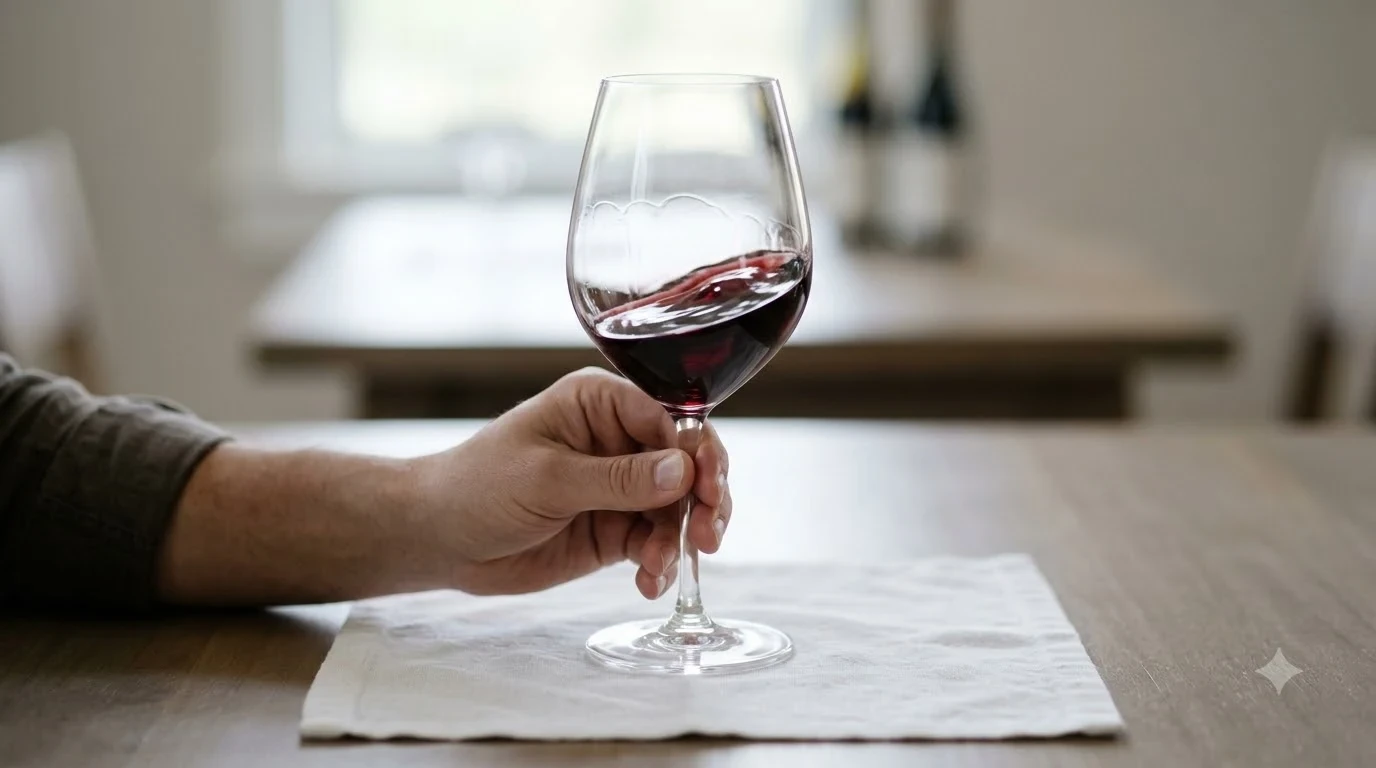
A clear, stemmed glass with a generous bowl is the best choice when asking what glass for red wine. Choose a tall Bordeaux shape for structured Cabernet Sauvignon and Syrah, or a wider Burgundy bowl for aromatic Pinot Noir. For a mixed collection, one medium-to-large universal red glass is a sensible place to start.
The glass does not change the wine in the bottle, but it changes how the wine reaches your nose and palate. Bowl width, height, rim shape, and the amount poured all affect swirling and aroma. The best choice is the glass that gives the wine enough room to open while remaining comfortable to hold, easy to clean, and practical for your table.
Why Red Wine Glass Shape Matters
A red wine glass usually has a broader bowl than a white wine glass because reds often benefit from more room for swirling and aroma release. A bowl that curves inward near the rim gives aromas a place to collect, while clear glass lets you inspect the wine’s color and clarity before taking a sip.
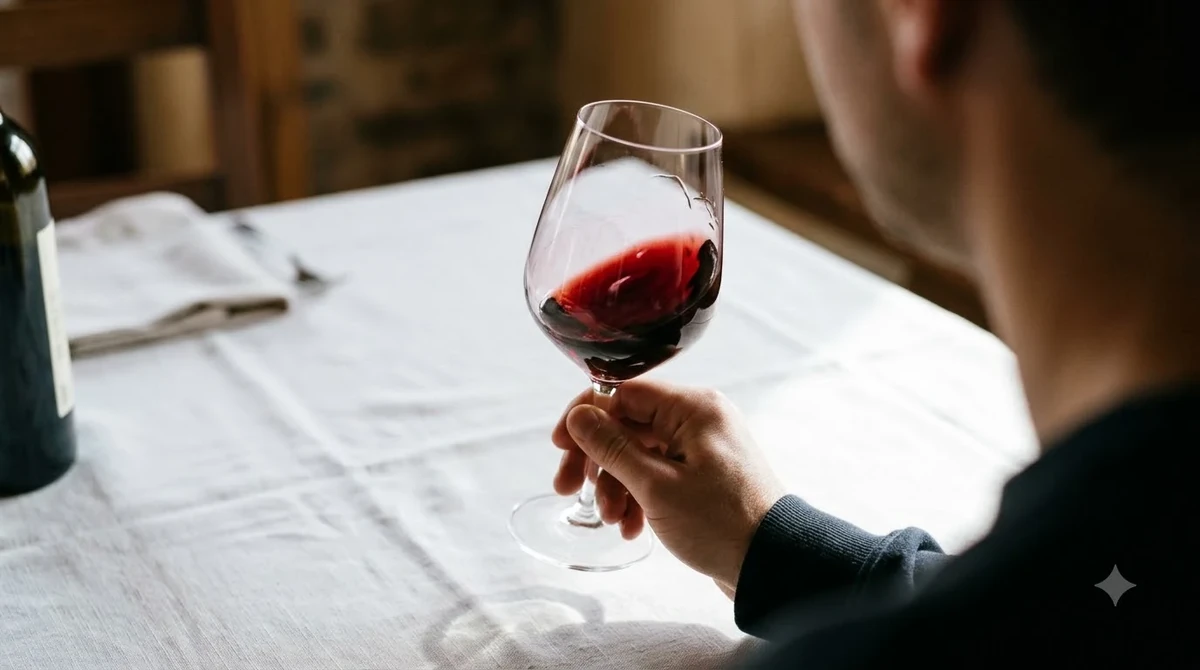
Swirling spreads a thin film of wine around the inside of the bowl and increases the surface exposed to air. That movement can make aromas easier to notice, especially in young, concentrated reds whose scents may seem closed just after opening. A broad bowl also gives you space to move the wine without sending it over the rim. The wine still needs a moderate pour; filling the glass high reduces the room available for this movement and leaves less space for aromas to gather.
A bowl that narrows toward the opening balances swirling space with a rim that directs aromas toward your nose. In a comparative tasting, Decanter’s glass-shape comparison found that a red Burgundy glass brought more concentrated, perfumed and floral notes from Pinot Noir than an ISO tasting glass. A Bordeaux shape gave the same wine a different sense of structure. Shape can influence perception, but that does not mean a wine becomes objectively better in an expensive glass.
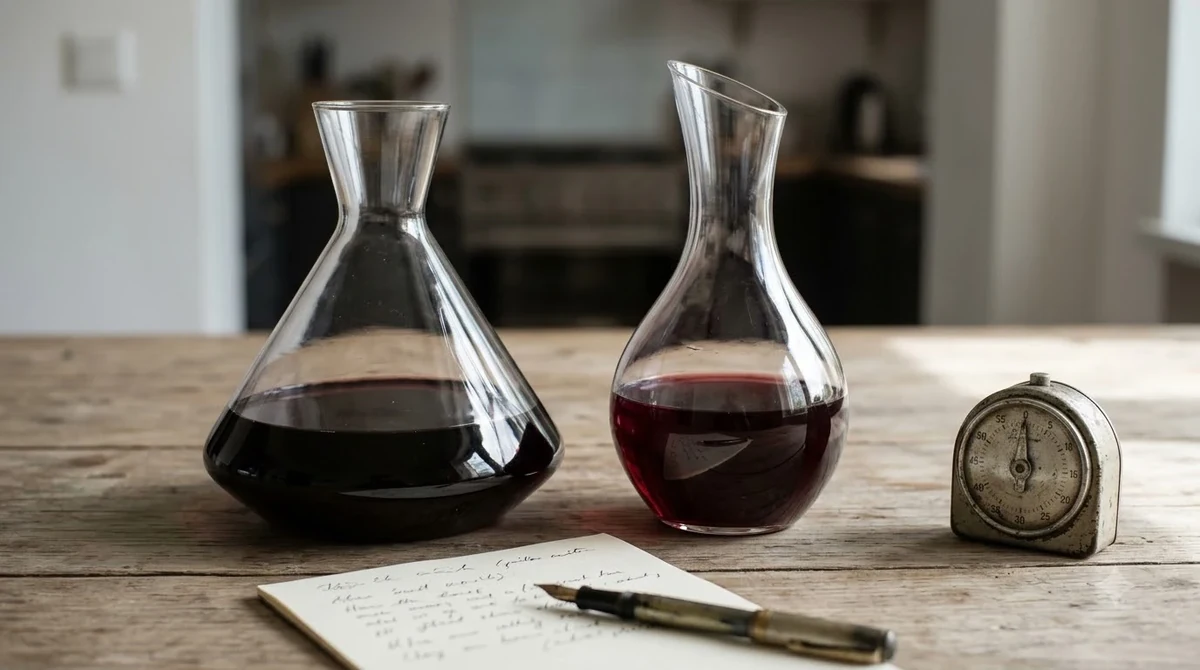
Glass shape is one part of serving well, not a substitute for sound wine handling. A young, full-bodied red may benefit from 30 to 60 minutes in a decanter, while a lighter red may need little or no extra aeration. A glass gives wine space at the table; it cannot repair poor storage or a bottle past its best.
Bordeaux Glasses for Full-Bodied Reds
A Bordeaux glass is the classic choice for powerful, tannic reds such as Cabernet Sauvignon and Syrah. Its bowl is tall and broad, with enough room to swirl and a relatively open rim that allows the wine’s aromas to rise rather than staying tightly confined.
Cabernet Sauvignon is typically high in tannin, and a Bordeaux-style glass gives it room to release aromas of dark fruit, herbs, and oak as the wine is swirled. The tall bowl also leaves space between the wine and your nose, which can make a bold wine’s alcohol seem less dominant in the aroma. Syrah, including many full-bodied examples from the Northern Rhône or Australia, can work well in the same shape because it combines ample fruit with peppery and savory notes. Merlot is generally softer and more moderate in tannin, but a Bordeaux glass is still a comfortable option for fuller, oak-influenced Merlot and Bordeaux blends.
Use the same glass for other structured reds, including many Cabernet Franc, Malbec, and red Bordeaux blends. The variety name alone does not dictate the glass: a lighter, fresher bottling may be more comfortable in a medium universal shape, while a dense, tannic version benefits from the extra bowl space. Consider the wine’s weight and texture rather than treating a varietal label as a strict instruction.
Serving temperature matters alongside glass shape. Full-bodied reds are generally best at 60 to 65 degrees Fahrenheit, not warm room temperature in a heated home. A stem makes it easier to hold the wine without wrapping your hand around the bowl. For a special bottle, pour a little first, swirl gently, and allow the aromas to develop before topping up.
Burgundy Glasses for Aromatic Reds
A Burgundy glass has a very wide, rounded bowl and a narrower opening, making it a strong match for delicate, aromatic reds such as Pinot Noir. The bowl provides a larger space for aroma to collect, while the inward curve helps direct those scents toward the nose.
Pinot Noir is usually lower in tannin than Cabernet Sauvignon and has naturally high acidity, so it does not need the same tall, structured bowl as a powerful Bordeaux blend. A broad Burgundy glass can make its red-fruit, floral, and earthy aromas easier to recognize. It also gives the wine room to spread as you swirl, which is useful for nuanced bottles from Burgundy, Oregon, California, and New Zealand. The same shape can suit Gamay, including Beaujolais, and other fragrant reds that emphasize freshness over firm tannin.
The broad bowl is not reserved for French Pinot Noir. Aromatic wines such as Barolo, Barbaresco, and some Aglianico can also benefit from a generous bowl, although they may have significant tannin and structure. A narrower bowl can give a firmer, more focused presentation, so try the wine in the glass you own before buying a dedicated shape.
Because Burgundy bowls can be broad and tall, check that the glass is balanced when filled and fits your storage space. A very large bowl is not a reason to pour more wine; keep the serving moderate so you can swirl without spilling. Lighter reds are generally served around 55 to 60 degrees Fahrenheit. That slightly cooler temperature helps preserve freshness and keeps delicate aromas from being overwhelmed by warmth.
Universal and Medium-Bodied Glasses
A universal red wine glass is the practical choice for a household that drinks several styles but does not want separate Bordeaux and Burgundy sets. Look for a bowl that is wider than a typical white wine glass, leaves room for a controlled swirl, and tapers gently toward the rim.
This middle shape can handle Merlot, Sangiovese, Zinfandel, Grenache-based blends, and many everyday reds. It is especially useful when guests bring different bottles or when a meal moves from a lighter red to a more structured one. Wine Enthusiast’s glass guide describes a standard red glass as a good option for spicy, medium-bodied Zinfandel and Malbec, while its taller Bordeaux form suits more powerful Cabernet Sauvignon and Syrah. That division is a helpful guide rather than a strict rule: a flexible bowl can serve a broad range of bottles well.
A medium-sized glass is also a sensible compromise for people who enjoy both Old World and New World styles. Chianti from Tuscany, Rioja from Spain, and a moderate-bodied California Merlot may not need an oversized bowl. A very large Burgundy glass can make a modest red seem diffuse, while a narrow water glass can limit swirling. A universal glass avoids both extremes and allows you to focus on the wine rather than on changing stemware at every course.
Choose a stable foot and comfortable height, but do not confuse capacity with serving size. A large bowl may hold 20 ounces or more and still be intended for a small pour. A five-ounce serving is a familiar standard pour in the United States; the remaining space is for swirling and aromas. For more background on grape styles, see our overview of Wine by Type.
Glass Material, Rim, and Stem Design
For most people, clear glass, a reasonably thin rim, and a comfortable stem matter more than whether a glass is made from ordinary glass or crystal. The bowl needs to function well in your hand and at your table; a fragile or awkward shape is less useful than a simple glass you enjoy using often.
Clear glass is the safest choice for tasting because it lets you see the wine’s hue, depth, and clarity. A thin rim generally feels less intrusive as the wine passes to your mouth, while a bowl that narrows slightly at the top helps concentrate aromas. Very thick rims and straight-sided tumblers can still work for casual drinking, but they offer less room for swirling and may not gather aromas as effectively as a tulip-shaped bowl.
A stem keeps your fingers away from the bowl, helping limit heat transfer from your hand. This can matter when a red is served at 55 to 65 degrees Fahrenheit, particularly during a long dinner in a warm room. Stemless glasses are convenient for patios, crowded tables, and informal meals because they are less top-heavy and often easier to store. They also warm more quickly in the hand, so they are better suited to relaxed drinking than to a careful tasting of a delicate or temperature-sensitive bottle.
Crystal can be made thin and clear, but the label alone does not guarantee a better drinking experience. Some oversized crystal glasses are delicate or difficult to fit in a standard dishwasher, and a thin rim can be easier to chip. If durability is important, choose a sturdy, clear glass with enough bowl space rather than buying a specialist shape that you will hesitate to use. For a white-wine comparison, our article on what glass for white wine explains why narrower bowls are often useful for preserving freshness and temperature.
Pouring, Serving, and Caring for Red Wine Glasses
A red wine glass works best when you leave enough empty space above the wine to swirl and smell it. A familiar five-ounce pour in a standard 750-milliliter bottle yields about five glasses, with a little allowance for normal serving variation.
Use a lower pour than you might for water or juice, even in a very large bowl. Filling to around the widest part of the bowl is a useful visual cue for many shapes, but the exact level depends on the glass. The important point is to leave ample headspace above the wine. Start with a small pour, swirl without rushing, and add more only when needed. This keeps the rim clear and makes it easier to notice how the aromas change as the wine sits in the glass.
Match temperature to the wine’s weight. Light reds such as many Pinot Noirs are best around 55 to 60 degrees Fahrenheit, while full-bodied reds such as a powerful Cabernet Sauvignon generally suit 60 to 65 degrees. A bottle stored in a cool room may need a little time out before serving; a bottle kept in a warm kitchen may benefit from a short chill. The goal is to avoid serving every red at the same warm room temperature, which can make alcohol seem more prominent and fruit less defined.
| Red wine style | Examples | Glass shape | Serving temperature |
|---|---|---|---|
| Light-bodied, aromatic | Pinot Noir, Gamay | Wide Burgundy bowl | 55–60°F |
| Medium-bodied, versatile | Merlot, Sangiovese, Zinfandel | Medium universal bowl | Choose by body: 55–60°F when light, 60–65°F when full |
| Full-bodied, structured | Cabernet Sauvignon, Syrah | Tall Bordeaux bowl | 60–65°F |
Tip: If you own only one set, choose a clear, stemmed universal glass with a broad bowl and a gently narrowed rim. It will work for most reds, and you can add a larger Burgundy glass later if aromatic Pinot Noir is a regular favorite.
Wash glasses soon after use with warm water and a little unscented dish detergent, rinse thoroughly, and dry with a clean lint-free cloth. Strong detergent scents can linger, while tall or unusually wide bowls may be safer to wash by hand than to place in a crowded dishwasher. Store clean glasses upright where the rims are protected, avoid crowding delicate stems, and check cabinet clearance before buying broad Burgundy bowls. If space is tight, a medium universal glass is more practical than several oversized shapes. Our guides to what glass for dessert wine and what glass for mead cover shapes intended for those distinct serving styles.
Frequently Asked Questions
These quick answers address common glassware questions that come up after choosing between Bordeaux, Burgundy, and universal shapes.
Can I use a Burgundy glass for Barolo?
Yes. Barolo and Barbaresco are made from Nebbiolo, a grape known for pronounced aroma and substantial tannin, and many drinkers use a generous bowl to give those scents room to develop. A Bordeaux glass is also a reasonable choice if you prefer a more structured presentation.
Is an ISO tasting glass different from a regular red wine glass?
An ISO tasting glass is a standardized tulip-shaped vessel used in professional wine evaluations and classes. Its consistent shape makes it easier to compare different wines under similar conditions, rather than tailoring the glass to a particular grape variety.
Can I serve rosé in a red wine glass?
Yes, particularly for a fuller still rosé such as Tavel or a structured rosé from Bandol. A medium universal glass gives the wine room to show its aromas without making the pour feel oversized. For a crisp, delicate rosé, a smaller white-wine glass may be more convenient.
Should red wine glasses be chilled before serving?
Usually not. Chill the wine itself to its serving range, then pour it into a glass at room temperature so condensation does not obscure the bowl. A cold glass is more commonly used for sparkling wine or a very crisp white, where keeping the drink cold is the priority.
How can I dry a delicate wine glass without damaging it?
Hold the bowl and stem separately rather than twisting the stem while polishing, since a twisting motion can put stress on the narrow join. Use two clean, lint-free cloths if needed, one to hold the glass and one to dry it. Letting the glass drain briefly before polishing also reduces water spots.
For most red wine drinkers, one good universal glass is enough to make everyday bottles enjoyable. Add a Bordeaux glass for powerful, tannic reds or a Burgundy bowl for aromatic Pinot Noir when those styles are frequent favorites. Prioritize clear glass, a comfortable stem, and enough room to swirl; the right shape should make serving easier, not turn it into a chore.
More in Wine Types & Grapes
 What Does Mourvèdre Taste Like? Flavor Profile, Regions, and PairingsUpdated Nov 20, 2026
 What Does Marsanne Taste Like? Flavors, Styles, and Food PairingsUpdated Nov 20, 2026
 What Does Malvasia Taste Like? Styles, Flavors, and Food PairingsUpdated Nov 20, 2026
 What Does Grenache Blanc Taste Like? Flavor Profile, Styles, and PairingsUpdated Nov 20, 2026
 What Does Garnacha Taste Like? Key Flavors, Styles, and Pairing TipsUpdated Nov 20, 2026
 What Does Fruit Wine Taste Like? A Complete Flavor and Style BreakdownUpdated Nov 20, 2026