


We may earn a commission when you buy through links on this page, at no extra cost to you. Learn more.
The st croix grape is a cold-hardy American hybrid red wine grape developed by Wisconsin breeder Elmer Swenson for northern growing regions. It produces dark blue berries and can make red wine and rosé, typically featuring bright fruit, moderate acidity, and relatively soft tannins. Its ability to tolerate severe winter temperatures makes it particularly valuable to vineyards in the Upper Midwest and other cool-climate wine regions.
St. Croix occupies an interesting position in American winemaking. It offers northern growers an opportunity to produce red wine in places where traditional European grape varieties can struggle with winter temperatures and shorter growing seasons. However, its vigorous growth, delicate berry skins, and variable ripening behavior require careful vineyard management. Understanding these characteristics helps explain why bottles made from this variety can range from light, fruity rosé to darker, more structured red wine.
Origin and Breeding History
St. Croix originated in Osceola, Wisconsin, through the breeding work of Elmer Swenson. Developed in 1981, it was intended to address the practical challenges of growing wine grapes in regions with severe winter conditions and comparatively short summers.
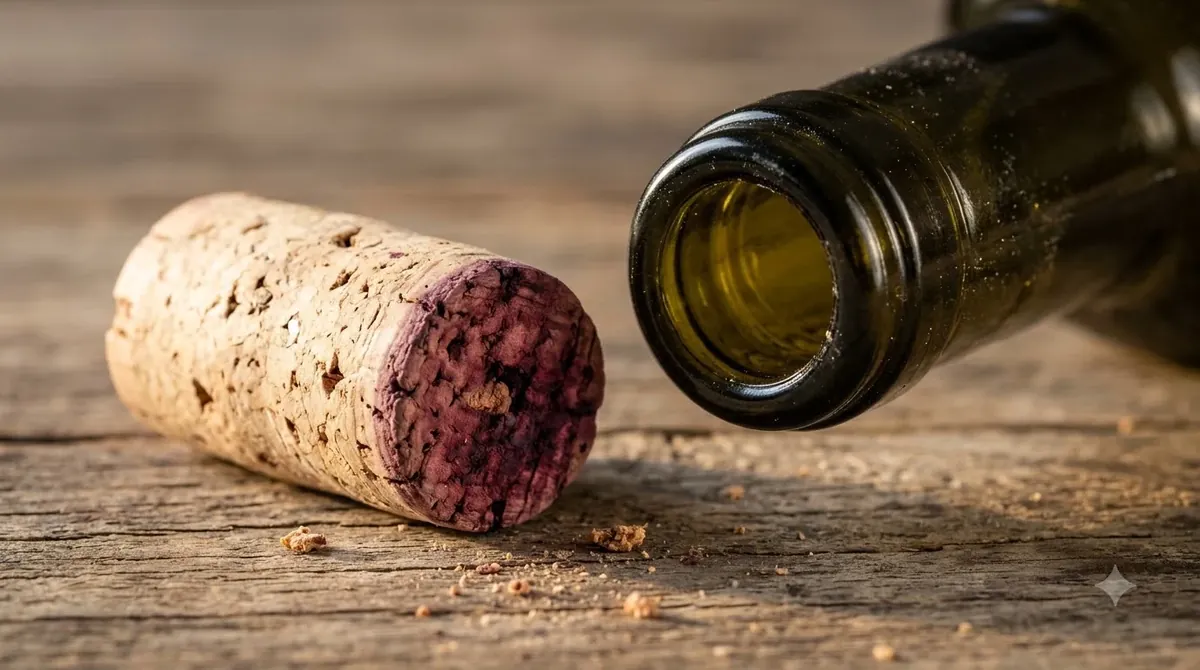
Swenson was an important figure in the development of cold-climate American viticulture. Rather than relying exclusively on traditional European Vitis vinifera varieties, he worked with interspecific hybrids that incorporated genetic material from grape species better adapted to challenging growing environments. St. Croix became one of the resulting red wine varieties, offering northern growers an additional choice for producing locally grown wine.
The grape has an interspecific pedigree involving Vitis labrusca and Vitis riparia. Its recorded parentage includes E.S. 283 and E.S. 193. The ancestry of these breeding selections includes Minnesota 78, Seibel 1000, and Seneca. This hybrid background helps explain the variety’s adaptation to cold conditions and distinguishes it from classic European red grapes such as Cabernet Sauvignon and Pinot Noir.
There is a small historical distinction in how its introduction is documented. The Iowa State cultivar review gives 1981 as its introduction year, whereas the University of California, Davis Foundation Plant Services registry lists 1983 as its release year. These dates describe different stages in the cultivar’s history rather than necessarily indicating different grapes. The UC Davis St. Croix grape registry records the breeder, origin, pedigree, and approved variety name.
Although the variety was developed in Wisconsin, its usefulness extends beyond that state. Growers in Minnesota, Iowa, Nebraska, South Dakota, and parts of eastern North America have considered or cultivated it because of its winter hardiness. Iowa State’s cultivar review also identifies it as an important red wine variety at many wineries in Quebec. This geographic range demonstrates how a breeding program developed for one northern climate can influence wine production across several regions.
The name can sometimes create confusion because St. Croix also appears in geographic and wine-related terminology. This article concentrates on the grape cultivar itself; the separate explanation of what is st croix provides another point of reference for readers researching the name.
Vine Structure, Cold Hardiness, and Site Selection
St. Croix is a vigorous, trailing or semi-procumbent vine that needs room and thoughtful support. Its cold tolerance is impressive, with recorded survival at temperatures as low as -39°F, although its root system requires more protection than its trunks and buds.
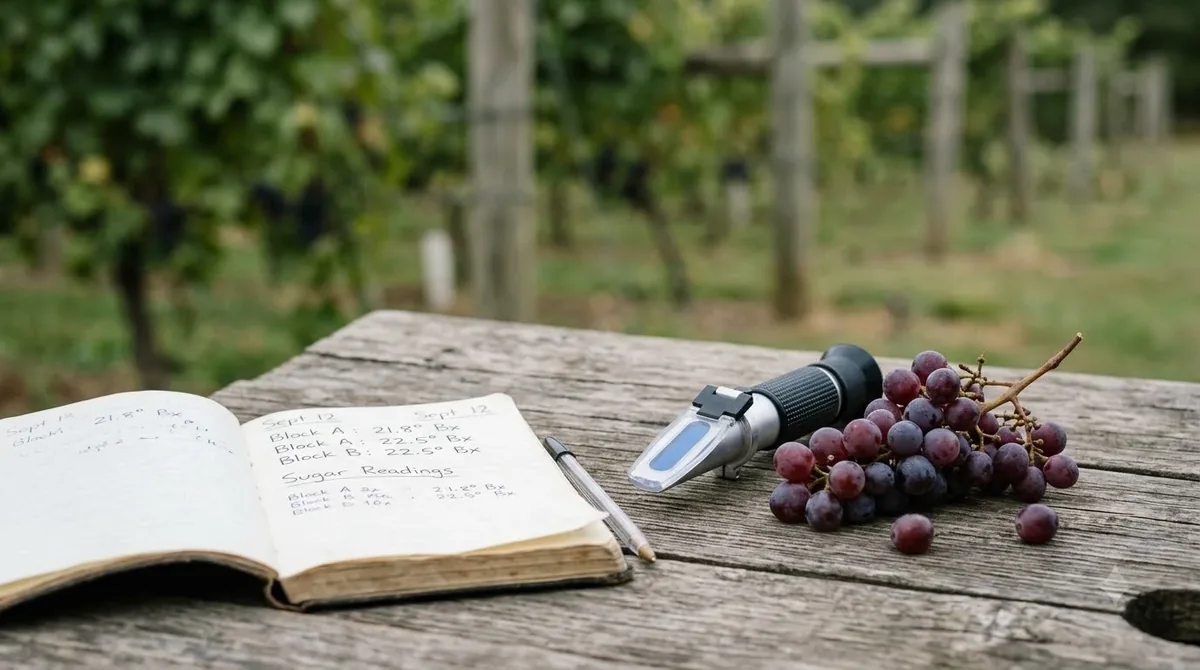
The vines produce substantial vegetative growth, often spreading outward and downward rather than maintaining a naturally upright shape. This behavior affects the choice of trellis, pruning strategy, and spacing. A high-wire trellis can provide useful support for the canopy and make routine management easier. Vertical shoot positioning is another option, although it can require additional hedging and attention as the season progresses.
In her WineMaker article on the variety, Maureen Macdonald describes a spacing recommendation of approximately 12 feet between vines, compared with around 8 feet for many other hybrid varieties. This wider spacing accommodates vigorous growth and helps prevent neighboring canopies from becoming excessively crowded. Individual vineyard conditions still matter, particularly soil fertility, rainfall, and the height and design of the trellis.
Cold hardiness is one of the strongest reasons to consider St. Croix. Macdonald discusses its ability to tolerate temperatures around -25°F, while the Iowa State cultivar review records an instance in which the trunks and buds survived -39°F without winter covering. The latter should be understood as a reported observation, not a guarantee that every vineyard can expect identical performance at that temperature.
Root survival presents a separate issue. South Dakota State University cautions that exposed roots can suffer cold damage during open winters when protective snow cover is absent. This distinction matters because a vine can have surviving aboveground wood while still experiencing substantial root injury. Site selection should therefore consider winter exposure, drainage, snow retention, and the likelihood of extreme temperature fluctuations.
| Vineyard characteristic | Reported detail | Practical significance |
|---|---|---|
| Vine habit | Vigorous, semi-procumbent | Needs canopy control and suitable support. |
| Suggested vine spacing | 12 feet | Allows room for vigorous growth. |
| Comparison spacing | 8 feet | Typical spacing cited for other hybrids. |
| Documented cold survival | -39°F | Reported survival of trunks and buds in a particular observation. |
| Cluster weight | 0.22 pounds | Average recorded in Iowa State trials in 2007. |
| Growth season | Late August to mid-September harvest | Early-midseason maturity in Wisconsin and Iowa. |
The variety generally benefits from well-drained soils. Sandy, loamy, and gravelly sites can all be suitable, provided they support adequate moisture and nutrition without remaining waterlogged. Excessive soil fertility can encourage even more vegetative growth, which increases the amount of canopy management required.
Canopy Management and Harvest Timing
Managing excessive growth is one of the central vineyard responsibilities with St. Croix. Its tendency to produce multiple shoots, dense foliage, and vulnerable berry clusters means that thinning, airflow, and harvest timing all influence the quality of the resulting wine.
One unusual characteristic is the tendency for multiple buds to break at individual nodes. This can produce more shoots than the grower wants or needs. Without corrective thinning, the vine may support too many clusters, spreading its resources across an excessive crop and making it harder for the fruit to reach adequate maturity.
Removing unnecessary shoots early in the growing season helps balance the crop. Lateral shoots also need attention because they can quickly fill available canopy space. A dense canopy restricts airflow, complicates vineyard spraying, and reduces sunlight exposure around the clusters. Improving these conditions helps reduce the risk of bunch rot and other fungal problems.
Disease management remains important despite the variety’s northern-climate suitability. The Iowa State review identifies moderate susceptibility to Botrytis bunch rot, downy mildew, and powdery mildew, with some susceptibility to anthracnose. This means cold tolerance should not be mistaken for complete disease resistance. Weather conditions, vineyard sanitation, canopy density, and local disease pressure all influence the management program.
Ripening presents another challenge. The fruit can struggle to reach 20 degrees Brix, and one experienced grower describes a practical target of approximately 20–22 degrees Brix. Leaving the grapes hanging longer does not automatically improve the finished wine. In some circumstances, delayed harvesting can increase berry damage, fruit loss, and undesirable flavor development.
Thin skins make the berries particularly vulnerable to punctures during picking and handling. Yellowjackets and fruit flies can also damage ripe fruit. Weakening attachment points between berries and stems create another concern, especially when fruit remains on the vine beyond its ideal harvest window. Growers therefore need to balance sugar development against fruit condition rather than rely on sugar measurements alone.
Tip: When evaluating a St. Croix wine, consider the balance between fruit ripeness and acidity rather than assuming that higher grape sugar always produces a better bottle. This variety can retain lively acidity while its fruit is ripening, so harvest decisions have an important influence on the finished style.
In Wisconsin and Iowa, the general harvest period falls between late August and mid-September. Macdonald describes picking during the second or third week of September at her vineyard, generally before the berries begin losing their attachment strength. Conditions vary between growing seasons, however, so this calendar window is a useful reference rather than a fixed rule.
Flavor, Acidity, and Wine Style
St. Croix typically produces red wines with dark color, lively fruit, and relatively low tannin. Depending on growing conditions and winemaking choices, the result can be a lighter-bodied, easy-drinking red or a more concentrated wine with developed fruit and oak characteristics.
One interesting feature is the difference between the appearance of the juice and the finished wine. The Iowa State cultivar review describes the juice as pale rosé in color even though the wine can become quite dark. This makes the grape particularly interesting to winemakers who want to control color through maceration and fermentation techniques.
The grape’s flavor profile is generally associated with red and dark berry characteristics. Cranberry, raspberry, and cherry can feature prominently, while more developed red wines may show black cherry, plum, and tobacco-like notes. Oak aging can introduce complementary flavors such as mocha and additional spice, although the amount of oak used influences the balance between fruit and barrel character.
Acidity deserves special attention because published descriptions are not entirely uniform. Iowa State and South Dakota State describe the variety’s acidity as moderate in their general cultivar assessments. However, individual growers report that St. Croix can retain substantial acidity as the berries ripen, especially in cooler growing seasons. The vineyard site, seasonal weather, fruit maturity, and harvesting decisions all help explain these differences.
Tannin is generally a weaker feature than it is in classic structured red grapes. Iowa State notes that St. Croix wines can lack tannin and sometimes show a relatively neutral or tobacco-like nose. South Dakota State also describes the variety as producing low-tannin fruit. This helps explain why St. Croix wines may feel softer and less grippy than Cabernet Sauvignon or Syrah.
The comparison with other grapes helps establish expectations. Cabernet Sauvignon commonly produces higher tannin and a firmer structure, while Pinot Noir generally offers lower to medium tannin and pronounced acidity. St. Croix can share the approachable fruit character of lighter reds, although its hybrid origins and cold-climate growing requirements give it a distinct identity.
For readers comparing grape varieties, the Airén grape provides an example of a different grape and wine category, while the Brachetto grape offers another red-grape profile with its own characteristic style. The important distinction is that grape color alone cannot determine sweetness, acidity, tannin, or body.
Winemaking Styles and Cellar Decisions
St. Croix works particularly well for both red wine and rosé production. Its bright fruit characteristics, variable acidity, and relatively delicate skins give winemakers several stylistic possibilities, but crushing intensity, skin contact, fermentation management, and acidity adjustments require careful attention.
Rosé production is one practical way to make use of the grape’s natural characteristics. A gentle crushing process helps limit excessive extraction from the skins. Macdonald describes lightly breaking the berries rather than aggressively crushing them, then allowing approximately overnight skin contact before pressing. This approach can create a salmon-pink color while avoiding excessive pigmentation.
The degree of extraction depends on the condition of the grapes and the winemaker’s desired color. More aggressive crushing can release additional pigments and tannin, producing a darker result than intended. Shorter skin contact may be more suitable for a particularly pale style, while carefully controlled overnight contact can provide greater color without requiring prolonged maceration.
The grape also requires attention to acidity. Macdonald describes a rosé-making approach that aims for a juice pH above 3.0, with a target finished pH of approximately 3.2–3.3 and titratable acidity around 8 g/L after adjustment. These measurements describe one winemaker’s process rather than mandatory specifications for every St. Croix wine.
Red wine production follows a somewhat different approach. Thin skins can break down during fermentation, making excessive maceration and extraction problems more likely. Macdonald recommends restraint with pectic enzyme additions to avoid accelerating skin breakdown. Fermentation oak and tannin additions may also help preserve structure where the naturally occurring grape tannins are insufficient.
Malolactic fermentation and acidity adjustments are additional cellar considerations. In cooler-climate examples, substantial acidity can make a red wine taste sharply tart, sometimes resembling unsweetened cranberry juice. Appropriate adjustments can soften that character and help create a more balanced finished wine. The winemaker needs to evaluate the must and fermentation conditions rather than follow a universal adjustment formula.
Oak aging is another option for producers seeking a fuller red-wine expression. French oak can contribute structure and flavors that complement St. Croix’s dark berry fruit. A wine featuring black cherry, tobacco, raspberry, and mocha may offer a more developed profile than a simple, fruit-forward bottling.
Not every St. Croix wine needs barrel aging or extensive cellar treatment. A fresh red intended for early drinking may benefit from restrained intervention that preserves its lively fruit characteristics. Rosé can emphasize cranberry, tart raspberry, and floral notes without the additional weight associated with oak-aged red wine. Some producers also use sweetness and spice to create alternative styles, including mulled preparations and sangria-style wines.
These different approaches explain why two bottles made from the same grape can have noticeably different appearances and flavors. The variety supplies the underlying fruit and acidity, while vineyard choices and cellar decisions determine much of the final expression.
Serving St. Croix Wine and Pairing Food
Light-bodied St. Croix red wines are generally best served slightly cool, around 55–60°F. Fuller examples can be served closer to 60–65°F, while rosé benefits from a cooler serving temperature of approximately 45–50°F.
Serving temperature can change how the wine feels in the glass. A lighter St. Croix red served too warm may seem softer and less refreshing, while excessive chilling can suppress its fruit aromas. A short period in the refrigerator before serving can help bring the wine into a suitable range. For rosé, a cooler temperature helps preserve its crisp fruit expression.
Food pairing is relatively flexible because St. Croix generally has softer tannins than heavily structured reds. Roast chicken, grilled pork, turkey, mushroom dishes, and moderately seasoned sausages can all work well. Its berry character also complements dishes featuring roasted vegetables, herbs, and savory sauces.
Acidity is a useful factor when matching the wine with food. Dishes featuring tomatoes, vinegar-based sauces, and other acidic ingredients generally benefit from wines with equal or higher acidity. A lively St. Croix rosé can be especially suitable for tomato-based vegetable dishes or salads with bright dressings.
Salt and fat can soften the perception of tannin in red wine. This makes St. Croix a useful choice for foods such as roast pork, grilled chicken with skin, savory mushrooms, and moderately fatty cheeses. Its softer structure can also work well with dishes that might overwhelm a more tannic Cabernet Sauvignon.
Very spicy dishes require more care. Alcohol and tannin can amplify chili heat, so an intensely peppery or hot preparation may overwhelm a dry St. Croix red. Mildly seasoned barbecue, roasted peppers without excessive chili, or herb-based marinades are generally easier matches.
Fish pairings depend on preparation. An oily fish can clash with tannic reds, so a St. Croix rosé is often a safer option for salmon, grilled trout, or seafood salads. For delicate white fish, a lighter rosé or another crisp white wine may be more appropriate than a deeply extracted red.
For casual entertaining, St. Croix rosé can also work with charcuterie, fresh cheeses, grilled vegetables, and fruit-based appetizers. Slight sweetness in the food can make a wine taste more acidic, so dishes with sweet sauces are best matched with a wine that has sufficient fruit and body.
A standard serving of wine is 5 ounces, and a 750 ml bottle provides approximately five glasses. These portions make it straightforward to plan a tasting that includes a St. Croix red alongside its rosé counterpart and compare how the same grape responds to different winemaking decisions.
Frequently Asked Questions
These questions cover cultivar identification, historical records, harvesting intervals, and secondary uses that help distinguish St. Croix from other American hybrid grapes.
What is another name for the St. Croix grape?
St. Croix is also identified by the breeding designation E.S. 2-3-21. This designation appears in grape variety records and technical references. It is useful when researching historical breeding information or comparing nursery and cultivar documentation.
How long does St. Croix take to ripen after flowering?
The Iowa State cultivar review reports approximately 99 days from bloom to harvest. Actual ripening depends on temperatures, sunlight, vineyard location, and seasonal growing conditions. The reported interval is a useful reference for growers planning vineyard operations.
Can St. Croix grapes be eaten fresh?
Yes. St. Croix is recorded as having juice, table, and wine uses. Its medium-sized, juicy berries make it suitable for uses beyond fermentation, although its thin skins require gentle handling after picking.
Is St. Croix related to Sabrevois?
Yes. Iowa State identifies Sabrevois as a sister seedling of St. Croix. Sabrevois is also associated with Elmer Swenson’s breeding work and is designated E.S. 2-1-9. The two cultivars are separate varieties rather than different names for the same grape.
Does St. Croix have a recorded plant patent?
Yes. The historical cultivar review identifies U.S. Plant Patent 4,928, assigned to Elmer Swenson in 1982. This patent is part of the documented history of the variety’s introduction and development.
The St. Croix grape demonstrates how American hybrid breeding has expanded winemaking possibilities in cold-climate regions. Its naturally vigorous vines and winter hardiness offer growers considerable advantages, while its bright fruit, adaptable wine styles, and relatively soft tannins give drinkers something different from traditional European red varieties. Whether enjoyed as a fresh red or a lively rosé, St. Croix is a distinctive example of northern American viticulture. Readers interested in exploring other grape varieties and wine styles can continue with our broader guide to Wine by Type.
More in Wine Types & Grapes
 Zinfandel Sugar Content: Dry Red vs. White Zinfandel GramsUpdated Nov 21, 2026
 Best Zinfandel Substitute Options for Sipping and CookingUpdated Nov 21, 2026
 Zweigelt Food Pairing: Best Dishes, Cheeses, and Serving TipsUpdated Nov 21, 2026
 Zinfandel Tannins Explained: How Structure Shapes Every BottleUpdated Nov 21, 2026
 Zinfandel Sweetness Level: Dry Red vs. Sweet White Zin ExplainedUpdated Nov 21, 2026
 Xinomavro Food Pairing: Best Dishes, Styles, and Serving TipsUpdated Nov 21, 2026